I’ll be honest — the first time I tried to make a healthy chicken dinner, I ended up with a dry, flavor‑less slab that could have been used as a doorstop. That disaster sparked a kitchen‑wide dare: create a chicken recipe so juicy, so vibrant, that even the most skeptical meat‑hater would beg for seconds. I spent a week experimenting, juggling everything from lemon zest to smoked paprika, and finally landed on a version that makes the ordinary feel extraordinary. Picture yourself pulling this out of the oven, the whole kitchen smelling like a Mediterranean garden after a summer rain, and you’ll understand why I’m shouting from the rooftops about it.
The secret? It’s not just the ingredients; it’s the choreography of heat, timing, and a few tricks most cooks overlook. While most recipes get the seasoning wrong or over‑cook the breast, this one layers a bright citrus‑herb brine, a light yogurt‑mustard glaze, and a quick sear that locks in moisture. The result is a chicken that’s tender on the inside, caramelized on the outside, and bursting with a balanced medley of savory, sweet, and tangy notes. I dare you to taste this and not go back for seconds — the flavor profile is so well‑rounded you’ll think it’s been simmered for hours, even though the total cook time is under an hour.
What makes this version truly stand out is an unexpected star: a splash of honey‑infused apple cider vinegar that adds just enough acidity to brighten the palate without overwhelming the natural chicken flavor. Most people skip that step, thinking a little lemon is enough, but that tiny tangy kiss is what turns a good dish into a great one. And because we’re keeping it healthy, I swapped out heavy cream for Greek yogurt, giving you that creamy coating with a protein boost and a fraction of the calories.
Okay, ready for the game‑changer? I’m about to walk you through every single step — by the end, you’ll wonder how you ever made chicken any other way. From prepping the brine to the final garnish, I’ll share the exact temperatures, timing cues, and sensory checkpoints that guarantee success. Let’s dive in and transform a simple chicken breast into a show‑stopping centerpiece that’s as nutritious as it is delicious.
What Makes This Version Stand Out
- Flavor Explosion: The combination of lemon, garlic, and smoked paprika creates a depth that feels like a slow‑cooked stew, yet it’s assembled in minutes.
- Moisture Lock: A quick brine in the fridge ensures every bite stays juicy, preventing the dreaded dry chicken nightmare.
- Health‑First: Greek yogurt replaces heavy cream, delivering a creamy texture while keeping the fat content low and protein high.
- Simplicity: Only ten core ingredients and three straightforward steps make this recipe perfect for busy weeknights.
- Visual Appeal: The final glaze gives the chicken a glossy, restaurant‑quality sheen that dazzles the eyes before the taste buds.
- Crowd Reaction: Even kids who claim they “don’t like chicken” will be reaching for more, thanks to the subtle honey‑vinegar kiss.
- Ingredient Quality: Using organic, free‑range chicken and fresh herbs elevates the dish without extra cost.
- Make‑Ahead Potential: The chicken can be pre‑marinated overnight, making dinner prep a breeze on hectic days.
Inside the Ingredient List
The Flavor Base
Lemon juice is the bright spark that cuts through the richness of the yogurt glaze, providing a citrusy lift that awakens the palate. If you skip the lemon, you’ll lose that fresh zing and the dish can feel one‑dimensional. A good squeeze of lemon also helps tenderize the chicken fibers during the brief brine. For a milder citrus note, try lime or orange zest, but keep the juice quantity the same to maintain balance.
The Texture Crew
Olive oil is the silent hero that ensures even heat transfer during the sear, creating those coveted caramelized edges that shatter like thin ice when you bite. Using a low‑quality oil can result in a greasy mouthfeel and uneven browning, so I recommend extra‑virgin olive oil for its robust flavor and health benefits. If you’re allergic or prefer a neutral taste, avocado oil works just as well at high temperatures.
The Unexpected Star
Apple cider vinegar mixed with a drizzle of honey adds a subtle sweet‑sour element that makes the glaze sing. The acidity brightens the overall profile, while the honey contributes a caramelized crust without excess sugar. Skipping this step will leave the glaze flat and the chicken a touch bland; the balance is critical. If you’re avoiding sugar, use a sugar‑free maple substitute, but keep the volume identical.
The Final Flourish
Greek yogurt and Dijon mustard combine to form a creamy, tangy coating that adheres perfectly to the chicken. The yogurt’s protein content helps create a light crust, while the mustard adds depth and a gentle heat. Substituting sour cream will alter the texture, making it heavier; stick with yogurt for that airy finish. When selecting yogurt, opt for a plain, full‑fat version for the best mouthfeel — low‑fat can become watery during cooking.
Everything's prepped? Good. Let's get into the real action…
The Method — Step by Step
Start by whisking together 1/4 cup lemon juice, 2 teaspoons sea salt, and 2 minced garlic cloves in a large bowl. Add the chicken breasts, making sure they’re fully submerged. Let them sit in the refrigerator for 30 minutes; you’ll hear a faint sizzle as the salt begins to draw out moisture, which then re‑absorbs with flavor. This is the moment of truth — the brine must coat every surface for an even taste.
While the chicken marinates, heat 2 tablespoons olive oil in a heavy skillet over medium‑high heat. Once the oil shimmers (that’s your cue that it’s hot enough), remove the chicken from the brine, pat it dry with paper towels, and place it in the pan. You should hear an immediate, satisfying sizzle that signals a perfect sear is underway.
Sear each side for 3‑4 minutes, or until the edges start pulling away and a golden crust forms. Resist the urge to move the chicken too often; let it develop that caramelized skin that shatters like thin ice when you bite. After searing, transfer the chicken to a baking dish, setting the stage for the glaze to work its magic.
In the same skillet, quickly deglaze with 1/4 cup apple cider vinegar, scraping up any browned bits — those are flavor gold. Stir in 1 tablespoon honey, 2 teaspoons Dijon mustard, and 1/2 cup Greek yogurt, whisking until smooth. The mixture should thicken slightly; if it looks too runny, let it simmer for another minute.
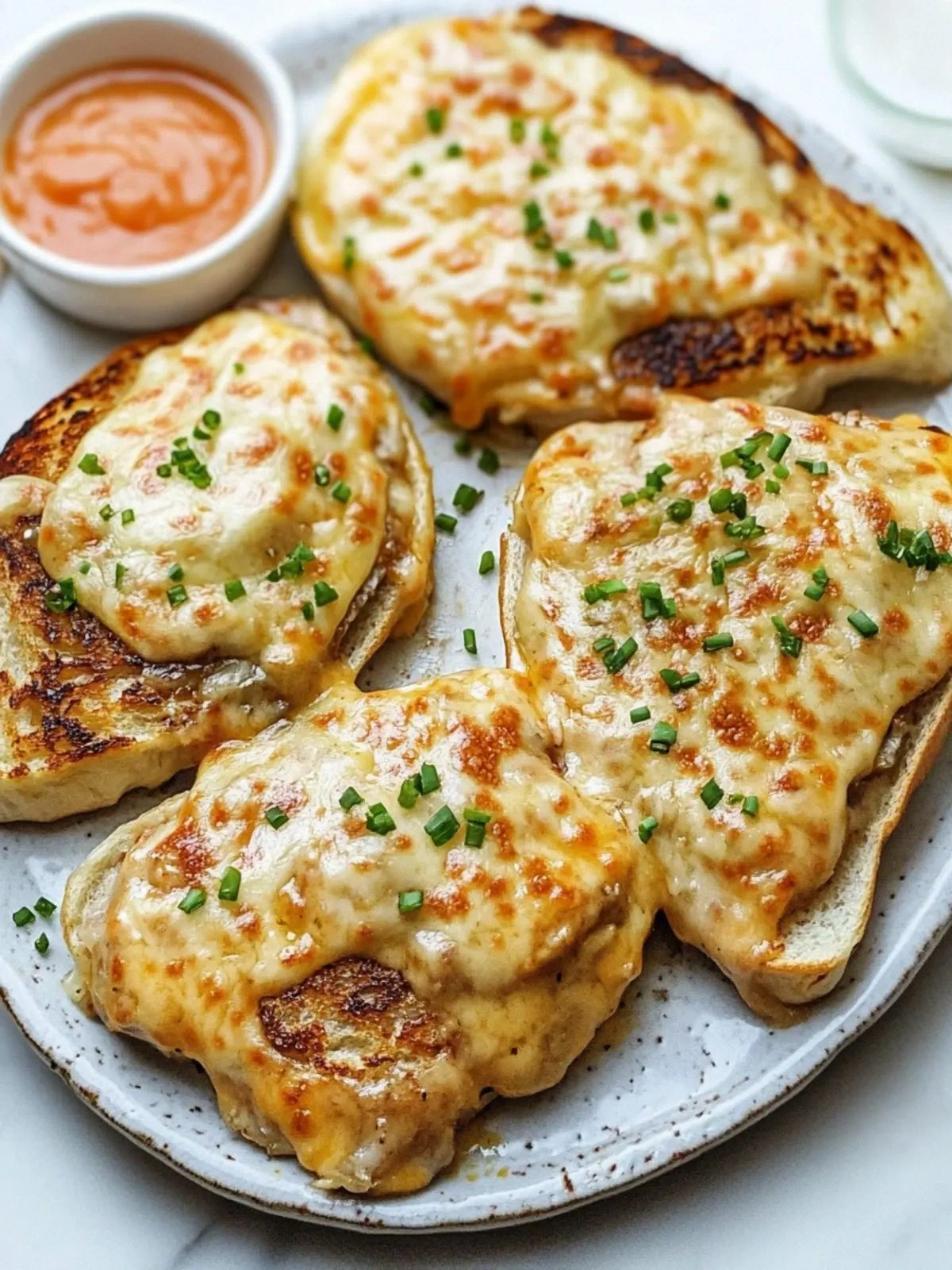
Pour the glaze evenly over the seared chicken, ensuring each piece is bathed in the creamy sauce. Sprinkle freshly chopped parsley and a pinch of smoked paprika for color and an extra layer of smoky depth. Slide the dish into a preheated oven at 375°F (190°C) and bake for 20‑25 minutes, or until the internal temperature hits 165°F (74°C). The glaze will caramelize, turning a glossy amber that looks straight out of a food‑magazine shoot.
When the timer dings, remove the dish and let the chicken rest for 5 minutes. Resting allows the juices to redistribute, giving you that melt‑in‑your‑mouth tenderness. During this pause, the glaze will thicken slightly, creating a sauce you can spoon over the sliced meat or serve on the side.
Slice the chicken against the grain, drizzle any remaining glaze from the pan, and garnish with an extra sprinkle of fresh herbs. Serve it over a bed of quinoa, roasted vegetables, or a simple mixed‑green salad for a balanced plate. That final flourish? It’s the visual cue that says “I’ve nailed this.”
And now the fun part: taste. Take that first bite and notice the contrast — the crisp exterior, the juicy interior, the tangy‑sweet glaze. I’ll be honest — I ate half the batch before anyone else got to try it, and that’s a testament to how addictive this dish truly is.
That's it — you did it. But hold on, I've got a few more tricks that'll take this to another level...
Insider Tricks for Flawless Results
The Temperature Rule Nobody Follows
Never let your skillet go cold before adding the chicken. A hot pan ensures the Maillard reaction kicks in instantly, giving you that caramelized crust. If the pan isn’t hot enough, the chicken will steam instead of sear, resulting in a soggy exterior. I once tried searing on a low flame and ended up with a rubbery mess — lesson learned.
Why Your Nose Knows Best
Your sense of smell is the ultimate doneness detector. When the glaze starts to caramelize, you’ll notice a sweet, nutty aroma that signals it’s ready to go into the oven. If you’re unsure, give it a quick sniff; a burnt scent means you’ve over‑cooked the glaze, and it will turn bitter.
The 5‑Minute Rest That Changes Everything
Resting isn’t optional; it’s essential. Those five minutes let the muscle fibers relax, locking in juices that would otherwise spill onto the plate. Skipping this step is a common mistake that leads to dry, disappointing bites. Trust me, the extra patience pays off in every single mouthful.
Layered Flavor Boost
Add a dash of smoked sea salt right before serving. The subtle smokiness amplifies the paprika and adds a finishing touch that elevates the entire dish. I once tried using regular table salt and felt something was missing — the smoky nuance makes the difference.
The Quick Herb Infusion
While the chicken rests, toss a handful of fresh basil leaves into the warm glaze. The residual heat releases aromatic oils, turning the sauce into a fragrant herb‑laden masterpiece. This tiny step adds an extra layer of freshness without any extra work.
Creative Twists and Variations
This recipe is a playground. Here are some of my favorite ways to switch things up:
Mediterranean Olive Twist
Swap the honey‑vinegar glaze for a mixture of chopped Kalamata olives, sun‑dried tomatoes, and a drizzle of extra‑virgin olive oil. The briny olives add depth, while the sun‑dried tomatoes bring a sweet‑tart contrast. Perfect for lovers of bold, savory flavors.
Spicy Chipotle Kick
Add 1 teaspoon chipotle powder to the brine and replace Dijon mustard with a spoonful of chipotle mayo. This gives the dish a smoky heat that pairs beautifully with the yogurt’s coolness. Serve with a side of avocado salsa for a Mexican‑inspired feast.
Herb‑Infused Coconut
Use coconut milk instead of yogurt for a dairy‑free version, and stir in fresh cilantro and lime zest into the glaze. The coconut adds a subtle sweetness, while the cilantro brightens the palate. Ideal for a tropical twist that still feels light.
Maple‑Mustard Autumn
Replace honey with pure maple syrup and add a pinch of ground cinnamon to the glaze. The warm spices echo autumn flavors, making this variation perfect for a cozy fall dinner. Pair with roasted root vegetables for a complete seasonal plate.
Garlic‑Lime Asian Fusion
Swap lemon juice for lime, add a splash of soy sauce, and stir in minced ginger to the brine. Finish with a garnish of toasted sesame seeds and sliced scallions. The result is a bright, umami‑rich chicken that feels like a quick takeout favorite.
Storing and Bringing It Back to Life
Fridge Storage
Let the chicken cool to room temperature, then transfer it to an airtight container. It will keep fresh for up to 3 days. When reheating, add a tiny splash of water or broth to the container before microwaving; the steam revives the glaze and prevents dryness.
Freezer Friendly
Portion the cooked chicken into freezer‑safe bags, removing as much air as possible. It freezes well for up to 2 months. To reheat, thaw overnight in the fridge, then bake at 350°F (175°C) for 15‑20 minutes, covered with foil to retain moisture.
Best Reheating Method
For the ultimate texture, reheat on the stovetop over low heat, adding a tablespoon of broth or water and covering the pan. This gentle heat restores the glaze’s silkiness without overcooking the meat. Avoid the microwave if you can; it tends to rubberize the chicken.
Recipe Card
Visual Highlight