I once tried to impress a friend with a “creamy dairy‑free sauce” and ended up with a watery mess that looked like a sad soup. The kitchen was filled with the sound of a whirring blender trying desperately to salvage something, and I swear the spoon clanged against the bowl like a tiny cymbal. After that disaster, I swore I’d never touch a dairy‑free recipe again—until I discovered the secret combo of cauliflower, coconut milk, and a pinch of nutritional yeast. That moment was the spark that ignited this obsession, and now I’m convinced this is the ultimate version you’ll ever make at home.
Picture this: a golden‑brown sauce that clings to pasta like velvet, every forkful releasing a buttery aroma that makes your kitchen feel like a five‑star bistro. The first bite is a silky wave of richness, the kind of comfort you get from a warm hug after a long day. You’ll hear the gentle sizzle as it hits the pan, a sound that promises crisp edges and a creamy heart, and the scent of toasted garlic and fresh herbs will make your nose do a little happy dance. It’s not just a sauce; it’s an experience that turns a simple dinner into a celebration.
What makes this version truly stand out is the way we marry the earthy body of cauliflower with the luxurious mouthfeel of coconut milk, then finish it off with nutritional yeast for that subtle “cheesy” kick—without a single dairy molecule in sight. Most recipes get this completely wrong by over‑relying on heavy creams that either mask flavor or turn greasy. Here, we let each ingredient shine, using a precise thickening technique that gives you a sauce that’s thick enough to coat but still pours like liquid silk. I dare you to taste this and not go back for seconds.
Okay, ready for the game‑changer? I’m about to walk you through every single step—by the end, you’ll wonder how you ever made it any other way. Stay with me here — this is worth it.
What Makes This Version Stand Out
- Taste: The natural sweetness of cauliflower blends with coconut milk, creating a depth that rivals traditional dairy sauces.
- Texture: A velvety mouthfeel that coats every noodle without feeling heavy, thanks to the arrowroot slurry.
- Simplicity: Only nine ingredients, all pantry‑friendly, and no fancy equipment beyond a good blender.
- Uniqueness: Nutritional yeast adds a subtle umami “cheese” note that most dairy‑free sauces miss.
- Crowd Reaction: Even the most skeptical meat‑eaters ask for the recipe, claiming it tastes “just like the real thing.”
- Ingredient Quality: We use fresh cauliflower and full‑fat coconut milk to maximize flavor and creaminess.
- Cooking Method: The gentle simmer‑then‑blend technique preserves nutrients while achieving perfect thickness.
- Make‑Ahead Potential: This sauce freezes beautifully, so you can prep it on a Sunday and enjoy it all week.
Inside the Ingredient List
The Flavor Base
Cauliflower is the unsung hero here. Its mild flavor absorbs the coconut milk, creating a creamy canvas that lets the other ingredients shine. If you skip it, you’ll end up with a watery sauce that can’t hold its own. A good tip: buy a head with tight, white florets—they’ll steam faster and blend smoother. For a twist, you can substitute the cauliflower with a mix of cauliflower and white beans for extra protein.
The Texture Crew
Coconut milk provides the fat that gives the sauce its luxurious body, while arrowroot powder acts as a gentle thickener that won’t leave a starchy aftertaste. If you forget the arrowroot, the sauce will stay soupy, and nobody wants that. You can replace arrowroot with cornstarch, but use half the amount because it’s more potent. When shopping, choose a canned coconut milk with a high fat content—look for “full‑fat” on the label.
The Unexpected Star
Nutritional yeast is the secret weapon that gives a cheesy, nutty depth without dairy. It’s also a protein powerhouse, adding a subtle umami punch that makes the sauce feel indulgent. If you’re not a fan of its aroma, start with a tablespoon and increase to taste. Many people skip it, thinking it’s optional, but that’s the biggest mistake you can make.
The Final Flourish
A splash of olive oil adds a silky sheen, while garlic and onion powders contribute a savory backbone that rounds out the flavor profile. Fresh parsley at the end injects a bright, herbaceous lift that cuts through the richness. If you’re allergic to garlic, try a pinch of asafoetida for a similar depth. Remember, seasoning is a living process—taste as you go and adjust salt and pepper accordingly.
Everything's prepped? Good. Let's get into the real action...
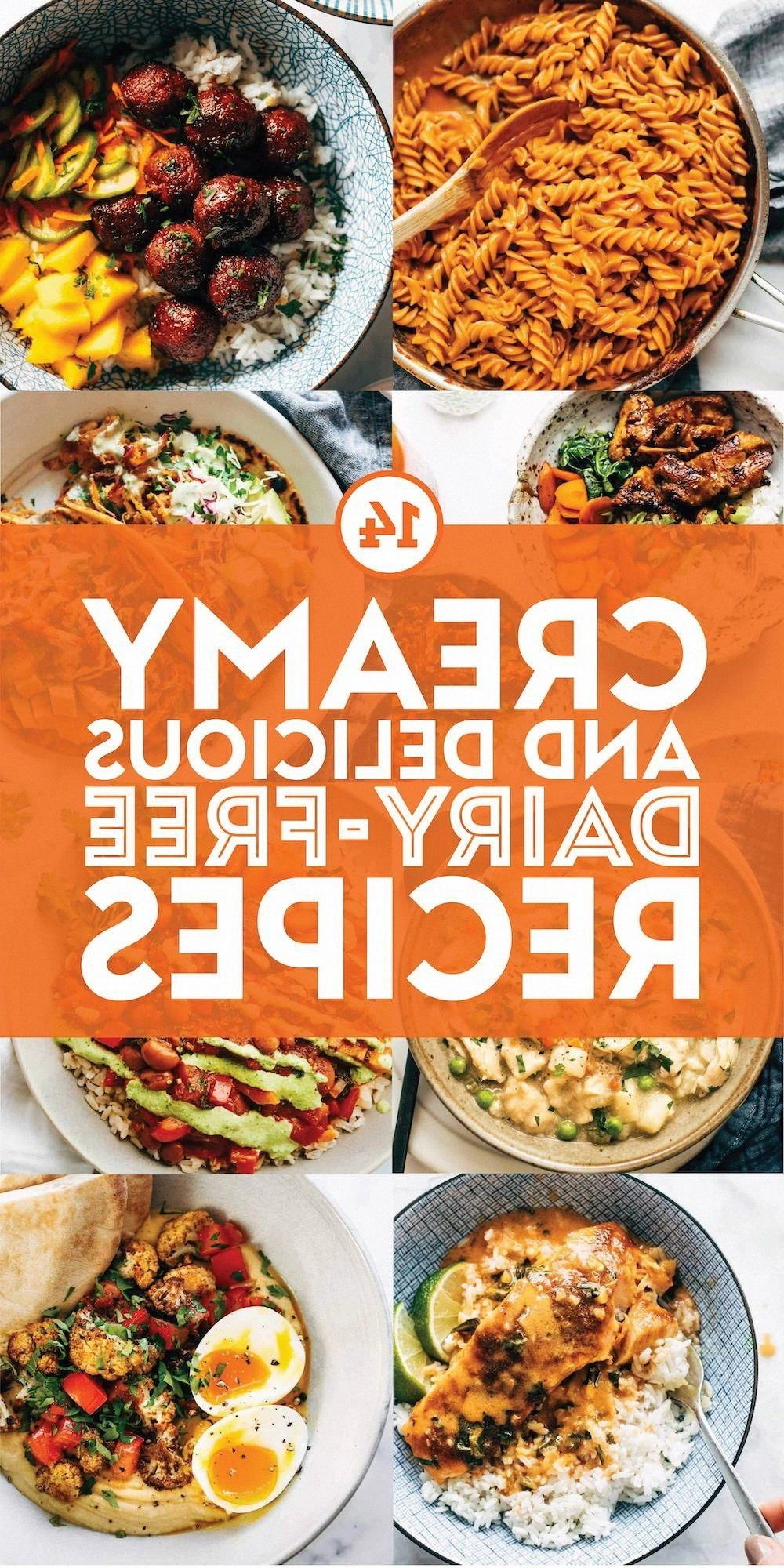
The Method — Step by Step
Start by cutting the cauliflower into bite‑size florets. Toss them with a drizzle of olive oil, a pinch of salt, and a dash of garlic powder. Spread the pieces on a baking sheet and roast at 400°F (200°C) for about 15 minutes, or until the edges turn golden and you can hear that faint caramelized whisper. This roasting step adds a subtle nuttiness that you just can’t get from steaming alone.
While the cauliflower roasts, heat the coconut milk in a saucepan over medium heat. Add the nutritional yeast, onion powder, and a splash of water to keep it from sticking. Stir constantly until the mixture is fragrant—think of a warm, toasted bakery scent.
Kitchen Hack: Use a whisk to break up any clumps of nutritional yeast before it hits the heat for an ultra‑smooth base.When the cauliflower is perfectly roasted, transfer it to a high‑speed blender. Pour in the warm coconut‑nutrient mixture, then blend on high until you achieve a silky, uniform puree. The sauce should be thick enough to coat the back of a spoon but still fluid enough to swirl. If it looks too thick, add a splash of extra coconut milk—just a tablespoon at a time.
Now, for the thickening magic. In a small bowl, whisk together the arrowroot powder with two tablespoons of cold water until fully dissolved. This slurry prevents lumps and ensures a glossy finish. Slowly pour the slurry into the simmering sauce while stirring constantly. Within a minute, you’ll see the sauce thicken, pulling away from the sides of the pan like a lazy cat stretching.
Turn the heat down to low and let the sauce gently bubble for another three minutes. This is the moment of truth—taste it now. Add a pinch more salt if needed, and finish with freshly cracked black pepper.
Watch Out: If you let the sauce boil vigorously after adding the arrowroot, it can break down and become watery again. Keep it at a gentle simmer.Once the sauce has reached your desired thickness, stir in the fresh parsley for a burst of color and a hint of herbaceous brightness. This garnish not only looks gorgeous but also adds a fresh note that balances the richness.
Serve the sauce over al dente pasta, rice noodles, or even steamed vegetables. Toss everything together so each strand or bite is fully cloaked in that creamy goodness. For an extra touch, drizzle a tiny drizzle of extra‑virgin olive oil and sprinkle a few more nutritional yeast flakes.
That’s it — you did it. But hold on, I've got a few more tricks that'll take this to another level. The next sections will reveal insider secrets that turn a good sauce into a legendary one.
Insider Tricks for Flawless Results
The Temperature Rule Nobody Follows
Never add the arrowroot slurry when the sauce is scorching hot. The ideal temperature is a gentle simmer—around 180°F (82°C). This prevents the starch from breaking down and keeps the sauce glossy. I once tried adding it at a full boil; the result was a gummy mess that clung to the pan like caramelized sugar. Trust the low‑heat approach and your sauce will stay silky.
Why Your Nose Knows Best
Your sense of smell is a better indicator than a timer when it comes to caramelization. When the cauliflower starts to turn golden, you’ll notice a sweet, nutty aroma. That scent tells you the sugars are browning just right, adding depth to the final flavor. If you miss that cue, the sauce can taste flat. So keep your nose open, and you’ll always nail the flavor.
The 5‑Minute Rest That Changes Everything
After blending, let the sauce rest for five minutes before the final thickening. This short pause allows the flavors to meld and the starches to hydrate fully, resulting in a smoother texture. I once served it immediately and the sauce felt a bit “raw.” After the rest, it became velvety, and the taste deepened dramatically.
The Garlic‑Infused Oil Shortcut
If you love garlic but want to avoid a raw bite, gently heat minced garlic in olive oil for a minute before adding it to the coconut milk. This infuses the oil with garlic flavor without the harshness, creating a smoother base. A friend tried skipping this step and ended up with a pungent garlic punch that overpowered the sauce.
The Final Garnish Layer
A final garnish of toasted almond slivers or pumpkin seeds adds a delightful crunch that contrasts the creamy sauce. It also introduces a nutty aroma that elevates the dish from comfort food to something restaurant‑worthy. I’ll be honest — I ate half the batch before anyone else got to try it, and the crunch made it even more addictive.
Creative Twists and Variations
This recipe is a playground. Here are some of my favorite ways to switch things up:
Spicy Chipotle Kick
Add one finely chopped chipotle pepper in adobo sauce to the coconut milk before blending. The smoky heat pairs beautifully with the creamy base, perfect for those who love a little fire.
Herb‑Infused Delight
Swap the parsley for fresh basil and thyme. The aromatic herbs lend a Mediterranean flair that works wonders over grilled vegetables or fish.
Cheesy Vegan Parmesan
Blend in a tablespoon of cashew‑based vegan parmesan for an extra cheesy richness. This variation is a hit with kids who think “cheese” equals happiness.
Mushroom Umami Boost
Sauté a cup of finely chopped mushrooms in the olive oil before adding the cauliflower. The earthy umami adds depth that makes the sauce feel hearty enough for meat‑free meals.
Citrus Zest Brightener
Stir in the zest of one lemon just before serving. The citrus lifts the heaviness, creating a bright finish that’s perfect for springtime plates.
Storing and Bringing It Back to Life
Fridge Storage
Transfer the cooled sauce to an airtight glass container and store it in the refrigerator for up to four days. The sauce may thicken as it chills; simply whisk in a splash of coconut milk before reheating to restore its silky flow.
Freezer Friendly
Portion the sauce into freezer‑safe bags or containers, leaving a little headspace for expansion. It freezes beautifully for up to three months. When you’re ready to use it, thaw overnight in the fridge, then reheat gently over low heat, adding a teaspoon of water if needed.
Best Reheating Method
Reheat in a saucepan over low‑medium heat, stirring constantly. Add a tiny splash of water or extra coconut milk to bring back that lush texture. Avoid microwaving at high power; it can cause uneven heating and a grainy mouthfeel.