Introduction
I was halfway through a bland stir‑fry that tasted like a beige wall when my roommate shouted, “We need something that screams life!” I grabbed my trusty bag of soba noodles, a splash of soy, and the kind of excitement that only a midnight snack can bring. The kitchen smelled of toasted sesame and fresh ginger, the air buzzing with anticipation. Within minutes, the noodles would transform from plain to a vibrant, crunchy, and silky canvas. This isn’t just another salad; it’s a flavor rollercoaster that will have you daring your friends to taste it twice.
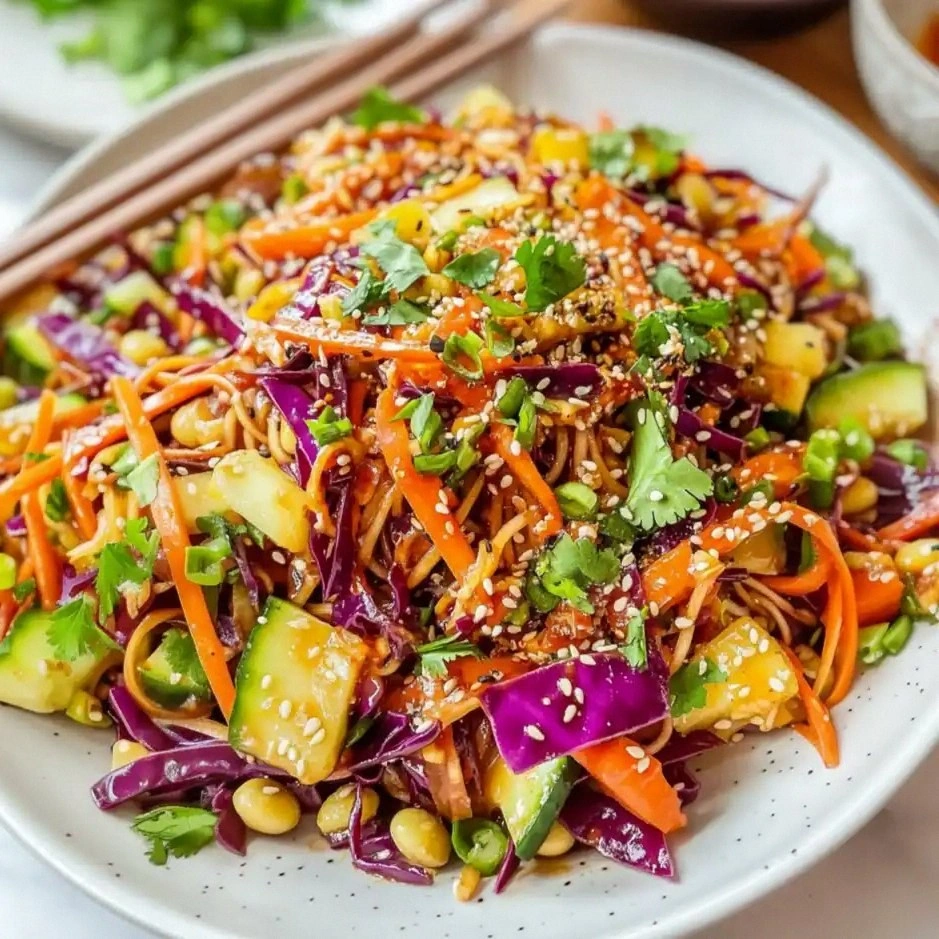
Picture this: a bowl of glossy brown noodles, bright orange carrots, and deep‑red cabbage that glistens like a jewel. The crunch of edamame and cucumber gives a satisfying snap that echoes in your mouth. A drizzle of sesame oil and a whisper of sriracha create a silky glaze that coats each strand like velvet. The final flourish of cilantro and toasted sesame seeds adds a peppery bite and a nutty aroma. I dare you to taste this and not go back for seconds.
What makes this version stand out from the countless other soba salads out there? First, the sauce is a balanced duet of sweet honey and tangy rice vinegar that lifts the noodles without drowning them. Second, the use of tahini gives a creamy depth that most recipes skip. Third, the quick toasting of sesame seeds adds a crunch that shatters like thin ice when you bite. And finally, the entire dish can be assembled in 20 minutes, so you’re not sacrificing taste for speed.
I’ll be honest — I ate half the batch before anyone else got to try it. Most recipes get this completely wrong by overcooking the noodles or under seasoning the dressing. Here’s what actually works: use cold water to rinse the noodles, let the dressing sit for a minute, and fold everything gently. Picture yourself pulling this out of the fridge, the whole kitchen smelling incredible, and watching your guests’ eyes widen. Let me walk you through every single step — by the end, you’ll wonder how you ever made it any other way.
What Makes This Version Stand Out
- Taste: The dressing balances sweet, savory, and spicy, creating a layered flavor that lingers on the palate. The honey or maple syrup provides a gentle sweetness that contrasts with the sharpness of sriracha. This combination elevates the dish beyond a simple vinaigrette.
- Texture: The soba noodles remain al dente, offering a slight chew that pairs with the crisp vegetables. The toasted sesame seeds add a satisfying crunch that breaks the monotony. The tahini gives a silky finish that coats the noodles like a velvet ribbon.
- Simplicity: All ingredients are pantry staples, and the assembly takes less than 15 minutes. No complicated cooking steps or exotic gadgets are required. This makes it an ideal go-to for busy weeknights.
- Uniqueness: The inclusion of tahini in a soba salad is a game‑changer, adding creaminess without dairy. The quick toasting of sesame seeds and the use of fresh ginger give a depth rarely seen in other recipes. It’s a fusion of Japanese and Middle Eastern flavors.
- Crowd Reaction: Friends who tried it left with a second plate, saying it was the “best soba salad I've ever had.” The bright colors and crunchy textures make it Instagram‑ready. The dish satisfies both vegetarians and carnivores alike.
- Ingredient Quality: Using high‑quality soba noodles made from 70% buckwheat ensures a nutty undertone. Freshly sliced vegetables keep their natural sweetness and crunch. The sesame oil should be toasted for a richer aroma.
- Make‑Ahead Potential: Because the dressing is robust, the salad can be prepped up to 24 hours ahead. The noodles will maintain their al dente texture if stored in an airtight container. This makes it a perfect option for meal prep or a potluck.
Alright, let's break down exactly what goes into this masterpiece...
Inside the Ingredient List
The Flavor Base
The foundation of this salad lies in its dressing, where soy sauce, sesame oil, rice vinegar, honey or maple syrup, fresh ginger, sriracha, and tahini come together. Each element plays a distinct role: soy sauce adds depth and umami, sesame oil offers a fragrant richness, rice vinegar provides bright acidity, and honey balances everything with a touch of sweetness. Fresh ginger injects a subtle heat and brightens the overall profile, while sriracha delivers a spicy kick that lingers on the tongue. Tahini, a creamy sesame paste, adds silky texture and a gentle nutty undertone that ties the flavors together.
The Texture Crew
Soba noodles form the chewy backbone of the dish, offering a nutty flavor that complements the vegetables. Shelled edamame contributes a protein punch and a slight pop when bitten. Thinly sliced cucumber and shredded carrots bring crispness and a refreshing bite. Thinly sliced red cabbage adds a subtle sweetness and a beautiful pop of color. Toasted sesame seeds provide a crunchy contrast that punctuates each mouthful.
The Unexpected Star
Fresh cilantro and green onions add a bright, herbal freshness that lifts the salad’s overall brightness. Cilantro’s citrusy notes cut through the richness of the dressing, while green onions contribute a mild onion flavor and a subtle crunch. Together, they create a layered aroma that invites you to take another bite.
The Final Flourish
The final touch of toasted sesame seeds not only adds texture but also a deep, nutty aroma that completes the dish. A sprinkle of chopped green onions and cilantro provides a fresh finish, while a drizzle of sesame oil gives an extra sheen. The combination of these elements ensures that each spoonful is balanced and satisfying.
Everything's prepped? Good. Let's get into the real action...
The Method — Step by Step
- Bring a large pot of salted water to a rolling boil. Add the soba noodles and cook for 4 to 5 minutes, or until they’re al dente. Stir gently to prevent clumping. Once cooked, drain the noodles and immediately rinse them under cold water to stop the cooking process and cool them down. Pat them dry with a clean towel to keep them from sticking.
- While the noodles are still hot, transfer them to a large mixing bowl. Add the shredded carrots, thinly sliced red cabbage, shelled edamame, sliced cucumber, chopped green onions, and cilantro. Toss gently to combine, ensuring each vegetable is evenly distributed. This step keeps the flavors fresh and the textures crisp.
- In a small bowl, whisk together soy sauce, sesame oil, rice vinegar, honey or maple syrup, grated ginger, sriracha, and tahini until the mixture is smooth and slightly thickened. If the tahini is too thick, add a teaspoon of warm water to reach a pourable consistency. This dressing will coat the noodles and vegetables in a silky, flavorful coating.
- Heat a dry skillet over medium heat and add the sesame seeds. Stir constantly, letting the seeds toast for about 2 minutes until they turn golden brown and emit a nutty aroma. Remove them immediately to prevent burning. Toasting the seeds enhances their flavor and gives the salad a satisfying crunch.
- Pour the dressing over the noodle and vegetable mixture. Gently fold the ingredients together, making sure every strand of noodle and every vegetable is coated. The dressing should be glossy and cling to each element. Let the salad sit for 1 to 2 minutes to allow the flavors to meld.
- Add the toasted sesame seeds, chopped green onions, and cilantro. Toss again to distribute the garnish evenly. The fresh herbs will brighten the dish, while the seeds add a final crunchy finish. This final step is where the salad truly comes alive.
- Serve immediately, or refrigerate in an airtight container for up to 24 hours. If you’re serving cold, let the salad sit at room temperature for 10 minutes before plating to let the flavors soften. The dish can also be served at room temperature for a quick, refreshing bite.
- If you prefer a warm version, reheat the salad gently in a skillet over low heat, stirring constantly, until it’s heated through. This warms the noodles and softens the dressing, creating a comforting, noodle‑filled bowl.
- Garnish with extra cilantro or a sprinkle of toasted sesame seeds if desired. A drizzle of sesame oil can add extra sheen. Plate the salad in a shallow bowl or a wide platter to showcase its vibrant colors. Serve alongside grilled proteins or as a standalone light meal.
That's it — you did it. But hold on, I've got a few more tricks that'll take this to another level...
Insider Tricks for Flawless Results
The Temperature Rule Nobody Follows
Many cooks think that boiling the noodles longer will make them softer, but this actually causes them to stick together. Stick to the package instructions and rinse with cold water immediately after draining. This stops the cooking process and keeps the noodles al dente, which is essential for the salad’s texture.
Why Your Nose Knows Best
Smell is the most powerful sense when it comes to flavor. Before you mix the dressing, give it a quick sniff. If it smells off or too sharp, adjust by adding a bit more honey or rice vinegar. The right balance of aroma will guide you to a perfect finish.
The 5-Minute Rest That Changes Everything
After tossing the noodles with the dressing, let the salad rest for 5 minutes before serving. This pause allows the flavors to mingle and the dressing to settle, giving the noodles a silky coating that’s more satisfying. It also lets the vegetables soften slightly, balancing the crunch.
Keep It Cool
If you’re prepping the salad ahead of time, keep the dressing separate until just before serving. Mixing the dressing too early can cause the noodles to become soggy. Store the dressing in a small container in the fridge and pour it over the salad right before you’re ready to eat.
Use a Whisk for the Dressing
A whisk breaks up the tahini and brings the dressing to a silky, uniform consistency. Without a whisk, the tahini can clump and create an uneven coating. The whisk also incorporates the sesame oil smoothly, preventing separation.
Finish with Fresh Herbs
Add fresh cilantro and green onions right before serving to preserve their bright, fresh flavor. If you’re using a pre‑made salad, sprinkle the herbs on top just before plating. The herbs add a burst of freshness that elevates the entire dish.
Creative Twists and Variations
This recipe is a playground. Here are some of my favorite ways to switch things up:
Protein Power
Add grilled shrimp, sliced grilled chicken, or marinated tofu for a protein boost. The savory protein pairs beautifully with the sweet and spicy dressing. This variation turns the salad into a hearty main course.
Sweet & Spicy
Replace honey with agave syrup for a lighter sweetness and increase the sriracha to taste. This version delivers a bold heat that balances the nutty soba noodles. It’s perfect for those who love a fiery kick.
Mediterranean Touch
Swap soba noodles for whole wheat spaghetti and add chopped olives, crumbled feta, and a drizzle of lemon juice. The Mediterranean flavors mingle with the Asian dressing for a unique fusion. This twist offers a new dimension of flavor.
Breakfast Boost
Top the salad with a fried or poached egg to create a breakfast bowl. The runny yolk adds richness and a silky texture that complements the crunchy vegetables. Serve with toast for a satisfying morning meal.
Vegan Upgrade
Use a plant‑based soy sauce and coconut oil instead of sesame oil for a vegan-friendly version. The coconut oil adds a subtle tropical note that pairs well with the tahini. This variation is fully plant‑based and still delivers on flavor.
Autumn Harvest
Add roasted butternut squash cubes and a pinch of sage for a seasonal twist. The sweet, earthy squash contrasts with the bright vegetables, while sage adds a warm aroma. This version is perfect for cooler evenings.
Storing and Bringing It Back to Life
Fridge Storage
Store the salad in an airtight container for up to 3 days. Keep the dressing separate until just before serving to prevent sogginess. When you’re ready to eat, give the salad a quick toss to re‑coat the noodles.
Freezer Friendly
The salad can be frozen for up to 2 weeks, but it’s best to keep the noodles and vegetables separate from the dressing. Freeze the noodles in a single layer on a baking sheet, then transfer them to a freezer bag. Re‑assemble the salad after thawing.
Best Reheating Method
To reheat, gently warm the salad in a skillet over low heat, stirring constantly. Add a splash of water or broth to keep the noodles moist and prevent them from drying out. This method preserves the texture and flavor while bringing the dish back to life.