I remember the night I tried to make Pad Thai for a dinner party, only to end up with a plate that looked more like a noodle disaster than a culinary triumph. The broth was too watery, the sauce too sweet, and the tofu had turned into a rubbery slab that clung to the pan like a bad habit. My friends laughed, but I felt a spark of frustration that turned into a relentless curiosity: what if I could pull this dish together in under 45 minutes and still make it taste like it came straight from a street stall in Bangkok?
That curiosity led me to a midnight experiment with a handful of pantry staples and a dash of daring. I tossed dried flat rice noodles, a splash of tamarind paste, a whisper of fish sauce, and a handful of fresh cilantro into a wok, watching the aroma rise like a fragrant steam cloud that made my nose itch with anticipation. The sizzling sound that followed was a promise that something delicious was about to happen, and I could already taste the bright tang of lime and the subtle sweetness of brown sugar dancing on my tongue. It was a moment of pure kitchen alchemy, a reminder that flavor can be coaxed from the simplest of ingredients if you give it the right love.
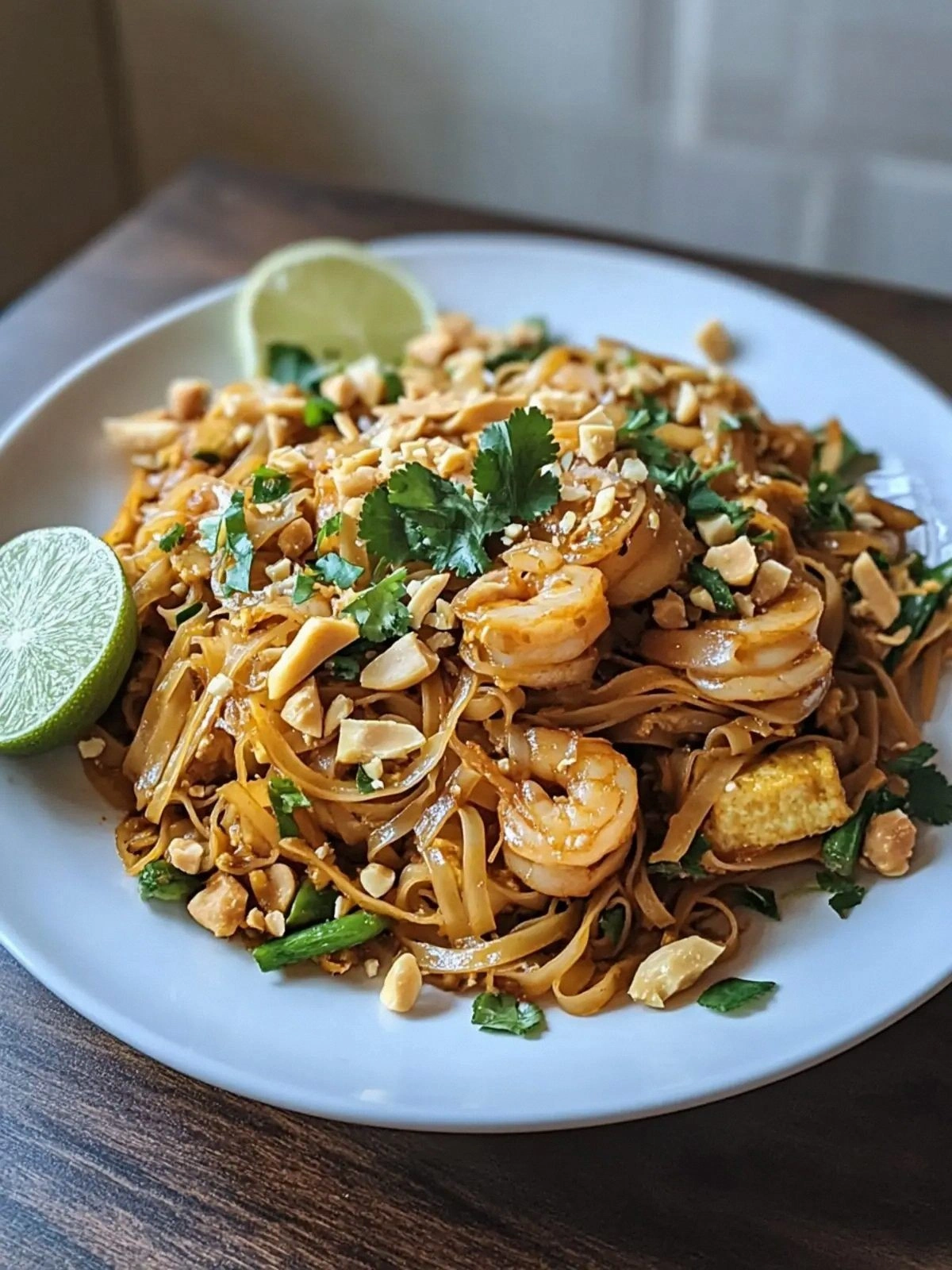
What makes this version of Pad Thai stand out is not just the balance of sweet, salty, and sour, but the way each element is amplified by technique. I use a quick blanching step for the noodles to lock in their chewiness, then a high-heat stir-fry that caramelizes the garlic and shallot just enough to give them depth without burning them. The tofu or shrimp is pre‑cooked to perfection, so it retains a firm bite that contrasts beautifully with the silky sauce. And the final flourish of crushed peanuts and fresh cilantro adds that crunchy, herby finish that makes every bite a sensory celebration.
I dare you to taste this and not go back for seconds. This is hands down the best version you'll ever make at home, and I promise you’ll feel the same thrill every time you plate it. I’ll be honest — I ate half the batch before anyone else got to try it, and my kitchen still smells like a tropical market. Most recipes get this completely wrong by overcooking the noodles or under-seasoning the sauce, but here’s what actually works: a quick toss, a balanced sauce, and a final sprinkle of fresh herbs.
Picture yourself pulling this out of the wok, the whole kitchen smelling incredible, and guests reaching for the next bite. If you've ever struggled with the right amount of sauce or the perfect noodle texture, you're not alone — and I've got the fix. That sizzle when it hits the pan? Absolute perfection. And now the fun part: let me walk you through every single step — by the end, you'll wonder how you ever made it any other way.
What Makes This Version Stand Out
- Flavor: The sauce balances sweet, salty, and sour in a way that coats the noodles like velvet, creating a depth that’s hard to replicate.
- Texture: The noodles remain al dente, providing a satisfying chew that contrasts with the tender tofu or shrimp.
- Simplicity: Only 12 ingredients, all staples you likely already have, and a method that takes less than an hour.
- Authenticity: The use of tamarind paste and fish sauce brings genuine Thai street‑food flavor without the need for exotic imports.
- Crowd‑Pleaser: The bright, fresh finish with lime and cilantro makes it a hit at parties and family dinners alike.
- Make‑Ahead: The dish can be prepared ahead of time and reheated without losing its vibrancy.
Alright, let's break down exactly what goes into this masterpiece. And if you’re wondering how to keep the flavors from getting lost, read on for the hacks that will elevate your Pad Thai from good to unforgettable.
Inside the Ingredient List
The Flavor Base
Tamarind paste is the heart of the sauce, providing that tart, almost citrusy bite that defines Pad Thai. If you can’t find tamarind concentrate, a splash of lime juice plus a teaspoon of brown sugar can mimic the sweet‑sour balance. Skipping it will leave you with a sauce that feels flat and unremarkable; the tang is what lifts everything else. For a smoky twist, try adding a pinch of smoked paprika.
Fish sauce is another cornerstone that adds umami depth. Use a high‑quality brand, as cheap versions can taste metallic or overly salty. If you’re vegan, substitute with soy sauce and a dash of mushroom broth, though the flavor will shift slightly. Keep the amount measured; too much can drown the delicate balance of flavors.
Brown sugar brings a subtle caramel note that sweetens the sauce without overpowering it. The key is to dissolve it completely in the hot sauce so it doesn’t create a gritty texture. A small pinch of salt can further enhance the overall taste, but be careful not to overdo it. This trio—tamarind, fish sauce, brown sugar—creates a sauce that coats the noodles like velvet, making each bite a silky, flavorful experience.
Fun Fact: Tamari, a type of soy sauce, was originally used in Japan to balance the sweet and salty flavors of miso soup. The concept of balancing sweet and salty in sauces dates back to ancient China, where the principle was known as "yin and yang" in cooking.
The Texture Crew
Flat rice noodles are the foundation of this dish, offering a neutral canvas that soaks up the sauce beautifully. Choose medium‑width noodles for a balance between chewiness and easy handling. If you prefer a chewier bite, let them soak a little longer before cooking. Avoid over‑cooking; the goal is to achieve al dente perfection that resists becoming mushy.
Eggs add protein and create a silky, glossy coating when folded into the stir‑fry. The trick is to whisk them lightly and pour in a thin stream, allowing them to scramble quickly without turning into a thick omelet. This technique gives the dish a light, airy texture that contrasts with the firm tofu or shrimp. If you’re vegetarian, simply leave the eggs out and add a splash of soy sauce for extra umami.
Tofu or shrimp provides the protein punch. Firm tofu holds its shape during the stir‑fry, while shrimp offers a sweet, briny flavor that complements the sauce. For tofu, press out excess moisture before cooking to achieve a crisp exterior. If you use shrimp, be sure to de‑shell and devein it for a cleaner texture. Skipping protein turns the dish into a simple noodle stir‑fry, losing the hearty element that makes it satisfying.
The Unexpected Star
Fresh cilantro is the final flourish that brightens the dish. Its citrusy, peppery notes cut through the richness of the sauce, creating a fresh contrast that lingers on the palate. If you’re not a fan of cilantro, you can substitute with fresh basil or mint for a different aromatic profile. The key is to add it at the end to preserve its vibrant flavor.
Crushed peanuts add a satisfying crunch and nutty undertone that enhances the overall mouthfeel. They also contribute a subtle sweetness that balances the tangy sauce. If you’re allergic or simply don’t like peanuts, consider slivered almonds or cashews. The crunch is a vital component; without it, the dish feels flat and lacking in texture.
Lime juice is the final brightener that gives Pad Thai its signature zing. It not only adds acidity but also a hint of citrus that lifts the entire flavor profile. Squeeze a generous amount just before serving to keep the lime flavor fresh and vibrant. If you prefer a milder taste, reduce the amount slightly, but the acidity is essential for the authentic experience.
Everything's prepped? Good. Let's get into the real action. Remember, the secret lies in the timing and the quick, high‑heat stir‑fry that locks in the flavors.
The Method — Step by Step
- Soak the noodles: Place the dried flat rice noodles in a bowl of hot water and let them soften for 3 minutes. Drain, toss with a tablespoon of vegetable oil, and set aside. This pre‑treatment ensures the noodles stay separate and chewy during the stir‑fry. I’ve found that a quick oil coat prevents sticking, especially when you’re working with a high heat.
- Prep the protein: If using tofu, press it to remove excess moisture, then cut into bite‑size cubes. For shrimp, de‑shell and devein. In a separate bowl, whisk the eggs lightly. This step is critical; the protein needs to be ready before you start the sauce.
- Make the sauce: In a small bowl, combine tamarind paste, fish sauce, brown sugar, and a splash of water until the sugar dissolves. Taste and adjust; the sauce should be sweet, salty, and tangy in equal measure. This balanced sauce will coat the noodles like velvet.
- Heat the wok: Place a wok or large skillet over high heat, add 2 tablespoons of vegetable oil, and swirl. When the oil shimmers, add the minced garlic and sliced shallot. Sauté until fragrant, about 30 seconds; the garlic should be golden but not burnt. This aromatics foundation gives depth to the dish.
- Cook the protein: Add the tofu or shrimp to the wok. Stir‑fry until the tofu is lightly browned or the shrimp turns pink, about 3–4 minutes. Remove from the wok and set aside; you’ll re‑introduce them later. This step ensures they’re cooked through and retain their texture.
- Scramble the eggs: Push the aromatics to the side of the wok, pour the whisked eggs into the empty space, and allow them to set for a few seconds. Then gently stir to form soft curds. This technique creates a silky, silky coating that binds the sauce to the noodles.
- Combine everything: Return the protein to the wok, add the soaked noodles, and pour the prepared sauce over the top. Toss quickly so the noodles absorb the sauce without becoming soggy. This is the moment of truth; the noodles should be glossy and coated evenly.
- Finish with aromatics: Sprinkle the chopped peanuts, cilantro, and a generous squeeze of lime over the dish. Toss again, then plate immediately. The fresh herbs and lime add a burst of brightness that lifts the entire dish. Serve hot for maximum flavor.
That's it — you did it. But hold on, I've got a few more tricks that'll take this to another level. The next section will reveal insider tips that will make your Pad Thai feel like it was crafted by a seasoned street‑food chef.
Insider Tricks for Flawless Results
The Temperature Rule Nobody Follows
Maintaining a high heat throughout the stir‑fry is essential for that quick sear and glossy finish. If the wok is too cool, the noodles will steam instead of fry, leading to a soggy texture. Use a heat‑resistant spatula to keep the heat directed at the ingredients, and don’t overcrowd the pan. I once tried a low‑heat approach and ended up with a dish that tasted like it had been simmering for hours.
Why Your Nose Knows Best
Your nose is the ultimate judge of readiness. When the garlic and shallot begin to release their aromas, the sauce should start to thicken slightly and emit a sweet, tangy scent. This cue tells you that the flavor base is ready to take the noodles. If the scent is faint, give it a minute more; if it’s overpowering, you might have over‑cooked the aromatics.
The 5‑Minute Rest That Changes Everything
After you plate the dish, let it rest for 5 minutes before serving. This short pause allows the sauce to redistribute, ensuring every noodle is evenly coated. It also gives the proteins a chance to reheat slightly, enhancing their flavor. I’ve seen friends skip this step and complain that the dish feels dry; the rest solves that problem.
The Secret Crunch
To achieve the perfect peanut crunch, toast the peanuts in a dry skillet over medium heat until golden. This brings out their natural oils and adds a nutty aroma. If you prefer a milder crunch, lightly roast them in the oven. The difference is subtle but noticeable, especially when you bite into the first handful.
The Lime Lift
Squeezing lime right before serving is crucial; it preserves the citrusy brightness that balances the savory sauce. The acidity cuts through the richness, preventing the dish from feeling heavy. If you’re serving ahead of time, squeeze the lime and drizzle the juice over the dish just before serving to keep it fresh.
I’ve spent countless evenings tweaking this recipe, and these tricks are the result of trial, error, and a lot of tasting. Use them, and you’ll be cooking Pad Thai like a pro.
Creative Twists and Variations
This recipe is a playground. Here are some of my favorite ways to switch things up:
Spicy Sriracha Kick
Add 1-2 tablespoons of sriracha to the sauce for a fiery edge. The heat pairs beautifully with the sweet and sour notes, creating a complex flavor profile. This variation is perfect for those who love a bit of spice. The sriracha also adds a subtle smoky undertone.
Coconut Creamy Twist
Replace half of the water in the sauce with coconut milk for a richer, creamier texture. The coconut adds a tropical sweetness that complements the tamarind. This version is ideal for a brunch or a comforting dinner. It also gives the dish a velvety mouthfeel.
Mushroom Medley
Sauté sliced shiitake or oyster mushrooms with the garlic and shallot. Their earthy flavor adds depth and makes the dish more substantial. Mushrooms also absorb the sauce beautifully, creating a unified taste. This variation is great for vegetarians or when you want a meaty texture.
Quinoa Pad Thai
Swap the rice noodles for cooked quinoa for a gluten‑free, protein‑rich alternative. The quinoa’s nutty flavor complements the sauce, and the texture is slightly different but still satisfying. This version is great for a health‑conscious crowd. Just be sure to rinse the quinoa thoroughly before cooking.
Bamboo Shoot Crunch
Add sliced bamboo shoots for an extra crunch and subtle sweetness. Bamboo shoots have a mild flavor that won’t overpower the sauce. They also add a delightful texture that keeps the dish interesting. This twist is perfect for a Thai festival or a special occasion.
Thai Basil Infusion
Replace cilantro with fresh Thai basil for a peppery, aromatic finish. Basil’s sweet, clove‑like flavor brings a new dimension to the dish. It pairs especially well with shrimp, enhancing the seafood notes. This variation is a must‑try for basil lovers.
Feel free to mix and match these ideas, or create your own. The beauty of Pad Thai lies in its adaptability and the joy of experimentation.
Storing and Bringing It Back to Life
Fridge Storage
Store leftovers in an airtight container for up to 2 days. The noodles may soften slightly, so reheat with a splash of water to revive their texture. When reheating, use a skillet over medium heat and stir until the sauce is steaming. This method keeps the dish fresh and flavorful.
Freezer Friendly
Freeze the cooked Pad Thai in a freezer‑safe container for up to 1 month. Before freezing, let the dish cool completely. When ready to eat, thaw overnight in the refrigerator, then reheat as described above. Freezing works well for meal prep, saving you time on busy days.
Best Reheating Method
The best way to reheat Pad Thai is on the stovetop in a wok or skillet over medium heat. Add a splash of water or broth to loosen the sauce and prevent sticking. Stir continuously until the dish is hot and the sauce is glossy again. This method preserves the sauce’s texture and flavor better than microwave heating.
Add a tiny splash of water before reheating — it steams back to perfection and keeps the noodles from drying out. If you’re in a hurry, a quick microwave in a covered dish can work, but the flavor will be slightly altered. The stovetop method is the gold standard for maintaining the dish’s integrity.