Picture this: I’m in a cramped kitchen, a pot of noodles boiling, a bowl of soy sauce, and the scent of fresh ginger dancing in the air. I’ve spent the last week chasing the perfect balance of sweet, salty, and umami in a noodle salad, and every attempt ended in disappointment—either the noodles were soggy, the dressing was thin, or the veggies didn’t shine. One night, a friend dared me to whip up something that would make us both say, “I dare you to taste this and not go back for seconds.” I took that dare, and what followed was a culinary revelation that I can’t keep to myself.
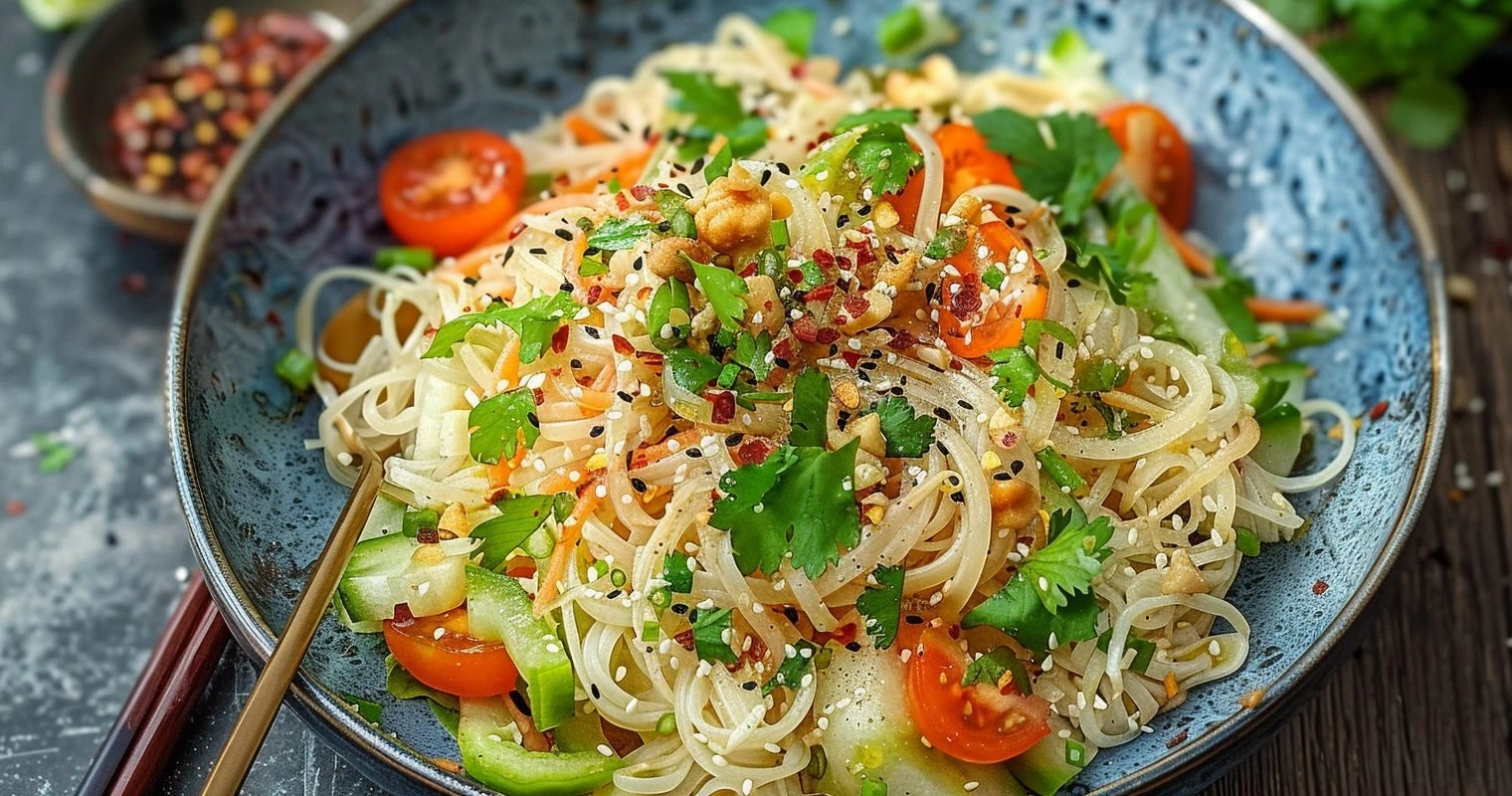
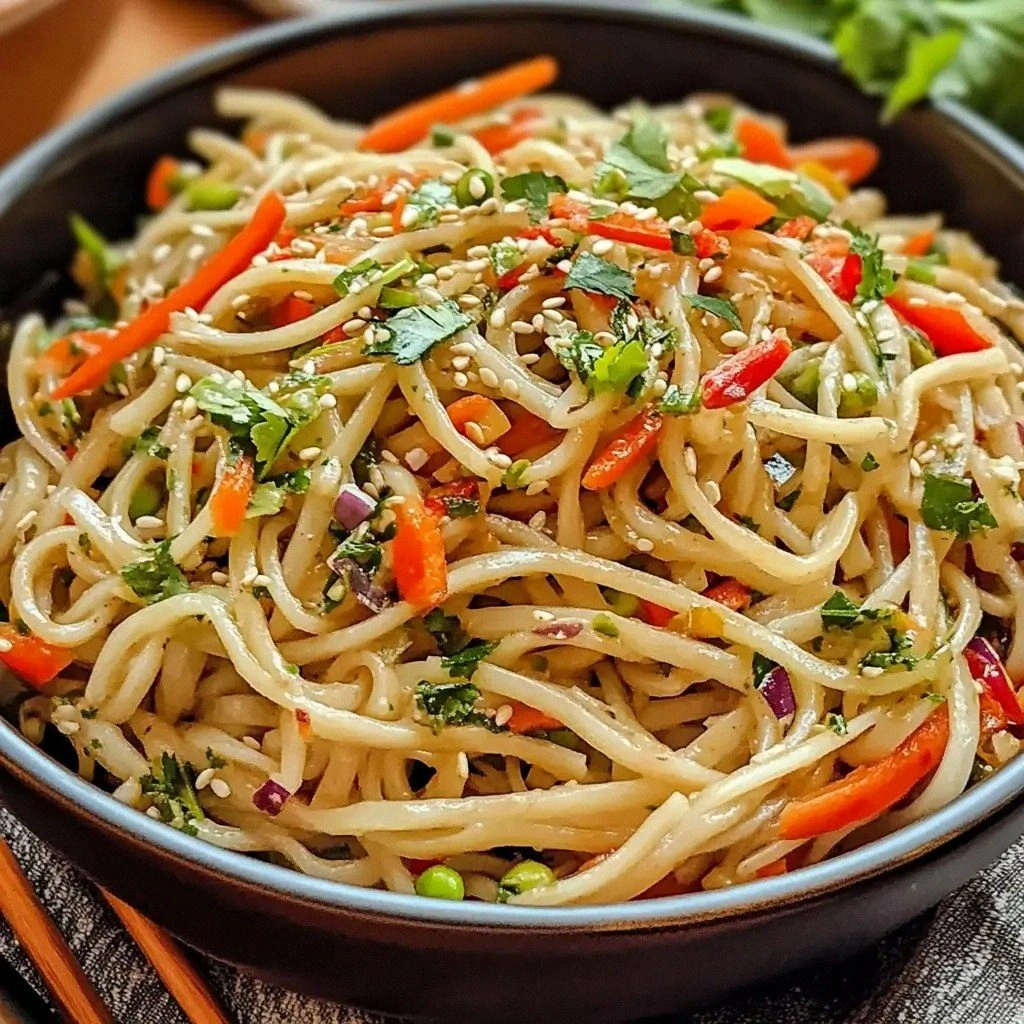
The first time I tasted this bowl, the noodles were perfectly al dente, each strand glistening with a silky, sesame-infused glaze. The crunch of carrots and cucumber was crisp as fresh snow, while the bean sprouts added a subtle earthiness that kept the dish from feeling like a salad on a plate. The dressing, a harmonious blend of soy, vinegar, honey, and a whisper of sriracha, coated every component like velvet, and the lime juice lifted the entire flavor profile to a bright, tropical finish. It was more than a dish; it was a symphony of textures and tastes that made the kitchen feel like a bustling street market.
What makes this version stand out is that it’s not just about the ingredients—it’s about the technique, the timing, and the little tricks that elevate each component. I’ve refined the method over countless trials, learning how to keep noodles from sticking, how to balance the sweet and salty, and how to add that final pop of heat without overwhelming the palate. It’s hands down the best version you’ll ever make at home, and I’m about to walk you through every single step. By the end, you’ll wonder how you ever made it any other way.
Now, before we dive into the recipe, let’s talk about what sets this dish apart from the endless list of noodle salads you’ll find online. It’s the precision of flavor, the attention to texture, and the confidence that comes from mastering a dish that can be served as a light lunch or a hearty dinner. I’ve stripped away the fluff and kept only what truly matters—so grab a notebook, because you’re going to want to remember these details.
What Makes This Version Stand Out
- Flavor: The sauce is a balanced trio of sweet, salty, and tangy, with a subtle heat that lingers. Each ingredient plays a role—soy sauce anchors the umami, honey adds a caramelized sweetness, and lime juice provides a bright, citrusy lift that keeps the dish from feeling heavy.
- Texture: From the al dente noodles to the crisp veggies, every bite delivers a satisfying contrast. The quick stir-fry keeps the noodles from becoming mushy, while the fresh cucumber and bean sprouts add a refreshing crunch.
- Simplicity: No elaborate steps or hard-to-find ingredients. The recipe uses pantry staples and a handful of fresh produce, making it a quick win for busy weeknights.
- Uniqueness: The combination of toasted sesame oil and lime juice creates a flavor profile that feels both familiar and adventurous, bridging the gap between classic Asian salad and modern fusion.
- Crowd Reaction: Friends who have tried this dish often say it’s “the first time they’ve had noodles that taste like a fresh garden.” The vibrant colors and bold flavors make it a conversation starter.
- Ingredient Quality: Using high‑quality soy sauce and fresh ginger makes a noticeable difference. The recipe thrives on the best ingredients you can find in your local market.
- Cooking Method: The quick stir‑fry technique locks in moisture and flavor, ensuring the noodles remain tender while the sauce coats them evenly.
- Make‑Ahead Potential: The salad can be prepared up to 24 hours in advance; the flavors deepen, and the noodles soften just enough to stay pleasant.
Alright, let’s break down exactly what goes into this masterpiece. The next section will walk you through the ingredient groups, what each does, and why they’re essential.
Inside the Ingredient List
The Flavor Base
The sauce is the heart of this salad. It’s a quick blend of soy sauce, rice vinegar, honey, sriracha, sesame oil, lime juice, garlic, and ginger. Each component contributes a distinct layer: soy sauce delivers depth, vinegar adds brightness, honey brings a caramelized sweetness, and sriracha provides that gentle heat. If you skip the lime, the dressing will feel flat and less vibrant. The garlic and ginger create a fragrant undertone that lingers long after the first bite.
The Texture Crew
Rice noodles are the canvas, offering a smooth, slightly chewy bite that absorbs the sauce beautifully. Shredded carrots and sliced cucumber provide crunch and color, while bean sprouts add a subtle earthy note and a delightful snap. Scallions and cilantro bring a fresh, herbaceous brightness that cuts through the richness of the sauce. Each element is chosen for its ability to contrast and complement the others, ensuring no single texture dominates.
The Unexpected Star
Chopped peanuts and toasted sesame seeds are not just garnish—they’re a flavor powerhouse. The peanuts add a nutty depth and a satisfying crunch, while the sesame seeds contribute a toasty, slightly bitter edge that balances the sweetness of the honey. If you’re vegan or prefer a nut-free version, substitute pumpkin seeds or sunflower seeds for peanuts. This swap keeps the crunch but changes the flavor profile subtly.
The Final Flourish
A squeeze of fresh lime juice right before serving brightens the entire dish, adding a zesty kick that lifts the heavier flavors. A drizzle of toasted sesame oil at the end adds a silky sheen and deepens the nutty aroma. If you like a bit more heat, a handful of chopped fresh chilies or a dash of chili oil will transform the salad into a fiery delight. Each of these finishing touches is essential for that final wow factor.
Everything's prepped? Good. Let's get into the real action. Each step is designed to maximize flavor and texture while keeping the process straightforward.
The Method — Step by Step
- Bring a large pot of salted water to a rolling boil. Add the rice noodles and cook according to the package instructions—usually 3 to 4 minutes for fresh noodles. As soon as they’re al dente, drain and rinse under cold water to halt the cooking process. This step is critical; overcooked noodles will become mushy and lose their texture.
- While the noodles cool, whisk together soy sauce, rice vinegar, honey, sriracha, sesame oil, lime juice, minced garlic, and grated ginger in a small bowl. Taste and adjust; if the sauce feels too acidic, add a pinch of sugar. The goal is a balanced, glossy dressing that coats each noodle strand.
- Heat a non‑stick skillet or wok over medium‑high heat. Toss the cooled noodles in the pan and stir-fry for 1–2 minutes, just enough to warm them through. The quick heat will give the noodles a slight caramelization on the outside while keeping them tender inside.
- Remove the noodles from the heat and immediately pour the prepared dressing over them. Toss vigorously until every strand is coated with the glossy sauce. The sauce should cling to the noodles, not pool at the bottom of the bowl.
- Add the shredded carrots, sliced cucumber, bean sprouts, scallions, and cilantro to the bowl. Toss gently to combine, ensuring the vegetables are evenly distributed but not crushed. The fresh veggies should retain their bite and bright color.
- Sprinkle chopped peanuts, toasted sesame seeds, and a final drizzle of sesame oil. Toss once more to incorporate the nuts and seeds, giving the salad a nutty crunch and a glossy finish. This step adds a layer of complexity that makes the dish feel gourmet.
- Transfer the salad to a serving bowl or divide it into individual plates. Garnish with extra cilantro, a wedge of lime, and a sprinkle of fresh chili if you like heat. Let the salad rest for about 5 minutes before serving; this allows the flavors to meld and the noodles to absorb the dressing fully.
That’s it— you did it. But hold on, I've got a few more tricks that'll take this to another level. The next section dives into insider tips that can transform an already great salad into a masterpiece.
Insider Tricks for Flawless Results
The Temperature Rule Nobody Follows
When cooking noodles, many people forget that the heat must be just right. If the pan is too hot, the noodles will brown unevenly and develop a bitter taste. If it’s too low, they’ll steam and become mushy. The trick is to keep the heat medium‑high and stir constantly. This method gives the noodles a slight char on the outside while maintaining a tender interior.
Why Your Nose Knows Best
Before you taste the dressing, hold it up to your nose. A balanced sauce will have a harmonious aroma—sweetness, saltiness, and a faint citrus note. If it smells too sharp or too sweet, adjust with a pinch of salt or a splash of rice vinegar. Your nose is a reliable guide to the dish’s final flavor.
The 5‑Minute Rest That Changes Everything
After tossing the salad, let it rest for five minutes. This brief pause allows the noodles to absorb the dressing fully, resulting in a more cohesive flavor. It also lets the vegetables release some of their moisture, preventing the salad from becoming soggy. Trust me, this small step makes a huge difference.
The Freshness Factor
Use the freshest produce you can find. Fresh carrots and cucumber have a bright, crisp texture that can’t be replicated with frozen or pre‑cut veggies. When you’re in a hurry, consider pre‑shredded carrots or pre‑sliced cucumber, but remember that these will lose some crunch over time.
The Sweet‑Salty Balance
The honey and soy sauce ratio is the secret sauce. A common mistake is to add too much honey, which can overpower the delicate flavors. Start with a tablespoon of honey and taste; then add more if needed. The goal is a subtle sweetness that enhances rather than dominates.
The Quick Stir‑Fry Technique
Stir‑frying the noodles for just a minute or two is enough to warm them and give them a slight char. This method keeps the noodles from becoming soggy and adds a depth of flavor that a simple boiling method can’t achieve. It’s a quick, efficient way to elevate the dish.
Creative Twists and Variations
This recipe is a playground. Here are some of my favorite ways to switch things up:
Protein Powerhouse
Add grilled shrimp, sliced chicken, or tofu cubes for a protein boost. The key is to cook the protein separately and then fold it into the salad at the end, so it stays tender and doesn’t soak up too much dressing.
Spicy Thai Twist
Replace the sriracha with Thai bird chili paste and add a handful of fresh cilantro leaves. The result is a fiery, aromatic salad that feels like a street‑food favorite.
Mediterranean Fusion
Swap the soy sauce for a splash of olive oil and add feta cheese, olives, and sun‑dried tomatoes. The salty, tangy elements bring a new dimension to the dish while keeping the noodle base.
Vegan Delight
Omit the peanuts and replace them with sunflower seeds. Use a vegan soy sauce and a dash of maple syrup instead of honey. This version is completely plant‑based without sacrificing flavor.
Summer Refresh
Add diced mango, sliced red bell pepper, and a sprinkle of fresh mint. The sweet mango and bright mint give the salad a tropical, summery vibe perfect for outdoor gatherings.
Fall Harvest
Incorporate roasted butternut squash, dried cranberries, and a pinch of cinnamon. This version brings warm, earthy flavors that feel cozy and comforting.
Storing and Bringing It Back to Life
Fridge Storage
Store the salad in an airtight container in the refrigerator for up to 48 hours. Keep the dressing separate until you’re ready to serve to preserve the crunch of the veggies. When ready, toss the salad with the dressing and let it sit for a few minutes before serving.
Freezer Friendly
The noodles can be frozen for up to a week, but the veggies should be added fresh when you thaw. To freeze, place the cooked noodles in a freezer bag, seal, and store. When ready to use, thaw overnight in the fridge, then add fresh veggies and dressing.
Best Reheating Method
If you need to reheat the noodles, steam them for 1–2 minutes until warm. Add a splash of water or broth to keep them from drying out. Then toss with the dressing and fresh veggies for a fresh, flavorful dish.