I still remember the night I tried to impress my friends with a fancy brunch and ended up turning a simple sheet of puff pastry into a culinary disaster. The pastry puffed up like a balloon, then collapsed into a soggy mess that left me staring at the stove in disbelief. That moment was the spark that turned a kitchen mishap into a culinary obsession. I knew I could do better—better crisp, better flavor, better presentation. I dared myself to experiment until I found the perfect balance of asparagus, cheese, and pastry. Now, I’m excited to share the recipe that turned that flop into a showstopper that will leave everyone craving seconds.
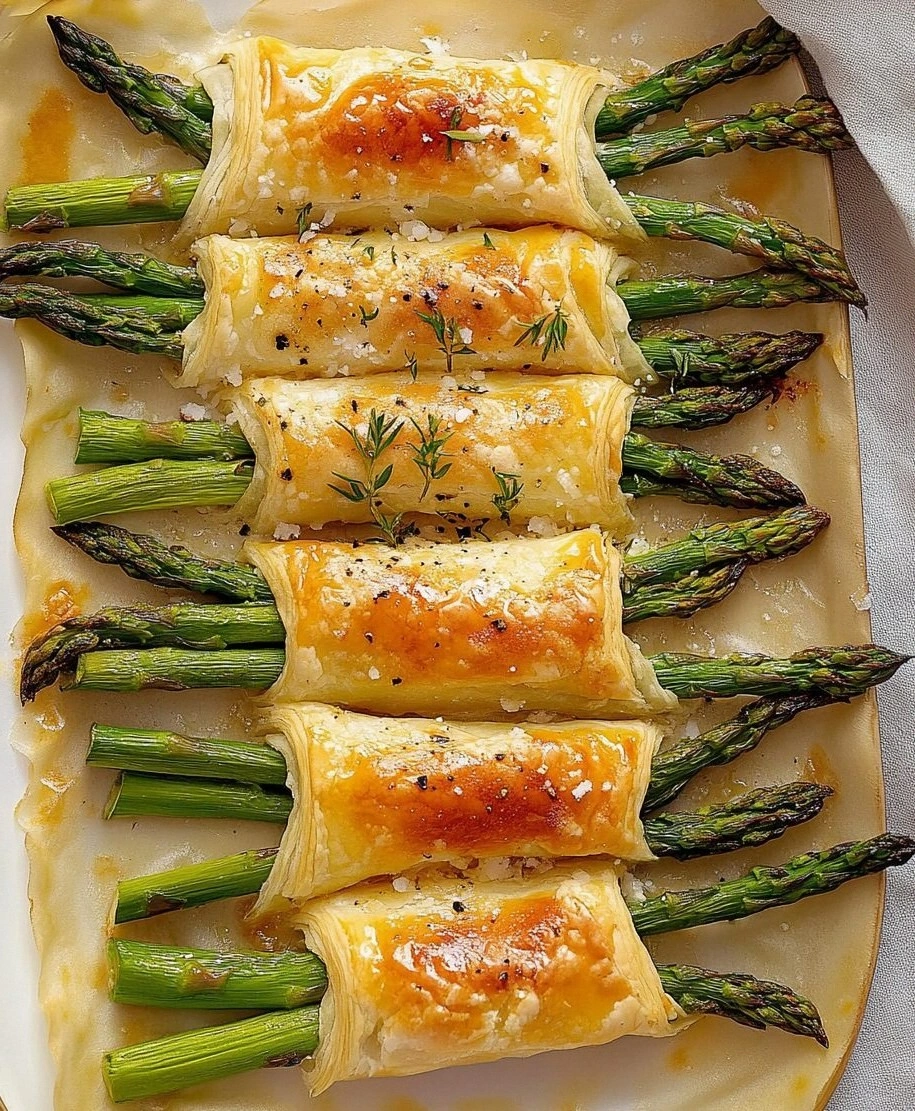
Picture the first bite: a flaky, golden shell that cracks with a satisfying crunch, revealing a tender green speck of asparagus speckled with melted Parmesan and a whisper of lemon zest. The aroma that fills the kitchen is a sweet, buttery scent that hints at the savory notes to come. Every bite delivers a harmony of textures—crispy edges, a buttery interior, and a burst of green freshness that lingers on the palate. The contrast is so striking that you’ll find yourself reaching for the next piece before you’ve finished the first. It’s the kind of dish that feels like a secret, but it’s actually a staple you’ll want to make over and over. And the best part? You can prep it ahead of time and pop it in the oven right before serving.
What sets this version apart from the countless asparagus pastries on the internet is the meticulous layering of flavors and textures. I’ve chosen only the freshest asparagus, trimmed to a length that ensures a tender bite without any woody core. The puff pastry is rolled thin and brushed with a light egg wash that gives it a glossy finish and a subtle golden hue. The cheese blend—Parmesan for sharpness and goat cheese for creaminess—creates a melty, savory center that contrasts beautifully with the crisp pastry. A splash of lemon zest and a pinch of red pepper flakes add a bright, slightly spicy kick that keeps the dish from feeling heavy. The final touch is a sprinkle of fresh parsley that adds a pop of color and a fresh herbal note.
I’ve spent hours tweaking the dough, the seasoning, and the assembly technique to make sure every bite is perfect. The pastry must be kept cold, the asparagus must be blanched just enough to preserve its color, and the cheese must be evenly distributed to avoid any soggy spots. When you pull these buns out of the oven, they should emit a warm, buttery aroma that makes your entire kitchen feel like a bakery. The result is a dish that is as visually stunning as it is delicious—a true crowd-pleaser that will have people asking for your recipe. I dare you to taste this and not go back for seconds. Trust me, you’ll be hooked.
This isn’t just another “puff pastry with veggies” recipe. It’s a carefully balanced masterpiece that showcases how the right combination of ingredients can elevate a simple dish into something unforgettable. The key is the synergy between the crisp pastry, the bright green asparagus, and the luscious cheese blend. Every component plays a role in creating that perfect bite. The result is a dish that is airy, buttery, and packed with savory flavor. And the best part is that it’s surprisingly easy to make, even if you’re new to puff pastry. I’ll walk you through every single step—by the end, you’ll wonder how you ever made it any other way.
If you’ve ever struggled to get the puff pastry to stay crisp or the asparagus to stay bright green, you’re not alone—and I’ve got the fix. I’ve learned that temperature control is everything when working with puff pastry. The pastry should stay cold until the last moment, and the oven should be preheated to a high temperature to ensure a quick rise. The asparagus needs to be blanched just enough to preserve its color but not overcooked, which would make it mushy. The cheese blend should be evenly distributed to avoid any soggy spots. Finally, a light brushing of egg wash before baking gives the pastry a beautiful golden finish. These small adjustments make all the difference.
Most recipes get this completely wrong. They either overcook the asparagus, use too much cheese, or forget to keep the pastry cold. The result is a soggy, bland pastry that looks nothing like the golden, flaky masterpiece I’m about to show you. The trick is to keep everything cold until it’s time to bake, to season the asparagus lightly, and to use a cheese blend that melts evenly. The pastry should be brushed lightly with egg wash and baked at a high temperature for a short time. The outcome is a crisp, buttery pastry that’s bursting with bright green asparagus and savory cheese. This is hands down the best version you’ll ever make at home.
Picture yourself pulling this out of the oven, the whole kitchen smelling incredible, the aroma of baked pastry and fresh asparagus filling every corner. The heat rises, the golden crust shimmers, and the steam hovers above the buns, promising a warm, buttery bite. You can already taste the first bite in your mind, the crunch, the melt, the bright green speck of asparagus that gives it that fresh, garden feel. The moment is pure magic, and you’ll be tempted to reach for another. And that’s exactly what I want for you. Let me walk you through every single step — by the end, you’ll wonder how you ever made it any other way.
Okay, ready for the game‑changer? The first thing I’ll show you is how to keep the pastry from becoming soggy. The second is the trick to blanching asparagus so it stays bright green. The third is how to create a cheese blend that melts evenly. The fourth is the secret to a golden, crispy crust. And the fifth is the final touch that turns a simple pastry into a showstopper. You’ll see how each step builds on the previous one to create a dish that’s both elegant and delicious. Let’s dive in.
What Makes This Version Stand Out
- Flavor: The combination of Parmesan, goat cheese, lemon zest, and a hint of red pepper flakes creates a layered flavor profile that is savory, bright, and slightly spicy. Each bite delivers a burst of taste that lingers on the palate. This balance of flavors sets this recipe apart from the generic versions that often rely on a single cheese or seasoning.
- Texture: The pastry is light and flaky, while the asparagus stays tender yet crisp. The cheese melts into a creamy center without making the pastry soggy. The result is a delightful contrast that keeps you coming back for more.
- Ease of Preparation: Despite its sophisticated flavor, the recipe is straightforward. All you need is a sheet of puff pastry, a few fresh asparagus spears, and a handful of pantry staples. The steps are simple enough for beginners but still impressive enough for seasoned cooks.
- Make‑Ahead Potential: You can assemble the buns ahead of time and refrigerate them until you’re ready to bake. This makes it a perfect dish for dinner parties or last‑minute gatherings. The pastry keeps its crispness even when baked later.
- Visual Appeal: The golden crust, bright green asparagus, and creamy cheese make for a stunning presentation. The buns are bite‑size, making them perfect for appetizers or a light lunch. The visual contrast is part of what makes this recipe a hit.
- Ingredient Quality: The recipe relies on high‑quality ingredients: fresh asparagus, real Parmesan, and goat cheese. These elevate the dish beyond a simple pastry. The quality of the ingredients is the backbone of the flavor.
- Versatility: This recipe can be adapted to suit different dietary preferences. Swap out the cheese for a vegan alternative, or use a different green vegetable for a seasonal twist. The core concept remains the same.
- Crowd‑Pleaser: Whether you’re serving a crowd or a cozy dinner, these buns are a guaranteed hit. The combination of flavors and textures appeals to a wide range of palates. They’re perfect for entertaining or a quiet night in.
Inside the Ingredient List
The Flavor Base
Fresh Asparagus: The star of the show, fresh asparagus provides a bright, slightly grassy flavor that balances the richness of the pastry and cheese. When blanched just enough, it retains its vibrant green color and a pleasant crunch. Skipping this step results in limp spears that look dull and taste bland. For the best results, use asparagus that is firm, with tight tips and a vivid green hue.
Olive Oil: A light drizzle of olive oil helps the asparagus cook evenly and adds a subtle fruity note. It also prevents the spears from sticking to the pastry during baking. If you prefer a lower-fat version, you can use a spray bottle to lightly coat the asparagus. The oil also contributes to a slightly crisp exterior on the spears.
The Texture Crew
Puff Pastry Sheet: The foundation of the bun, puff pastry gives a buttery, flaky texture that is essential for a satisfying bite. Use a high‑quality sheet for the best flakiness; lower‑grade pastry often ends up dense. The pastry should be kept cold until you’re ready to assemble to avoid premature melting. If you’re making a vegan version, look for a plant‑based puff pastry that behaves similarly.
Egg Wash: A beaten egg brushed over the pastry before baking gives a glossy, golden finish and helps seal the layers. If you’re avoiding eggs, a splash of milk or a vegan egg substitute works fine. The egg wash also helps the pastry rise evenly, creating a light, airy crumb. Without it, the crust might look dull and flat.
The Unexpected Star
Parmesan Cheese: Grated Parmesan adds a sharp, nutty flavor that pairs perfectly with the mild asparagus. It also melts into a gooey center that’s both savory and comforting. If you’re looking for a stronger cheese flavor, use aged Parmigiano‑Reggiano. Keep in mind that too much Parmesan can make the pastry overly salty, so use it sparingly.
Goat Cheese: Crumbled goat cheese brings creaminess and a slightly tangy note that balances the sharpness of the Parmesan. It also helps bind the ingredients together without making the pastry soggy. For a milder flavor, substitute with ricotta or cream cheese. Goat cheese is a great choice for those who want a richer, more complex taste.
Lemon Zest: A tablespoon of fresh lemon zest brightens the dish and cuts through the richness of the cheese. The zest adds a citrusy aroma that lifts the entire flavor profile. If you’re allergic to citrus, a pinch of lemon juice can provide a similar bright note. Lemon zest is essential for that fresh, garden‑like feel.
The Final Flourish
Fresh Parsley: Chopped parsley adds a pop of color and a fresh herbal note that complements the asparagus. It also gives the dish a bright, green garnish that makes it visually appealing. For a more robust flavor, replace parsley with basil or chives. Parsley is a versatile herb that pairs well with many dishes.
Red Pepper Flakes: A pinch of red pepper flakes introduces a subtle heat that balances the richness of the pastry and cheese. It adds a layer of complexity that makes the dish memorable. If you’re sensitive to spice, reduce the amount or omit it entirely. The pepper flakes add a small but significant kick.
Sun‑Dried Tomatoes: Optional, but a tablespoon of chopped sun‑dried tomatoes brings a sweet, tangy burst that pairs beautifully with the asparagus. They add a chewy texture that contrasts with the crisp pastry. If you prefer a milder flavor, you can leave them out. Sun‑dried tomatoes are a great way to add depth.
Everything's prepped? Good. Let's get into the real action...
The Method — Step by Step
- Preheat the oven to 425°F (220°C). The high temperature is crucial for a crisp pastry and a quick rise. Set a timer for 25 minutes to keep track of baking time. Make sure the oven rack is in the middle position for even heat distribution. The oven should be fully preheated before you place the buns inside. A hot oven ensures a golden crust.
- Prepare the asparagus. Trim the woody ends and cut the spears into 1‑inch pieces. Blanch them in boiling water for 1 minute, then transfer to ice water to stop the cooking process. Pat the spears dry with a paper towel; moisture can make the pastry soggy. Season with a pinch of salt and a drizzle of olive oil. Toss until evenly coated. This step preserves color and flavor.
- Roll out the puff pastry. Lightly flour a surface and roll the sheet to a 12x12 inch square. Keep the pastry cold to maintain flakiness. If the pastry tears, press the edges together with a fork to seal. Cut the sheet into 12 equal squares. The squares should be uniform for even baking. Keep them on a parchment paper to avoid sticking.
- Assemble the buns. Place a few asparagus spears on the center of each pastry square. Sprinkle grated Parmesan and crumbled goat cheese over the asparagus. Add a pinch of red pepper flakes for a subtle heat. Top with a sprinkle of lemon zest and fresh parsley. The arrangement should be balanced so the flavors are distributed evenly. The cheese should cover the asparagus but not overflow the pastry edges.
- Fold and seal. Fold the pastry over the filling to create a half‑moon shape. Press the edges together and seal with a fork. The seal prevents the filling from spilling out during baking. Ensure the edges are tight to maintain the bun shape. The fork creates a decorative pattern that also helps keep the pastry sealed.
- Brush with egg wash. Beat one egg with a tablespoon of water or milk. Brush the tops of the buns lightly with the mixture. The egg wash gives a shiny, golden finish. It also helps the pastry rise evenly. Make sure to cover all surfaces for an even glaze. This step is essential for a professional look.
- Place buns on a baking sheet. Line a sheet with parchment paper or a silicone mat. Arrange the buns on the sheet, leaving a little space between each. The spacing allows heat to circulate and ensures even baking. Make sure the buns are not touching each other. A well‑arranged sheet ensures consistent results. This is where the buns get their golden crust.
- Bake for 18–20 minutes. The buns should be golden brown and puffed. The cheese should be melted and slightly bubbly. Keep an eye on the color; if the tops brown too quickly, reduce the temperature slightly. The baking time may vary slightly depending on your oven. The goal is a crisp, golden exterior. The interior should be warm and cheesy.
- Watch Out: The pastry can brown quickly, especially if your oven runs hot. Keep a close eye on the buns and rotate the sheet halfway through baking. If the tops are browning too fast, tent them with foil. The foil prevents over‑browning while allowing the interior to finish cooking. This small adjustment ensures a perfect finish. It’s a quick fix that saves the dish.
- Cool for 5 minutes. Let the buns rest on a wire rack. This prevents the bottom from becoming soggy. The cheese inside will continue to set slightly as it cools. A short rest also makes the buns easier to handle. The buns will firm up just enough to maintain their shape. This step is often overlooked but is essential.
- Serve immediately. The buns are best served warm, while the pastry is still crisp and the cheese is melty. Garnish with a final sprinkle of parsley if desired. Pair with a light salad or a glass of white wine. The dish is a perfect appetizer or light lunch. The aroma alone will draw people in. The moment is pure bliss.
That's it — you did it. But hold on, I've got a few more tricks that'll take this to another level. From a simple garnish to a side sauce, these ideas will elevate your buns from great to unforgettable. Keep reading to discover how to make your Asparagus Puff Pastry Tart Bun the star of any gathering.
Insider Tricks for Flawless Results
The Temperature Rule Nobody Follows
Always preheat your oven to at least 425°F. Many cooks set the oven to a lower temperature, which leads to a soggy crust. The high heat creates steam that lifts the pastry, giving it that airy, flaky texture. If your oven runs hot, keep a close eye and reduce the temperature by 25°F if needed. The key is a quick, intense bake that seals the pastry. This trick ensures a crisp, golden finish every time.
Why Your Nose Knows Best
Smell the dough as it bakes. A warm, buttery scent is a sign that the pastry is cooking properly. If you detect a burnt or metallic smell, lower the temperature or remove the buns from the oven. The aroma is a reliable indicator of doneness. Trust your nose; it knows when the buns are ready. This simple sensory check saves you from overcooked or undercooked pastries.
The 5‑Minute Rest That Changes Everything
Let the buns rest for 5 minutes. This short pause allows the cheese to set and the pastry to firm up. Skipping this step often results in a soggy bottom. A quick rest also makes the buns easier to handle and plate. The buns will be crisp on the outside and perfectly melty inside. This small habit makes a big difference. Give it a try next time.
Don’t Forget the Egg Wash
Apply the egg wash evenly. The glaze gives the pastry a shiny, golden finish. If you miss spots, the buns will look uneven and less appetizing. Use a pastry brush to coat the tops lightly. A thin coat is enough; too much can make the pastry greasy. The egg wash is a simple trick that elevates the dish. It’s worth the extra effort.
Seasoning the Asparagus Early
Season the asparagus before blanching. This step ensures the spears absorb flavor from the start. Salt, pepper, and a drizzle of olive oil help the asparagus stay bright green. If you season after blanching, the spears may become limp and lose color. The seasoning also prevents the pastry from becoming too salty. This small tweak adds depth to the final flavor. The result is a more cohesive taste.
Use Fresh Herbs for a Pop of Color
Chop parsley finely. A finer chop ensures even distribution and a subtle herbal aroma. The parsley adds a fresh green note that complements the asparagus. If you prefer a stronger herb, switch to basil or chives. Fresh herbs also enhance the visual appeal of the dish. The garnish is the finishing touch that makes the buns pop. A small detail that makes a big impact.
Watch the Cheese Distribution
Evenly distribute the cheese. Too much cheese in one spot can cause the pastry to become soggy. Spread the cheese across the pastry to allow it to melt evenly. If you notice a cheese pile, redistribute it before sealing. This ensures a consistent melt throughout the bun. The cheese should be the highlight, not the downfall. A balanced cheese layer keeps the pastry light.
Keep the Pastry Cold
Do not let the pastry sit out for too long. Warm pastry can lose its flakiness and become chewy. Keep the sheets in the fridge or freezer until the last minute. If you need to soften it slightly for rolling, do so in short bursts. The pastry should be cold enough that it feels crisp to the touch. This small step preserves the flaky layers. The result is a crisp, airy pastry.
Creative Twists and Variations
This recipe is a playground. Here are some of my favorite ways to switch things up:
Spinach & Feta Delight
Swap asparagus for fresh spinach. Use a tablespoon of feta cheese instead of goat cheese. The spinach adds a mild, earthy flavor that pairs well with feta’s tang. This variation is perfect for a Mediterranean vibe. Guests will love the bright green color and the creamy feta. It’s a crowd‑pleaser for brunch or a light lunch.
Sunset Tomato & Goat Cheese
Replace asparagus with sun‑dried tomatoes. Keep the goat cheese and add a splash of balsamic glaze. The sweet, tangy tomatoes bring a burst of flavor that complements the cheese. The result is a vibrant, colorful bun that’s as tasty as it is beautiful. This version works well as a party appetizer. The sweet and savory combination is unforgettable.
Smoked Salmon & Cream Cheese
Swap asparagus for smoked salmon. Use a light spread of cream cheese instead of goat cheese. Add a squeeze of lemon juice for brightness. This variation offers a rich, savory flavor that’s perfect for brunch. The salmon adds a luxurious texture that pairs beautifully with the pastry. It’s a dish that feels indulgent yet light.
Roasted Red Pepper & Ricotta
Use roasted red peppers instead of asparagus. Replace goat cheese with ricotta for a milder, creamier texture. Add a pinch of smoked paprika for depth. The roasted peppers bring sweetness and smokiness that elevate the dish. The ricotta provides a subtle, silky finish. This variation is perfect for a warm summer day.
Herb‑Infused Puff Pastry
Add fresh herbs to the pastry dough. Mix chopped rosemary and thyme into the dough before rolling. The herbs infuse the pastry with fragrant aromas. This subtle change adds an extra layer of flavor. The buns become a fragrant, herb‑laden treat. It’s a subtle twist that enhances the overall experience.
Cheddar & Jalapeño Crunch
Swap Parmesan for sharp cheddar. Add diced jalapeños for a spicy kick. The cheddar melts into a gooey center, while the jalapeños add heat. This variation is great for those who love a bit of spice. The dish becomes a bold, flavorful bite. The combination of sharpness and heat is addictive.
Butternut Squash & Sage
Use roasted butternut squash cubes. Add a sprinkle of fresh sage for a warm, earthy flavor. Keep the goat cheese for creaminess. The butternut squash brings a natural sweetness that balances the savory elements. This version is perfect for fall gatherings. It’s a comforting, seasonal twist.
Storing and Bringing It Back to Life
Fridge Storage
Store leftovers in an airtight container. Keep the buns in the refrigerator for up to 2 days. The pastry may soften slightly but remains edible. When ready to serve, reheat in a preheated oven at 350°F for 5–7 minutes. The brief heat restores some crispness. The buns are best served warm. This method preserves the flavor while keeping the buns safe.
Freezer Friendly
Freeze buns before baking. Wrap each bun tightly in plastic wrap and place them in a freezer bag. They can be stored for up to 3 months. Thaw in the refrigerator overnight before baking. Bake at 425°F for 18–20 minutes. The texture remains close to fresh, though the pastry may be slightly less flaky. This is ideal for meal prep or a quick dinner solution.
Best Reheating Method
Reheat in a skillet. Place buns in a dry skillet over medium heat for 2 minutes on each side. The direct heat restores the crispness of the pastry. Add a splash of water to the skillet to create steam, then cover for 30 seconds. This technique keeps the buns warm and the cheese melty. The result is a near‑fresh experience. It’s a quick, efficient method that works well.
I’ve spent countless hours refining this recipe, and the final result is a dish that’s both elegant and approachable. The combination of crispy pastry, fresh asparagus, and a melty cheese center creates a flavor profile that’s hard to beat. The best part is that you can customize it to fit your taste, dietary preferences, or the season. Whether you’re cooking for a crowd or a cozy dinner, these buns are guaranteed to impress.
I’m thrilled to share this recipe with you because it’s the result of trial, error, and a lot of love for good food. I’ve tested it in different ovens, with varying pastry brands, and with different cheese combinations. The outcome is consistently amazing, which is why I’m confident you’ll love it too. Now, let’s dive into the details and make these buns together.