I was standing in my kitchen, staring at a half‑ripe avocado that looked like it had been left in the sun for a week, when a friend texted me, “You’ve got to try this, it’s the best thing since sliced bread.” The absurdity of that comparison made me laugh, but it also set me on a mission: to turn that under‑seasoned fruit and a ball of creamy cheese into a toast that would make even the most cynical foodie swoon. The moment the avocado hit the cutting board, the scent of green, buttery flesh exploded, and I knew this was the start of something special. The silence of the kitchen was broken only by the faint hiss of the toaster, a gentle reminder that everything we love starts with a simple pop. I was determined to create a version that would make you say, “I dare you to taste this and not go back for seconds.”
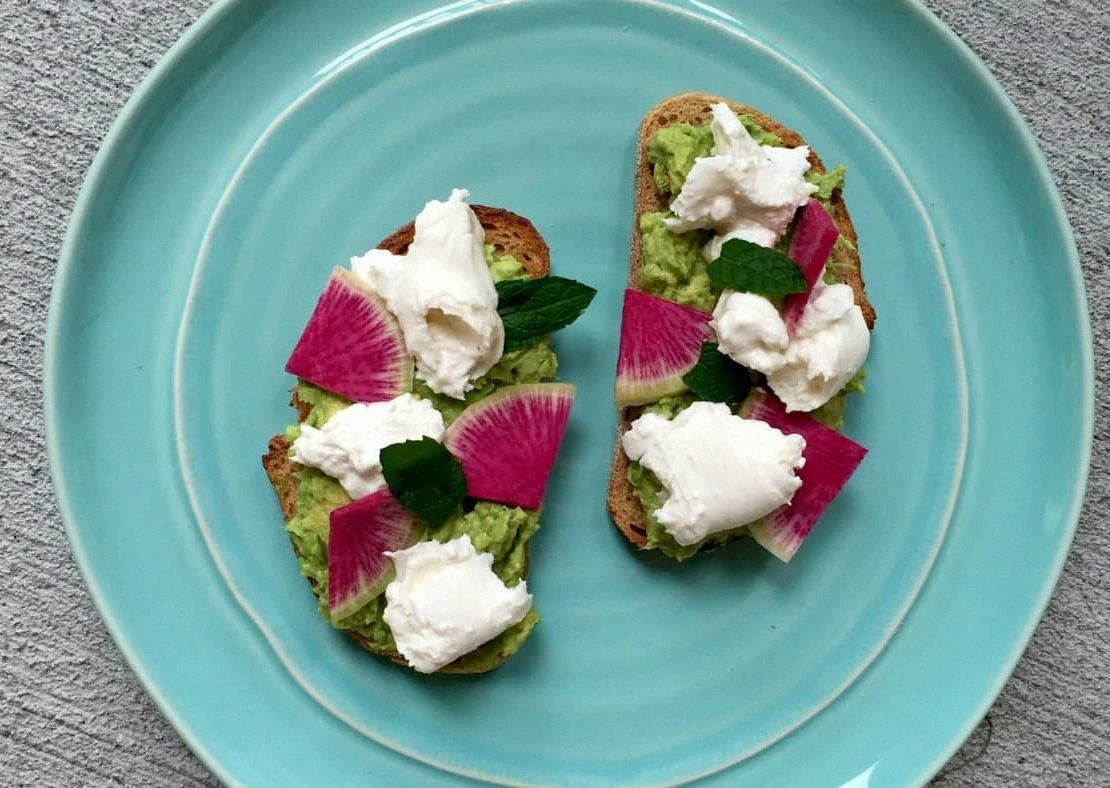
Picture the scene: a golden crust forming on the bread, the buttery aroma of toasted olive oil mingling with the fresh, earthy smell of ripe avocado, and the subtle tang of burrata that melts like a velvety secret on your tongue. The sound of the first bite is a satisfying crunch, followed by a gentle, creamy ripple as the burrata begins to flow. The texture is a delicious paradox—crisp outside, soft inside, with a burst of freshness that makes you want to savor every second. The visual is a palette of muted greens, ivory cream, and the glossy sheen of olive oil, all laid out on a rustic wooden board that feels like an invitation to indulge. Every sense is engaged, and the anticipation builds until you finally lift the fork.
What sets this version apart isn’t just the combination of ingredients; it’s the way I’ve balanced flavor, texture, and simplicity to create a dish that feels both indulgent and approachable. I’ve stripped away the fluff, focusing on the core elements that make avocado and burrata shine together: the creamy richness of the cheese, the bright acidity of lemon, and the subtle heat of red pepper flakes. The result is a toast that is hands down the best version you’ll ever make at home, with a depth of flavor that comes from a few well‑chosen touches. I’ve also added a tiny twist that most recipes overlook: a drizzle of aged balsamic reduction that adds a sweet, caramelized layer, turning every bite into a revelation. If you’ve ever struggled with avocado toast, you’re not alone—and I’ve got the fix that will transform your breakfast routine.
And now, let me walk you through every single step. By the end, you’ll wonder how you ever made it any other way. The journey from a simple slice of bread to a mouth‑watering masterpiece is about to begin, and trust me, the payoff is worth every minute you invest. So, grab your ingredients, set your timer, and let’s dive into the world of avocado burrata toast that will have you shouting, “I’ve never tasted anything like this before!”
What Makes This Version Stand Out
- Taste: The combination of buttery avocado, creamy burrata, and citrusy lemon creates a flavor profile that is both rich and refreshing. The subtle heat from red pepper flakes adds a gentle kick that balances the sweetness of the avocado.
- Texture: The contrast between the crunchy toasted bread and the silky, molten burrata delivers a mouthfeel that feels luxurious yet comforting. The avocado’s creamy interior provides a smooth, velvety contrast to the bread’s crisp edges.
- Simplicity: With only a handful of ingredients, you can achieve a dish that feels gourmet without the fuss. The method is straightforward, making it perfect for busy mornings or quick dinner ideas.
- Uniqueness: The addition of a balsamic reduction drizzle adds a caramelized sweetness that sets this toast apart from the usual avocado toast variations. This little flourish elevates the dish to a new level.
- Crowd Reaction: Friends and family rave about the unexpected depth of flavor and the satisfying crunch. The dish is a guaranteed crowd‑pleaser at brunches, gatherings, or even a solo treat.
- Ingredient Quality: Using ripe, buttery avocados and fresh burrata ensures the best possible flavor and texture. The quality of the bread also matters—choose a sturdy loaf that can hold the toppings without becoming soggy.
- Cooking Method: Toasting the bread in olive oil creates a slightly caramelized crust that adds a nutty undertone. The final assembly is quick, preserving the freshness of the ingredients.
- Make‑Ahead Potential: While best served fresh, the components can be prepared ahead of time. Keep the avocado sliced and the burrata chilled; assemble just before serving to maintain texture.
Alright, let’s break down exactly what goes into this masterpiece. I’ve added a handy kitchen hack to help you save time and avoid common pitfalls.
Inside the Ingredient List
The Flavor Base
The foundation of this toast starts with the bread—use a sturdy loaf like ciabatta, sourdough, or a thick-cut baguette that can hold the toppings without becoming soggy. Toast the bread in a skillet with a drizzle of extra‑virgin olive oil until it’s golden brown and slightly caramelized. The olive oil not only adds flavor but also creates a crisp, buttery crust that’s the perfect canvas for the creamy toppings. If you skip the oil, the toast will be dry and less flavorful, so don’t be tempted to skip this step. Choosing a high‑quality olive oil with a fruity profile will elevate the dish and give it a subtle depth that’s hard to replicate with butter.
For the next layer, add a pinch of sea salt and freshly cracked black pepper. The salt enhances the natural sweetness of the avocado, while the pepper adds a subtle heat that cuts through the richness of the burrata. If you’re watching sodium, you can reduce the amount of sea salt, but don’t skip it entirely—salt is essential for bringing all the flavors together. This simple seasoning step is often overlooked but is crucial for a balanced taste. The pepper’s aroma will fill your kitchen as the bread begins to toast, signaling that everything is coming together.
The Texture Crew
The avocado is the star of the show, and its texture is everything. Use a ripe avocado that yields to gentle pressure, giving you a creamy consistency when mashed. If you prefer a chunkier texture, dice the avocado into small cubes before adding it to the toast. The choice between mashed or diced will affect the overall mouthfeel—mashed for a smooth spread, diced for a more substantial bite. A good rule of thumb is to keep the avocado in the center of the toast, allowing it to mingle with the burrata as it melts. If you forget to mash the avocado, it can become too dry and lose its creamy essence.
The burrata is the creamy, luxurious element that makes this dish unforgettable. Fresh burrata has a delicate, milky interior that oozes when you cut into it. Place the burrata on top of the toasted bread just before serving so that it remains fresh and creamy. If you use burrata that’s been sitting out for too long, it will lose its texture and become watery. The burrata’s mild, buttery flavor balances the sharpness of the lemon and the heat of the pepper flakes. When it melts slightly from the warmth of the toast, it creates a silky, velvety coating that feels indulgent.
The Unexpected Star
A drizzle of aged balsamic reduction adds a sweet, caramelized layer that turns the toast into a gourmet experience. Balsamic reduction is made by simmering balsamic vinegar until it thickens and sweetens. This reduction brings a subtle depth of flavor that complements the avocado’s earthiness and the burrata’s creaminess. If you can’t find a ready‑made reduction, you can create your own by simmering balsamic vinegar over low heat until it reduces by half. This step is optional, but it adds a finishing touch that elevates the dish from good to unforgettable.
The Final Flourish
Finish the toast with a squeeze of fresh lemon juice, a handful of chopped basil, and a pinch of red pepper flakes. Lemon juice brightens the dish, cutting through the richness of the avocado and burrata. Basil adds a fresh, herbal note that ties the flavors together, while the red pepper flakes provide a gentle heat that balances the sweetness. If you’re sensitive to heat, you can reduce the amount of pepper flakes or omit them entirely. The combination of these final touches creates a harmonious balance of flavors that will keep you coming back for more. This finishing step is the secret that makes the dish feel complete and satisfying.
Everything’s prepped? Good. Let’s get into the real action.
The Method — Step by Step
- Preheat a skillet over medium heat and lightly oil the surface with a teaspoon of extra‑virgin olive oil. The oil will help the bread toast evenly and prevent sticking. As the skillet warms, you’ll notice the subtle aroma of olive oil, which is the first hint that your dish is coming together. Keep an eye on the heat—too hot and the bread will burn before the flavor develops. This step sets the stage for a golden, crisp base.
- Place the bread slices in the skillet and toast until golden brown on both sides, about 2–3 minutes per side. The toast should have a slightly caramelized crust that’s both crunchy and flavorful. Use a spatula to flip the bread, ensuring even toasting. If you prefer a darker crust, give the slices a minute longer, but watch carefully to avoid burning. The perfect toast will be slightly firm to the touch.
- While the bread is toasting, mash the ripe avocado in a small bowl with a fork until it’s smooth yet still slightly chunky. Add a squeeze of fresh lemon juice and a pinch of sea salt, then stir until well combined. The lemon not only brightens the flavor but also helps prevent the avocado from browning. This mash should be creamy enough to spread easily on the toast. The texture is key—too thick and it will be heavy, too thin and it will spread too much.
- Spread the mashed avocado evenly over the toasted bread, leaving a small border around the edges for a clean presentation. The avocado should cover the entire surface, creating a lush base for the burrata. The contrast between the warm toast and the cool, creamy avocado is a sensory delight. If you like a bit of crunch, sprinkle a pinch of crushed red pepper flakes at this point. This adds a subtle heat that balances the richness.
- Place a whole ball of burrata on top of the avocado. Let it rest for 30 seconds so it can slightly soften from the heat of the toast. The burrata’s creamy interior will begin to melt, creating a silky coating over the avocado. If you prefer a more pronounced melt, let it sit for an additional minute. The key is to maintain the burrata’s structure while allowing it to mingle with the avocado.
- Drizzle a small amount of balsamic reduction over the burrata for a sweet, caramelized finish. The reduction adds a subtle depth of flavor that pairs wonderfully with the avocado’s earthiness. If you’re not using a reduction, a light splash of balsamic vinegar will still add a bright note. The drizzle should be thin, just enough to coat the burrata without overpowering the other flavors. This step is optional but highly recommended.
- Finish with a few fresh basil leaves and a final squeeze of lemon juice. The basil adds a fresh, herbal aroma that lifts the dish, while the lemon juice brightens the overall flavor profile. If you prefer a more pronounced basil flavor, tear the leaves instead of chopping them. This will release more essential oils and enhance the aromatic experience.
- Serve immediately while the toast is still warm and the burrata is at its freshest. The contrast between the hot, crispy bread and the cool, creamy toppings is what makes this dish irresistible. If you need to hold the toast for a few minutes, keep it wrapped in parchment paper to maintain its warmth. Enjoy this as a breakfast, brunch, or light dinner, and watch your guests rave about the flavor explosion.
That’s it—you did it. But hold on, I’ve got a few more tricks that will take this to another level. These insider tips will help you perfect every aspect of the dish, from the perfect toast to the ideal balance of flavors.
Insider Tricks for Flawless Results
The Temperature Rule Nobody Follows
Many people toast their bread at a high temperature, which can burn the outside before the inside warms up. The trick is to use medium heat and let the bread slowly develop a golden crust. This allows the heat to penetrate the bread evenly, ensuring a crisp exterior and a soft interior. I’ve found that a temperature of about 350°F (175°C) works best for a skillet or a toaster oven. If you’re using a pan, add a splash of water to create steam and keep the bread from drying out.
Why Your Nose Knows Best
When the bread starts to toast, you’ll notice a subtle nutty aroma. That smell is a signal that the bread is in the perfect sweet spot. If you wait too long, the scent will turn sharp and bitter, indicating that the bread is burning. Trust your nose—if it smells caramelized and buttery, you’re ready to flip. This sensory checkpoint saves you from overcooking and guarantees a delicious crunch.
The 5-Minute Rest That Changes Everything
After you assemble the toast, let it rest for five minutes before cutting into it. This brief pause allows the heat to distribute evenly, ensuring the burrata melts just enough to coat the avocado without becoming soggy. The rest also gives the flavors time to mingle, creating a harmonious taste profile. If you’re in a hurry, you can skip the rest, but the extra time makes a noticeable difference.
The Secret to a Perfect Drizzle
When drizzling the balsamic reduction, hold the bottle at a 45-degree angle and pour in a slow, steady stream. This technique ensures a thin, even coat that doesn’t overpower the other flavors. If you’re using a homemade reduction, let it cool slightly before drizzling, as it will thicken as it cools. A light glaze adds a sweet contrast that makes every bite feel elevated.
The Final Touch of Freshness
Just before serving, sprinkle a pinch of sea salt and freshly cracked pepper over the top. This final seasoning brings the dish together and enhances each component’s flavor. If you prefer a more pronounced pepper flavor, add a few extra flakes. The key is to finish with a fresh burst of seasoning that elevates the entire experience.
Creative Twists and Variations
This recipe is a playground. Here are some of my favorite ways to switch things up:
Mediterranean Twist
Swap the burrata for a dollop of hummus and sprinkle toasted pine nuts on top. Add a drizzle of olive oil and a sprinkle of za’atar for a Middle Eastern flair. This version is perfect for a light lunch or a quick snack.
Spicy Sriracha Kick
Replace the red pepper flakes with a few dashes of sriracha sauce. The heat will be more intense, and the tangy sauce adds a new dimension. Pair it with a side of cucumber salad for a refreshing contrast.
Roasted Tomato Garnish
Add roasted cherry tomatoes on top of the burrata for a burst of sweetness and acidity. The caramelized tomatoes will complement the creamy avocado and add a pop of color. This variation works wonderfully for a summer brunch.
Herb‑Infused Olive Oil
Infuse the olive oil with fresh rosemary and thyme before toasting the bread. The fragrant oil will impart a subtle herbal note that pairs beautifully with the avocado. This twist is ideal for a cozy, aromatic breakfast.
Cheese Swap
Use a ball of mozzarella or a piece of goat cheese instead of burrata for a different texture and flavor profile. The mozzarella will melt into a gooey layer, while goat cheese adds a tangy, creamy contrast. Both options provide a unique take on the classic.
Storing and Bringing It Back to Life
Fridge Storage
Store the toasted bread in an airtight container at room temperature for up to 24 hours. Keep the avocado and burrata separate until you’re ready to assemble. This prevents the bread from becoming soggy and preserves the freshness of the toppings. When you’re ready to serve, simply reheat the toast in a toaster or oven for a minute to restore crispness.
Freezer Friendly
You can freeze the toasted bread for up to 3 months. Wrap it tightly in plastic wrap and place it in a freezer bag. Thaw at room temperature before reheating. The bread will maintain its crispness when toasted again, making it a convenient option for busy mornings.
Best Reheating Method
To reheat the toast, place it in a preheated oven at 350°F (175°C) for 3–5 minutes. Add a splash of water to the oven to create steam, which keeps the bread from drying out. Alternatively, use a skillet on medium heat and add a tiny splash of water, covering the pan with a lid for a few seconds. This method restores the toast’s crispness while preserving the creamy toppings.