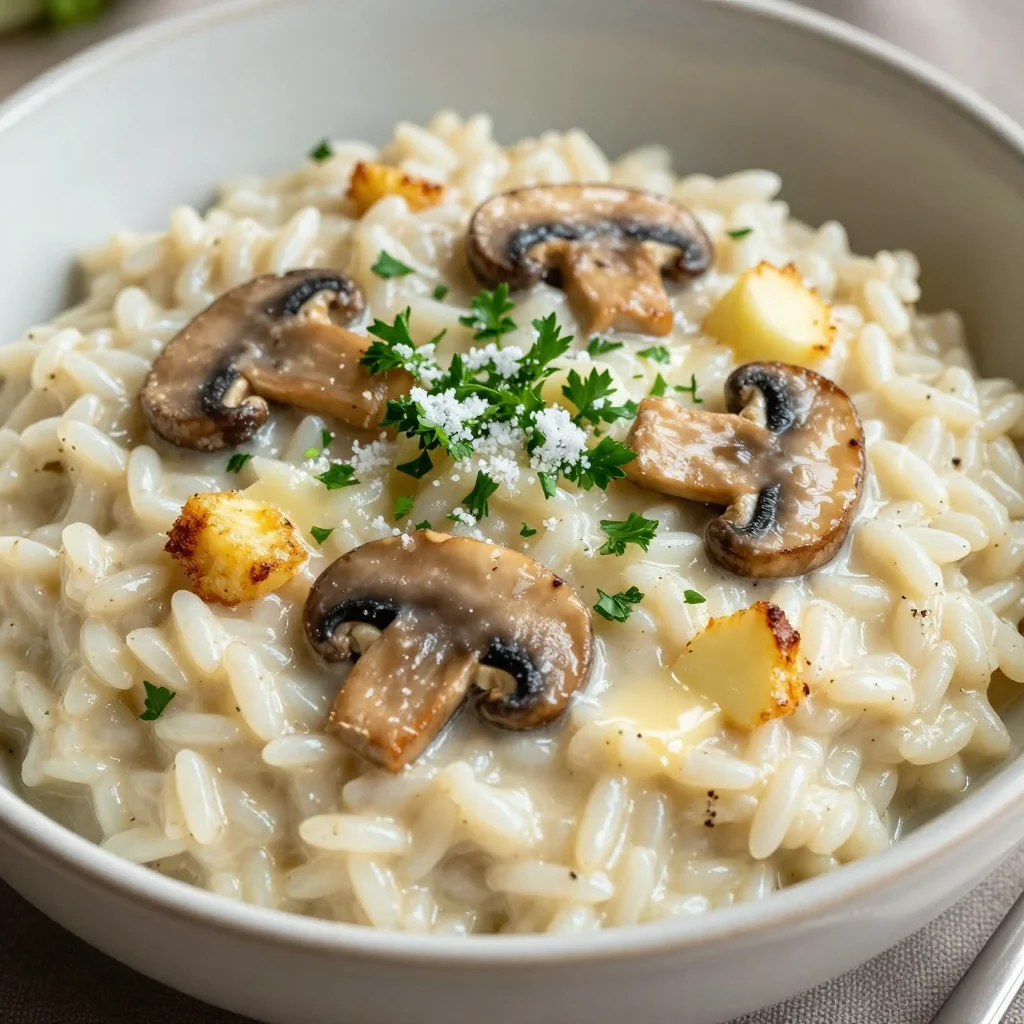
I once found myself in a kitchen crisis that could have been a sitcom episode: the oven was screaming, the stovetop was a battlefield of burnt onions, and my roommate dared me to make something that would actually impress her picky palate. I stared at a wilted bunch of spinach, a half‑empty block of cheese, and a pot of arborio rice that had been gathering dust for weeks. That moment sparked a culinary rebellion – I decided to turn those sad leftovers into a dish that would make even the most stubborn food critic swoon. I’m telling you now, this baked spinach and cheese risotto is a must‑try dish, and it will change the way you think about comfort food forever.
Picture this: the oven door opens and a wave of buttery, cheesy aroma floods the room, mingling with the earthy scent of greens that have just been coaxed into a creamy, golden crust. The top is speckled with caramelized cheese bubbles that crackle like fireworks when you break them, while the interior stays luxuriously soft, each grain of rice enveloped in a silky sauce that clings like a lover’s embrace. You hear the faint sizzle of the cheese melting, the gentle pop of the crust forming, and the faint whisper of steam escaping as you lift the dish. Your fingertips feel the warm, heavy pan, and when you scoop a spoonful, the risotto slides onto your plate with a glossy sheen that makes you want to photograph it before you devour it.
What makes this version stand out is not just the ingredients but the method: a stovetop base that builds flavor layer by layer, followed by a brief bake that creates that coveted crust without drying out the interior. Most recipes get this completely wrong – they either over‑bake, turning the risotto into a dry casserole, or they skip the oven entirely, missing that magical textural contrast. I dare you to taste this and not go back for seconds; the combination of creamy, cheesy, and slightly crisp is hands down the best version you'll ever make at home.
And here’s the kicker: I’m throwing in a secret weapon that most cookbooks never mention – a splash of dry white wine right after the onions, which lifts the flavor and adds a bright acidity that balances the richness. Okay, ready for the game‑changer? Stick with me, because I’m about to walk you through every single step – by the end, you’ll wonder how you ever made it any other way.
What Makes This Version Stand Out
- Flavor Depth: The combination of sautéed onions, garlic, and a splash of white wine creates a foundation that sings louder than any store‑bought broth could ever hope to.
- Texture Harmony: A creamy interior meets a golden, crackly cheese crust, delivering two textures in every bite – think of it as the culinary equivalent of a hug and a high‑five.
- Simplicity: Despite the gourmet vibe, the ingredient list is short, and the steps are straightforward enough for a weekday dinner or a weekend feast.
- Uniqueness: By baking the risotto, you lock in moisture while allowing the cheese to caramelize, a trick most stovetop‑only recipes miss.
- Crowd Reaction: This dish has a habit of clearing plates in seconds; even the most skeptical eaters end up begging for the recipe.
- Ingredient Quality: Using fresh greens and high‑quality cheese elevates the dish from “just okay” to “wow, I could live off this.”
- Cooking Method: The two‑stage process (stovetop then oven) guarantees consistent results, even if you’re a novice.
- Make‑Ahead Potential: You can prep the risotto base a day ahead, refrigerate, and then bake it fresh when you’re ready to serve.
Inside the Ingredient List
The Flavor Base
The backbone of any risotto is the aromatics: finely diced onion, minced garlic, and that splash of white wine. The onion should be sautéed until translucent, not browned, to keep the flavor sweet and subtle. Garlic adds that unmistakable bite, but be careful – overcooking it can turn it bitter, which would sabotage the delicate balance. If you’re out of white wine, a dry sherry or even a splash of lemon juice can do the trick, though the wine’s acidity is unmatched.
The Texture Crew
Arborio rice is the star here; its high starch content creates that creamy mouthfeel we all crave. Rinsing the rice is a no‑no – you’ll strip away the starch that makes the risotto velvety. The broth, preferably low‑sodium chicken or vegetable, should be kept at a gentle simmer; adding it cold will shock the rice and result in a grainy texture. And don’t forget the butter and olive oil – they coat the rice grains, preventing them from sticking and adding richness.
The Unexpected Star
Different Greens: Instead of spinach, try using kale, Swiss chard, or even arugula. Each green brings its own unique flavor and texture. Kale adds a hearty bite, chard offers a subtle earthiness, while arugula injects a peppery snap that brightens the dish. If you skip the greens, the risotto loses its vibrant color and the nutritional boost that makes it feel like a wholesome meal.
The Final Flourish
Other Cheeses: Experiment with different cheeses like feta, goat cheese, or cheddar. Each cheese will add a distinct taste to the risotto. Feta brings a salty tang, goat cheese adds a creamy tanginess, and cheddar offers a sharp, comforting depth. Pairing a mix of mozzarella for meltiness and Parmesan for umami ensures the crust browns beautifully while staying gooey underneath.
Protein Additions: For a heartier meal, mix in cooked chicken, shrimp, or even sausage. This will boost the protein content and make the dish more filling. Chicken offers a mild backdrop, shrimp adds a sweet oceanic note, while sausage brings smoky heat. Skipping protein makes the dish lighter, but if you’re feeding a crowd, the added protein ensures everyone leaves satisfied.
Vegetable Variations: Feel free to add other vegetables like mushrooms, asparagus, or bell peppers. These can add color and additional nutrients. Mushrooms contribute an earthy umami, asparagus adds a springy crunch, and bell peppers bring a sweet pop of color. If you omit these, the risotto will still be delicious, but you’ll miss out on the layered flavors and visual appeal.
Everything's prepped? Good. Let’s get into the real action…

The Method — Step by Step
Heat a large, heavy‑bottomed pan over medium heat and add two tablespoons of olive oil followed by a tablespoon of butter. Once the butter foams, toss in the diced onion and a pinch of salt; stir until the onion becomes translucent, about three minutes. You’ll hear a gentle sizzle that tells you the pan is hot enough – that’s the first sign you’re on the right track. Tip: If the onions start to brown too quickly, lower the heat; we want sweetness, not caramel.
Kitchen Hack: Use a splash of the broth to deglaze the pan after the onions – it pulls up the browned bits and adds depth.Add the minced garlic and let it dance for about 30 seconds, just until fragrant. Then, stir in the Arborio rice, coating each grain with the buttery oil. The rice should toast lightly, giving off a nutty aroma; this is the moment when the starch begins to release, setting the stage for creaminess.
Now, the secret weapon: pour in half a cup of dry white wine, swirling the pan to let the rice absorb it fully. You’ll hear a gentle fizz as the alcohol evaporates, leaving behind a bright, slightly acidic backbone. Let the wine reduce until the liquid is almost gone – this step is pure magic.
Begin adding the simmering broth, one ladle at a time, stirring constantly. Wait until each addition is almost completely absorbed before adding the next. This gradual absorption is what creates that luscious, velvety texture. You’ll notice the rice gradually swelling, turning from opaque to a translucent pearl. Watch the clock: this process takes about 18‑20 minutes.
Watch Out: If you add the broth too quickly, the rice will release too much starch at once and become gummy.When the rice is just shy of al dente – you should still feel a slight bite in the center – stir in the Different Greens (your choice of kale, chard, or arugula). The residual heat will wilt the greens without over‑cooking them. This is the point where the dish gains its vibrant color and a burst of fresh flavor.
Fold in the Other Cheeses: a generous cup of shredded mozzarella for melt, half a cup of grated Parmesan for sharpness, and a sprinkle of feta for a salty pop if you like. The cheese should melt into the risotto, creating ribbons of gooey goodness. Taste and adjust seasoning with salt and freshly cracked black pepper – remember, the cheese already brings saltiness, so be gentle.
If you’re adding Protein Additions, now’s the time. Toss in cooked chicken, shrimp, or sliced sausage, allowing the heat to re‑warm them without overcooking. The protein should be evenly distributed, ensuring each bite delivers a satisfying chew.
Transfer the creamy mixture into a greased baking dish (a 9‑inch square works perfectly). Sprinkle the top with the remaining cheese and a light drizzle of olive oil. The cheese layer should be thick enough to form a crust but not so heavy that it never melts.
Slide the dish into a preheated oven at 400°F (200°C) and bake for 12‑15 minutes, or until the cheese is bubbling and the edges turn a deep golden brown. You’ll see the cheese pull away in strings as it melts – that’s the sound of perfection. Keep an eye on it; you want that crust crisp, not burnt.
Kitchen Hack: For an extra‑crispy top, switch the oven to broil for the last two minutes, but stay close – the cheese can go from perfect to charred in seconds.Remove the dish from the oven and let it rest for five minutes. This short rest allows the interior to settle, making it easier to cut clean slices. Serve hot, garnished with a drizzle of extra‑virgin olive oil and a scattering of fresh herbs if you like. Picture yourself pulling this out of the oven, the whole kitchen smelling incredible… you’ve just created a masterpiece.
That's it — you did it. But hold on, I've got a few more tricks that'll take this to another level…
Insider Tricks for Flawless Results
The Temperature Rule Nobody Follows
Never start with a scorching hot pan; medium heat is the sweet spot. If the pan is too hot, the rice will scorch on the bottom before the liquid can be absorbed, leaving a bitter aftertaste. I once tried cranking the heat to “high” because I was in a hurry; the result was a burnt bottom and a half‑cooked center. Keep the heat steady, and you’ll get that even, creamy consistency every time.
Why Your Nose Knows Best
Your sense of smell is the ultimate timer. When the broth is fully absorbed, the kitchen fills with a nutty, buttery aroma that signals the rice is nearing perfection. If you hear a faint hiss, it means the liquid is evaporating too quickly – lower the heat. Trust that nose; it’s more reliable than a stopwatch.
The 5‑Minute Rest That Changes Everything
After baking, let the risotto sit uncovered for five minutes. This rest allows the steam to redistribute, preventing the interior from becoming soggy. I used to dive straight in, only to find the center a bit watery. That short pause makes the texture uniformly creamy and the cheese crust stay crisp.
Cheese Layering Secrets
Mix two cheeses: one that melts well (mozzarella) and one that browns (Parmesan). The mozzarella creates that stretchy pull, while Parmesan forms the golden crust. Adding a crumbly cheese like feta at the end adds a surprise salty burst that cuts through the richness. A friend tried using only cheddar and ended up with a dry, over‑browned top – lesson learned.
Stirring Strategy
Stir constantly but gently. Over‑stirring can break the rice grains, leading to a mushy texture, while under‑stirring can cause the rice to stick. Use a wooden spoon, scraping the bottom of the pan in a circular motion. If you hear a faint “scrape‑scrape,” you’re doing it right.
Creative Twists and Variations
This recipe is a playground. Here are some of my favorite ways to switch things up:
Mediterranean Sunrise
Swap the mozzarella for a blend of feta and ricotta, add sun‑dried tomatoes, and toss in olives. The tangy feta brightens the dish while the olives bring briny depth. Ideal for a brunch where you want a taste of the Mediterranean coast.
Spicy Southwest
Use pepper jack cheese, add diced jalapeños, and stir in roasted corn kernels. The heat from the pepper jack pairs beautifully with the sweet corn, creating a lively flavor profile. Serve with a side of avocado crema for extra coolness.
Umami Boost
Incorporate sautéed mushrooms, a splash of soy sauce, and finish with grated Pecorino Romano. The mushrooms deepen the earthiness, while the soy sauce adds a subtle salty umami that makes the dish unforgettable.
Herbaceous Garden
Add fresh herbs like basil, thyme, and rosemary at the end of the bake, and replace the cheese with a light goat cheese. The herbs bring a fragrant lift, and goat cheese adds a tangy creaminess that pairs perfectly with spring greens.
Seafood Spectacular
Replace chicken with a mix of shrimp and scallops, and use a splash of seafood broth instead of chicken broth. Finish with a sprinkle of lemon zest for brightness. This variation feels luxurious enough for a special dinner party.
Storing and Bringing It Back to Life
Fridge Storage
Allow the risotto to cool to room temperature, then transfer it to an airtight container. It will keep nicely for up to three days. When reheating, add a tablespoon of broth or water per serving to restore creaminess.
Freezer Friendly
Portion the baked risotto into freezer‑safe dishes, cover tightly with foil, and freeze for up to two months. Thaw overnight in the fridge, then bake at 350°F (175°C) for 15‑20 minutes, covered, to avoid drying out.
Best Reheating Method
The secret to reviving the crust is a quick broil: place a slice on a baking sheet, sprinkle a little extra cheese, and broil for 2‑3 minutes until the top bubbles again. Add a tiny splash of water before microwaving to steam the interior back to silky perfection.