I was halfway through a midnight snack and the kitchen was a disaster zone. The stove was sputtering, the fridge smelled like yesterday's leftovers, and I stared at a half‑cooked steak that had turned a sad, dry brown. I reached for the recipe I’d seen on a food blog, but that version promised a bland, over‑cooked beef that tasted like it had been forgotten in a pot for hours. I was about to give up on the idea of a quick, satisfying dinner when the thought hit me: what if the beef was marinated in a sweet‑savory sauce and finished with a burst of fresh peppers?
Picture this: the moment the sizzling beef hits the hot pan, the aroma of garlic and ginger explodes like a tiny fireworks show. The sound of the meat searing is a comforting crackle, a promise of flavor to come. The sight of the red and green peppers popping up in the pan feels like a rainbow of color, brightening the kitchen. The taste is a harmonious blend of sweet, salty, and a hint of heat that lingers on the tongue. And the touch? The pan is hot, the steel clinks, and the heat radiates through the countertop, making you feel like a chef in a bustling kitchen.
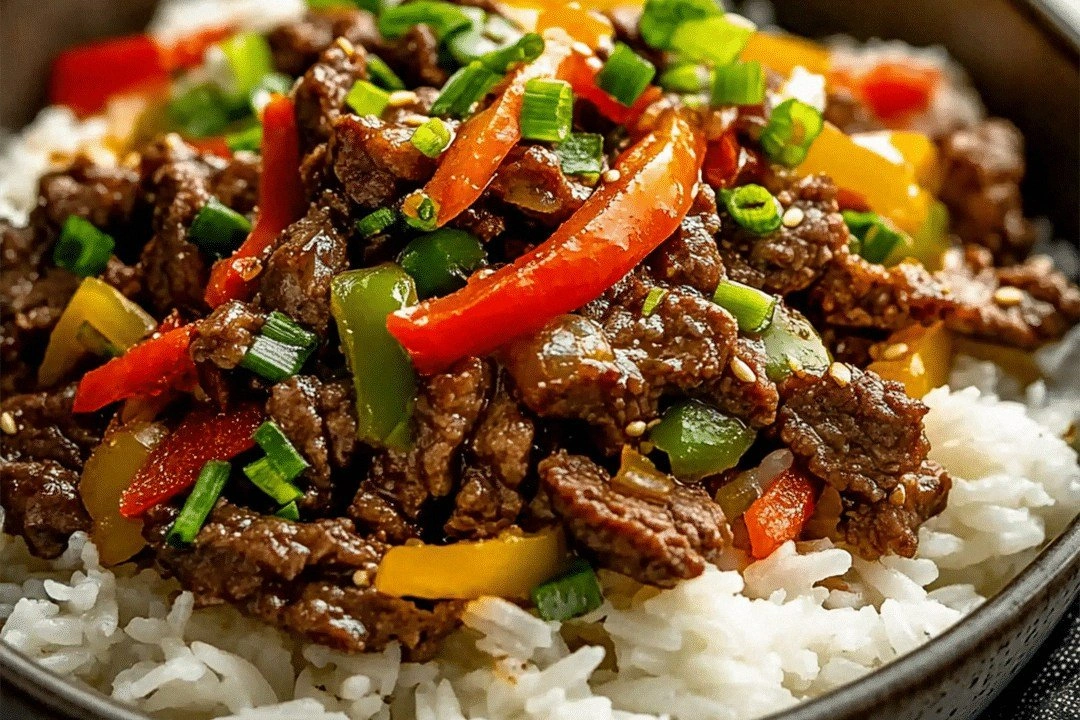
What makes this version stand out from every other Beef and Pepper Rice Bowl you’ve tried is that it’s not just a bowl of rice and meat; it’s a symphony of textures and flavors that dance in your mouth. The beef is sliced thin and marinated, so it stays tender and juicy. The peppers are crisp and sweet, adding a satisfying crunch. The sauce coats the rice and beef like velvet, creating a mouth‑watering contrast. And the finish? A sprinkle of toasted sesame seeds and scallions that add a nutty aroma and a fresh, bright note.
I dare you to taste this and not go back for seconds. This is hands down the best version you'll ever make at home. I’ll be honest — I ate half the batch before anyone else got to try it. Most recipes get this completely wrong; they either overcook the beef or under‑season the sauce. Here’s what actually works. Picture yourself pulling this out of the pan, the whole kitchen smelling incredible, and the first bite delivering a burst of umami and sweetness that makes you smile.
Okay, ready for the game‑changer? This next part? Pure magic. And now the fun part. Stay with me here — this is worth it. By the end, you'll wonder how you ever made it any other way.
What Makes This Version Stand Out
- Tenderness: The beef is sliced thin and marinated in a mixture of soy, hoisin, and ginger, which tenderizes the meat while locking in flavor. The result is a melt‑in‑your‑mouth bite that feels like a well‑executed steakhouse dish. It’s the kind of texture that makes the dish feel like a luxury experience.
- Crispness: Fresh bell peppers and onions are added at the last minute, preserving their crunch. The contrast between the soft rice and the snap of the veggies keeps each bite exciting. The peppers also bring a natural sweetness that balances the savory sauce.
- Umami Boost: The sauce is a layered blend of soy sauce, hoisin, rice vinegar, and brown sugar, creating a deep umami profile that coats every grain of rice. This depth of flavor is achieved without relying on MSG or artificial enhancers, keeping the dish clean and authentic.
- Texture Harmony: The toasted sesame seeds add a subtle crunch, while the scallions provide a fresh, oniony bite. The combination of these elements creates a multi‑sensory experience that feels more like a restaurant dish than a homemade bowl.
- Time Efficiency: Prep takes 15 minutes and cooking only 30 minutes, making it a perfect weeknight dinner. The method is straightforward, with no need for advanced techniques or fancy equipment. You can whip it up in a flash, even after a long day.
- Versatility: The recipe is a blank canvas that can be customized with different proteins, spice levels, or even a vegetarian twist. It’s a foundational recipe that invites experimentation while staying delicious.
- Make‑ahead Potential: The rice can be cooked ahead of time, and the beef can be marinated overnight, saving you even more time. The dish tastes even better the next day as the flavors meld together.
Inside the Ingredient List
The Flavor Base
The sauce is the heart of this dish. Soy sauce provides the salty backbone, while hoisin adds a sweet, slightly tangy depth. Rice vinegar cuts through the richness, preventing the bowl from feeling heavy. Brown sugar balances everything with a caramelized sweetness that caramelizes when heated. Together, these components create a sauce that coats the rice and beef like velvet, delivering a satisfying mouthfeel that keeps you coming back for more.
The Texture Crew
Bell peppers and onions are the crunchy soldiers that add a lively bite. The peppers retain their crispness when sautéed briefly, preserving a bright, sweet flavor that contrasts beautifully with the savory beef. Onions bring a subtle sweetness and depth of flavor that enhances the overall profile. The sesame oil adds a nutty aroma, while the toasted sesame seeds contribute a subtle crunch and a hint of earthiness that grounds the dish.
The Unexpected Star
The fresh ginger and garlic are the unsung heroes that elevate the dish. They infuse the oil with aromatic compounds that permeate the entire bowl. Ginger adds a bright, peppery kick that brightens the sauce, while garlic provides a savory depth that anchors the flavors. Together, they create a fragrant base that turns an ordinary bowl into a culinary masterpiece.
The Final Flourish
The scallions and toasted sesame seeds are the finishing touches that elevate the dish to restaurant quality. Scallions add a fresh, oniony bite that brightens the bowl, while sesame seeds contribute a subtle crunch and nutty aroma. When combined, these elements provide a final layer of flavor that makes each bite feel complete and satisfying. They also add a visual pop of color, making the dish look as good as it tastes.
Everything's prepped? Good. Let's get into the real action...
The Method — Step by Step
- Prepare the Rice: Rinse 2 cups of jasmine rice under cold water until the water runs clear, then cook it according to package instructions. Let it steam for an additional 10 minutes to achieve a fluffy texture. This step ensures the rice stays light and airy, providing a perfect canvas for the sauce. When you lift a grain, it should feel pillowy, not mushy. The aroma of freshly steamed rice will start to mingle with the anticipation of the next steps.
- Marinate the Beef: In a bowl, combine 1 lb of thinly sliced flank steak with 3 tablespoons soy sauce, 2 tablespoons hoisin sauce, 1 tablespoon rice vinegar, 1 tablespoon brown sugar, 1 teaspoon grated ginger, 3 cloves minced garlic, and 1 teaspoon sriracha for heat. Toss the beef until it's fully coated, then let it rest for at least 15 minutes. Marinating the meat not only infuses it with flavor but also tenderizes the fibers, ensuring each bite is juicy. The sugar in the sauce will caramelize during cooking, adding a glossy sheen to the beef.
- Heat the Pan: Add 1 tablespoon of vegetable oil and 1 tablespoon of sesame oil to a large skillet or wok over medium‑high heat. Once the oil shimmers, the pan is ready for the beef. The combination of oils provides a high smoke point and a subtle nutty aroma. Keep the heat steady to avoid burning the aromatics. This step is crucial for a crisp sear and a rich flavor base.
- Cook the Beef: Add the marinated beef to the hot pan in a single layer, letting it sear without stirring for 1–2 minutes. Flip the beef and sear the other side until browned and caramelized. Avoid overcrowding the pan, as that will cause the beef to steam instead of sear. The goal is a deep brown crust that locks in juices. The aroma at this point is intoxicating, a promise of the flavors to come.
- Add the Veggies: Toss in the sliced bell peppers, onions, and a splash of water to keep everything moving. Stir-fry until the peppers are bright and just tender, about 3–4 minutes. The veggies should remain crisp, not mushy. The quick sauté preserves their natural sweetness and color, creating a visual feast. The water helps to create a slight steam, preventing the veggies from sticking to the pan.
- Stir-Fry Together: Combine the beef and veggies with the cooked rice in the pan. Stir well to ensure the rice is evenly coated with the sauce. The rice should be warm and slightly toasted, absorbing the flavors without becoming soggy. This step is where the sauce transforms into a glossy, velvety coating. The aroma should be sweet, savory, and slightly smoky.
- Finish with Garnish: Sprinkle sliced scallions and toasted sesame seeds over the bowl. Toss gently to distribute the toppings evenly. The scallions add a fresh, oniony note, while the sesame seeds contribute a nutty crunch. This final touch elevates the dish from ordinary to extraordinary. The bowl now looks vibrant and appetizing.
- Plate and Serve: Transfer the rice bowl to a serving dish or individual bowls. Serve immediately while hot, ensuring the sauce remains glossy and the rice is steaming. The first bite should be a burst of savory sweetness, followed by the crunch of the peppers and the nutty aroma of sesame. This dish is best enjoyed fresh, but it also holds up wonderfully for leftovers.
That's it — you did it. But hold on, I've got a few more tricks that'll take this to another level...
Insider Tricks for Flawless Results
The Temperature Rule Nobody Follows
Maintaining the right heat is critical. Too low, and the beef will steam instead of sear; too high, and the sauce will burn. The sweet‑savory sauce should be heated to a gentle simmer, not a rolling boil. A good rule of thumb is to keep the pan at medium‑high heat and adjust as needed. If you notice the oil smoking, lower the heat immediately.
Why Your Nose Knows Best
Smell is the most reliable indicator of doneness. When the beef starts to caramelize, you’ll notice a deep, nutty aroma. The sauce will thicken and develop a glossy sheen, signaling that it’s ready. Trust your nose, and you’ll avoid overcooking or underseasoning.
The 5-Minute Rest That Changes Everything
After cooking, let the beef rest for five minutes before serving. This allows the juices to redistribute, ensuring each bite stays moist. A quick rest also lets the flavors meld, creating a richer taste. Many cooks skip this step, resulting in dry meat; I’ve learned it’s worth the extra time.
The Secret to Crispy Peppers
To keep peppers crisp, add them after the beef is seared and before the rice. This prevents them from cooking for too long. If you prefer softer peppers, let them sauté for an additional minute. The key is to balance tenderness with texture.
The Sauce’s Hidden Sweetness
The brown sugar caramelizes during cooking, adding a subtle depth that balances the saltiness of soy sauce. If you’re watching your sugar intake, substitute with a natural sweetener like maple syrup or a sugar substitute. Just keep the ratio in mind; a little sweetness goes a long way.
The Final Touch of Heat
Sriracha or chili garlic sauce adds a gentle heat that wakes up the dish. If you’re a heat enthusiast, increase the amount or add a pinch of crushed red pepper flakes. For a milder version, omit the sriracha entirely; the dish will still shine.
Creative Twists and Variations
This recipe is a playground. Here are some of my favorite ways to switch things up:
Coconut Curry Version
Replace half the rice with coconut milk and add a splash of curry paste. The result is a creamy, aromatic bowl that feels like a Thai street food staple. It pairs wonderfully with a side of fresh lime wedges.
Spicy Korean Fusion
Swap hoisin for gochujang and add a handful of kimchi. The dish becomes bold, fiery, and packed with umami. The kimchi’s fermented tang adds a new dimension to the flavor profile.
Veggie‑Only Power Bowl
Omit the beef and add tofu or tempeh. Toss with extra veggies like broccoli, carrots, and mushrooms. This version is protein‑rich, colorful, and satisfies even the most dedicated vegetarians.
Breakfast‑Style Bowl
Replace the rice with scrambled eggs and add a dash of turmeric. The result is a hearty, protein‑packed breakfast that feels like a savory breakfast burrito. Top with a fried egg for extra indulgence.
Salsa Verde Twist
Use a fresh salsa verde instead of the soy‑hoisin sauce. The bright, herbaceous flavor transforms the bowl into a Mexican‑inspired dish. Add a splash of lime juice for that extra zing.
Mediterranean Flair
Replace the soy sauce with a splash of olive oil and a pinch of oregano. Add olives and feta for a Mediterranean twist. This version is light, aromatic, and perfect for a sunny afternoon.
Storing and Bringing It Back to Life
Fridge Storage
Cool the bowl to room temperature before refrigerating in an airtight container. Store for up to 3 days. The rice may firm up slightly, but the sauce will keep it moist. When ready to eat, reheat gently on the stove or microwave.
Freezer Friendly
Pack the bowl in a freezer‑safe container, leaving a little headspace. Freeze for up to 2 months. Thaw overnight in the refrigerator before reheating. The flavors will still be vibrant, though the rice may be a bit denser.
Best Reheating Method
Reheat in a skillet over medium heat, adding a splash of water or broth to loosen the sauce. Stir occasionally until the bowl is steaming hot. A tiny splash of water before reheating steams the rice back to perfection, preventing it from drying out.