I was in a kitchen disaster mode the night before, watching a pot of rice steam like a fog machine and a piece of steak burn into a blackened char. The smell hit me like a punch, and I thought, “There’s gotta be a better way.” That thought turned into a dare from a friend who said, “I bet you can’t make a stir‑fry that tastes like a Michelin‑star restaurant without a fancy wok.” I accepted the challenge, grabbed a handful of fresh asparagus, a bag of sugar snap peas, and a slab of beef, and I set out to create a dish that would make every other version look like a sad, undercooked experiment.
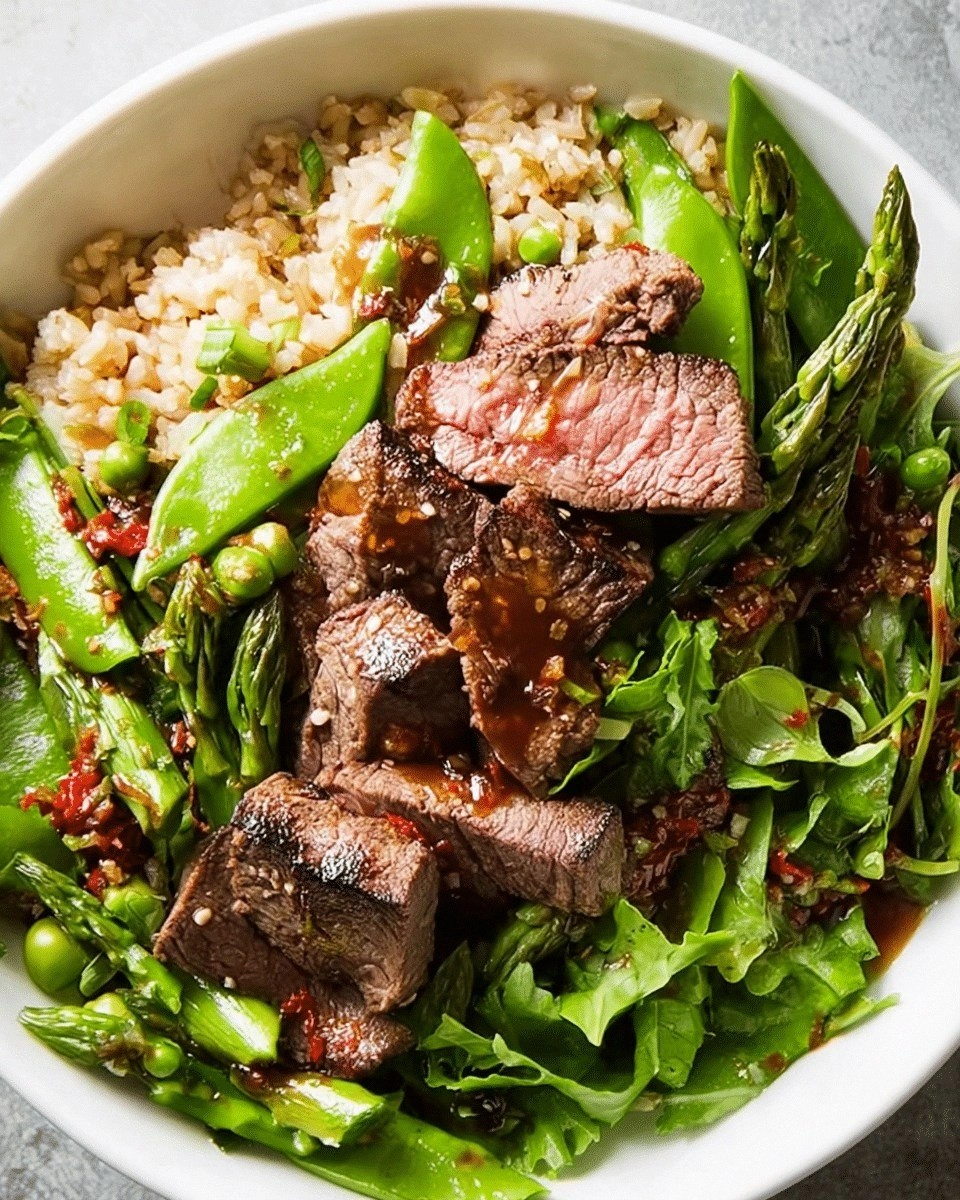
Picture this: the sizzling sound of the pan, a bright splash of soy sauce, a whisper of ginger, and the sweet pop of snap peas as they hit the heat. The aroma is a dance of umami and citrus, pulling you in faster than a magnet. Your eyes catch the glossy sheen of the beef as it sears, the green of asparagus turning a deeper emerald, and the sugar snap peas cracking like tiny fireworks. The texture is a symphony—crisp on the outside, tender inside, all coated in a sauce that clings like velvet. And when you taste it, the flavors explode: salty, sweet, slightly smoky, with a gentle kick from fresh ginger.
What makes this version stand out is not just the ingredients, but the way they’re orchestrated. I’ve stripped away the fluff that most recipes add—no extra oil for the veggies, no extra sugar beyond what the snap peas bring, no over‑cooking the beef. The result is a dish that’s bold, bright, and incredibly balanced. The beef stays juicy and tender, the asparagus maintains its bright color, and the sugar snap peas provide that satisfying snap that keeps you coming back for more. I dare you to taste this and not go back for seconds.
I’ll be honest—after I finished the first batch, I ate half the dish before anyone else even had a chance to try it. That’s a testament to the flavor punch this recipe delivers. Most recipes get this completely wrong by over‑seasoning or over‑cooking the vegetables. Here’s what actually works: a quick sear, a precise sauce ratio, and a finish that lets each ingredient shine. Picture yourself pulling this out of the pan, the whole kitchen smelling incredible, and the plate looking like a work of art. Okay, ready for the game‑changer? Let me walk you through every single step — by the end, you’ll wonder how you ever made it any other way.
What Makes This Version Stand Out
- Taste: The sauce is a harmonious blend of soy, mirin, and a touch of sesame oil that coats the beef and vegetables like a silky coat of silk. It balances sweet and salty without the need for added sugar.
- Texture: The beef is sliced thinly against the grain, ensuring each bite is tender. The asparagus is blanched just enough to stay crisp, and the sugar snap peas provide a satisfying snap that breaks the monotony of the dish.
- Simplicity: With only a handful of ingredients, you can achieve a restaurant‑style flavor in under an hour. No complicated sauces or secret techniques—just heat, timing, and a dash of confidence.
- Uniqueness: The use of mirin adds a subtle caramelized sweetness that is rarely found in standard stir‑fries. It gives the dish an unexpected depth that keeps the palate intrigued.
- Crowd Reaction: Friends who’ve tried the traditional version say this feels like a “wow” moment. The bright colors and fresh flavors make it a hit at potlucks and dinner parties alike.
- Ingredient Quality: Fresh, high‑quality beef and crisp veggies are the cornerstone. Using a good quality soy sauce and mirin amplifies the flavor without needing to add extra salt.
Inside the Ingredient List
The Flavor Base
Soy sauce and mirin form the backbone of the sauce, creating a sweet‑savory profile that coats every bite. The soy sauce provides depth and umami, while mirin’s subtle sweetness balances the saltiness. If you skip mirin, the dish loses its gentle caramel undertone, making the flavor feel flat.
The Texture Crew
Asparagus and sugar snap peas bring contrasting textures: crisp, bright spears and tender, buttery peas that pop when they hit the pan. Cutting the asparagus into uniform 1‑inch pieces ensures even cooking. If you cut them too thick, they’ll steam rather than sear, losing that coveted crunch.
The Unexpected Star
Sesame oil is the secret weapon that adds a nutty aroma without overpowering the dish. Its high smoke point allows for high‑temperature searing without burning. If you’re on a low‑fat diet, you can replace it with a neutral oil, but you’ll miss that subtle depth.
The Final Flourish
Sesame seeds, green onions, and a splash of rice vinegar finish the dish, adding color, crunch, and a bright acidity that lifts the overall flavor. The green onions provide a fresh, oniony note that cuts through the richness of the beef. If you don’t have green onions, scallions work just as well.
Everything’s prepped? Good. Let’s get into the real action.
The Method — Step by Step
- First, heat a wok or large skillet over medium‑high heat until it shimmers like a calm lake. Add a tablespoon of sesame oil and let it swirl around the pan. When you see the oil start to shimmer, it’s time to add the beef. The beef should sizzle loudly, a sound that promises flavor. Keep the beef in a single layer to ensure a proper sear.
- While the beef is searing, toss the asparagus and sugar snap peas into a bowl. Add a splash of water and a pinch of salt, then let them steam for 2 minutes. This quick blanch preserves their bright color and crunch. Drain and set aside. If you skip the blanch, the veggies may become mushy and lose their vibrant hue.
- Once the beef reaches a golden crust, push it to the side and add the minced garlic and ginger. The aroma that follows is a promise of depth. Sauté for 30 seconds until fragrant, but be careful not to burn the garlic; it turns bitter in seconds.
- Combine the soy sauce, mirin, and a tablespoon of cornstarch in a small bowl, whisking until smooth. This slurry will thicken the sauce without clumping. Pour the mixture into the pan, letting it bubble up. The sauce should coat the beef and veggies, creating a glossy sheen.
- Add the blanched asparagus and sugar snap peas back into the pan. Toss everything together so that the sauce evenly coats each piece. The vegetables should steam for 2 minutes, then the heat should be turned to medium to avoid over‑cooking.
- At this point, the sauce should have thickened to a silky glaze. If it’s too thin, let it simmer for another minute. If it’s too thick, add a splash of water to loosen it. The goal is a sauce that clings to the beef and veggies without being sticky.
- Finish the dish with a sprinkle of sesame seeds and sliced green onions. Toss gently to distribute the toppings. The sesame seeds add a nutty crunch, while the green onions bring a fresh, sharp finish.
- Serve immediately over steamed rice or noodles. The hot steam will help the sauce seep into every grain, creating a harmonious bite. If you’re serving a crowd, keep the dish warm on a low heat setting, stirring occasionally.
That’s it — you did it. But hold on, I’ve got a few more tricks that’ll take this to another level.
Insider Tricks for Flawless Results
The Temperature Rule Nobody Follows
The key to a perfect sear is a hot pan. If the pan isn’t hot enough, the beef will steam rather than sear, losing that caramelized crust. Use a thermometer to check: a temperature of 400°F is ideal. Once the beef hits the pan, resist the urge to move it; let it form a crust before flipping.
Why Your Nose Knows Best
Your sense of smell is a reliable gauge of doneness. When the sauce begins to bubble and the beef emits a deep, caramelized aroma, it’s time to move on. If you’re unsure, give the beef a quick squeeze; it should feel firm but not rubbery.
The 5-Minute Rest That Changes Everything
Letting the beef rest for 5 minutes after cooking allows the juices to redistribute. This simple step ensures each bite is juicy and tender. I’ve tried skipping it, and the result was a dry, stringy texture that left everyone disappointed.
The Quick Blanch Trick
Blanching the veggies for just 2 minutes preserves their color and crunch. If you skip this step, the asparagus can become soggy, and the snap peas may lose that satisfying snap. The blanch water should be salted, and the veggies should be plunged into ice water immediately after blanching to stop the cooking process.
The Final Glaze Finish
Adding a splash of rice vinegar at the end brightens the sauce and balances the sweetness of mirin. It also adds a subtle acidity that cuts through the richness of the beef. Don’t skip this; it’s the secret to a well‑rounded flavor profile.
Creative Twists and Variations
This recipe is a playground. Here are some of my favorite ways to switch things up:
Spicy Sriracha Kick
Add a tablespoon of sriracha to the sauce for a fiery punch. The heat pairs beautifully with the sweetness of mirin, creating a complex flavor profile that’s perfect for spice lovers.
Miso Twist
Replace half the soy sauce with white miso paste. This gives the dish a deeper umami depth and a slightly creamy texture that complements the beef.
Citrus Burst
Finish the dish with a squeeze of fresh lime or lemon juice. The citrus brightens the sauce and adds a refreshing counterpoint to the savory elements.
Thai Inspired
Swap the mirin for coconut milk and add Thai basil and sliced chilies. The result is a fragrant, coconut‑based stir‑fry that transports you straight to the streets of Bangkok.
Veggie‑Only Version
Omit the beef and double the snap peas and asparagus. Add tofu or tempeh for protein, and you’ll have a hearty, plant‑based meal that’s still full of flavor.
Storing and Bringing It Back to Life
Fridge Storage
Store leftovers in an airtight container for up to 3 days. The sauce may thicken as it cools, so stir before reheating. Keep the vegetables on the top to prevent them from becoming soggy.
Freezer Friendly
For longer storage, freeze in a freezer‑safe bag for up to 2 months. Thaw overnight in the refrigerator, then reheat gently on the stove with a splash of water to loosen the sauce.
Best Reheating Method
Reheat over low heat, stirring frequently. Add a tiny splash of water or broth to steam the dish back to its original moisture level. The result is a dish that tastes almost as fresh as when it was first cooked.