Love this? Pin it for later! 📌
There’s a certain kind of magic that happens when the aroma of toasted spices drifts through the house on a weeknight. It’s the scent that makes my kids abandon their tablets, my neighbor knock to “check if everything’s okay,” and my husband start setting the table without being asked. This Budget-Friendly Pantry Vegetable Curry has been my go-to for fifteen years—ever since we were newlyweds counting quarters for laundry and I realized that a can of chickpeas, a lonely sweet potato, and the tail end of a bag of frozen spinach could taste like a million bucks if you treated them right.
I still remember the first time I served it to my mother-in-law, who grew up in Delhi and swears by scratch-made garam masala. She took one bite, raised an eyebrow, and said, “You’ve managed to make cupboard curry taste like home.” That was the highest compliment I’ve ever received. Since then, this recipe has fed new-mom friends who needed a freezer stash, college students on a ramen budget, and a houseful of teenagers after football practice. It scales like a dream, forgives every substitution, and turns humble ingredients into silky, fragrant comfort in under 45 minutes. Best part? You probably have everything you need right now.
Why This Recipe Works
- Pantry heroes: Canned beans, tomatoes, and coconut milk create luxurious texture without fresh cream.
- One-pot wonder: Minimal dishes mean you’re not stuck at the sink while the family devours dinner.
- Spice-layering trick: Blooming ground spices in hot oil for 30 seconds amplifies flavor 10× without extra cost.
- Vegetable flexibility: Swap in whatever’s lurking in the crisper—no wilt-shaming here.
- Feed-a-crowd yield: Eight generous servings for under ten dollars total.
- Freezer rockstar: Tastes even better thawed on a frantic Wednesday night.
Ingredients You'll Need
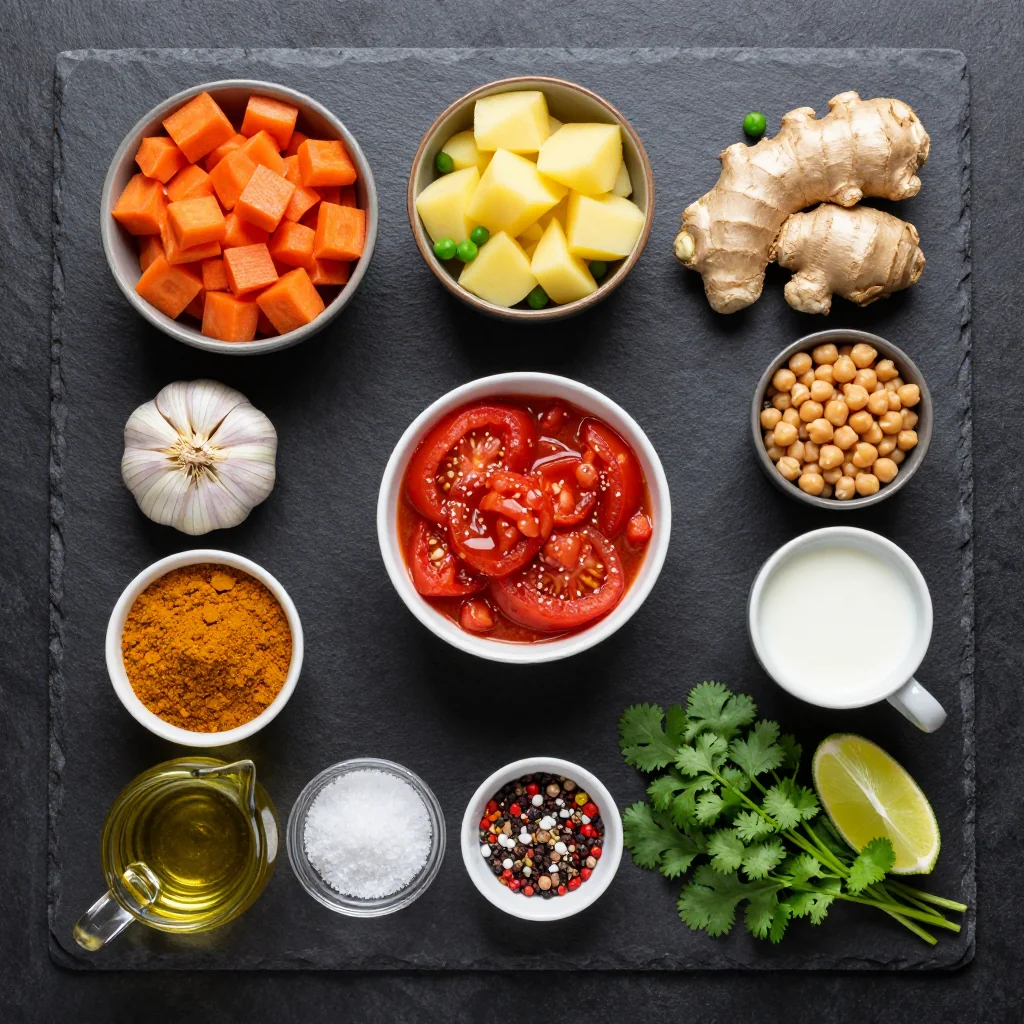
Before we talk ingredients, open your cupboard and take a little inventory. Found a can of chickpeas that’s been riding shotgun since last January? Perfect. That half-bag of frozen peas pressed into service as an ice-pack last summer? It’s about to shine. The philosophy here is use what you have, but let me walk you through the dream team and how each player contributes.
Oil: A neutral variety like sunflower or refined coconut keeps costs low, but if you’ve saved the last spoonful of ghee for a special occasion, this is it. The fat carries fat-soluble flavors and gives onions that glossy head-start.
Onion: One large yellow onion, diced small, melts into the sauce and provides natural sweetness. No onion? Thinly sliced leek or the white part of green onions work—just reduce quantity by half.
Garlic & Ginger: Fresh is fragrant and cheap, but tubes of paste last months and save peeling time. Ratio is 3 cloves garlic : 1 Tbsp ginger. Skip one and the curry feels like it’s missing a heartbeat.
Ground Spices: Turmeric lends golden color and anti-inflammatory bragging rights; cumin supplies earthy warmth; coriander the lemony lift; smoked paprika the subtle whisper of barbecue. If you only own curry powder, use 2 Tbsp and call it a day.
Tomato Paste: Those tiny cans are budget gold. Caramelize it until it turns from bright red to brick—this concentrates umami and removes metallic tang.
Vegetables: Sweet potato cubes cook in the same time it takes the sauce to thicken, but butternut, carrots, or even white potatoes tag along happily. Frozen spinach, corn, or mixed veg add fiber without chopping. Aim for 6–7 cups total.
Canned Chickpeas: Rinse first to ditch 40% of sodium, then rub between towels; loosened skins float off and create creamier texture. Navy or cannellini beans swap seamlessly.
Coconut Milk: Full-fat is luscious, light is fine. Shake can vigorously or emulsify with a whisk so you don’t get a watery first pour and solid lump at the end.
Stock Cube: Vegetable or chicken, whichever you have. Dissolve in 1 cup hot water. If you’re sodium-sensitive, use half.
How to Make Budget-Friendly Pantry Vegetable Curry for Family
Warm your pot
Place a large Dutch oven or deep sauté pan over medium heat for 60 seconds. A hot surface prevents spices from stewing and helps onions shed water faster. If a flick of water skitters across the surface, you’re ready.
Bloom the cumin seeds
Add 2 Tbsp oil and 1 tsp whole cumin seeds. Stir continuously for 30–40 seconds; the seeds will darken a shade and release a nutty perfume. Do not walk away—burnt cumin equals bitter curry.
Sauté aromatics
Stir in diced onion with ½ tsp salt. Cook 5 minutes until edges brown. Add garlic, ginger, and 1 small sliced chili. Cook another 2 minutes, scraping browned bits—the “fond” equals free flavor.
Caramelize tomato paste
Push onions to the perimeter, add 2 Tbsp tomato paste in the center. Let it sizzle undisturbed 90 seconds, then fold together until the mixture looks rusty and smells slightly sweet.
Add ground spices
Sprinkle 1 tsp turmeric, 2 tsp cumin, 2 tsp coriander, 1 tsp smoked paprika, ½ tsp black pepper, and ¼ tsp cayenne if you like heat. Stir constantly 30 seconds; coating the vegetables in spice “toasts” them and eliminates raw taste.
Deglaze & simmer
Tip in 1 cup diced tomatoes with juices, scraping the pot bottom. Add 3 cups vegetables, 2 cans chickpeas, 1 cup broth, and 1 can coconut milk. Bring to a gentle boil, reduce to low, cover, and simmer 15 minutes.
Finish with greens
Stir in 2 cups frozen spinach or chopped kale. Cook 3 minutes more until wilted. Taste, adjust salt, and brighten with a squeeze of lime. If sauce is thin, smash a few chickpeas against the side; released starch thickens instantly.
Rest & serve
Turn off heat and let stand 5 minutes. This allows flavors to marry and temperature to even out. Serve over steamed rice, quinoa, or torn naan, showered with cilantro if you’ve got it.
Expert Tips
Toast spices twice
Blooming ground spices in oil, then simmering them in tomatoes, creates layers of flavor that taste like an all-day curry.
Control heat with yogurt
If you over-spice, swirl in ¼ cup plain yogurt or coconut yogurt; dairy casein tames capsaicin without dulling other flavors.
Overnight magic
Make it the day before; refrigerated starches retrograde, thickening the sauce and letting spices mingle into deeper harmony.
Stretch with lentils
Need two more servings? Stir in ½ cup red lentils and an extra cup of broth; they dissolve into the sauce and boost protein for pennies.
Freeze flat
Ladle cooled curry into labeled zip bags, press out air, and freeze flat; stack like books and thaw under warm water in minutes.
Color pop
A sprinkle of pomegranate seeds or diced red bell pepper right before serving adds visual wow and fresh crunch without extra cost.
Variations to Try
-
Peanut Butter Swirl
For West-African flair, whisk 2 Tbsp natural peanut butter into the coconut milk; it adds richness and pairs beautifully with sweet potato.
-
Madras Heat
Trade cayenne for 1 tsp Kashmiri chili powder; you’ll get vivid color and medium heat without masking other spices.
-
Green Goddess
Swap tomato paste for 1 cup pureed spinach + cilantro, use white beans, and finish with lemon zest for a verdant palette.
-
Protein Punch
Add 1 cup diced rotisserie chicken or canned tuna at the end for non-vegetarian households; simmer just until heated through.
Storage Tips
Refrigerator: Cool completely, transfer to airtight container, and refrigerate up to 4 days. The flavors intensify, so you may want to loosen with a splash of water when reheating.
Freezer: Portion into 2-cup containers (perfect for single lunches) or flat freezer bags. Label with date; keeps 3 months. Thaw overnight in fridge or float sealed bag in warm water for quick defrost.
Reheating: Warm gently over medium-low, stirring occasionally. If sauce broke (coconut milk can separate), whisk in 1 Tbsp broth and 1 tsp lemon juice to re-emulsify. Microwave works in 1-minute bursts, covered.
School Lunch Hack: Fill a wide-mouth thermos with boiling water for 2 minutes, dump, then fill with hot curry; stays warm until noon without scorching.
Frequently Asked Questions
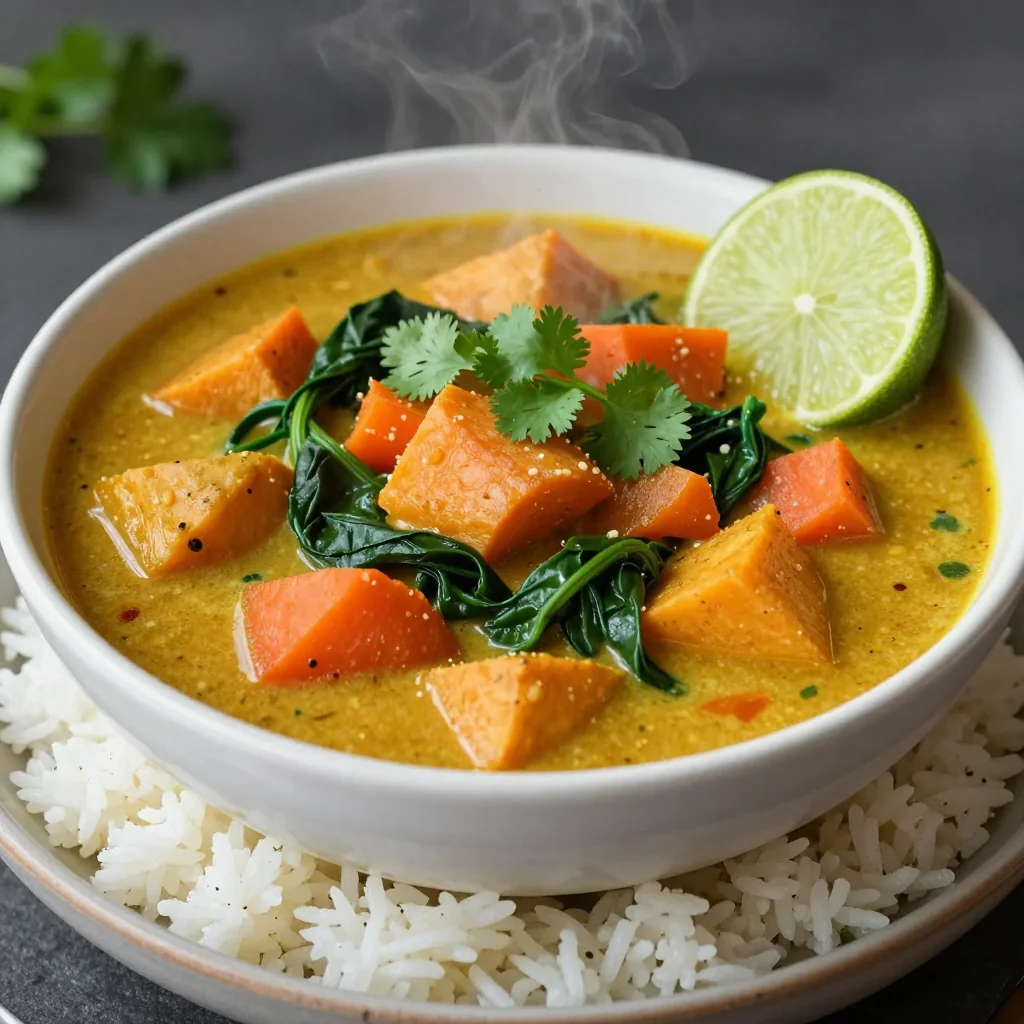
Budget-Friendly Pantry Vegetable Curry for Family
Ingredients
Instructions
- Heat pot: Warm oil over medium, add cumin seeds, and toast 30 seconds.
- Sauté aromatics: Cook onion 5 minutes, then add garlic, ginger, chili; cook 2 minutes.
- Caramelize paste: Add tomato paste to center, fry 90 seconds, then mix.
- Spice bloom: Stir in all ground spices for 30 seconds.
- Simmer: Add tomatoes, vegetables, chickpeas, coconut milk, broth. Cover and simmer 15 minutes.
- Finish: Stir in spinach, cook 3 minutes, season with salt and lime juice. Rest 5 minutes, then serve.
Recipe Notes
Sauce too thick? Add broth ¼ cup at a time. Too thin? Simmer uncovered or mash some chickpeas. Taste after 15 minutes and adjust salt—canned ingredients vary widely.