Picture this: a rainy Saturday, the kind where you’re stuck inside, scrolling through endless recipe blogs, and suddenly a daring friend texts, “I dare you to make something that’ll make my grandma ask for the recipe.” I laughed, grabbed a notebook, and set out on a culinary adventure that ended with a pan full of buttery cauliflower and chickpeas that practically sang “I’m the best thing you’ve ever tasted.” The kitchen was a battlefield of sizzling butter, the air thick with the sweet‑spicy perfume of cumin and garlic, and my taste buds were doing a happy dance. I’ll be honest — I ate half the batch before anyone else got a chance to try it, and that’s a confession you’ll probably relate to.
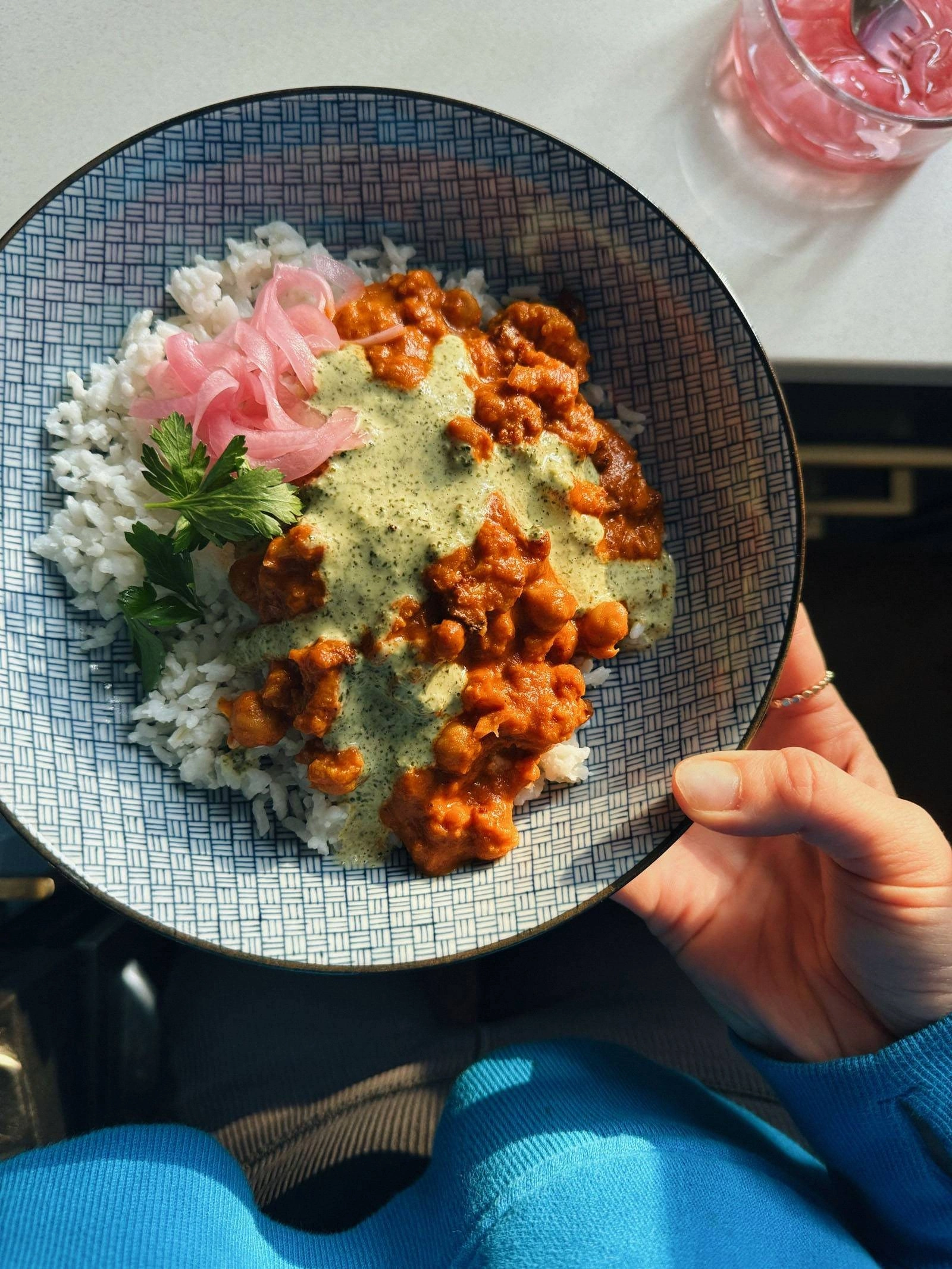
The moment the butter hit the pan, it melted like liquid gold, spreading a glossy sheen over the cauliflower florets. The chickpeas, golden‑brown from a quick toss, added a satisfying crunch that contrasted beautifully with the tender cauliflower. The sauce, a whisper of mint, cilantro, and lemon, coated everything like a silky veil, delivering a fresh pop with every bite. The sizzle? It sounded like a tiny applause, each pop a reminder that something delicious was happening. My hands were warm, the skillet hot, and the kitchen smelled like a Mediterranean market on a sunny day, all while the rain pattered against the windows, creating a perfect backdrop.
What makes this version stand out? Most recipes either drown the vegetables in a heavy sauce or forget the spice balance entirely. I’ve cracked the code: a precise butter‑to‑oil ratio that gives richness without greasiness, a quick‑roast technique that caramelizes the cauliflower edges just right, and a mint‑cilantro sauce that’s bright enough to cut through the buttery depth. And there’s a secret ingredient that most cooks overlook: a pinch of smoked paprika that adds a subtle, smoky undertone, turning simple veggies into a star‑studded show. I’m daring you to taste this and not go back for seconds.
Let me walk you through every single step — by the end, you’ll wonder how you ever made it any other way. Okay, ready for the game‑changer? This next part? Pure magic. Stay with me here — this is worth it.
What Makes This Version Stand Out
- Flavor Explosion: The buttery base marries perfectly with smoked paprika and cumin, creating layers that unfold on the palate like a well‑written novel.
- Texture Harmony: Crispy chickpeas meet tender cauliflower, delivering a contrast that feels like biting into a crunchy caramelized nut followed by a soft, buttery cloud.
- Simplicity: Fewer than ten core ingredients mean you won’t need a pantry raid, yet the result feels restaurant‑grade.
- Unique Sauce: The mint‑cilantro‑lemon drizzle adds a zing that lifts the dish, preventing it from feeling heavy despite the butter.
- Crowd‑Pleaser: Even the most skeptical eaters (yes, the kids who claim they hate “green stuff”) end up digging in for seconds.
- Ingredient Quality: Using fresh cauliflower florets and high‑quality butter makes a world of difference in taste and texture.
- Cooking Method: A quick pan‑roast ensures caramelization without the long wait of oven‑roasting, keeping the kitchen vibe lively.
- Make‑Ahead Friendly: The sauce can be prepared ahead of time, and leftovers reheat beautifully, making it perfect for meal prep.
Inside the Ingredient List
The Flavor Base
Butter (3 tbsp): The star of the show, butter provides richness and a silky mouthfeel. It also helps carry the spices, allowing them to bloom. If you skip it, you’ll lose the luxurious coating that makes each bite melt‑in‑your‑mouth.
Olive Oil (2 tbsp): A splash of oil raises the smoke point, preventing butter from burning too quickly. It also adds a subtle fruity note that balances the butter’s dairy richness. For a dairy‑free version, swap butter for a vegan butter and keep the oil.
Garlic (4 cloves, minced): Garlic gives depth and a fragrant backbone. Over‑cooking can turn it bitter, so add it after the butter has melted and is just starting to foam. If you love garlic, feel free to double the amount for a punchier bite.
The Texture Crew
Cauliflower (1 large head, cut into florets): This cruciferous veggie absorbs the butter and spices, turning tender inside while developing caramelized edges. Choose a firm head with tight florets for the best texture. If you can’t find fresh, frozen works too—just thaw and pat dry.
Chickpeas (1.5 cups, cooked or canned, drained): Chickpeas add a nutty crunch that contrasts the soft cauliflower. Rinse canned chickpeas thoroughly to remove excess sodium. For extra crispiness, dry‑roast them a minute before adding to the pan.
The Unexpected Star
Smoked Paprika (1 tsp): This spice introduces a gentle smokiness that elevates the dish beyond ordinary roasted veg. It also adds a warm, reddish hue that makes the plate look inviting. If you’re not a fan of smoke, use sweet paprika, but you’ll miss that subtle depth.
Turmeric (½ tsp): Beyond its golden color, turmeric offers a mild earthy flavor and anti‑inflammatory benefits. It pairs beautifully with cumin and ginger, creating a warm, comforting base. Use fresh turmeric for an even brighter flavor, though it requires more prep.
The Final Flourish
Fresh Mint (¼ cup, chopped) & Fresh Cilantro (¼ cup, chopped): These herbs bring a bright, herbaceous lift that cuts through the butter’s richness. They also add a pop of color that makes the dish photogenic. If you dislike cilantro’s “soapy” note, increase mint and add a splash of parsley.
Lemon Juice (1 whole lemon, juiced): The acidity balances the butter and spices, preventing the dish from feeling heavy. It also adds a refreshing zing that awakens the palate. For a milder tang, use lime juice instead.
Ground Cumin (1 tsp) & Grated Ginger (1 tsp): Together they create a warm, aromatic foundation. Cumin adds earthiness while ginger injects a subtle heat that brightens the overall profile. Fresh ginger is best, but powdered works in a pinch.
Salt & Pepper (to taste): Essential for seasoning; they enhance every flavor without stealing the spotlight. Taste as you go, especially after adding the lemon juice.
Everything's prepped? Good. Let's get into the real action…
The Method — Step by Step
Start by heating a large skillet over medium‑high heat. Add the olive oil and let it shimmer, then drop in the butter. As soon as the butter foams, listen for that gentle sizzle — that’s the sound of flavor beginning to form. Tip: Keep the heat steady; too hot and the butter will brown too quickly, too low and the veggies won’t caramelize.
Add the minced garlic, grated ginger, and cumin seeds to the butter‑oil mixture. Stir constantly for about 30 seconds, watching the garlic turn a pale gold without turning brown. The kitchen fills with an aromatic perfume that makes you want to hug the pan.
Kitchen Hack: If you’re worried about garlic burning, add a splash of water to the pan; it creates steam that gently cooks the garlic.Now sprinkle in the smoked paprika, turmeric, and ground cumin. Stir quickly so the spices coat the butter and release their essential oils. You’ll notice the pan darkening slightly — that’s the smoky flavor blooming. This is the moment of truth; if you smell a faint bitterness, lower the heat immediately.
Introduce the cauliflower florets, spreading them evenly across the pan. Let them sit untouched for about 2‑3 minutes; this is when the edges start to caramelize, forming a golden crust that shatters like thin ice when you bite. Flip the florets and repeat on the other side, ensuring each piece gets a buttery kiss.
When the cauliflower is about 70% cooked, add the chickpeas.
Stir gently so the chickpeas coat in the buttery spice mixture. They should turn a rich, deep amber, adding a satisfying crunch.Watch Out: Chickpeas can stick to the pan if added too early; wait until the butter has fully emulsified with the spices to prevent scorching.Season with salt and freshly cracked black pepper, then squeeze the lemon juice over the entire pan. The acidity instantly brightens the dish, cutting through the richness. Give everything a final toss, letting the lemon steam mingle with the butter for a glossy finish.
Remove the pan from heat and sprinkle the chopped mint and cilantro over the top. The fresh herbs wilt just enough to release their aroma without losing their bright color. Let the dish rest for two minutes; this short rest lets the flavors meld like a well‑orchestrated choir.
Serve immediately, either straight from the skillet or transferred to a serving bowl. Pair with warm naan, fluffy rice, or enjoy on its own as a hearty vegetarian main. And now the fun part: dig in and watch your friends’ faces light up. That sizzle when it hits the pan? Absolute perfection.
That's it — you did it. But hold on, I've got a few more tricks that'll take this to another level…
Insider Tricks for Flawless Results
The Temperature Rule Nobody Follows
Most home cooks keep the heat low, fearing burnt butter. I swear by medium‑high heat; it creates that caramelized crust on cauliflower without overcooking the interior. The trick is to watch the butter foam and adjust the flame the moment it starts to brown. Trust your ear — a gentle hiss means you’re in the sweet spot.
Why Your Nose Knows Best
Before you even taste, let the aroma guide you. If you smell a hint of bitterness, the spices have burned; lower the heat and add a splash of water to rescue the flavor. If the scent is sweet and smoky, you’re on track. This sensory check saves you from a disastrous bite.
The 5‑Minute Rest That Changes Everything
After you finish cooking, let the dish sit for exactly five minutes. This pause allows the lemon juice to fully integrate, the herbs to release their oils, and the butter to re‑emulsify. Skipping this step results in a sauce that separates, looking sad on the plate.
Don’t Overcrowd the Pan
If you dump all the cauliflower at once, it steams instead of roasts, losing that coveted crunch. Work in batches if your skillet isn’t massive. A crowded pan drops the temperature, resulting in soggy florets — a culinary tragedy.
Season in Layers
Season after each major addition (spices, salt, lemon) rather than dumping everything at the end. Layered seasoning builds depth, ensuring each bite is perfectly balanced. My friend once tried a “season‑once” method and the dish tasted flat; lesson learned.
Creative Twists and Variations
This recipe is a playground. Here are some of my favorite ways to switch things up:
Spicy Harissa Heat
Swap smoked paprika for a tablespoon of harissa paste, and add a pinch of cayenne. The dish gains a North African kick, perfect for chilly evenings. Serve with a dollop of yogurt to temper the heat.
Coconut Curry Fusion
Replace butter with coconut oil, add a splash of coconut milk, and stir in curry powder. The result is a creamy, tropical twist that pairs beautifully with basmati rice. Garnish with toasted coconut flakes for crunch.
Roasted Garlic & Parmesan
Roast a whole head of garlic, mash the cloves into the butter, and sprinkle grated Parmesan just before serving. This creates an umami‑rich version that feels indulgent without being heavy.
Nutty Crunch Addition
Toast a handful of sliced almonds or crushed pistachios and toss them in at the end. The nuts add an extra layer of texture and a subtle buttery flavor that complements the chickpeas.
Vegan Delight
Swap butter for a high‑quality vegan butter or olive oil, use a splash of plant‑based yogurt in the sauce, and keep the rest of the ingredients unchanged. The dish remains just as luxurious, proving you don’t need dairy for decadence.
Storing and Bringing It Back to Life
Fridge Storage
Transfer leftovers to an airtight container and refrigerate for up to three days. The butter may solidify, but a gentle reheating will melt it back into a silky sauce. Keep the herbs separate if you prefer them fresh when reheating.
Freezer Friendly
Portion the cooked cauliflower and chickpeas into freezer‑safe bags, removing as much air as possible. Freeze for up to two months. When ready to eat, thaw overnight in the fridge, then reheat in a skillet with a splash of water to revive the glaze.
Best Reheating Method
Heat a splash of water or broth in a skillet over medium heat, then add the frozen or refrigerated portion. Cover for two minutes, then uncover and stir until the sauce glistens again. The water creates steam that restores the buttery sheen without drying the veggies.