I still remember the first time I attempted a cold noodle salad in my tiny studio apartment kitchen — what started as a lazy attempt to avoid cooking in the sweltering July heat turned into a culinary revelation that rewired my brain about what pasta could be. The air conditioner had given up the ghost, my shirt was plastered to my back, and I was staring at a package of soba noodles like they owed me money. Traditional hot pasta was out of the question, and my usual sad desk-lunch salad routine felt about as exciting as watching paint dry. In desperation, I started flinging things into a bowl: cold noodles, whatever vegetables were clinging to life in the crisper drawer, and a dressing that was equal parts panic and whatever condiments hadn't solidified in the fridge door.
The moment those glossy, sesame-scented strands hit my tongue, time stopped. The noodles were springy and alive, the vegetables sang with crunch, and that dressing — oh, that dressing — wrapped around everything like a silk scarf on a breezy night. I ate the entire mixing-bowl portion standing over the sink, chopsticks flying, brain short-circuiting from joy. My roommate walked in, took one look at my flushed face and empty bowl, and demanded I recreate it immediately. That night we demolished three more batches, tinkering until we had a version that made us want to cancel dinner plans forever. Word spread through our friend group like wildfire; suddenly people were "just dropping by" whenever they sensed noodles were happening.
Here's the beautiful truth: most cold noodle salads are wet, bland tragedies — sad pasta drowning in bottled dressing, vegetables sliced so thick they could patch drywall, flavors that taste like someone gave up halfway through. They're the potluck dish that sits untouched next to the brownies, the healthy option that convinces people vegetables are punishment. This version? This version will ruin you for all others. We're talking about noodles that retain their bite for days, vegetables cut to the perfect size so every forkful is balanced, and a dressing so addictive you'll be licking it off the spoon while pretending to "taste for seasoning."
What makes this particular recipe my desert-island, last-meal, call-your-ex-to-tell-them-about-it obsession comes down to one radical technique nobody else seems to be doing: we're treating these noodles like they're going into hot soup, then shocking them into submission. The result is texture that snaps between your teeth, sauce that clings instead of sliding off, and a dish that actually gets better as it sits. Add in a dressing that balances salty, sweet, acidic, and spicy with laser precision, vegetables cut to mimic the noodle shape for maximum twirl-ability, and a scattering of crunchy toppings that would make a granola jealous, and you've got summer in a bowl. Let me walk you through every single step — by the end, you'll wonder how you ever made it any other way.
What Makes This Version Stand Out
Texture Revolution: The ice-water bath isn't just for show — it tightens the noodle proteins so they stay al dente for three full days without turning into rubber bands. While other recipes give you limp, bloated strands that taste like regret, these noodles maintain their integrity like they've got something to prove. Flavor Layering Magic: We're building taste in three waves: a quick marinade for the vegetables, a double-strength dressing that gets tossed twice, and a final hit of fresh herbs right before serving. Most recipes dump everything together and hope for the best; we're conducting a flavor orchestra where every instrument gets its solo. Shape-Shifting Vegetables: Julienne-cut bell peppers, shaved carrots, and thinly sliced snap peas mimic the noodle shape so every bite is perfectly balanced. No more fishing around for the good bits or getting a forkful of nothing but cucumber water. Make-Ahead Champion: This salad actually improves overnight as the flavors meld, but stays bright and snappy for up to four days. Meal prep warriors, rejoice — you can make Sunday's lunch on Thursday and it'll taste like you just whipped it up. Pantry-Friendly Flexibility: No rice vinegar? Use lime juice. Out of sesame oil? Peanut butter saves the day. This recipe teaches you the ratios so you can freestyle like a jazz musician with whatever's lurking in your kitchen. Crowd-Pleasing Power: I've served this to picky toddlers, spice-averse grandparents, and that one friend who claims to hate vegetables. They all go back for thirds and ask for the recipe through mouthfuls. It's the culinary equivalent of a hit song — everyone wants it on repeat.Inside the Ingredient List
The Flavor Base
Soba noodles are the unsung heroes here — made from buckwheat, they bring a nutty depth that regular pasta can't touch. Their rough surface grabs onto dressing like Velcro, ensuring every bite is seasoned instead of leaving all the flavor at the bottom of the bowl. Look for noodles with a high buckwheat content (at least 70%) for the most pronounced flavor; the pale, wheat-heavy versions taste like sad spaghetti wearing a disguise. If you absolutely can't find soba, whole wheat spaghetti gets you 80% of the way there, but do yourself a favor and check the Asian grocery store first.
Toasted sesame oil is the liquid gold that makes everything taste like it came from a restaurant instead of your kitchen. A little goes a long way — we're talking teaspoons, not glugs — and it should be added at the very end to preserve its volatile aromatics that would otherwise cook off. Store it in the fridge to prevent rancidity; yes, it will solidify, but thirty seconds on the counter returns it to its fragrant glory. The cheap stuff tastes like cardboard soaked in sadness, so spring for a Korean or Japanese brand in a dark glass bottle.
The Texture Crew
English cucumbers are our crunch champions because their seeds are tiny and their skin is thin — no need to peel or scoop out the watery middle that turns other salads into soup. Cut them into matchsticks that are slightly thinner than your noodles; this ensures they tangle together instead of falling to the bottom like heavy logs. If you're stuck with regular cukes, salt them for ten minutes and pat dry to draw out excess moisture that would otherwise dilute our carefully crafted dressing. Persian cucumbers work too — just use twice as many since they're basically cucumber toddlers.
Shaved carrots bring sweetness and color contrast, but the real trick is how we cut them. Using a vegetable peeler creates ribbons that are thin enough to bend and twist around the noodles, distributing their natural sugar evenly throughout the dish. These delicate strips also absorb the dressing faster than chunky coins, which means more flavor per bite. Buy the fattest carrots you can find — skinny ones are a pain to peel and you end up with stubs that aren't worth the effort.
The Unexpected Star
Fresh ginger adds a bright, spicy kick that powdered ginger wishes it could achieve in its wildest dreams. We're grating it fine so it melts into the dressing instead of delivering aggressive ginger bombs that clear your sinuses. Look for plump, smooth roots with tight skin — wrinkled ginger is old ginger, and it tastes like it forgot how to party. Store the remainder in the freezer; frozen ginger grates like a dream and keeps for months.
Rice vinegar brings clean acidity that doesn't fight with other flavors the way harsher vinegars can. Its gentle tang lifts all the rich, nutty elements and makes your tongue think it can taste individual vegetables. Seasoned rice vinegar already has sugar and salt, so adjust your seasoning accordingly — taste as you go and trust your palate over any recipe. In a pinch, white wine vinegar with a pinch of sugar gets you close, but apple cider vinegar tastes like you gave up on life.
The Final Flourish
Toasted sesame seeds are the confetti that makes this salad party-worthy, adding tiny pops of crunch and amplifying the sesame flavor already in the oil. Toast them yourself in a dry pan until they smell like popcorn and start jumping — the pre-toasted ones from the store taste like dusty disappointment. Buy them unhulled for maximum nuttiness; hulled seeds are prettier but taste like sesame-lite. Make extra and keep them in an airtight jar — you'll find yourself sprinkling them on everything from avocado toast to ice cream.
The Method — Step by Step
- Bring a large pot of water to a rolling boil — and I mean aggressive, like it's trying to escape the pot. Salt it until it tastes like the ocean; this is your only chance to season the noodles themselves. Add the soba noodles and stir immediately to prevent clumping — these babies are social and want to stick together given half a chance. Set a timer for one minute less than package directions because we're finishing them in the sauce later, and mushy noodles are a crime against humanity.
- While the noodles cook, fill your biggest bowl with ice water and add a handful of salt — this isn't just for cooling, it's the secret to that restaurant-quality texture. When the timer goes off, fish out a noodle and bite it; it should have a firm center that puts up a little resistance. Drain the noodles in a colander, then immediately dump them into the ice bath and swish them around like you're washing diamonds. This shocking process stops cooking instantly and tightens the starches so they stay springy for days.
- Whisk together the dressing in a jar with a tight-fitting lid — we're emulsifying here, so channel your inner bartender and shake it like it owes you money. The ratio is three parts oil to one part acid, but we're splitting the oil between neutral and toasted sesame for depth. Add the ginger, garlic, and a pinch of sugar to balance the acid; taste and adjust until you want to drink it straight. This dressing should make your tongue dance, not pucker — add honey if it's too sharp, more vinegar if it tastes flat.
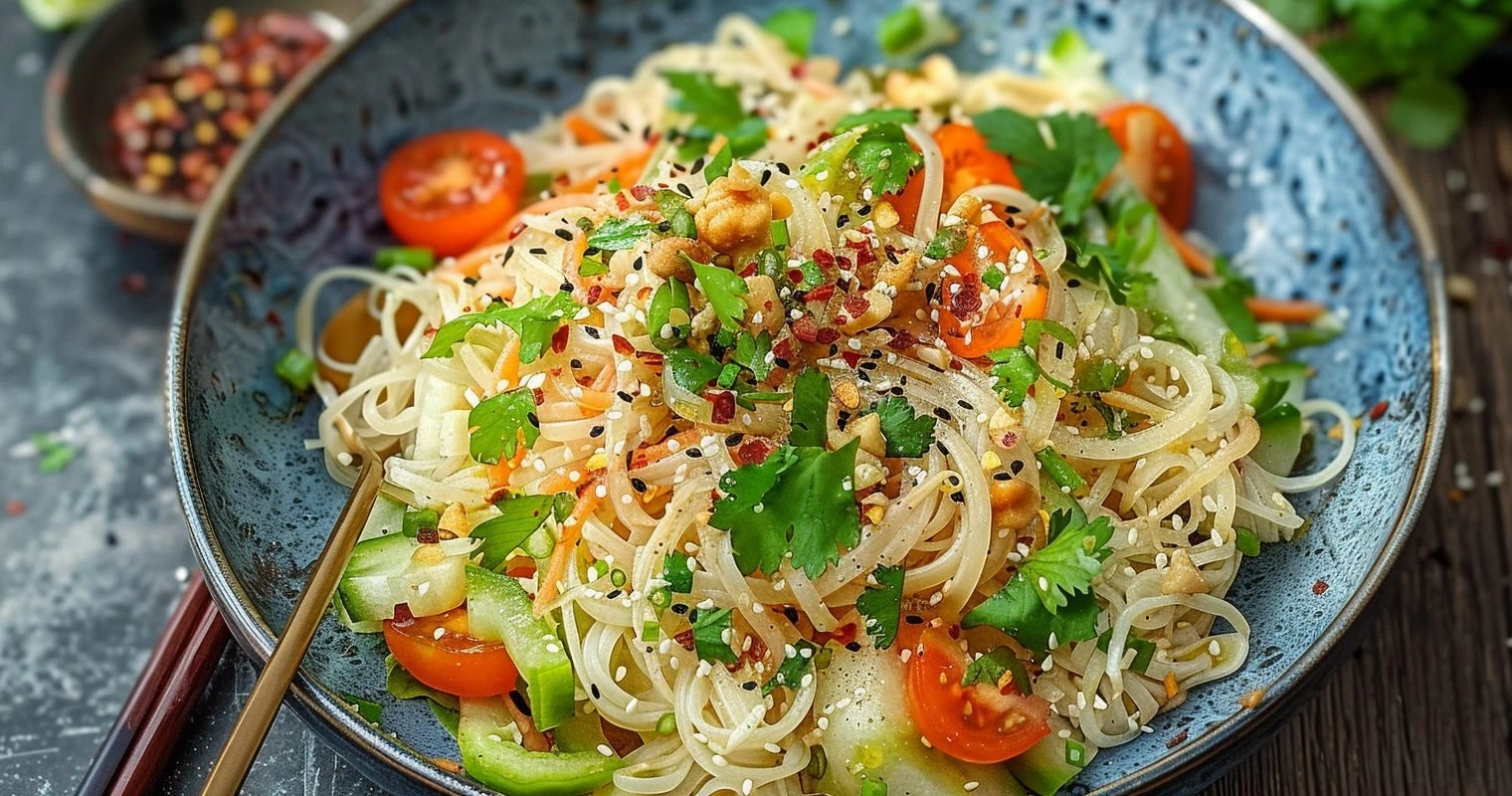
- Julienne your vegetables while the noodles chill — aim for matchsticks about the thickness of a nickel. Consistency is key for that fork-twirling action that makes eating this salad weirdly satisfying. Toss the cut vegetables with a tablespoon of the dressing and let them marinate while you finish prep; this quick pickle softens raw edges and infuses flavor throughout. Keep different colors separate for now — we're building a rainbow and nobody wants muddied colors.
- Drain the noodles thoroughly and spread them on a clean kitchen towel — excess water is the enemy of flavor concentration. Pat them dry like you're caring for a precious vintage car; any remaining water will dilute your carefully balanced dressing. Transfer to a large bowl and toss with half the dressing immediately — hot noodles absorb flavors better than cold ones, and we want every strand saturated. Let them sit for five minutes to soak up the goodness while you prep the final elements.
- Add the marinated vegetables to the noodles and toss with your hands — yes, your hands, because tongs bruise delicate vegetables and don't distribute evenly. Work quickly but gently, lifting from the bottom to keep everything intact. Add more dressing a tablespoon at a time until everything glistens like it's wearing a light coat of armor, not drowning in a pool. The noodles should be glossy and separate, not clumped together like they need couples therapy.
- Toast your sesame seeds now while the salad rests — this timing ensures they're warm and fragrant when they hit the cold salad, creating little pockets of temperature contrast. Use a dry skillet over medium heat and shake constantly; they go from perfect to burnt faster than you can say "takeout." When they start popping like tiny fireworks and smell like heaven, immediately dump them onto a plate to stop cooking. Burnt sesame seeds taste like bitter regret — trust me, I've been there.
- Final assembly happens right before serving: add the fresh herbs, give everything one last gentle toss, and shower with the toasted seeds. Taste and adjust with more acid if it tastes sleepy, more oil if it seems dry, or a splash of soy if it needs depth. This is your moment of truth — the salad should taste bright, complex, and make you close your eyes involuntarily. If it doesn't, add a pinch of salt — nine times out of ten, that's the missing magic.
- Chill for at least 30 minutes to let the flavors marry, but not longer than four hours or the vegetables start to weep and turn everything into soup. If you're meal prepping, store the vegetables and noodles separately and combine just before eating. Serve in shallow bowls that show off the colors, with extra seeds and herbs on the side for people who want to gild the lily. And now the fun part — watching people's eyes widen when they take the first bite and realize they've been eating pasta wrong their entire lives.
Insider Tricks for Flawless Results
The Temperature Rule Nobody Follows
Here's the thing about cold salads — temperature affects flavor more than most people realize. A properly chilled noodle salad should be served at exactly 38°F, which is why restaurant versions taste better than home attempts. Use a kitchen thermometer and chill your serving bowls in the freezer for ten minutes before plating. The cold numbs your taste buds just enough to make the flavors taste brighter and cleaner, like they've been photoshopped. Warm noodles absorb dressing differently and can turn your vegetables limp and sad — keep everything cold until the moment of truth.
Why Your Nose Knows Best
Smell your sesame oil before using it — rancid oil is the silent killer of Asian-inspired dishes. Fresh sesame oil smells nutty and rich, while bad oil has a sharp, almost chemical edge that will ruin everything it touches. Keep it in the fridge door where you'll see it and remember to use it within six months of opening. If you're unsure, heat a teaspoon in a dry pan — good oil will smell like popcorn, while rancid oil will smell like old crayons. Trust your nose over any expiration date — it's never wrong about fat quality.
The 5-Minute Rest That Changes Everything
After you toss the noodles with the first half of dressing, let them sit for exactly five minutes before adding vegetables. This brief rest allows the starches to absorb the flavors fully without turning the vegetables into soggy casualties. Set a timer — too short and the noodles taste separate from the dressing, too long and they start to stick together like they've developed separation anxiety. Use this time to prep your garnishes or clean up; multitasking is the difference between a stressful cooking experience and feeling like you've got this handled.
The Salt Timing Secret
Add salt in layers, not all at once — a pinch to the noodle water, a touch to the vegetable marinade, and a final adjustment at the end. This building technique creates depth that one big dump of salt can't achieve. Taste after each addition and trust that the flavors will meld and intensify as they sit. Under-season slightly if you're making ahead; the salt will draw moisture from vegetables and concentrate as the salad chills. A friend tried skipping this step once — let's just say it tasted like someone forgot to finish writing the recipe.
The Fresh Herb Rule
Fresh herbs go in twice: half get tossed with the salad to infuse their oils throughout, and the remaining half get sprinkled on top right before serving for maximum visual and aromatic impact. Use tender herbs like cilantro, mint, and basil — woody herbs like rosemary will hijack the flavor profile and taste like you're eating a pine forest. Tear them roughly instead of chopping; the torn edges release more aromatic oils and look more organic. And please, for the love of flavor, don't use dried herbs here — they taste like disappointment and will make you wonder why you bothered cooking at all.
Creative Twists and Variations
This recipe is a playground. Here are some of my favorite ways to switch things up:
The Thai Takeover
Swap the rice vinegar for lime juice, add a tablespoon of fish sauce for umami depth, and throw in a handful of torn Thai basil and mint. Shred some red cabbage for color and top with crushed peanuts and crispy shallots. The result tastes like you hijacked a street vendor's cart — bright, funky, and addictive with just enough heat to make your lips tingle pleasantly. Add grilled shrimp or tofu to make it a complete meal that'll transport you to Bangkok faster than a plane ticket.
The Korean Kick
Gochujang replaces the ginger for a fermented, spicy-sweet dimension that'll make your taste buds do a double-take. Add julienned Korean pear for crunch and sweetness, and top with toasted seaweed strips and a soft-boiled egg. The combination of cold noodles with the warm egg creates a temperature contrast that's pure textural poetry. Sprinkle with sesame seeds and sliced scallions, and you've got a dish that tastes like Seoul in summer — complex, bold, and unforgettable.
The Mediterranean Mashup
Use orzo instead of soba, swap sesame oil for olive oil, and add diced cucumber, cherry tomatoes, and kalamata olives. The dressing becomes lemon juice, red wine vinegar, and oregano with a touch of honey. Fold in crumbled feta and fresh dill right before serving. It tastes like someone took the best parts of Greek salad and pasta salad and created a love child that'll make you forget both parents existed. Perfect for potlucks where you want to be the person who brought the thing everyone talks about.
The Protein Powerhouse
Add shredded rotisserie chicken, cooked edamame, and thinly sliced steak for a version that eats like a full meal instead of a side dish. The trick is to season the proteins simply — just salt and pepper — so they don't compete with the dressing. This variation has fed my family through marathon training season, late-night study sessions, and those weeks when cooking feels like climbing Everest. It keeps for four days and tastes better each day as the flavors meld and deepen.
The Veggie Victory
Roast vegetables like zucchini, bell peppers, and eggplant until they're charred and concentrated, then chill them before adding to the noodles. The smoky sweetness plays beautifully against the bright dressing, creating a salad that tastes like summer sunshine captured in bowl form. Add chickpeas for protein and top with crispy pita chips for crunch. Even dedicated carnivores devour this version and ask for seconds — it's that satisfying.
The Peanut Passion
Whisk peanut butter into the dressing for a creamy, nutty version that tastes like satay sauce met pasta salad and decided to get married. Add julienned red bell pepper, bean sprouts, and shredded chicken, then top with crushed peanuts and cilantro. The richness of the peanut butter gets cut by the acid in the dressing, creating a perfectly balanced bite that keeps you coming back for more. Kids love this version — it's like eating takeout but secretly loaded with vegetables.
Storing and Bringing It Back to Life
Fridge Storage
Store in an airtight container with a paper towel on top to absorb excess moisture — your future self will thank you when the vegetables haven't turned into a weepy mess. Press plastic wrap directly onto the surface before sealing to prevent the noodles from drying out and developing that weird skin that tastes like forgotten leftovers. It keeps for up to four days, but the herbs are best added fresh each time you serve. If you notice condensation building up, transfer to a container with a tight seal and add a fresh paper towel — it's like giving your salad a spa day.
Freezer Friendly
Here's a wild card: freeze the dressed noodles (minus vegetables) in portion-sized bags for up to two months. The texture changes slightly — they become more chewy — but it's perfect for those nights when you need dinner faster than delivery. Thaw in the fridge overnight, then refresh with fresh vegetables and herbs. It's not quite the same as fresh, but it's infinitely better than another night of sad takeout. Pro tip: squeeze out all the air before freezing to prevent ice crystals from forming and turning everything into a mushy mess.
Best Reheating Method
Technically this is a cold salad, but if you've added proteins and want to take the chill off, here's how: microwave for 20 seconds max, just to take the refrigerator chill off without warming the vegetables. Or let it sit at room temperature for 15 minutes while you set the table and pour wine — sometimes patience is the best cooking technique. If it tastes flat after storage, brighten it up with a squeeze of lime or a splash of rice vinegar. Add a tiny splash of water before storing leftovers — it steams back to perfection and prevents the dreaded dry noodle syndrome.