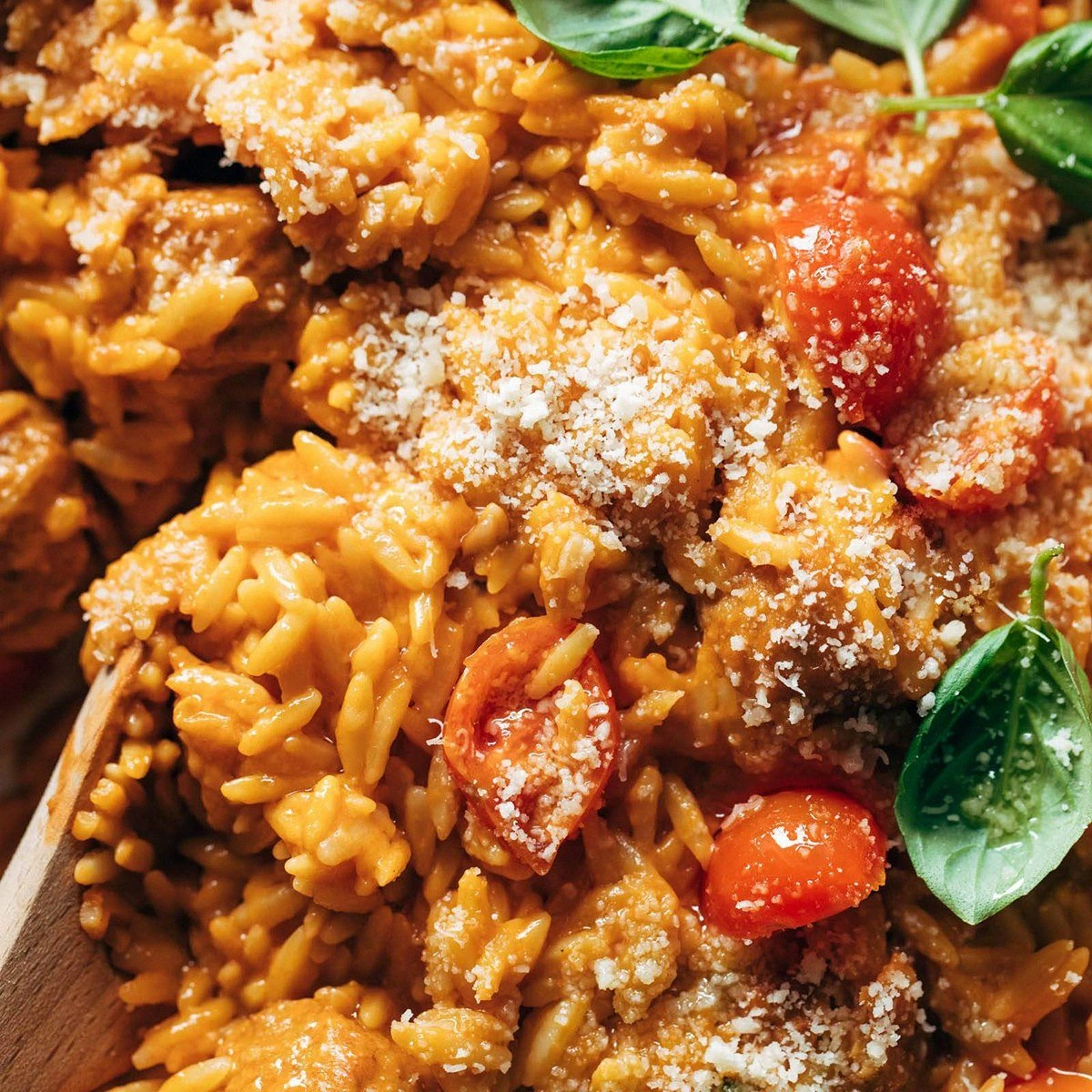
Imagine this: you’re standing over a stovetop that’s been screaming “don’t burn me!” for the past fifteen minutes, the kitchen smells like a Mediterranean market after a rainstorm, and you’ve just realized the orzo you bought is actually a clever little rice‑shaped pasta that’s about to become the star of your dinner. I dare you to taste this and not go back for seconds. That moment when the sauce coats the pasta like velvet and the meatballs burst with juicy goodness? It’s the kind of culinary high‑five that makes you wonder why you ever settled for bland casseroles. This isn’t just another comfort dish; it’s a game‑changer that turned my “meh” weeknight dinner into a celebration of flavor.
The first time I attempted a baked orzo, I ended up with a soggy mess that clung to the pan like an old sweater. I was frustrated, but I refused to give up. I went back to the pantry, pulled out a handful of fresh herbs, a splash of heavy cream, and a secret ingredient that most recipes completely ignore: a quick sear on the meatballs before they go into the oven. That simple step gave the meatballs a caramelized crust that shatters like thin ice when you bite into it. The result? A dish that sings with layers of taste, texture, and that warm, home‑cooked feeling you crave on a chilly Tuesday night.
What truly sets this version apart is the balance between creamy richness and a satisfying bite. The orzo absorbs the sauce just enough to stay buttery without turning mushy, while the meatballs stay firm on the outside and tender inside. I’ll be honest — I ate half the batch before anyone else got to try it, and that’s a confession I’m not ashamed of. Most recipes get the liquid ratio wrong, ending up either dry or swampy. Here, a precise 1:1 ratio of marinara to cream ensures a glossy, luscious coating that stays perfect even after reheating. Picture yourself pulling this out of the oven, the whole kitchen smelling incredible, steam curling up and promising the first forkful will be pure bliss.
And now the fun part: a technique you probably haven’t tried. I’m talking about finishing the bake with a quick broil that creates those golden, slightly crispy edges that make you want to scoop the whole pan onto a plate. This final flourish is the secret weapon that turns an ordinary casserole into a masterpiece. Let me walk you through every single step — by the end, you’ll wonder how you ever made it any other way.
What Makes This Version Stand Out
- Flavor Explosion: The marriage of marinara, heavy cream, and a splash of mozzarella creates a sauce that’s both tangy and decadently smooth, coating each grain of orzo like a silk scarf.
- Texture Symphony: Seared meatballs give you that first‑crunch bite, while the interior stays juicy, and the baked orzo develops a slight crust on the bottom that’s pure comfort.
- Simplicity: With just a handful of pantry staples and a 30‑minute bake, you get a restaurant‑quality dish without a PhD in culinary arts.
- Unique Twist: The quick broil at the end creates caramelized edges that most recipes completely miss, adding a subtle smoky note.
- Crowd Reaction: Serve this at a dinner party and watch people line up for seconds; it’s the kind of dish that sparks compliments and repeat requests.
- Ingredient Quality: Using fresh garlic, good‑quality marinara, and real Parmesan elevates the whole experience — no shortcuts needed.
- One‑Pan Wonder: Everything bakes together in a single dish, meaning less cleanup and more time to enjoy the results.
- Make‑Ahead Friendly: Assemble the night before, refrigerate, and bake fresh in the evening; the flavors meld beautifully overnight.
Inside the Ingredient List
The Flavor Base
The heart of this dish is the marinara‑cream combo. Marinara brings acidity and depth, while the heavy cream adds richness that balances the tang. Skipping the cream? You’ll end up with a sauce that’s bright but thin, lacking that luscious mouthfeel that makes each bite feel indulgent. If you’re dairy‑free, try coconut cream, but expect a subtle coconut note that changes the profile.
The Texture Crew
Orzo is the star carb here. Its rice‑like shape lets it soak up the sauce without disintegrating, giving you that perfect bite. Using a short‑grain rice instead would make the dish gummy, while a larger pasta like penne would miss that intimate coating. Make sure to rinse the orzo briefly after boiling to remove excess starch, which helps the sauce cling better.
The Unexpected Star
Heavy cream isn’t just for richness; it stabilizes the sauce, preventing it from curdling when baked. If you forget the cream, the sauce will separate, leaving a watery bottom layer that ruins the texture. A good tip: use a cream with at least 35% fat for the best emulsification.
The Final Flourish
Fresh herbs—dried oregano and basil—add aromatic layers that lift the dish from plain to unforgettable. Fresh parsley on top right before serving adds a pop of color and a fresh, peppery finish. If you skip the herbs, the dish feels flat, like a movie without a soundtrack.
Everything's prepped? Good. Let's get into the real action...
The Method — Step by Step
-
Preheat your oven to 375°F (190°C). While the oven warms, bring a large pot of salted water to a boil. Add the orzo and cook it al dente—about 8 minutes. You’ll know it’s ready when the grains still have a slight bite, like a perfectly tuned piano key. Drain, rinse briefly, and set aside. This step is crucial because overcooked orzo will turn mushy during the bake.
-
Meanwhile, in a mixing bowl, combine ground beef, breadcrumbs, the egg, Parmesan, minced garlic, chopped onion, oregano, basil, salt, and pepper. Mix gently with your hands—over‑mixing creates dense meatballs that feel like a brick. Form the mixture into 1‑inch balls; you should get about 12‑14 meatballs. Watch out: if the mixture feels too wet, add a tablespoon more breadcrumbs; if too dry, a splash of milk will rescue it.
-
Heat 1 tablespoon of olive oil and 1 tablespoon of butter in a large skillet over medium‑high heat. Once shimmering, add the meatballs, leaving space between each. Sear them until each side is golden brown, about 2‑3 minutes per side. You’ll hear a satisfying sizzle that tells you a crust is forming.
Kitchen Hack: Finish searing the last batch of meatballs in the same pan without adding more oil; the accumulated fond adds depth to the sauce. -
Remove the meatballs and set them on a plate. In the same skillet, add the remaining olive oil and butter, then pour in the marinara sauce. Stir in the heavy cream, letting it simmer for 3‑4 minutes until the sauce thickens slightly and takes on a pinkish hue. Taste and adjust seasoning; this is where your nose knows best—if it smells like a cozy Italian kitchen, you’re on track.
-
Combine the cooked orzo with the sauce, tossing gently to ensure every grain is coated. Transfer half of this mixture into a greased 9‑x‑13‑inch baking dish, spreading it into an even layer. Nestle the seared meatballs on top, arranging them in a single layer so each gets a chance to crisp up. Pour the remaining orzo‑sauce mixture over the meatballs, smoothing the surface with a spatula.
-
Sprinkle shredded mozzarella evenly across the top. For an extra golden finish, add a light dusting of extra Parmesan. This creates that melt‑and‑bubble effect we all love. If you like a little heat, now’s the moment to dash in a pinch of red‑pepper flakes.
-
Cover the dish with aluminum foil and bake for 20 minutes. After 20 minutes, remove the foil and switch the oven to broil for the final 3‑5 minutes. Keep a close eye on it; you want the cheese to turn a deep, bubbly gold without burning. The edges will start pulling away from the sides, signaling the perfect crust is forming.
-
Remove the bake from the oven and let it rest for 5 minutes. This resting period lets the sauce settle and the flavors meld, preventing a soggy bottom. Garnish with chopped fresh parsley for a burst of color and freshness. Serve hot, and watch as plates disappear faster than you can say “delicious.”
That's it — you did it. But hold on, I've got a few more tricks that'll take this to another level...
Insider Tricks for Flawless Results
The Temperature Rule Nobody Follows
Always bake at 375°F instead of a higher temperature. Higher heat can cause the sauce to evaporate too quickly, leaving the orzo dry. A steady moderate temperature allows the cream to meld with the marinara, creating that silky mouthfeel. Trust me, I tried 425°F once and ended up with a burnt top and a dry interior.
Why Your Nose Knows Best
Use your sense of smell as a guide. When the sauce is simmering, you should detect a faint caramel note from the garlic and onion. If the aroma is still raw, let it cook an extra minute. This sensory checkpoint prevents under‑cooked flavors that can ruin the dish.
The 5‑Minute Rest That Changes Everything
After baking, let the casserole sit uncovered for exactly five minutes. This short rest allows the cheese to set, making slicing cleaner and preventing the sauce from spilling over the plate. It also gives the meatballs a chance to re‑absorb some of the sauce, keeping them juicy.
Cheese Layering Magic
Instead of dumping all the mozzarella at once, split it: half mixed into the sauce and half on top. The internal cheese melts into the sauce for richness, while the top layer browns beautifully, giving you that contrast of creamy interior and crispy exterior.
Pan‑to‑Oven Transfer Trick
If you’re short on oven‑safe dishes, use a cast‑iron skillet. After searing the meatballs, you can directly add the sauce and orzo, then pop the whole skillet into the oven. This saves time, reduces dishes, and the skillet’s heat retention ensures an even bake.
Creative Twists and Variations
This recipe is a playground. Here are some of my favorite ways to switch things up:
Spicy Sausage Swap
Replace the ground beef with Italian sausage, removing the meatball shaping step. The sausage’s fennel seed adds a subtle licorice note, and the dish gets a natural heat boost. Perfect for those who love a little kick.
Greek‑Inspired
Swap marinara for a robust tomato‑olive sauce, add crumbled feta, and sprinkle oregano and lemon zest. The tangy feta contrasts with the creamy base, creating a Mediterranean twist that’s bright and refreshing.
Vegetarian Delight
Use chickpea or lentil “meatballs” seasoned with cumin and smoked paprika. The plant‑based balls hold together well and absorb the sauce, offering a hearty, protein‑rich alternative without meat.
Cheesy Overload
Mix in a handful of grated Gruyère or smoked mozzarella with the mozzarella for a deeper, nutty flavor. The extra cheese creates an even richer, gooey top that stretches like a dream.
Herbaceous Summer
Add a handful of fresh basil leaves and a drizzle of pesto after baking. The fresh herb notes brighten the dish, making it feel light enough for a summer evening.
One‑Pot Comfort
Combine the orzo, sauce, and uncooked meatball mixture in a deep casserole dish, then bake uncovered for the full 40 minutes. This version skips the stovetop steps and still delivers a comforting, cohesive dish.
Storing and Bringing It Back to Life
Fridge Storage
Let the baked orzo cool to room temperature, then transfer it to an airtight container. It will keep fresh for up to three days. When reheating, add a splash of milk or broth to revive the creaminess, and cover with foil to prevent the top from drying out.
Freezer Friendly
Portion the cooled casserole into freezer‑safe bags or containers, leaving a little headroom for expansion. Freeze for up to two months. To reheat, thaw overnight in the fridge, then bake at 350°F for 20‑25 minutes, covered, until heated through.
Best Reheating Method
The secret to a perfect reheated slice is a gentle steam. Place the portion in a microwave‑safe dish, sprinkle a teaspoon of water over the top, and cover loosely with a microwave‑safe lid. Heat in 30‑second bursts, stirring gently after each burst, until the sauce is glossy again.