I still remember the night I tried to make fish and chips for the first time. The kitchen was a battlefield: flour everywhere, a sizzling pan that seemed to have a mind of its own, and a fish fillet that slipped out of my hand like a slippery eel. The batter cracked, the oil hissed, and I nearly set the countertop on fire. That disaster was the spark that lit my obsession with finding the perfect version of this classic dish.
Picture this: a golden batter that shatters like thin ice, a scent of freshly brewed beer mingling with sea salt, the sound of a deep‑fried symphony, and a crunch that sends your taste buds dancing. The fish inside stays tender and flaky, almost melting in your mouth, while the fries are hand‑cut, thick, and perfectly crisp on the outside and fluffy on the inside. The whole experience feels like a seaside stroll on a sunny afternoon, but you’re in your own kitchen.
What makes this version stand out is that it balances simplicity with depth. The batter is airy and crisp thanks to the cold beer and a touch of baking soda, while the seasoning blend gives it a subtle smokiness that elevates every bite. The fries are tossed in olive oil and sea salt, then baked to a perfect golden finish before the final fry, saving you from greasy overload. Every element is thoughtfully chosen to create a dish that feels indulgent yet approachable.
I dare you to taste this and not go back for seconds. I’ll be honest—when I first tried it, I ate half the batch before anyone else got a chance to taste. The secret? A light beer batter that keeps the fish moist and a crisp coating that doesn’t turn soggy. That’s the game‑changer you need to make your kitchen the talk of the town.
Picture yourself pulling this out of the oven, the whole kitchen smelling incredible, and your guests lining up for a bite. The anticipation is half the fun, and the final product is the reward. If you’ve ever struggled with this, you’re not alone—there are a few tricks that make all the difference. Let me walk you through every single step—by the end, you’ll wonder how you ever made it any other way.
What Makes This Version Stand Out
- Taste: The batter is light and airy, with a subtle beer flavor that pairs beautifully with the natural sweetness of the fish. The seasoning blend—paprika, garlic powder, and a dash of black pepper—adds depth without overpowering the delicate fillets.
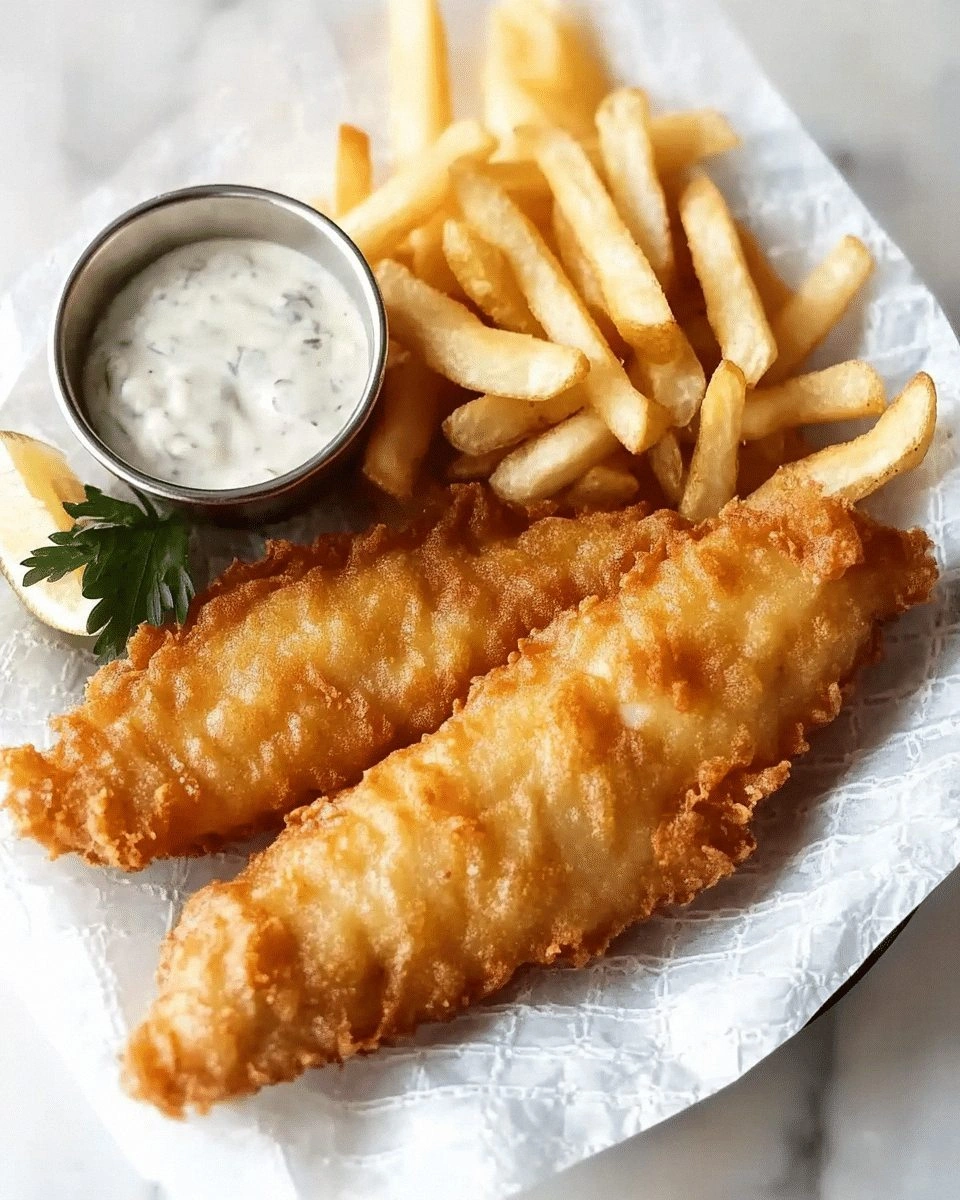
- Texture: The coating crisps to a perfect golden crunch while the interior stays moist and flaky. The fries are hand‑cut and double‑fried, giving them a buttery interior and a crisp exterior that satisfies every crunch lover.
- Simplicity: Only a handful of pantry staples are required, so you can whip this up in under an hour. The method is straightforward, yet every step is designed to maximize flavor.
- Uniqueness: Using cold beer in the batter gives the coating a delicate fizz that creates a lighter texture. Adding cornmeal to the batter gives a subtle crunch and helps the coating adhere to the fish.
- Crowd Reaction: Friends and family rave about the contrast between the crispy batter and the tender fish. It’s the kind of dish that turns a casual dinner into a memorable gathering.
- Ingredient Quality: Fresh cod or haddock, cold beer, and high‑quality olive oil are the backbone of this recipe. Choosing the right fish ensures the best flavor and texture.
- Cooking Method: A two‑step frying process—first for the batter, then for the fries—keeps everything crisp and reduces greasiness.
- Make‑Ahead Potential: The batter can be prepared ahead of time and stored in the refrigerator for up to 24 hours, making it perfect for busy weeknights.
Inside the Ingredient List
The Flavor Base
The batter is the heart of this dish. It’s a blend of all‑purpose flour, cornmeal, baking soda, and a splash of cold beer. The beer adds a subtle malty sweetness and helps create a light, airy crust that doesn’t become heavy. Without it, the coating would feel dense and cloying. If you’re looking for a gluten‑free option, swap the flour for a 1:1 blend of rice flour and potato starch.
The seasoning mix—salt, pepper, paprika, garlic powder—provides a smoky undertone that elevates the fish’s natural flavor. A pinch of cayenne can add a mild heat if you like a little kick. Skipping any of these spices will result in a bland coating that won’t excite the palate.
The Texture Crew
Cornmeal is the secret to a slightly gritty, satisfying bite that keeps the batter from slipping off the fish. It also adds a subtle crunch that contrasts beautifully with the softness of the fish inside. If cornmeal is unavailable, you can use crushed cornflakes or breadcrumbs, though the texture will differ.
The fries are the perfect partner. Hand‑cut potatoes are tossed in olive oil and sea salt, then baked at 425°F to develop a golden crust before the final fry. This two‑step process ensures they’re crisp without being greasy. If you’re short on time, you can skip the bake, but you’ll need to fry the fries for a longer period to achieve the same crispness.
The Unexpected Star
Lemon juice and fresh dill add a bright, herbal finish that cuts through the richness of the batter and fries. A squeeze of lemon right before serving brightens the flavor profile, while dill brings a fresh, slightly grassy note. Without this bright element, the dish can feel heavy and over‑fatted.
The tartar sauce, a blend of mayo, ketchup, mustard, and a splash of vinegar, provides a creamy, tangy contrast that’s essential for a true fish and chips experience. If you’re vegan, you can substitute the mayo with a plant‑based alternative.
Everything’s prepped? Good. Let’s get into the real action.
The Method — Step by Step
- Prep the fish. Pat the cod fillets dry with paper towels. Season each fillet with salt, pepper, and a pinch of paprika. Let them sit while you prepare the batter; this helps the seasoning adhere and keeps the fish from releasing excess moisture.
- Make the batter. In a bowl, whisk together 2 cups flour, 1 cup cornmeal, 1 tsp baking soda, 1 tsp salt, 1 tsp pepper, 1 tsp paprika, and 1 tsp garlic powder. Slowly pour in 1 cup cold beer while whisking until the mixture is smooth and slightly thick. The batter should be thick enough to coat the fish but still pourable.
- Heat the oil. In a deep skillet or fryer, heat 3 cups of oil to 375°F. Use a thermometer to ensure the temperature stays consistent; too hot and the batter will burn, too cool and it will become greasy.
- Coat the fish. Dip each fillet into the batter, allowing excess to drip off. Carefully slide the coated fillet into the hot oil. Fry for 4–5 minutes on each side or until a golden crust forms and the fish flakes easily when tested with a fork.
- Drain and rest. Remove the fish from the oil and place on a rack or paper towels to drain. Let it rest for a minute; this keeps the batter crisp and prevents it from becoming soggy.
- Prepare the fries. Toss the potato wedges in 2 tbsp olive oil and 1 tsp sea salt. Spread them on a baking sheet and bake at 425°F for 15 minutes, turning halfway. The bake step locks in flavor and creates a crispy exterior.
- Finish the fries. Remove the fries from the oven and immediately fry them in the same oil at 375°F for 3–4 minutes or until golden. This double‑fry technique ensures a crunchy outside and a fluffy inside.
- Plate and finish. Arrange the battered fish on a platter with the fries on the side. Drizzle lemon juice over the fish, sprinkle fresh dill, and serve with a side of homemade tartar sauce. A sprinkle of chopped parsley adds a pop of color and freshness.
- Serve immediately. The dish is best enjoyed hot and crisp. The batter should crackle when you bite into it, and the fries should give a satisfying crunch.
That’s it—you did it. But hold on, I’ve got a few more tricks that’ll take this to another level.
Insider Tricks for Flawless Results
The Temperature Rule Nobody Follows
Temperature control is the secret weapon in any frying endeavor. If you’re using a deep fryer, set it to 375°F and let it stabilize for 10 minutes before adding the batter. A sudden spike can cause uneven cooking, leading to a soggy coating. I once tried to skip the temperature check and ended up with a greasy mess that tasted like cardboard. Don’t make that mistake.
Why Your Nose Knows Best
When the batter hits the oil, the aroma should be a sharp, clean beer scent with a hint of toasted flour. If you smell a sour or off note, the oil is likely too hot or old. A fresh scent indicates the oil is at the right temperature and the batter will crisp properly.
The 5-Minute Rest That Changes Everything
After frying, let the fish rest for at least 5 minutes on a rack. This allows the steam to escape, preventing the crust from becoming soggy. I’ve seen even the best batter collapse if the fish sits too long on paper towels; the rest period keeps it crisp.
Use a Splatter Guard
Oil splatters are inevitable, but a splatter guard keeps the kitchen clean and prevents accidental burns. I use a silicone splatter screen that’s easy to clean and fits most pans. It’s a small investment that pays off in safety and convenience.
Season the Fries Right
Seasoning the fries after the first bake and before the final fry is key. The oil can’t absorb seasoning while hot, so sprinkle salt and a dash of paprika after the bake and before the final fry. This ensures the seasoning sticks and adds flavor.
Creative Twists and Variations
This recipe is a playground. Here are some of my favorite ways to switch things up:
Spicy Cajun Bites
Swap the paprika for a Cajun spice blend and add a pinch of cayenne to the batter. The fries get a dusting of smoked paprika for a smoky, spicy finish. This version is perfect for heat lovers.
Herb‑Infused Delight
Add fresh rosemary and thyme to the batter for an aromatic twist. Finish the fries with a drizzle of olive oil and a sprinkle of chopped parsley. The herbs elevate the dish to a gourmet level.
Vegan Version
Use a plant‑based fish alternative or firm tofu as the protein. Replace the milk with oat milk in the batter and use a vegan mayo for the tartar sauce. The result is a cruelty‑free, still‑crunchy feast.
Sweet Potato Fries
Swap regular potatoes for sweet potato wedges. Toss them with cinnamon and a touch of brown sugar before the final fry. The sweetness balances the savory fish wonderfully.
Asian‑Inspired Fusion
Add a splash of soy sauce and ginger to the batter. Serve with a side of wasabi mayo and pickled ginger. This fusion gives the dish an exciting new dimension.
Low‑Fat Alternative
Bake the fish and fries at 400°F instead of frying. Coat the fish with a light batter and bake for 20 minutes. The result is a healthier version that still delivers on flavor.
Storing and Bringing It Back to Life
Fridge Storage
Store leftover fish and fries separately in airtight containers. The fish should be kept in the fridge for up to 2 days, while the fries can last up to 3 days. Keep them on a paper towel to absorb excess moisture.
Freezer Friendly
Wrap the fish and fries in parchment paper and place them in freezer bags. Freeze for up to 2 months. Thaw overnight in the refrigerator before reheating.
Best Reheating Method
Preheat your oven to 425°F. Spread the fish and fries on a baking sheet and bake for 10 minutes, flipping halfway. Add a splash of water to the tray before reheating to steam the food and keep it moist. The result is a crisp, fresh‑like texture.