Picture this: it’s a rainy Tuesday, the kind that makes you stare longingly at the kitchen window while the city drizzles its gray lullaby. You’ve tried ordering takeout, but the delivery guy got stuck in traffic, and the last thing you want is a soggy bag of noodles that tastes like a soggy dream. I was there, muttering a half‑hearted promise to “just make something quick” when a sudden craving for that perfect balance of salty, sweet, and umami hit me like a flash of lightning. I grabbed whatever was in the pantry, threw a handful of veggies into the pan, and—miraculously—ended up with a bowl of chicken lo mein that made me question every other lo mein recipe I’d ever tried.
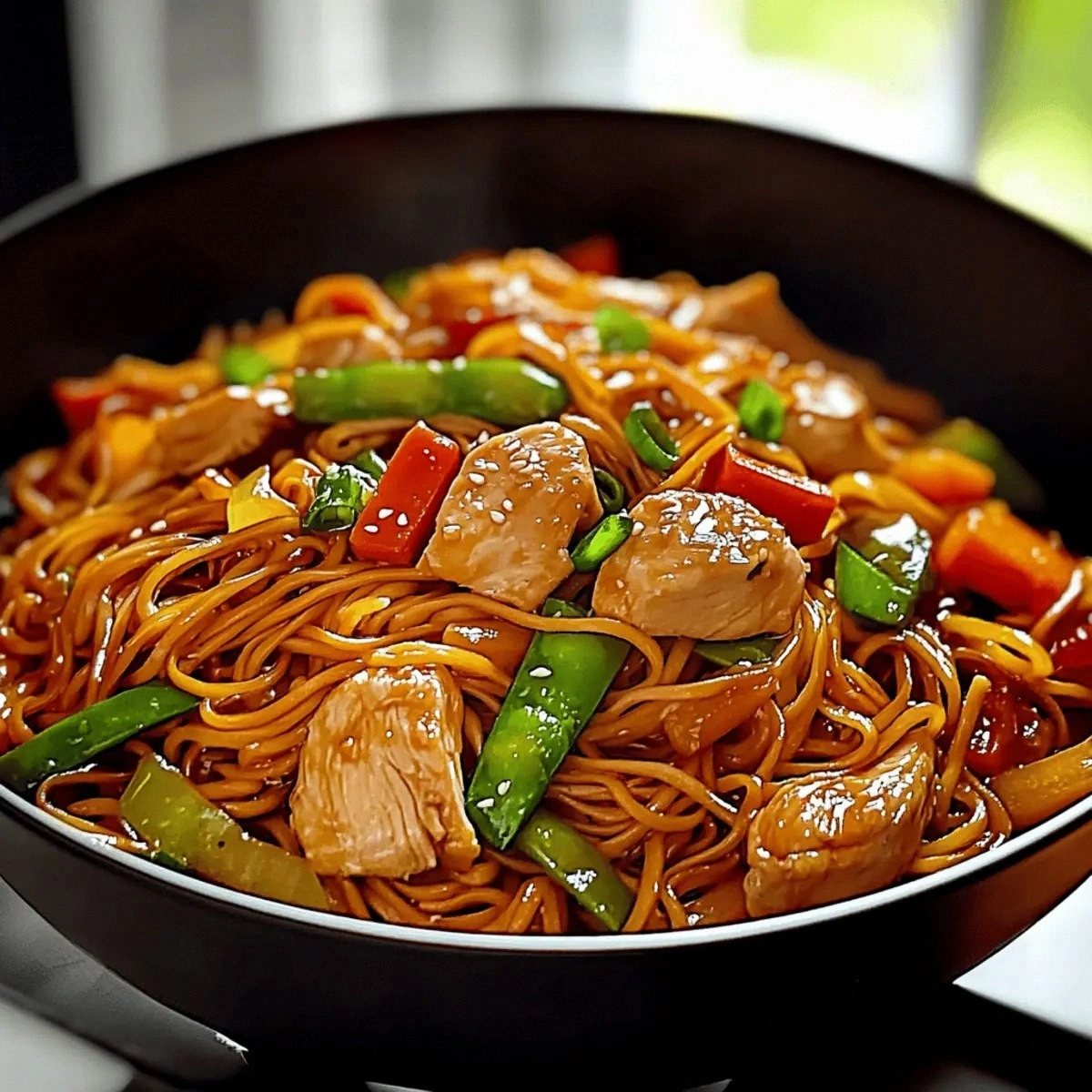
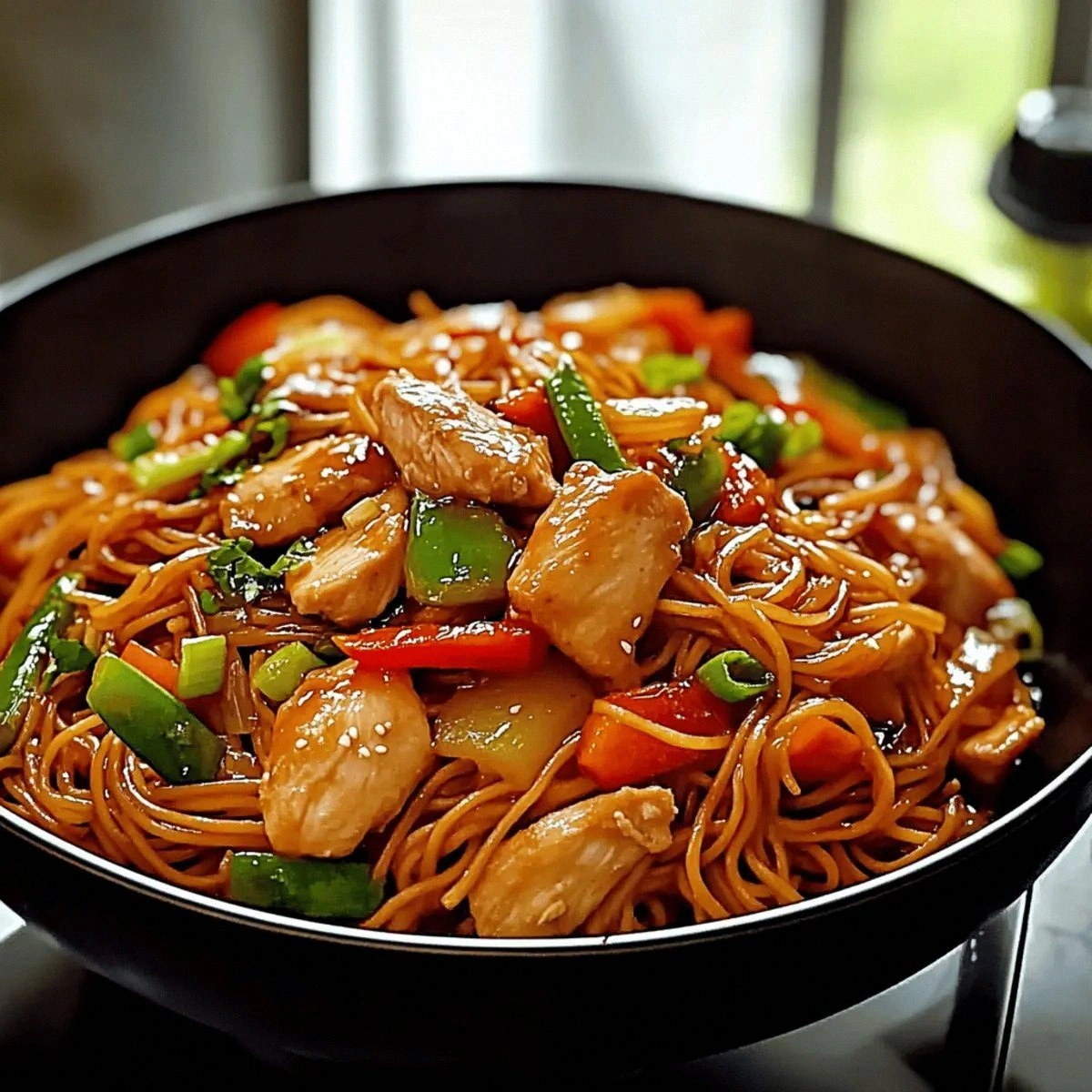
The moment the sauce hit the hot wok, the kitchen filled with a scent that could convince a monk to break his fast. The aroma of minced garlic mingling with sesame oil was thick enough to paint the walls, while the sizzle of the chicken was a rhythmic drumbeat that kept my heart racing. You could hear the noodles sliding against the pan, a soft, buttery whisper that promised a texture so silky it would glide over your tongue like a silk scarf on a summer breeze. The colors—vibrant orange carrots, glossy green onions, and ruby‑red bell peppers—were a visual feast that made the dish look as good as it tasted.
What makes this version a game‑changer? Most lo mein recipes drown in a sea of bland soy sauce or over‑cook the noodles until they’re mushy. I’ve cracked the code: a quick flash‑fry that locks in moisture, a sauce that coats the noodles like velvet, and a finishing drizzle of sesame oil that adds a nutty perfume you can’t ignore. Plus, the secret weapon— a splash of honey (or sugar) that balances the salt and gives the dish that subtle caramel kiss that most recipes completely miss.
And here’s the kicker: you’ll have this masterpiece on the table in under 35 minutes, from start to finish, without breaking a sweat. I dare you to taste this and not go back for seconds—your taste buds will file a formal complaint if you don’t. Let me walk you through every single step — by the end, you’ll wonder how you ever made it any other way.
What Makes This Version Stand Out
- Flavor Explosion: The combination of soy sauce, a touch of honey, and sesame oil creates a layered taste that evolves with every bite, delivering sweet, salty, and nutty notes in perfect harmony.
- Texture Triumph: By flash‑frying the noodles just long enough, they stay firm on the outside with a tender bite inside—no more limp, soggy noodles.
- Simplicity Meets Sophistication: Only ten ingredients, all pantry‑friendly, yet the result feels like it was crafted in a high‑end Asian kitchen.
- Speed Without Compromise: From prep to plate in 35 minutes, making it ideal for weeknight dinners or unexpected guests.
- Crowd‑Pleaser Factor: Even the pickiest eaters love the bright veggies and juicy chicken, making it a safe bet for family meals.
- Ingredient Quality: Fresh bell peppers and carrots add crunch, while the chicken breasts stay moist thanks to a quick sear.
- One‑Pan Wonder: Everything happens in a single wok or large skillet, minimizing cleanup and maximizing flavor.
- Make‑Ahead Potential: Prep the veggies and sauce ahead of time; the final assembly is a breeze, perfect for busy evenings.
Inside the Ingredient List
The Flavor Base
First up, the sauce: a quarter‑cup of soy sauce provides that essential salty backbone, while a tablespoon of sugar or honey introduces a whisper of sweetness that cuts through the saltiness. The sesame oil, though used sparingly at two tablespoons, is the real star—its toasted aroma lifts the entire dish, turning a simple stir‑fry into something that feels restaurant‑grade. Minced garlic, three cloves, brings that unmistakable pungent kick that makes the whole pan sing, and if you love garlic, feel free to add a little extra; just remember, you’re building layers, not a wall of flavor.
If you’re watching the sodium, swap half the soy sauce for low‑sodium version and add a splash of rice vinegar for brightness. The optional spices—think a pinch of crushed red pepper flakes or five‑spice powder—are your invitation to personalize the dish; they’re not mandatory, but they can turn a good lo mein into an unforgettable one.
The Texture Crew
The vegetables are the crunch factor that keeps every forkful interesting. One cup of bell peppers, diced, brings a sweet, slightly crisp bite that contrasts beautifully with the silky noodles. Carrots, also one cup, add an earthy sweetness and a pop of orange that makes the plate look like a painter’s palette. Green onions, half a cup, are added at the end to preserve their fresh, sharp flavor and vibrant green color, preventing them from wilting into obscurity.
When selecting bell peppers, aim for firm, glossy skins—any soft spots mean they’ll release water and make the dish soggy. Carrots should be peeled and cut into matchsticks; this shape ensures they cook quickly while still offering that satisfying snap. If you’re out of green onions, thinly sliced scallions or chives work just as well, though the flavor profile will shift slightly toward a milder onion note.
The Unexpected Star
Chicken breasts, one pound, are the protein powerhouse here. They’re lean, quick to cook, and absorb the sauce like a sponge, delivering juicy bites in every mouthful. The secret to perfect chicken? Slice it thinly against the grain, then season lightly with salt and pepper before searing. This ensures a quick, even cook and prevents the chicken from drying out—a common pitfall in many rushed recipes.
For a twist, you can substitute thigh meat for extra juiciness, or even toss in shrimp for a surf‑and‑turf version. The key is to keep the protein pieces uniform so they finish cooking at the same time, preserving that coveted “just‑right” texture.
The Final Flourish
Finally, the noodles themselves—eight ounces of lo‑mein noodles—are the canvas for this culinary masterpiece. They should be boiled just until al dente, then drained and tossed with a drizzle of sesame oil to keep them from sticking. This pre‑coat is essential; it creates a barrier that helps the sauce cling without turning the noodles mushy.
When buying noodles, look for fresh, egg‑based lo mein if you can find it; they have a richer flavor and silkier texture than the dried variety. If you’re using dried noodles, give them an extra minute of cooking and rinse them briefly under cold water to stop the cooking process before they hit the wok.
Everything's prepped? Good. Let's get into the real action...
The Method — Step by Step
Start by bringing a large pot of salted water to a rolling boil. Drop the eight ounces of lo mein noodles in, and cook them for just 3‑4 minutes, or until they’re al dente—think firm bite, not mush. Drain them in a colander, give them a quick rinse with cold water, and toss them with a tablespoon of sesame oil to keep them from clumping. This step is crucial; it creates a non‑sticky base that lets the sauce coat every strand perfectly. Set the noodles aside while you prep the rest of the ingredients.
While the noodles are cooking, slice the chicken breasts into thin, bite‑size strips, cutting against the grain for maximum tenderness. Season the chicken lightly with a pinch of salt, pepper, and—if you’re feeling adventurous—a dash of the optional spices. Heat a large wok or skillet over medium‑high heat, then add one tablespoon of sesame oil. When the oil shimmers, lay the chicken strips in a single layer, letting them sizzle without moving them for about 1‑2 minutes. This sear locks in juices; you’ll hear a satisfying “pop” as the meat hits the pan.
Once the chicken is golden brown on the edges (about 3‑4 minutes total), add the three minced garlic cloves and let them perfume the oil for 30 seconds. Then, toss in the sliced bell peppers and carrot matchsticks, stirring constantly. The vegetables should stay crisp‑tender—cook them for 2‑3 minutes, just until their colors brighten and they start to soften at the edges. You’ll hear a gentle hiss as the moisture evaporates, a sign that the veggies are reaching that perfect “just‑right” crunch.
Now, it’s time for the sauce. In a small bowl, whisk together the quarter‑cup soy sauce, one tablespoon of sugar or honey, and the remaining tablespoon of sesame oil. Add a splash of water (about two tablespoons) to loosen the mixture, then pour it over the chicken and veggies. Stir everything together, allowing the sauce to bubble and thicken for about a minute. You’ll notice the sauce begins to cling to each ingredient, creating a glossy coating that looks like a lacquered masterpiece.
Fold the pre‑cooked noodles into the wok, tossing them gently to combine with the chicken, veggies, and sauce. Use tongs or two spatulas to lift and turn the noodles, ensuring every strand gets a generous coating. The noodles should heat through in about 2 minutes, absorbing the flavors without over‑cooking. At this stage, sprinkle the half‑cup of green onions over the top, reserving a small handful for garnish.
Give the dish a final taste test. If you crave a little more sweetness, drizzle an extra half‑teaspoon of honey; if you like heat, sprinkle a pinch of red pepper flakes. Once satisfied, turn off the heat and let the wok sit for a minute—this resting period allows the flavors to meld, creating that “just‑right” harmony you’ve been building toward.
Serve the lo mein hot, straight from the wok onto a large platter or individual bowls. Garnish with the remaining green onions and, if you like, a light drizzle of additional sesame oil for extra aroma. The steam rising from the bowl will carry the scent of garlic, soy, and toasted sesame—an invitation that no one can resist. That sizzle when it hits the pan? Absolute perfection. And now the fun part: dig in and watch everyone disappear back for seconds.
That's it — you did it. But hold on, I've got a few more tricks that'll take this to another level...
Insider Tricks for Flawless Results
The Temperature Rule Nobody Follows
High heat is your secret weapon. Keep the wok smoking hot; this ensures the chicken sears quickly and the vegetables retain their crunch. If the temperature drops, the ingredients will start to steam, leading to soggy noodles. I once tried cooking on medium heat and ended up with a mushy mess—lesson learned. So, pre‑heat your wok for at least two minutes before anything hits the surface.
Why Your Nose Knows Best
The moment you smell the garlic turning golden, you know you’re on the right track. Aromas are a reliable indicator of doneness—if the garlic starts to smell bitter, it’s overcooked. Trust that nose; it’s more accurate than a timer for the final stir‑fry stage. When the sauce starts to shimmer and you catch that sweet‑savory perfume, you’ve reached peak flavor.
The 5‑Minute Rest That Changes Everything
After you turn off the heat, let the lo mein sit for exactly five minutes. This short rest allows the noodles to absorb any remaining sauce, making each bite juicier. Skipping this step is a common mistake that leaves the dish tasting a bit dry. I used to serve it straight away, only to hear diners ask for more sauce. Now, the rest period guarantees a perfectly balanced mouthfeel.
Seasoning Layers, Not a Dump
Instead of dumping all the soy sauce at once, add it gradually while stirring. This technique prevents the noodles from becoming overly salty and gives you control over the final taste. It also helps the sauce cling better, because each addition is absorbed before the next. Think of it as building a flavor wall brick by brick.
Prep Like a Pro
All vegetables should be sliced before the pan heats up. This eliminates frantic chopping mid‑cook, which can cause you to over‑cook the chicken while you’re busy with the knife. Keep a bowl of pre‑measured sauce nearby so you can pour it in a smooth, confident motion. The smoother the workflow, the better the final texture.
Creative Twists and Variations
This recipe is a playground. Here are some of my favorite ways to switch things up:
Spicy Szechuan Kick
Swap the optional spices for a tablespoon of Szechuan peppercorns and a drizzle of chili oil. The tongue‑tingling numbing sensation pairs beautifully with the sweet‑savory sauce, turning a classic into a bold adventure. Perfect for heat‑seekers who love a little drama on their plate.
Garlic‑Lemon Fusion
Add the zest of one lemon and a splash of fresh lemon juice right at the end of cooking. The citrus brightens the dish, cutting through the richness of the sesame oil and giving it a fresh, summery vibe. Great for those who love a tangy twist.
Veggie‑Only Version
Omit the chicken and double the bell peppers, carrots, and add sliced mushrooms or snap peas. Use tofu cubes for protein if you prefer a plant‑based meal. The tofu absorbs the sauce just as well, offering a silky texture that complements the crunchy vegetables.
Peanut Butter Peanut‑Licious
Stir in a tablespoon of smooth peanut butter with the sauce for a creamy, nutty depth. This variation gives the lo mein an unexpected richness reminiscent of Thai peanut noodles, and it’s a hit with kids who love a subtle peanut flavor.
Breakfast Lo Mein
Top the finished dish with a fried egg or scrambled tofu for a breakfast‑style twist. The runny yolk creates a luxurious sauce that mingles with the existing glaze, making it a hearty start to the day. Serve with a side of fresh fruit for balance.
Storing and Bringing It Back to Life
Fridge Storage
Transfer leftovers to an airtight container and refrigerate within two hours of cooking. The lo mein will stay fresh for up to three days. When reheating, add a splash of water or broth to restore moisture, then stir‑fry on medium heat for two minutes.
Freezer Friendly
Portion the cooked lo mein into freezer‑safe bags, removing as much air as possible. It freezes well for up to two months. To reheat, thaw overnight in the fridge, then toss in a hot wok with a dash of sesame oil and a splash of water to revive the glossy texture.
Best Reheating Method
The stovetop stir‑fry is the champion method; it revives the noodles’ bite and re‑caramelizes the sauce. Microwaving can make the noodles rubbery, so avoid it if you can. If you’re in a hurry, a quick 30‑second zap followed by a brief skillet finish works decently.