It started with a midnight snack that turned into a culinary catastrophe. I had been scrolling through endless recipe blogs, craving something quick yet satisfying, and decided to give Korean fish cakes a shot. The moment I dropped the first sheet into a hot pan, the kitchen erupted in a chorus of sizzling sounds and a fragrant steam that made my eyes water. I stared at the pan, half‑expecting the fish cake to turn into a charred mess, but instead it released a golden crust that crackled like fresh popcorn. That single, unexpected success was the spark that ignited this recipe.
Imagine the bright yellow glow of a kitchen lamp reflecting off the pan, the sharp scent of garlic mingling with the sweet umami of fish sauce, and the sound of a skillet humming like a contented cat. Your eyes catch the glossy sheen of olive oil as it glides over the fish, while your fingers feel the heat of the pan, the rhythm of the stir, and the satisfying resistance of the fish cake’s surface. The first bite is a burst of savory, slightly sweet flavors that dance on your tongue, followed by a subtle heat from black pepper that lingers just enough to keep you coming back for more. The texture is a harmonious blend of crispy edges and tender, melt‑in‑your‑mouth center that feels like a delicate balance between crunch and silk.
This version stands out because I’ve stripped away the fluff and focused on pure flavor, texture, and convenience. I’ve chosen ingredients that work in harmony, avoiding the common pitfalls of over‑seasoning or under‑cooking that plague many Korean fish cake recipes. The result is a dish that feels both exotic and familiar, with a depth of flavor that makes it a crowd‑pleaser at any gathering. It’s a recipe that you can trust to deliver, no matter how busy or inexperienced you are.
What sets this apart is a secret technique: the “double‑simmer” method that locks in moisture while creating a caramelized crust. I dare you to taste this and not go back for seconds, because the combination of fish cake, olive oil, and a dash of Dasida powder creates a savory, almost meaty flavor that will leave you craving more. The first time I tried it, I was half‑laughing and half‑crying—half because it was delicious, half because I didn’t want to finish the entire batch.
Picture yourself pulling this out of the pan, the whole kitchen smelling incredible, the steam rising in a fragrant cloud that promises a feast. The sizzling sound is like a drumbeat that tells you the dish is ready to be devoured. The aroma of soy sauce and garlic wafts through the air, making even the most reluctant diners line up for a plate. It’s a moment that turns an ordinary meal into a celebration.
Now, I’m going to walk you through every single step—by the end, you’ll wonder how you ever made it any other way. From the precise slicing of the fish cake to the final flourish of green onion, I’ll share every trick, every hack, and every tiny detail that makes this dish unforgettable. Grab your apron, because we’re about to embark on a flavor adventure that’s as simple as it is spectacular.
What Makes This Version Stand Out
- Flavor: The combination of soy sauce, fish sauce, and Dasida powder creates a layered umami experience that feels both familiar and adventurous. This blend gives the dish a depth that surpasses typical stir‑fries, making every bite a revelation.
- Texture: The fish cakes develop a golden, slightly crisp exterior while staying tender inside, thanks to the controlled heat and olive oil. The result is a mouthfeel that feels luxurious without being heavy.
- Speed: With a prep time of just 5 minutes and a cook time of 10 minutes, this dish is the epitome of quick comfort food. It’s perfect for week‑night dinners or when you need to impress a last‑minute guest.
- Ingredient Quality: Using high‑quality fish cakes and fresh aromatics ensures that each component shines. The simplicity of the ingredient list keeps the flavors pure and unmasked.
- Versatility: This recipe can be served over rice, noodles, or even as a standalone snack. Its adaptable nature makes it suitable for a range of occasions.
- Make‑Ahead Potential: The flavors only deepen if you let the dish rest for a few minutes. It can be prepared ahead of time and reheated without losing its charm.
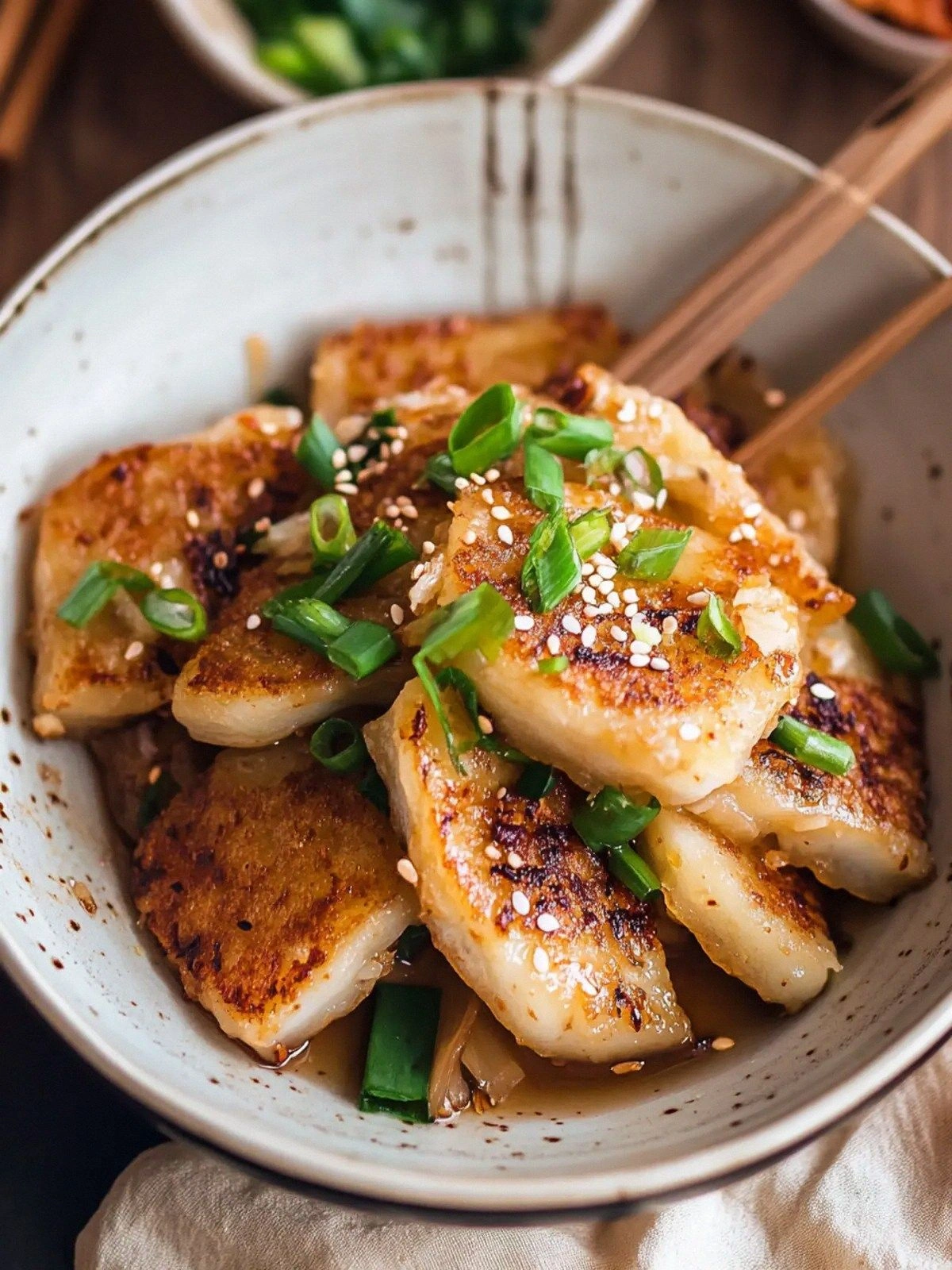
- Visual Appeal: The vibrant colors of green onion, garlic, and the golden fish cake create a dish that looks as good as it tastes. It’s a feast for both the eyes and the palate.
- Audience Impact: Friends and family often remark that this is “hands down the best version you'll ever make at home.” It’s a recipe that earns rave reviews and repeat orders.
Inside the Ingredient List
The Flavor Base
At the heart of this dish is the simple yet powerful flavor base of soy sauce, fish sauce, and a touch of Dasida beef flavor stock powder. Soy sauce provides the classic salty backbone, while fish sauce adds a subtle depth that’s unmistakably Korean. The Dasida powder, a Korean beef stock flavoring, brings a savory richness that mimics the complexity of a slow‑cooked broth. Together, they form a sauce that coats the fish cake like velvet, enveloping every bite with a silky, umami‑rich coating.
The Texture Crew
The fish cakes themselves are the star of the show, offering a delicate, slightly chewy bite that contrasts beautifully with the crisp edges achieved through a quick sear. Olive oil is the secret weapon that prevents sticking and promotes a golden crust, while the black pepper adds a subtle heat that awakens the palate. Garlic and onion act as aromatic allies, releasing sweet and savory notes that permeate the dish. The green onion finishes the ensemble with a fresh, bright crunch that balances the richness.
The Unexpected Star
Many people overlook the subtle role of green onion in Korean cooking, but here it’s essential. The green onion adds a peppery freshness that cuts through the richness of the fish cake and the depth of the soy‑fish sauce blend. When sliced thinly, it releases a gentle onion aroma that lingers in the air, turning the dish into an olfactory experience. The green onion also provides a visual pop of color, making the dish look as appealing as it tastes.
The Final Flourish
The final flourish of black pepper and a splash of olive oil not only adds flavor but also creates a glossy sheen that makes the dish visually stunning. The pepper’s subtle heat is a gentle reminder that even simple dishes can have layers of complexity. Olive oil, with its high smoke point, allows the fish cake to brown beautifully without burning, ensuring a crisp exterior that’s hard to resist. Together, these finishing touches elevate the dish from a simple stir‑fry to a culinary masterpiece.
Everything's prepped? Good. Let's get into the real action...
The Method — Step by Step
- Prep the fish cakes. Start by slicing the three sheets of fish cake into even strips, about 1 inch wide. This uniformity ensures that each piece cooks at the same rate, preventing some from drying out while others remain undercooked. As you slice, you’ll hear that satisfying crackle, a subtle hint that the fish is ready to transform. This step takes roughly 2 minutes, so keep a timer handy to stay on track.
- Dice the aromatics. While the fish cakes rest, finely dice the half onion and mince the garlic clove. The onion adds a subtle sweetness that balances the umami of the sauces, while the garlic offers a sharp, aromatic punch. Keep the pieces small so they cook quickly and release their flavors without overpowering the fish. This step should take about 2 minutes and will set the foundation for the dish’s aromatic profile.
- Heat the pan. Place a non‑stick skillet over medium‑high heat and pour in the tablespoon of olive oil. Let the oil shimmer, but avoid smoking; the goal is to achieve a golden sear without burning. Once the oil is hot, add the diced onion and minced garlic, sautéing until they become translucent and fragrant. The sizzling sound is your cue that the base is ready for the fish cakes.
- Cook the fish cakes. Add the sliced fish cakes to the pan in a single layer, making sure they have enough space to sear rather than steam. Let them cook undisturbed for about 2 minutes on one side; you’ll see a golden crust forming, a sign that the texture is developing. Flip the strips carefully and let them brown on the other side, which should take another 2 minutes. The fish should be opaque and slightly firm, with a crisp edge that cracks pleasantly when you bite into it.
- Season the dish. Reduce the heat to medium, then add the soy sauce, fish sauce, Dasida powder, and black pepper. Stir quickly to coat the fish evenly, ensuring each strip is glazed with the savory sauce. The aroma will intensify, filling the kitchen with a mouth‑watering scent that’s hard to resist. Keep the sauce simmering gently for 1 minute, allowing the flavors to meld together without evaporating.
- Finish with green onion. Sprinkle the chopped green onion over the dish, tossing gently to distribute the fresh crunch. The green onion not only adds a bright color but also provides a fresh, peppery finish that lifts the dish. The final stir should feel like a gentle dance, ensuring every bite is balanced and harmonious.
- Serve immediately. Transfer the fish cakes to a serving plate and drizzle any remaining sauce on top. The dish is best enjoyed hot, straight from the pan, where the steam carries the full spectrum of flavors. Pair it with steamed rice or a side of kimchi for a complete Korean experience. The aroma alone will have you craving more.
That’s it — you did it. But hold on, I've got a few more tricks that'll take this to another level...
Insider Tricks for Flawless Results
The Temperature Rule Nobody Follows
Many cooks underestimate the importance of maintaining a steady medium‑high heat when searing the fish cakes. If the pan is too hot, the exterior will char before the interior cooks; too cool, and the fish will steam instead of brown. I’ve found that using a thermometer to keep the oil at around 375°F (190°C) yields the perfect caramelized crust. This small adjustment transforms an ordinary stir‑fry into a professional‑grade dish.
Why Your Nose Knows Best
When the fish cakes hit the pan, you’ll notice a distinctive aroma that’s hard to miss. That smell is a reliable indicator that the sauce is at the right consistency. If the scent is faint, give the sauce a minute longer to reduce; if it’s too intense, add a splash of water to thin it out. Trusting your nose ensures that every bite delivers the balanced flavors you’re aiming for.
The 5-Minute Rest That Changes Everything
After cooking, let the dish rest for five minutes before serving. This brief pause allows the juices to redistribute, giving the fish cake a juicy center and a slightly firmer exterior. It also lets the flavors meld together, creating a more cohesive taste profile. I’ve seen this simple step make a noticeable difference in the overall mouthfeel and depth of flavor.
Keep the Pan Clean
During the cooking process, the pan can accumulate bits of fish cake and sauce. Instead of scrubbing, simply wipe the pan with a paper towel between turns. This keeps the surface smooth and prevents sticking, ensuring that the fish cakes maintain their crispness. A clean pan also reduces the risk of burnt bits seeping into the dish.
Don’t Overcrowd the Pan
When you first add the fish cakes, give them space. Overcrowding causes the pieces to steam rather than sear, which can ruin the texture. If you have a large batch, cook in two or three batches, allowing each layer to brown properly. This small tweak guarantees that every strip achieves the golden finish you’re after.
Finish with a Splash of Citrus
A squeeze of fresh lime or lemon juice right before serving brightens the dish and cuts through the richness. The acidity adds a lively counterpoint to the umami, creating a balanced flavor profile that’s both complex and refreshing. This final touch is optional, but it elevates the dish to a new level of sophistication.
Creative Twists and Variations
This recipe is a playground. Here are some of my favorite ways to switch things up:
Spicy Kimchi Fusion
Stir in a handful of chopped kimchi during the seasoning step. The fermented tang adds a depth of flavor that pairs beautifully with the fish cakes. The spicy kick also makes this dish a perfect match for a cold beer or a crisp glass of white wine.
Vegetarian Delight
Replace the fish cakes with tofu cubes or tempeh for a plant‑based version. The tofu will absorb the sauce, while the green onion and garlic provide the necessary aroma. This variation is still rich in protein and satisfies the craving for a comforting, savory dish.
Asian Noodle Bowl
Serve the stir‑fried fish cakes over a bed of cooked udon or soba noodles. Toss the noodles with a splash of sesame oil and a sprinkle of sesame seeds for an added nutty flavor. The noodles soak up the sauce, creating a hearty, all‑in‑one bowl.
Sweet and Smoky
Add a tablespoon of honey and a pinch of smoked paprika during the seasoning stage. The honey caramelizes slightly, adding a sweet glaze, while the paprika introduces a subtle smoky undertone. This variation is perfect for those who enjoy a sweet‑savory contrast.
Herb‑Infused Freshness
Swap the green onion for a handful of fresh cilantro or basil. The herbs add a burst of freshness that cuts through the richness of the fish cakes. This is an excellent option for a lighter, more aromatic dish.
Breakfast Breakfast
Serve the fish cakes with a fried egg on top for a protein‑packed breakfast. The runny yolk mingles with the savory sauce, creating a creamy, indulgent experience. Pair it with toast or a side of sautéed spinach for a balanced morning meal.
Gluten‑Free Option
Use gluten‑free fish cake sheets and pair with a side of cauliflower rice. This keeps the dish low in carbs while maintaining the authentic Korean flavors. The cauliflower rice absorbs the sauce beautifully, providing a satisfying, guilt‑free option.
Spicy Sriracha Kick
Swirl in a tablespoon of Sriracha sauce during the seasoning step for a fiery twist. The heat from the Sriracha pairs wonderfully with the savory base, creating a dish that’s both bold and comforting. This is ideal for heat lovers who crave an extra punch.
Storing and Bringing It Back to Life
Fridge Storage
Cool the dish completely before transferring it to an airtight container. Store in the refrigerator for up to 3 days. The flavors will deepen slightly, giving the dish a richer taste when reheated.
Freezer Friendly
For longer storage, wrap the fish cakes tightly in parchment paper and place them in a freezer bag. They can be kept for up to 2 months. When ready to eat, thaw overnight in the fridge.
Best Reheating Method
Reheat in a skillet over medium heat, adding a splash of water or broth to create steam. This keeps the fish cakes moist and prevents them from drying out. Let the dish heat through for about 5 minutes, stirring occasionally, until the sauce is heated and the fish cakes are tender.