I'm going to be brutally honest with you — I used to think pineapple chicken and rice was one of those sad, gloopy dishes that belonged in a mall food court circa 1998, right next to the questionable orange chicken and the fried rice that tasted like cardboard. You know the type: cloyingly sweet, mushy rice, chicken that somehow managed to be both dry and slimy at the same time. But then my sister dared me to make a better version. "I bet you can't make pineapple chicken that actually tastes like food," she said, smirking over her takeout container of exactly the glop I just described. Challenge accepted, sis. What followed was three weeks of obsessive testing, five pounds of jasmine rice, and a kitchen that smelled like a tropical paradise had collided with a five-star restaurant. The result? A dish so good that I literally stood at the stove eating it straight from the pan while my family hovered behind me like vultures, forks at the ready.
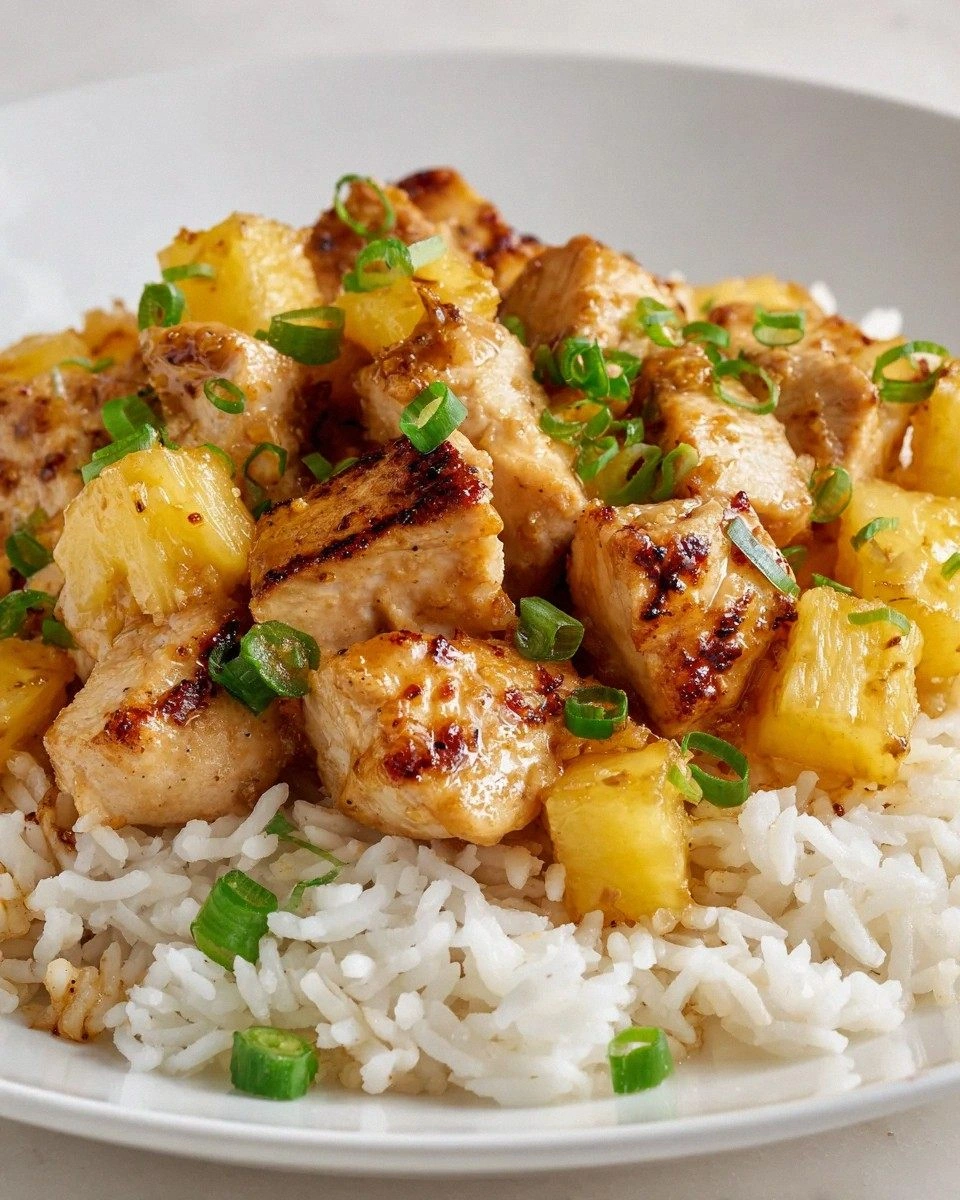
Picture this: tender cubes of chicken that have been kissed by a hot pan until they develop those gorgeous golden edges that shatter like thin ice when you bite into them. Each piece is coated in a glossy sauce that's the perfect marriage of sweet and savory — not that one-note sugar bomb you're expecting. The pineapple isn't just thrown in as an afterthought; it's caramelized until the edges turn into little pockets of tropical gold that burst with concentrated sunshine in your mouth. And the rice — oh, the rice — each grain stays perfectly separate, soaking up all those incredible juices while maintaining that delightful chew that makes you close your eyes and sigh with satisfaction. The whole thing comes together in one pan (yes, really), which means you get maximum flavor with minimum dishes, and isn't that the dream we're all chasing?
What makes this version different from every other recipe out there is the technique that most people completely mess up. They dump everything in at once and wonder why they end up with pineapple-flavored mush. Here's the secret: we build layers of flavor like we're constructing a flavor skyscraper, each element getting its moment to shine before joining the party. The chicken gets a proper sear that creates those gorgeous fond bits on the bottom of the pan — that's liquid gold, my friend, and it's going to transform our sauce into something that'll make you want to lick the plate. The pineapple hits the pan at exactly the right moment to develop those beautiful caramelized edges without turning into baby food. And the rice? We're cooking it right in the same pan, letting it absorb every last drop of that incredible sauce. Stay with me here — this is worth it.
Let me walk you through every single step — by the end, you'll wonder how you ever made it any other way.
What Makes This Version Stand Out
Restaurant-Quality Sauce: This isn't your typical gloopy, cornstarch-thickened mess. We're creating a sauce that coats each piece of chicken like liquid velvet, using the natural pectin in pineapple combined with a touch of soy sauce and rice vinegar for that perfect balance of sweet, salty, and tangy. The result is a glossy glaze that clings to every surface without being heavy or overly sweet.
Perfectly Textured Rice: Most recipes treat rice like an afterthought, but here it's the foundation that brings everything together. By toasting the grains first and cooking them in the same pan with all those incredible juices, each kernel stays separate and fluffy while absorbing maximum flavor. No more mushy, overcooked rice that tastes like nothing.
Real Caramelization: We're not just throwing everything in a wok and hoping for the best. The chicken gets a proper sear that creates those gorgeous brown bits, and the pineapple actually caramelizes instead of just warming up. That contrast between the deeply flavored edges and the tender centers? Pure magic.
One-Pan Wonder: Despite tasting like you spent hours in the kitchen, this entire dish comes together in a single skillet. Less dishes, more flavor — because everything builds on what came before. The chicken leaves behind flavor bombs that season the rice, the pineapple releases juices that deglaze the pan, and you end up with layers upon layers of taste.
Family-Tested Crowd Pleaser: I've served this to picky toddlers, skeptical teenagers, and food-snob friends. They all go back for seconds, thirds, and yes, sometimes they stand at the fridge eating it cold at midnight. The sweet-savory balance hits that universal pleasure button that makes people involuntarily close their eyes and make happy noises.
Make-Ahead Friendly: While it's absolutely best fresh, this dish reheats like a dream. The flavors actually meld together and get even better after a few hours. I dare you to taste this and not go back for seconds, even after it's been sitting in the fridge.
Alright, let's break down exactly what goes into this masterpiece...
Inside the Ingredient List
The Flavor Base
Chicken breast gets a bad rap for being dry and boring, but that's only because most people treat it like punishment food. When you cut it into perfect one-inch cubes and give it a proper sear, it transforms into juicy morsels that absorb all the incredible flavors we're building. The key is starting with cold chicken right from the fridge — this helps it develop that gorgeous crust without overcooking the inside. And please, for the love of all that's delicious, don't use those pre-cooked chicken strips from the grocery store. They're already overcooked and will turn into rubber in our sauce.
Jasmine rice isn't just some fancy extra — it's the foundation that makes this dish special. Those long, fragrant grains have just enough starch to create a creamy texture while staying separate and fluffy. Basmati works in a pinch, but jasmine has this subtle floral note that plays beautifully with the tropical pineapple. Whatever you do, don't use instant rice. It'll turn to mush and make me cry real tears for your lost dinner potential.
The Texture Crew
Fresh pineapple is where this recipe transforms from "meh" to "holy cow, what did I just put in my mouth?" The natural enzymes in fresh pineapple (bromelain, if you want to get scientific about it) actually help tenderize the chicken while adding brightness that canned fruit just can't touch. When you cube it yourself, you can control the size — we want bite-sized pieces that will caramelize on the edges but still hold their shape. If you absolutely must use canned, drain it well and pat it dry, but know that you're missing out on one of nature's most delicious tenderizers.
Green onions provide that fresh, sharp contrast that keeps this dish from sliding into cloying territory. We use both the white and green parts, but at different stages — the whites go in early to build flavor, while the greens get sprinkled on top for that pop of color and freshness. They're like the exclamation point at the end of a really great sentence.
The Unexpected Star
Chicken broth might seem boring, but using a good quality one (or better yet, homemade) makes the difference between a dish that tastes flat and one that makes people ask for your secret. We're using it to cook our rice right in the same pan, which means every grain gets infused with all the caramelized bits from our chicken and the sweet juices from our pineapple. It's like flavor inception — taste within taste within taste.
The Final Flourish
Good soy sauce is worth its weight in gold here. Skip the generic stuff in the plastic bottle and get yourself a decent bottle of Japanese or Korean soy sauce. It adds that umami depth that makes people say "I can't quite put my finger on what's so good about this, but I can't stop eating it." Just a splash transforms our sauce from simple sweet to complex and addictive.
Rice vinegar provides the acid that balances all that sweetness from the pineapple. It's subtle — you won't taste it and think "oh, vinegar," but without it, the whole dish would taste flat and one-dimensional. Think of it like salt for sweet dishes — it makes everything else taste more like itself.
Everything's prepped? Good. Let's get into the real action...
The Method — Step by Step
- Okay, ready for the game-changer? Start with a heavy-bottomed skillet or Dutch oven over medium-high heat. You want it hot enough that when you add the chicken, it sizzles like applause at a concert. Pat your chicken cubes dry with paper towels — I cannot stress this enough. Moisture is the enemy of browning, and we're after those gorgeous golden edges that add incredible depth to our final dish. Season the chicken generously with salt and pepper, then lay it in the hot pan in a single layer. Now here's the hard part: don't touch it for at least three minutes. Let it develop that beautiful crust. When you see the edges turning opaque and the bottom is golden-brown, flip each piece. Work in batches if you need to — crowding the pan is how you end up with steamed chicken, and nobody wants that.
- While your chicken is getting its tan, cube your pineapple into bite-sized pieces about the same size as your chicken. This isn't just for aesthetics — when things are the same size, they cook evenly, and each bite becomes a perfect balance of flavors. If you're using fresh pineapple, save those cores! You can freeze them for smoothies or better yet, muddle them into cocktails later. Once your chicken is golden on all sides but not quite cooked through, remove it to a plate. Those brown bits stuck to the bottom? That's pure flavor gold that we're going to use.
- Now the fun part — add your pineapple to the same pan without wiping it out. I know, it sounds weird to cook fruit in meat juices, but trust me on this. The natural sugars in the pineapple will caramelize and pick up all those gorgeous fond bits from the chicken. Let it cook for about four minutes, stirring occasionally, until the edges turn golden and the kitchen starts smelling like a tropical paradise. That sizzle when it hits the pan? Absolute perfection. The pineapple will release some juice — this is exactly what we want for deglazing the pan.
- This next part? Pure magic. Add your rice directly to the pan with the pineapple. Stir it around for about two minutes until each grain is coated in all those incredible juices and starts to look slightly translucent around the edges. This toasting step is what gives our rice that nutty flavor and keeps it from getting mushy. It's like we're giving each grain a tiny armor coating that will help it stay separate and fluffy while absorbing maximum flavor. Don't skip this — it's the difference between restaurant-quality rice and the sad stuff you get at buffets.
- Pour in your chicken broth and bring everything to a gentle boil. Here's where most recipes go wrong — they add too much liquid and end up with soup. We want just enough broth to cook the rice, not drown it. The liquid should come up about half an inch above the rice level. Add your soy sauce and rice vinegar, give it a good stir, then nestle your chicken back into the pan. The pieces should be partially submerged but still peeking out — they'll finish cooking while flavoring the rice.
- Cover the pan with a tight-fitting lid and reduce the heat to low. This is the moment of truth where we step back and let chemistry do its thing. Set a timer for 15 minutes and resist the urge to peek. Every time you lift the lid, you're releasing steam that your rice needs to cook properly. Instead, listen — you should hear the gentlest simmer, like the rice is whispering secrets to itself. If you hear aggressive bubbling, your heat is too high. Trust the process.
- After 15 minutes, turn off the heat but don't you dare lift that lid yet. Here's where we use the carryover heat to finish the job and let the rice steam to perfection. While you wait, slice your green onions, separating the white parts from the greens. After five minutes of patience (I know, it's hard), lift the lid and be prepared for the most incredible aroma to hit you. The rice should be tender, the liquid absorbed, and the chicken cooked through but still juicy.
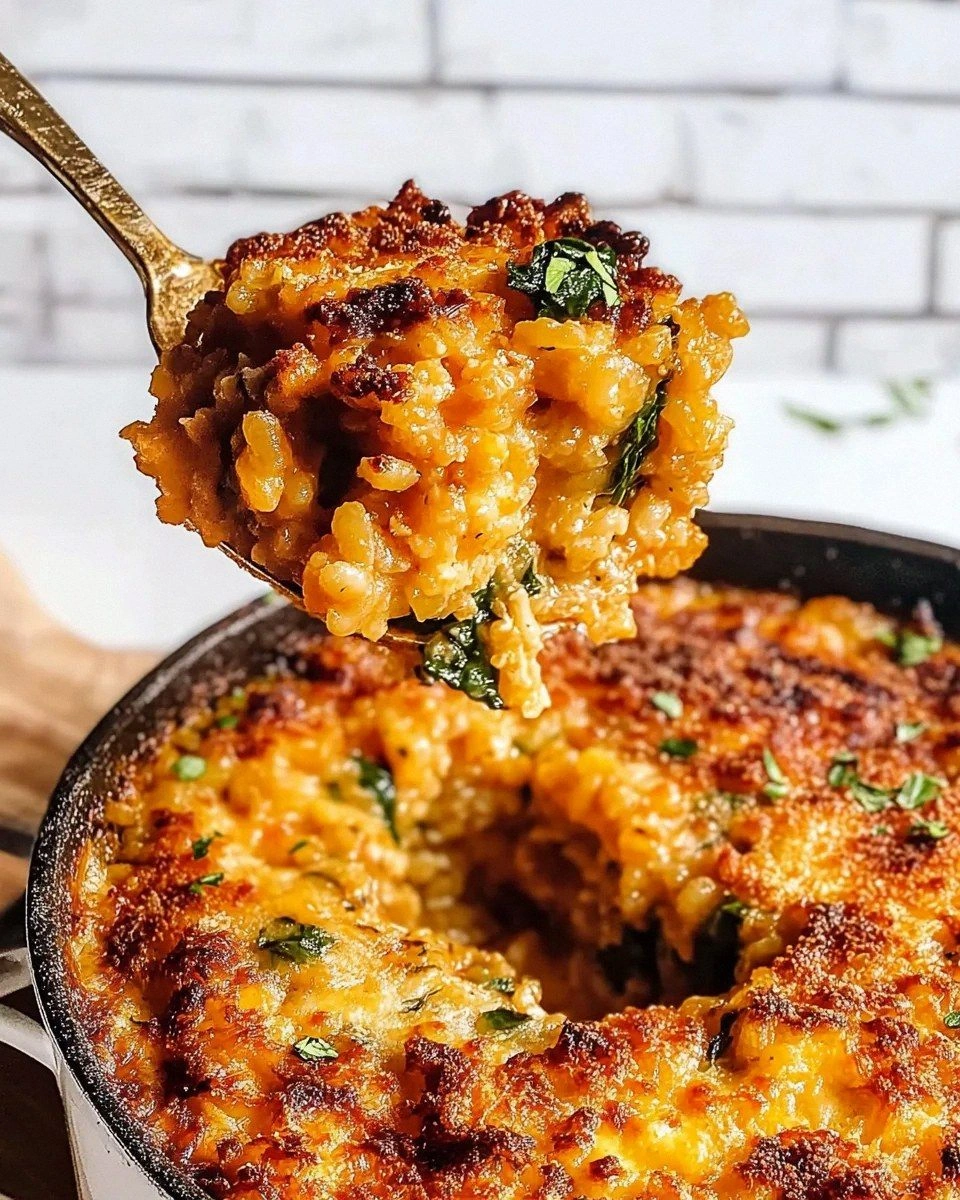
- Fluff everything gently with a fork — no aggressive stirring that'll turn your beautiful rice into paste. Sprinkle with the green parts of your onions and serve it up right from the pan, family-style. If you've done this right, each grain of rice should be separate and glistening, the chicken should be tender and juicy, and the pineapple should be little golden jewels scattered throughout. The bottom might have some crispy bits — those are the cook's reward, so claim them proudly.
That's it — you did it. But hold on, I've got a few more tricks that'll take this to another level...
Insider Tricks for Flawless Results
The Temperature Rule Nobody Follows
Here's the thing that separates good home cooks from great ones: temperature control matters more than fancy ingredients. Your chicken should hit the pan cold from the fridge — this helps it develop that gorgeous crust without overcooking inside. But your pineapple? Room temperature is best for even caramelization. And that pan? Let it get properly hot before you add anything. I'm talking dancing water droplets hot. A friend tried skipping this step once — let's just say it didn't end well. She ended up with pale, flabby chicken that tasted like disappointment and broken dreams.
Why Your Nose Knows Best
I'll be honest — I ate half the batch before anyone else got to try it, all in the name of "testing for doneness." But here's what I learned: your sense of smell is your most underused kitchen tool. When the rice is perfectly cooked, it'll smell nutty and slightly toasty. When the pineapple caramelizes, you'll get whiffs of tropical candy. And when everything comes together, it's like someone bottled sunshine and poured it over your dinner. Trust these olfactory cues more than your timer — every stove is different, but your nose doesn't lie.
The 5-Minute Rest That Changes Everything
Most recipes tell you to serve immediately, but this dish actually benefits from a brief rest. Those five minutes off the heat let the rice finish absorbing any remaining liquid and allow the flavors to meld together into something greater than the sum of their parts. It's like the difference between a solo and a symphony — each ingredient needs a moment to harmonize. Plus, it gives you time to set the table and pretend you didn't just eat directly from the pan while "checking the seasoning."
The Salt Timing Secret
Most recipes get this completely wrong. Salt your chicken at the beginning, but hold off on salting the rice until the end. Why? The chicken needs time for the salt to penetrate and season it throughout, but salting rice too early can toughen the grains and prevent them from cooking evenly. A final sprinkle of flaky salt right before serving awakens all the flavors and adds little bursts of salinity that make the sweet pineapple pop even more.
The Double Pineapple Power Move
Here's my secret weapon: use the pineapple juice from cutting your fresh pineapple (or from the can if you must use canned) to replace some of the chicken broth. It intensifies the pineapple flavor without adding extra sweetness, creating this incredible depth that makes people ask what your secret is. Just reduce the total liquid by about a quarter cup to account for the juice. This technique adds layers of flavor that'll make you look like a culinary genius even though it's stupidly simple.
Creative Twists and Variations
This recipe is a playground. Here are some of my favorite ways to switch things up:
The Island Heat Version
Add a diced jalapeño when you caramelize the pineapple, then finish with a handful of fresh cilantro. The heat plays beautifully against the sweet pineapple, and the cilantro adds this bright, almost citrusy note that makes the whole dish sing. If you really want to turn up the heat, swap the jalapeño for a Thai chili, but remove the seeds unless you're trying to prove something to your dinner guests.
The Coconut Cream Dream
Replace half the chicken broth with coconut milk for a richer, more luxurious version that tastes like vacation in bowl form. The coconut adds this incredible creaminess that coats each grain of rice, and it plays incredibly well with the tropical pineapple. Top with toasted coconut flakes for extra texture and that "I planned this" vibe even though it takes literally two extra minutes.
The Breakfast-for-Dinner Remix
Picture yourself pulling this out of the oven, the whole kitchen smelling incredible — but wait, we're not done. Fry an egg until the edges are crispy and the yolk is still runny, then place it right on top of your pineapple chicken rice. When you break that yolk and it mingles with the sweet-savory sauce? Pure magic. My kids call this "sunrise rice" and request it weekly.
The Surf and Turf Upgrade
Add some peeled shrimp during the last five minutes of cooking. They'll turn pink and curl up, absorbing all those incredible flavors while adding a different texture. Just make sure not to overcook them — shrimp go from perfect to rubber faster than you can say "dinner's ready." This version feels fancy enough for company but is still easy enough for Tuesday night.
The Veggie-Packed Powerhouse
Stir in some bell peppers and snap peas during the pineapple caramelization step. They add color, crunch, and make you feel virtuous about eating your vegetables while still basically having dessert for dinner. The key is cutting them into similar-sized pieces so everything cooks evenly. Plus, the peppers add a different kind of sweetness that complements the pineapple beautifully.
The Leftover Transformation
If you've ever struggled with leftover rice that's dried out and sad, you're not alone — and I've got the fix. Day-old rice actually works better for the fried rice version of this dish. Just add a bit more oil to your pan, break up the cold rice with your fingers first, and stir-fry everything together with an extra splash of soy sauce. The cold rice stays separate and gets these delicious crispy bits that fresh rice just can't achieve.
Storing and Bringing It Back to Life
Fridge Storage
This keeps beautifully in the fridge for up to four days, though I doubt it'll last that long. Store it in an airtight container — I like to use glass because it doesn't absorb odors and you can see exactly what treasure awaits you at 2 AM. Let it cool completely before refrigerating, but don't leave it out for more than two hours. Food safety first, midnight snacking second. The flavors actually meld together and get even better after a day, so this is perfect for meal prep.
Freezer Friendly
Most rice dishes don't freeze well, but this one defies the odds. The key is to undercook the rice slightly if you know you're going to freeze it — it'll finish cooking when you reheat. Freeze in portion-sized containers for easy grab-and-go meals. It'll keep for up to three months, though I recommend eating it within six weeks for best texture. Thaw overnight in the fridge, then reheat with a splash of water or broth to bring it back to life.
Best Reheating Method
Add a tiny splash of water before reheating — it steams back to perfection. Microwave works in a pinch, but I prefer the stovetop method: add your portion to a pan with a tablespoon of water, cover it, and heat over medium-low until steaming. The rice comes back to that perfect fluffy texture, and the chicken stays juicy instead of turning into those sad, rubbery cubes you get from microwaving. For an extra treat, fry it up like fried rice with a bit of oil until you get crispy bits on the bottom.