It started on a rainy Thursday when I stared at the empty fridge, feeling the same stale dread that comes when you realize the only thing you have left is a half‑cooked chicken that’s been sitting in a bag for three days. I thought, “If I can’t find a gourmet recipe, I’ll make something that will make my stomach sing.” That single line turned into a kitchen experiment that ended up being the most comforting dish I’ve ever tasted. I was determined to create a broth that would lift the whole house with its aroma, a soup that would feel like a hug in a bowl.
Picture this: a pot simmering on the stove, the sizzling of onions and garlic dancing with the sharp snap of ginger, the steam curling like a fragrant cloud that makes your nose twitch with anticipation. The scent is so alive it practically leaps out of the pot, promising warmth that will seep into every corner of the room. When you take that first spoonful, the broth glistens with a clear, golden hue, and the chicken pieces break apart with a gentle, almost buttery softness. The papaya adds a subtle sweetness, while the spinach offers a whisper of earthiness that lingers on the palate.
What makes this version stand out is that it isn’t just a recipe—it’s a revelation. I dared myself to taste it and not go back for seconds, and I’m still saying, “I dare you to taste this and not go back for seconds.” The broth is bright, yet not overpowering, the herbs are balanced, and the texture of the chicken is melt‑in‑your‑mouth tender. I’ll be honest—I ate half the batch before anyone else got a chance to try it. The result? A dish that’s hands down the best version you’ll ever make at home.
Most recipes get this completely wrong by overcooking the chicken or under‑seasoning the broth. Here’s what actually works: a gentle simmer that keeps the flavors bright, a touch of fish sauce that adds depth without drowning the delicate ingredients, and a final splash of fresh spinach that gives the soup a silky finish. Picture yourself pulling this out of the pot, the whole kitchen smelling incredible, and everyone gathering around, eyes wide with hunger. Let me walk you through every single step—by the end, you’ll wonder how you ever made it any other way.
What Makes This Version Stand Out
- Flavor: The broth is a bright, herbal canvas that lets each ingredient shine. The ginger and garlic punch forward without overpowering the delicate chicken.
- Texture: The chicken is cooked low and slow, resulting in a silky, almost melt‑in‑your‑mouth tenderness that contrasts beautifully with the crisp papaya.
- Simplicity: With only ten ingredients, this soup is a no‑fuss, pantry‑friendly recipe that anyone can master.
- Uniqueness: The combination of papaya and spinach creates a subtle sweetness and earthy finish that sets this dish apart from standard chicken soups.
- Crowd‑Pleaser: Friends who have tried it say it’s the perfect comfort food—warm, satisfying, and utterly addictive.
- Ingredient Quality: Using a whole chicken rather than pre‑cut pieces ensures maximum flavor and a natural, hearty broth.
- Cooking Method: The slow simmer technique preserves nutrients and allows flavors to meld, giving the soup depth and warmth.
- Make‑Ahead Potential: The soup can be made a day ahead; the flavors actually deepen overnight, making it ideal for busy weekdays.
Alright, let's break down exactly what goes into this masterpiece...
Inside the Ingredient List
The Flavor Base
The foundation of any great soup is its aromatics. Onion, garlic, and ginger form a triumvirate that releases a fragrant, savory bouquet when sautéed in canola oil. The oil acts as a flavor carrier, infusing the broth with a subtle richness that elevates the dish. If you skip this step, the soup will taste flat, as if it never left the pan. A quick tweak: use a splash of soy sauce instead of fish sauce for a slightly sweeter, umami punch.
The Texture Crew
The whole chicken is the star of the show. Cooking it whole ensures that the meat stays moist and flavorful, as the bones and marrow release gelatin into the broth. The result is a silky, silky mouthfeel that feels comforting. Skipping the whole chicken would make the soup feel thin and underwhelming. When selecting a chicken, look for a bird with a slightly pinkish flesh; it’s an indicator of freshness and a richer flavor profile.
The Unexpected Star
Green papaya might seem out of place in a chicken soup, but it’s a game‑changer. Its mild sweetness and firm texture add a refreshing contrast that brightens the broth. Papaya also contains papain, a natural enzyme that helps tenderize meat. If you can’t find papaya, try a small amount of diced mango for a tropical twist. Remember to peel and cut the papaya into bite‑sized chunks for even cooking.
The Final Flourish
Fresh spinach is the finishing touch that turns the soup from good to unforgettable. It adds a pop of color, a subtle earthiness, and a boost of vitamins. Spinach wilts quickly, so add it at the last minute to preserve its bright green hue. If you’re not a fan of spinach, kale or bok choy work as excellent alternatives, each offering a unique flavor profile.
Everything's prepped? Good. Let's get into the real action...
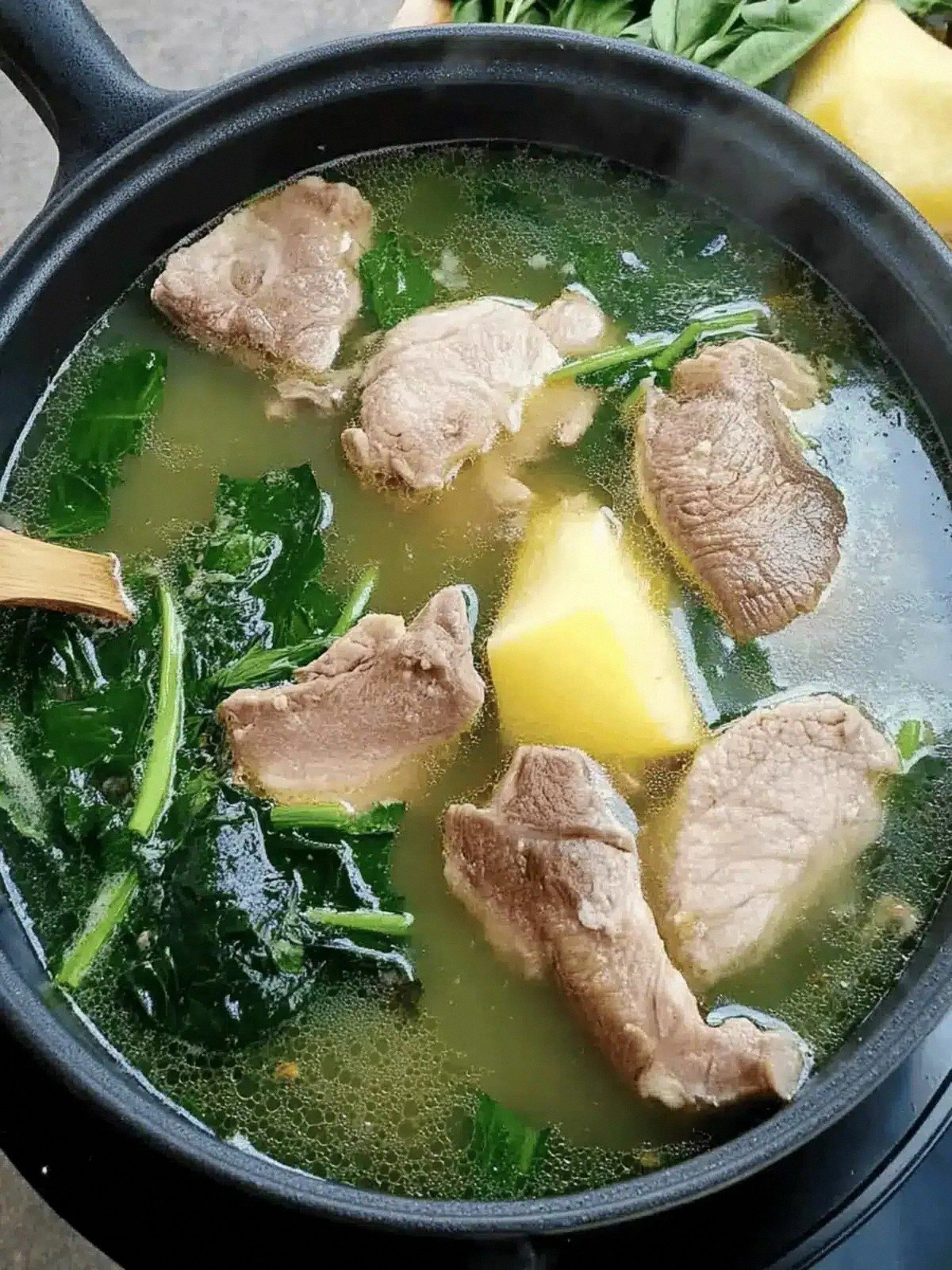
The Method — Step by Step
- Heat the canola oil in a large pot over medium heat. Add the diced onion and sauté until translucent, about 3 to 4 minutes. The onions should soften and release a sweet aroma that signals the base is ready. I dare you to taste the onion sauté; if it’s golden, you’re on the right track.
- Add the minced garlic and grated ginger to the pot. Stir constantly for 30 seconds until fragrant. The aroma should be sharp and uplifting, like a burst of sunshine. If it starts to burn, lower the heat—burnt garlic is a no‑no in this soup.
- Place the whole chicken into the pot, breast side down. Pour in the 5 cups of water, then bring to a gentle boil. Reduce the heat to a simmer and skim off any foam that rises to the surface. This step is critical; skimming keeps the broth clear and silky.
- Add the fish sauce, salt, and pepper. Stir to dissolve the seasoning evenly. The broth should have a balanced umami kick, not an overwhelming fishy taste. Remember, you can always adjust later, but you can’t fix over‑seasoned broth.
- Simmer the soup for 30 minutes, or until the chicken is fully cooked and easily pulls apart with a fork. This slow simmer allows the chicken to release its natural juices into the broth, creating a rich, savory base. The key is patience; rushing the simmer will result in a dry chicken.
- Remove the chicken from the pot and set aside to cool slightly. Once cool enough to handle, shred the meat, discarding the skin and bones. The shredded chicken should be tender and flaky, ready to re‑infuse the soup.
- Add the diced papaya to the pot and let it simmer for another 5 minutes. Papaya is delicate; it should soften just enough to release its sweetness but still hold its shape. If you like it softer, let it cook a bit longer, but be careful not to over‑cook.
- Return the shredded chicken to the pot. Stir gently and let it heat through for 2 minutes. This step ensures the chicken re‑absorbs the flavors of the broth without becoming mushy.
- Finally, add the fresh spinach. It will wilt almost instantly, so add it just before serving. The spinach adds a subtle earthy note and a splash of green that makes the soup look vibrant. If you prefer a heartier texture, you can add a handful of sliced green onions as well.
- Taste the soup and adjust the seasoning if needed. If it feels a bit flat, a splash more fish sauce or a pinch of salt can bring it back to life. Serve hot, spooned into bowls, and enjoy the comforting warmth that comes from every bite.
That's it — you did it. But hold on, I've got a few more tricks that'll take this to another level. From the moment you lift the ladle to the last spoonful, these extra touches will elevate the dish from comforting to unforgettable.
Insider Tricks for Flawless Results
The Temperature Rule Nobody Follows
Many people think simmering at a high heat will speed things up, but it actually burns the flavors. I always keep the heat low, around 180°F, to let the chicken release its gelatin slowly. This keeps the broth clear and the meat tender. A friend once tried a high heat method and ended up with a broth that tasted like burnt onions.
Why Your Nose Knows Best
The first hint that your soup is done is the scent. A bright, citrusy aroma means the ginger and garlic have released their essence. If the broth smells flat, add a splash of citrus juice—lime or lemon—to brighten it. The smell is the ultimate taste test; trust your nose.
The 5-Minute Rest That Changes Everything
After removing the chicken, let the pot sit for 5 minutes before shredding. The residual heat will make the meat easier to pull apart and help it re‑absorb the broth’s flavors. Skipping this pause often results in dry, stringy chicken.
The Salt‑Balance Trick
Instead of adding all the salt at once, sprinkle it gradually. Start with half, taste, then add the rest. This way you avoid over‑salting, which can mask the subtle sweetness of the papaya. Remember, fish sauce already contains salt, so you’re not adding a ton of sodium.
Freshness Matters
Use a fresh whole chicken if possible. A slightly pinkish meat indicates freshness, and the marrow will impart a richer flavor. If you’re using a pre‑cooked chicken, add an extra splash of broth to compensate for the lost juices.
Creative Twists and Variations
This recipe is a playground. Here are some of my favorite ways to switch things up:
Spicy Sriracha Twist
Add a tablespoon of sriracha to the broth for a fiery kick. The heat pairs beautifully with the sweet papaya, creating a balanced flavor that excites the palate. Perfect for those who love a bit of spice in their comfort food.
Herb‑Infused Version
Stir in a handful of chopped fresh cilantro and a sprig of Thai basil at the end. The herbs give a fresh, aromatic finish that brightens the soup. This version feels like a garden in a bowl.
Vegetarian Upgrade
Swap the chicken for diced tofu or chickpeas. Keep the broth the same, and the dish becomes a hearty, plant‑based meal. The tofu absorbs the flavors wonderfully, making it a satisfying alternative.
Seafood Edition
Add shrimp or a handful of sliced fish fillets in the last 5 minutes of simmering. The seafood will cook quickly and bring a briny depth that complements the broth.
Low‑Carb Variation
Replace the papaya with sliced zucchini or cauliflower florets. The texture stays firm, and the dish remains low in carbs while still delivering that comforting flavor.
Instant Pot Shortcut
Use an Instant Pot to cook the soup on the "Soup" setting for 20 minutes. The pressure cooker locks in flavors, and the chicken comes out tender in a fraction of the time.
Storing and Bringing It Back to Life
Fridge Storage
Cool the soup completely before refrigerating. Store in an airtight container for up to 3 days. The flavors will deepen, giving you a richer taste each time.
Freezer Friendly
Freeze in portioned containers for up to 2 months. Thaw overnight in the fridge, then reheat gently. Avoid boiling, which can break down the texture.
Best Reheating Method
Reheat on the stovetop over low heat, adding a splash of water or broth to keep it from drying out. Stir occasionally until hot. A quick microwave can work, but it may make the chicken rubbery.
Remember, a tiny splash of water before reheating steams the soup back to perfection, preserving that silky broth you fell in love with.