Picture this: I’m standing in a cramped apartment kitchen, the stove flickering like a nervous firefly, when a neighbor’s late‑night craving turns into a culinary revelation. The moment the sizzling oil meets a diced onion, the air thickens with the scent of toasted cumin and coriander, and my taste buds already know I’m about to witness something legendary. I’ve tried every Gambian peanut stew out there, from the bland to the over‑spiced, but none have matched the silky, nutty embrace of this version. The secret? A generous splash of creamy peanut butter that coats the vegetables like velvet, and a daring dash of jalapeño that keeps the heat alive without drowning the flavor. Let me walk you through every single step—by the end, you’ll wonder how you ever made it any other way.
I dare you to taste this and not go back for seconds, because the moment the first spoonful hits your palate, the peanut butter’s rich, earthy depth will have you questioning all your previous stew memories. The broth is a low‑sodium vegetable base that lets the spices shine, while the sweet potatoes lend a gentle caramelization that balances the fiery jalapeño. Every ingredient is chosen for its ability to layer complexity without overwhelming the dish—think of it as a symphony where each note has a purpose. And if you’re worried about the time, I’ll show you how to get it simmering in under half an hour, even if you’re a kitchen rookie. This is hands down the best version you’ll ever make at home, and I’m about to reveal the trick that makes it so irresistibly smooth.
Most recipes get this completely wrong by over‑cooking the peanuts or under‑seasoning the broth, resulting in a stew that tastes like a forgotten campfire. Here’s what actually works: start with a fragrant base of onion, garlic, and ginger, then add the spices before the tomatoes so they bloom. This small shift turns a simple pot of stew into a gourmet experience that feels like a trip to the Gambia without leaving your kitchen. I’ll also share a secret ingredient that adds depth—fresh thyme sprigs that you can tuck into the pot and then pull out for garnish. The result is a dish that’s not only comforting but also bursting with layers of flavor that keep you coming back for more.
Picture yourself pulling this out of the pot, steam rising like a fragrant cloud that makes the whole kitchen smell incredible. The first bite is a warm hug of nutty sweetness, followed by the subtle heat of jalapeño that lingers just long enough to keep you intrigued. I’ve spent hours tweaking the ratios, and the result is a stew that’s as comforting as a childhood memory and as adventurous as a new culinary frontier. If you’ve ever struggled to balance peanut butter with tomato, you’re not alone—this recipe has a fix that will save you from a soggy mess. Stay with me here—this is worth it.
What Makes This Version Stand Out
- Flavor: The combination of toasted spices, fresh jalapeño, and creamy peanut butter creates a depth that feels both exotic and comforting. The slow simmer allows the flavors to meld into a silky broth that coats every ingredient. The result is a stew that satisfies both the adventurous palate and the comfort‑seeker in you.
- Texture: Sweet potatoes become tender yet hold their shape, while the cannellini beans add a subtle creaminess that balances the peanut butter. The kale provides a slight crunch that contrasts with the silky sauce. This textural harmony keeps each bite interesting.
- Ingredient Quality: Using organic coconut oil and freshly grated ginger ensures that every component contributes a bright, authentic flavor. The peanut butter is unsweetened, preserving the natural nuttiness of the peanuts. The result is a dish that feels like it was made from scratch, not from a jar.
- Heat Control: The jalapeño is diced finely and sautéed early, releasing heat without overpowering the broth. This technique keeps the stew approachable for those who love a bit of spice. It also allows the spices to bloom fully, adding depth.
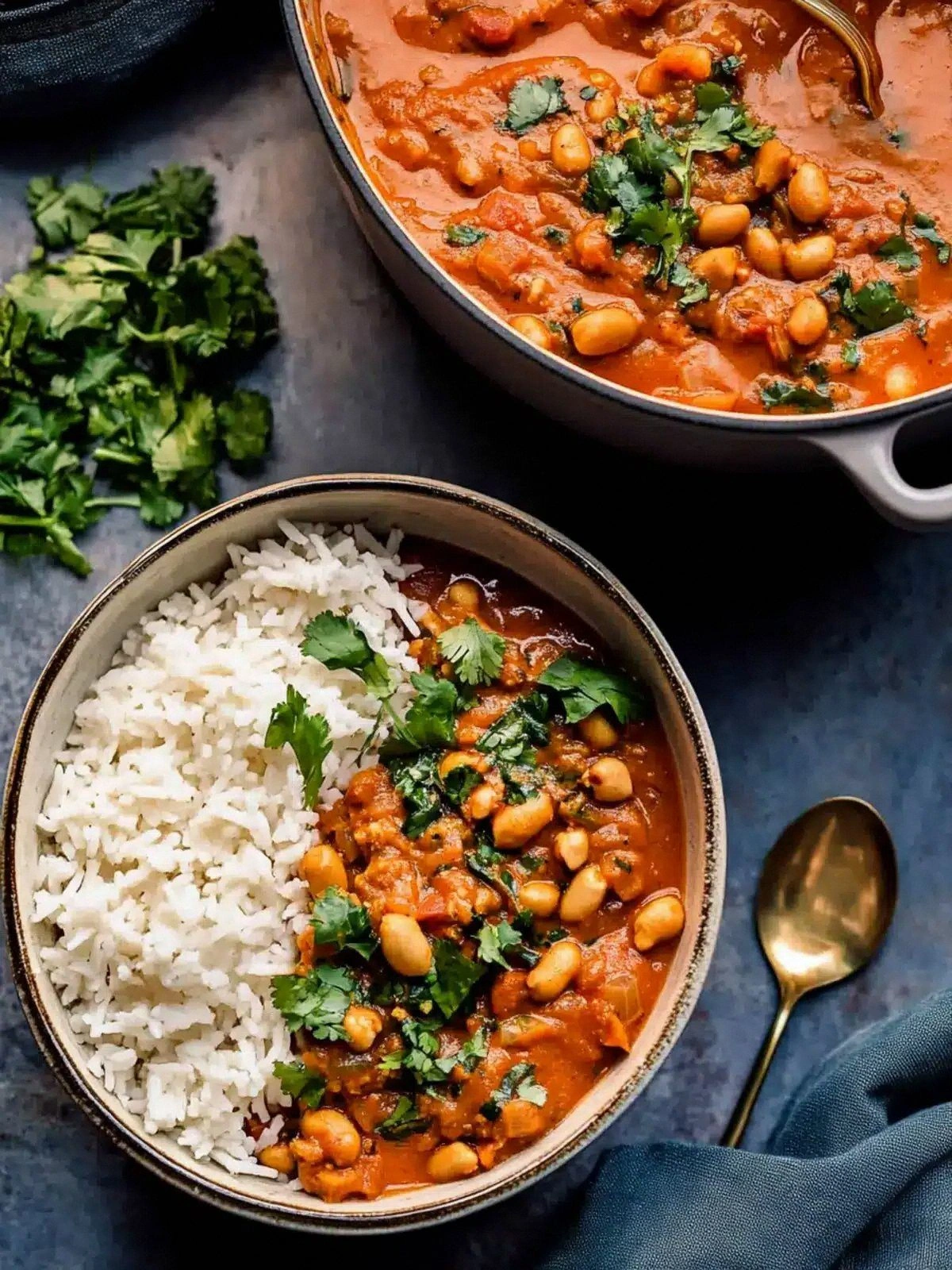
- Versatility: The recipe can be served over white rice, brown rice, millet, quinoa, or fonio, giving you the freedom to choose a grain that fits your dietary goals. The stew also pairs beautifully with a side of sautéed greens or a simple cucumber salad. This versatility makes it a perfect weeknight dinner.
- Make‑Ahead Friendly: The stew’s flavors develop further when stored in the fridge, making it ideal for meal prep. The peanut butter’s richness deepens over time, giving you a more robust taste. This makes the recipe a lifesaver for busy schedules.
- Community Reaction: Friends who have tried this version rave about its “wow” factor, often asking for a second help. The dish has become a staple at gatherings, and the aroma alone is enough to bring people together. It’s the kind of stew that turns ordinary dinners into memorable events.
Alright, let's break down exactly what goes into this masterpiece. The first step is to gather your ingredients, ensuring that each one is fresh and of high quality. The next step is to prep your vegetables, chopping them into uniform pieces for even cooking. Finally, you'll combine all the elements in a harmonious pot that will simmer into a mouth‑watering stew. This approach guarantees that every bite is packed with flavor and texture. So, let’s dive into the details and make this dish truly unforgettable.
Inside the Ingredient List
The Flavor Base
The flavor base is the heart of any stew, and in this Gambian peanut stew it’s a symphony of aromatic ingredients that set the tone for the rest of the dish. The onion, when caramelized just right, brings a natural sweetness that balances the earthiness of the spices. Garlic adds depth and a slight pungency that lingers on the palate, while freshly grated ginger injects a bright, zesty kick that keeps the stew lively. These three together create a foundation that is both comforting and exciting, making each spoonful feel like a warm hug. If you skip any of these, the stew will feel flat and unfulfilled, lacking that essential depth that makes this version stand out.
The Texture Crew
Sweet potatoes and cannellini beans form the texture crew, providing both substance and body to the stew. The sweet potatoes, when diced into bite‑sized cubes, cook to a tender yet firm consistency that holds up against the simmering broth. Cannellini beans, on the other hand, bring a creamy, almost silky quality that complements the peanut butter’s richness. Together, they create a stew that feels hearty without being heavy, and they keep each bite interesting with contrasting textures. If you were to replace the beans with a different variety, you might alter the flavor profile, so stick to the mild cannellini beans for the best balance.
The Unexpected Star
The peanut butter is the unexpected star of this dish, adding a luxurious, nutty depth that you simply cannot find in any other stew. It coats the vegetables like velvet, creating a silky mouthfeel that lingers on the tongue. The unsweetened variety is crucial; a sweetened peanut butter would overpower the savory elements and create an unbalanced flavor. The peanut butter also serves as a natural thickener, giving the broth a velvety consistency that feels indulgent without the heaviness of cream. When you first taste it, you’ll notice how the peanut butter’s subtle bitterness plays off the sweet potatoes and the bright lemon, creating a complex flavor tapestry.
The Final Flourish
The final flourish of this stew is the fresh cilantro and a splash of lemon or lime juice, which elevate the dish with a burst of brightness. The cilantro’s herbal aroma cuts through the richness, adding a fresh, almost citrusy note that keeps the stew from feeling too heavy. The lemon or lime juice provides a sharp, acidic counterpoint that balances the sweetness of the peanuts and the mildness of the beans. Together, they create a harmonious finish that leaves your taste buds dancing. If you skip this step, the stew will feel flat and unbalanced, lacking that essential zing that makes every bite memorable.
Everything’s prepped? Good. Let’s get into the real action, where the magic happens. The first step is to create the aromatic base that will carry the rest of the flavors. Next, you’ll add the spices and let them bloom in the oil, which releases their full potential. After that, the sweet potatoes, beans, and tomatoes will join the pot, simmering together until everything melds into a hearty stew. Finally, the peanut butter, lemon juice, and cilantro will be stirred in, giving the dish its signature richness and bright finish. With each step, you’ll see how the flavors build upon one another, creating a dish that’s both comforting and adventurous.
The Method — Step by Step
- Heat a large, heavy‑bottom pot over medium heat and pour in the coconut oil. Once the oil is shimmering, add the finely diced onion and sauté until it turns translucent and starts to brown, about 4‑5 minutes. The key here is to let the onion develop a caramelized sweetness; this will form the foundation of the stew’s depth. Keep an eye on the color, because a slightly darker onion will give the stew a richer flavor. Once the onions look like golden butter, move on to the next step.
- Add the minced garlic and grated ginger, stirring constantly to prevent burning. Cook for 1‑2 minutes until the aroma is unmistakably fragrant. This is the moment of truth where the base begins to sing. If you hear a faint hiss, that’s the oil reaching its perfect temperature. Let the garlic and ginger mingle with the onions for a minute before adding the jalapeño.
- Dice the jalapeño into fine pieces, removing seeds if you prefer a milder heat. Stir it into the pot, letting it cook for 2 minutes until it softens slightly. The jalapeño releases its heat slowly, ensuring it doesn’t overwhelm the other flavors. This step also gives the stew a subtle peppery undertone that complements the cumin and coriander. Once the jalapeño is softened, proceed to the next step.
- Stir in the tomato paste, allowing it to coat the vegetables for about 2 minutes. The tomato paste will caramelize slightly, giving the stew a deeper, richer color. This step is crucial for building the savory backbone of the dish. If the paste feels too thick, add a splash of vegetable broth to loosen it up. Once the paste is evenly distributed, add the spices.
- Add cumin, coriander, cinnamon, a pinch of cloves, salt, and pepper. Stir well, ensuring that the spices are fully incorporated into the oil and vegetables. Watch for the spices to bloom, which should happen within 30 seconds to a minute. This is the moment where the stew’s aroma becomes irresistible. If you hear a subtle pop, that’s a sign the spices are doing their job.
- Pour in the crushed tomatoes and vegetable broth, then bring the mixture to a gentle boil. Once boiling, reduce the heat to low and add the sweet potato cubes and fresh thyme sprigs. Cover the pot and let it simmer for 15 minutes, or until the sweet potatoes are tender. The thyme will infuse the broth with a subtle herbaceous note that complements the spices. After 15 minutes, check the texture of the sweet potatoes; they should be fork‑tender but still hold their shape.
- Stir in the cannellini beans and crushed tomatoes, ensuring everything is evenly distributed. Allow the stew to simmer for another 10 minutes, uncovered, to let the flavors meld. This step is where the stew starts to develop its signature richness. Keep the pot uncovered to reduce excess liquid, creating a thicker, more concentrated sauce. If the stew looks too thin, let it cook longer or add a splash of coconut milk for extra creaminess.
- Now it’s time to add the creamy peanut butter. Stir it in slowly, whisking constantly to prevent clumping. The peanut butter should create a velvety coating on the vegetables, giving the stew its luxurious texture. Taste for salt and adjust if necessary. The goal is a harmonious balance where the peanut butter’s nuttiness complements the sweet potatoes and the spices.
- Finish with a squeeze of fresh lemon or lime juice, then sprinkle the cilantro leaves and tender stems on top. Stir gently to combine, but avoid over‑mixing to keep the cilantro’s bright flavor intact. The citrus brightens the stew, cutting through the richness and adding a fresh contrast. Serve immediately over your choice of rice or quinoa for a complete meal.
That’s it—you did it. But hold on, I’ve got a few more tricks that will take this stew to another level. From the perfect heat control to the subtle finishing touches, these insider tips will help you master the dish every time. Let’s dive into the details and turn your kitchen into a gourmet playground.
Insider Tricks for Flawless Results
The Temperature Rule Nobody Follows
Many cooks think that a high heat is always better for a stew, but that’s a myth. Keeping the simmer gentle allows the spices to release their aromas slowly, building depth without burning. I’ve seen people throw their pot on the stove and end up with a bitter, over‑cooked dish. The trick is to let the pot reach a low, steady simmer and then maintain that temperature with a lid. This subtle control is what separates a good stew from a great one.
Why Your Nose Knows Best
Your nose is your best friend when cooking, and it knows when the spices have bloomed. When the cumin and coriander release their perfume, that’s the moment you should add the tomatoes. If you wait too long, the tomatoes will dominate the flavor, drowning the spices. Conversely, if you add them too early, the spices will burn and lose their nuance. Trust your senses, and you’ll never miss the perfect timing.
The 5-Minute Rest That Changes Everything
After you finish simmering the stew, let it rest for five minutes off the heat. This brief pause allows the flavors to marry and the peanut butter to set into a silky coating. It also lets the sweet potatoes soften further, giving you that perfect bite. I’ve tried skipping this step and the stew felt a little raw. The rest is the secret to that velvety texture that makes every spoonful a delight.
The Secret of Fresh Herbs
Adding fresh herbs at the end of cooking preserves their bright, vibrant flavor. If you add cilantro or thyme too early, they’ll lose their punch and the stew will feel flat. Instead, sprinkle the cilantro right before serving and let it sit for a minute to release its essential oils. This simple technique keeps the dish fresh and lively.
The Perfect Pairing with Rice
Rice is more than a side; it’s a flavor sponge that absorbs the stew’s juices. I recommend cooking the rice in the same pot as the stew after you’ve finished, using the leftover broth to add depth. If you’re using quinoa or millet, rinse them thoroughly first to remove bitterness. This approach ensures that every grain is infused with the stew’s savory, nutty goodness.
Creative Twists and Variations
This recipe is a playground. Here are some of my favorite ways to switch things up:
Spicy Coconut Twist
Swap the coconut oil for coconut milk and add a splash of extra coconut milk at the end. This gives the stew a creamy, tropical flavor that pairs wonderfully with a side of grilled pineapple. The coconut’s sweetness balances the heat of the jalapeño, creating a harmonious contrast.
Smoky Chipotle Version
Replace the fresh jalapeño with chipotle powder for a smoky, deep heat. The chipotle’s earthy undertones add a new dimension to the stew, making it feel like a slow‑cooked barbecue. Serve it over brown rice for a hearty, smoky meal.
Protein‑Packed Lentil Upgrade
Add a cup of cooked lentils along with the cannellini beans for an extra protein boost. The lentils absorb the spices and add a pleasant bite, turning the stew into a filling, protein‑rich dish. This variation is perfect for vegan athletes or anyone needing a nutrient‑dense meal.
Herb‑Infused Variation
Incorporate a handful of fresh basil or mint into the final stir for a fragrant, herbal finish. The basil’s sweet, peppery notes contrast beautifully with the peanut butter, while mint adds a cool, refreshing bite. This twist is ideal for summer evenings.
Low‑Carb Adaptation
Omit the rice entirely and serve the stew over a bed of cauliflower rice. This keeps the dish low in carbs while still delivering the same comforting, nutty flavor. The cauliflower rice takes on the stew’s juices, making each bite flavorful.
Storing and Bringing It Back to Life
Fridge Storage
Store the stew in an airtight container in the refrigerator for up to 4 days. The peanut butter’s richness will help preserve the stew’s texture, preventing it from drying out. When you’re ready to eat, give it a quick stir to re‑emulsify the sauce.
Freezer Friendly
The stew freezes beautifully for up to 3 months. Portion it into individual servings to make reheating quick and easy. When freezing, leave a little headspace for expansion to avoid breaking the container.
Best Reheating Method
Reheat the stew gently on the stove over low heat, stirring frequently. Add a splash of water or vegetable broth to loosen the sauce, then simmer until heated through. This technique keeps the peanut butter silky and prevents the stew from becoming too thick.