I was halfway through a frantic Sunday dinner when the kitchen exploded into chaos. The chicken I was supposed to grill had turned into a soggy, over‑cooked mess that tasted like a failed attempt at a slow cooker. I stared at the charred remains, realizing I’d wasted a whole batch of fresh ingredients and a decent portion of my patience. That moment sparked a dare I’d made to myself: I would create a shawarma so irresistibly good that the leftovers would become the star of the next meal.
Picture the scene: the air thick with the aroma of cumin and coriander, the sizzling sound of garlic dancing in olive oil, and the tangy whisper of lemon cutting through the richness. Your eyes catch the golden sear on the thighs, the steam curling like a fragrant halo. The texture of the meat, tender yet slightly crisp, invites you to taste the first bite. As you close your eyes, you can almost hear the crunch of fresh veggies and feel the warmth of the pita. The flavors mingle like old friends reuniting, each note distinct yet harmonious, creating a symphony that sings in your mouth.
What makes this version stand out is not just the bold spices but the way I’ve simplified the process without sacrificing depth. I’ve eliminated the need for a fancy spice grinder by using pre‑ground cumin and coriander, yet the flavor remains authentic. The yogurt and lemon create a tenderizing, acid‑based marination that keeps the meat juicy. The tahini drizzle adds a silky, nutty finish that balances the heat. I’ve kept the technique straightforward: marinate, sear, assemble, and serve. The result is a dish that feels like a trip to the Middle East but can be whipped up in under an hour.
I dare you to taste this and not go back for seconds. The sauce coats the chicken like velvet, the edges of the pita crisp and inviting. The contrast between the warm, savory meat and the cool, crisp veggies is a sensory triumph. Picture yourself pulling this out of the oven, the whole kitchen smelling incredible, and watching friends’ eyes widen as they take their first bite. This is hands down the best version you'll ever make at home, and I'm ready to prove it to you step by step.
What Makes This Version Stand Out
- Flavor: The blend of cumin, coriander, paprika, and turmeric creates a deep, earthy base that sings with every bite.
- Texture: The yogurt‑lemon marination keeps the thighs moist, while the sear locks in a caramelized crust that crackles with each chew.
- Speed: From start to finish, this recipe takes less than 45 minutes, perfect for busy weeknights.
- Flexibility: Swap thighs for breasts, add a splash of yogurt for extra tang, or ditch the tahini for a quick garlic sauce.
- Visual Appeal: The bright green parsley garnish and the golden sear make the dish Instagram‑ready.
- Make‑ahead: The marinated chicken can sit overnight, allowing the flavors to deepen.
Alright, let's break down exactly what goes into this masterpiece. The next section will walk you through each ingredient, why it matters, and what happens if you skip it.
Inside the Ingredient List
The Flavor Base
The yogurt and lemon juice act as the cornerstone of this shawarma, providing both moisture and a subtle tang that brightens the dish. Yogurt’s lactic acid tenderizes the chicken, preventing it from drying out during the high‑heat sear. Lemon juice adds a citrusy brightness that cuts through the richness of the olive oil. Together, they form a marination that is both simple and transformative.
The Spice Ensemble
Ground cumin, coriander, paprika, and turmeric form a quartet that delivers warmth, earthiness, and a hint of sweetness. Cumin offers a smoky depth, while coriander brings a citrusy lift. Paprika adds a mild heat and a beautiful color, and turmeric lends a subtle bitterness that balances the dish. If you prefer a milder version, reduce the paprika and increase the yogurt.
The Unexpected Star
Tahini, though optional, elevates the sauce to a silky, nutty finish that mirrors classic shawarma dressings. Its natural creaminess contrasts the crispness of the veggies and the seared meat. If you’re not a fan of sesame, a dollop of Greek yogurt or a splash of tahini‑based sauce works just as well.
The Final Flourish
Fresh parsley, chopped finely, adds a burst of green freshness that brightens the plate. The parsley’s peppery bite cuts through the richness, while the bright color makes the dish more visually appealing. A squeeze of fresh lemon right before serving adds a final pop of acidity that ties everything together.
Everything's prepped? Good. Let's get into the real action. The cooking process is where the flavors truly unite.
The Method — Step by Step
- First, combine the yogurt, lemon juice, minced garlic, olive oil, cumin, coriander, paprika, turmeric, salt, and pepper in a large bowl. Stir until the mixture is smooth and the spices are evenly distributed. The aroma that begins to unfurl is the first hint of the flavor journey ahead. This step is crucial because a well‑mixed base ensures every bite is seasoned.
- Add the chicken thighs to the bowl, turning them so each piece is fully coated. Cover the bowl with plastic wrap and refrigerate for at least 30 minutes, preferably 2–3 hours. The marination time allows the spices to penetrate the meat, while the yogurt keeps it moist. I personally marinate overnight for maximum depth.
- Heat a large skillet or cast‑iron pan over medium‑high heat. When the surface shimmers, add the marinated chicken, reserving any excess sauce. Let the thighs cook for 5–6 minutes on each side, or until the surface is nicely seared and the juices run clear. The sizzle is a cue that the Maillard reaction is happening, creating that caramelized flavor.
- Once seared, remove the chicken from the pan and let it rest on a cutting board for 5 minutes. This rest period allows the juices to redistribute, preventing the meat from drying out when sliced. While the chicken rests, pour the remaining marination sauce back into the pan to reduce into a quick glaze.
- Slice the rested chicken into thin strips, then toss them in the reduced glaze until each piece is glistening. The glaze should coat the meat like a glossy sheen, adding both flavor and visual appeal. If you prefer a thicker sauce, let the glaze simmer for a couple more minutes until it reaches your desired consistency.
- Warm the pita bread or wraps in a dry skillet for about 30 seconds on each side, just until pliable. This step prevents the bread from tearing when you fold it around the filling and gives it a subtle toasty flavor. I like to drizzle a little olive oil on the bread for extra softness.
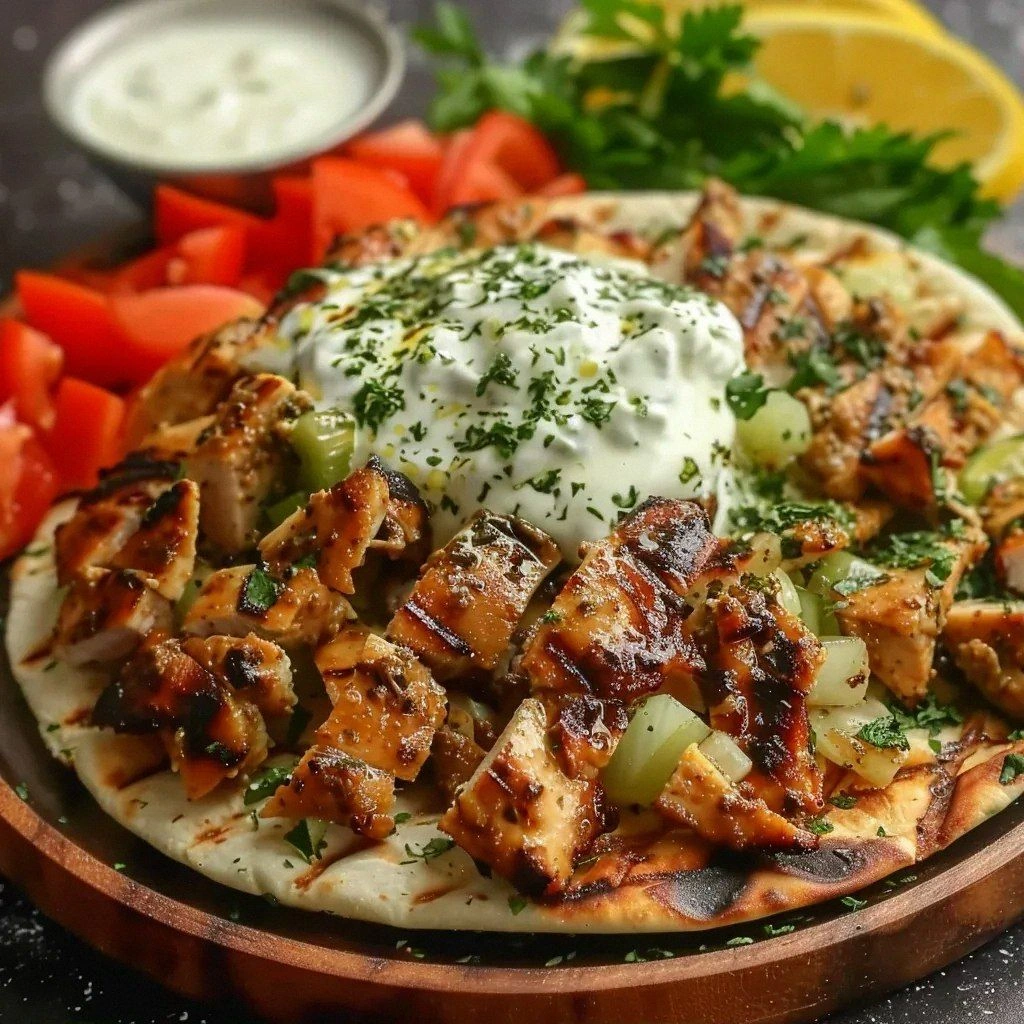
- Lay out a warmed pita, spread a spoonful of tahini or yogurt sauce if using, then pile on the sliced chicken, fresh lettuce, diced tomatoes, cucumber, and a sprinkle of parsley. Fold the sides in and roll tightly, sealing the filling inside. The result is a handheld masterpiece that’s both portable and indulgent.
- Serve immediately with extra sauce on the side, a squeeze of fresh lemon, and a handful of crunchy pickles if desired. The contrast of the creamy sauce, crisp veggies, and juicy chicken is a symphony of textures. Enjoy the moment as the flavors explode in your mouth, and remember the kitchen’s sizzling soundtrack.
That’s it — you did it. But hold on, I've got a few more tricks that'll take this to another level. Let’s dive into some insider knowledge that turns a good shawarma into an unforgettable culinary experience.
Insider Tricks for Flawless Results
The Temperature Rule Nobody Follows
Many people cook chicken at a high heat and risk overcooking the exterior while leaving the interior underdone. I always set my skillet to medium‑high and monitor the internal temperature with a meat thermometer. The ideal internal temperature is 165°F (74°C). This ensures the chicken stays juicy and safe to eat.
Why Your Nose Knows Best
The aroma of garlic and spices is a reliable indicator of doneness. When the garlic starts to turn golden and the spices release a nutty fragrance, you’re in the sweet spot. If you’re still unsure, give the meat a gentle press; it should feel firm yet give slightly.
The 5-Minute Rest That Changes Everything
Resting the chicken for 5 minutes after searing is not just a suggestion—it’s a game changer. During this time, the muscle fibers relax and the juices redistribute, preventing the meat from drying out when sliced. I’ve seen people skip this step and end up with dry, unappetizing shawarma.
Layered Flavor Is Key
Don’t just toss the ingredients together; layer them strategically. Start with the sauce, then add the chicken, followed by the veggies, and finish with parsley. This layering ensures each bite is balanced and each component shines.
Fresh Herbs Make the Difference
I always use freshly chopped parsley rather than dried. The bright green color and fresh peppery taste elevate the dish, while dried herbs can taste flat. If you’re in a pinch, a small amount of dried parsley can work, but the texture will differ.
Add a Touch of Heat
For those who like a kick, sprinkle a pinch of cayenne pepper into the spice blend or serve with a side of harissa. The heat will contrast nicely with the creamy tahini and add a fiery finish.
Creative Twists and Variations
This recipe is a playground. Here are some of my favorite ways to switch things up:
Grilled Lamb Shawarma
Swap the chicken for lamb shoulder, marinate it in the same yogurt‑spice mix, and grill instead of pan‑searing. The lamb’s rich flavor pairs beautifully with the aromatic spices and the creamy sauce.
Vegan Falafel Shawarma
Use falafel balls as the protein, toss them in the same sauce, and wrap them with the same fresh veggies. This version offers a hearty, plant‑based alternative that still delivers the shawarma experience.
Spicy Peanut Sauce
Replace tahini with a peanut sauce made from peanut butter, soy sauce, lime juice, and a splash of sriracha. The nutty flavor adds a new dimension while keeping the creamy texture.
Crispy Chickpeas
Add roasted chickpeas to the filling for an extra crunch and protein boost. They also absorb the spices, becoming a savory snack inside the wrap.
Mediterranean Couscous Side
Serve the shawarma over a bed of fluffy couscous tossed with lemon zest, parsley, and a drizzle of olive oil. The couscous adds a comforting base that complements the wrap.
Sweet Chili Glaze
Finish the chicken with a sweet chili glaze for a sweet‑spicy contrast. The glaze caramelizes on the meat, giving it a glossy, irresistible finish.
Storing and Bringing It Back to Life
Fridge Storage
Store leftover chicken and sauce separately in airtight containers in the refrigerator for up to 3 days. Keep the veggies in a separate container to maintain their crunch.
Freezer Friendly
Freeze the marinated chicken in a freezer‑safe bag for up to 2 months. Thaw overnight in the fridge before reheating. The sauce can be frozen for up to a month; thaw and reheat gently.
Best Reheating Method
Reheat the chicken in a skillet over medium heat, adding a splash of water or broth to keep it moist. Warm the pita in a dry skillet or microwave for 10–15 seconds. Add a tiny splash of water before reheating the sauce to restore its silky texture.