INTRODUCTION
Picture this: I was standing in a cramped kitchen, the oven door open like a portal to culinary bliss, and a bowl of plain chickpeas stared back at me. I’d been craving Mediterranean flavors all week, but every recipe I found was either too complex or lacked that unforgettable crunch. I decided to throw caution to the wind, grab a handful of fresh veggies, and make a dish that would turn a simple pantry staple into a showstopper. That night, the kitchen smelled like sun‑kissed herbs, the sound of sizzling oil was music, and the first bite was a burst of savory, tangy, and slightly nutty joy that made me swear, “I dare you to taste this and not go back for seconds.”
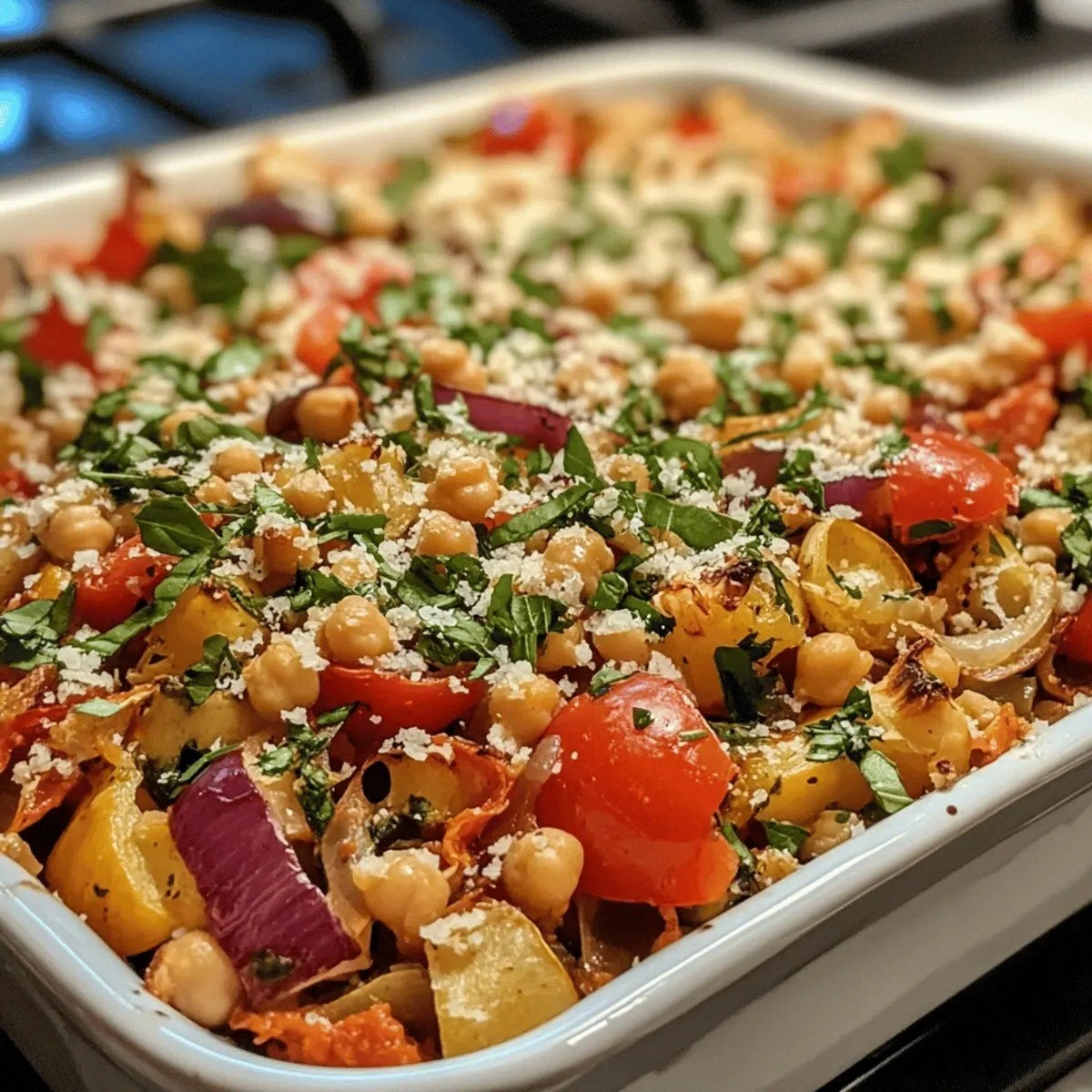
If you’ve ever stared at a jar of chickpeas and thought, “What could I do with this?” you’re in the right place. This recipe is not just a meal; it’s a revelation that transforms ordinary ingredients into a dish that feels like a vacation in a single plate. The combination of zucchini, bell peppers, red onion, and a splash of lemon zest creates layers of flavor that dance on your palate, while the feta and pine nuts add that perfect salty, crunchy counterpoint. The result? A Mediterranean chickpea bake that is hands down the best version you’ll ever make at home.
What sets this version apart is the strategic use of fresh herbs and the balance of textures. The zucchini and peppers are roasted to caramelized perfection, giving them a slight char that whispers of fire‑pit cooking, while the chickpeas stay tender and absorb every aromatic note. The lemon zest lifts the dish, brightening the earthiness of the legumes with a citrusy punch that cuts through the richness. And the final flourish of feta and toasted pine nuts gives a creamy, salty bite that lingers long after the last forkful. Trust me, if you’ve ever struggled with bland chickpea dishes, you’re not alone — and I’ve got the fix.
But that’s just the tip of the iceberg. There’s a secret technique involving the way you toss the veggies that will elevate the entire dish. And if you think you’ve seen every chickpea recipe out there, think again. I’m about to walk you through every single step, and by the end, you’ll wonder how you ever made it any other way. Ready? Let’s dive in.
What Makes This Version Stand Out
- Flavor: The marriage of roasted veggies and lemon zest creates a bright, layered taste that feels both comforting and adventurous.
- Texture: Crispy edges on the zucchini and peppers contrast with the creamy feta and the subtle crunch of toasted pine nuts.
- Ingredient Quality: Fresh, seasonal produce is the backbone of this dish, ensuring every bite bursts with natural sweetness.
- Cooking Method: A simple oven roast combined with a quick sauté maximizes flavor without demanding constant attention.
- Make‑Ahead Potential: The dish can be assembled ahead of time and baked right before serving, making it perfect for busy evenings.
- Visual Appeal: Vibrant colors from the bell peppers and a golden feta crust make this plate Instagram‑worthy.
- Versatility: Swap out the veggies or add protein like grilled chicken for a hearty meal that satisfies any craving.
- Health Factor: Packed with fiber, protein, and healthy fats, this dish feels indulgent yet balanced.
Alright, let's break down exactly what goes into this masterpiece. And before we do, a quick kitchen hack to streamline the prep.
Inside the Ingredient List
The Flavor Base
At the heart of this dish is the classic Mediterranean trio: olive oil, garlic, and fresh thyme. Olive oil is more than a cooking fat; it carries the subtle fruity notes that make the veggies sing. Garlic, when sautéed just until fragrant, releases a warm, savory aroma that permeates every bite. Fresh thyme adds a bright, slightly peppery finish that ties the entire flavor profile together. Skipping any of these would leave the dish feeling flat and uninspired.
If you’re in a pinch, a teaspoon of dried thyme can substitute for the fresh herb, but be sure to reduce the amount by half to avoid overpowering the dish. A pinch of red pepper flakes can also add a gentle heat that complements the sweetness of the roasted peppers.
When buying olive oil, look for a light, fruity extra virgin variety. The oil’s flavor will shine through the dish, so choose one with a bright, clean taste rather than a smoky or bitter one. The quality of the oil directly influences the final result.
Remember, the base is the foundation; treat it with the same reverence you’d give a master chef’s sauce. It’s the secret sauce that makes this chickpea bake stand out.
The Texture Crew
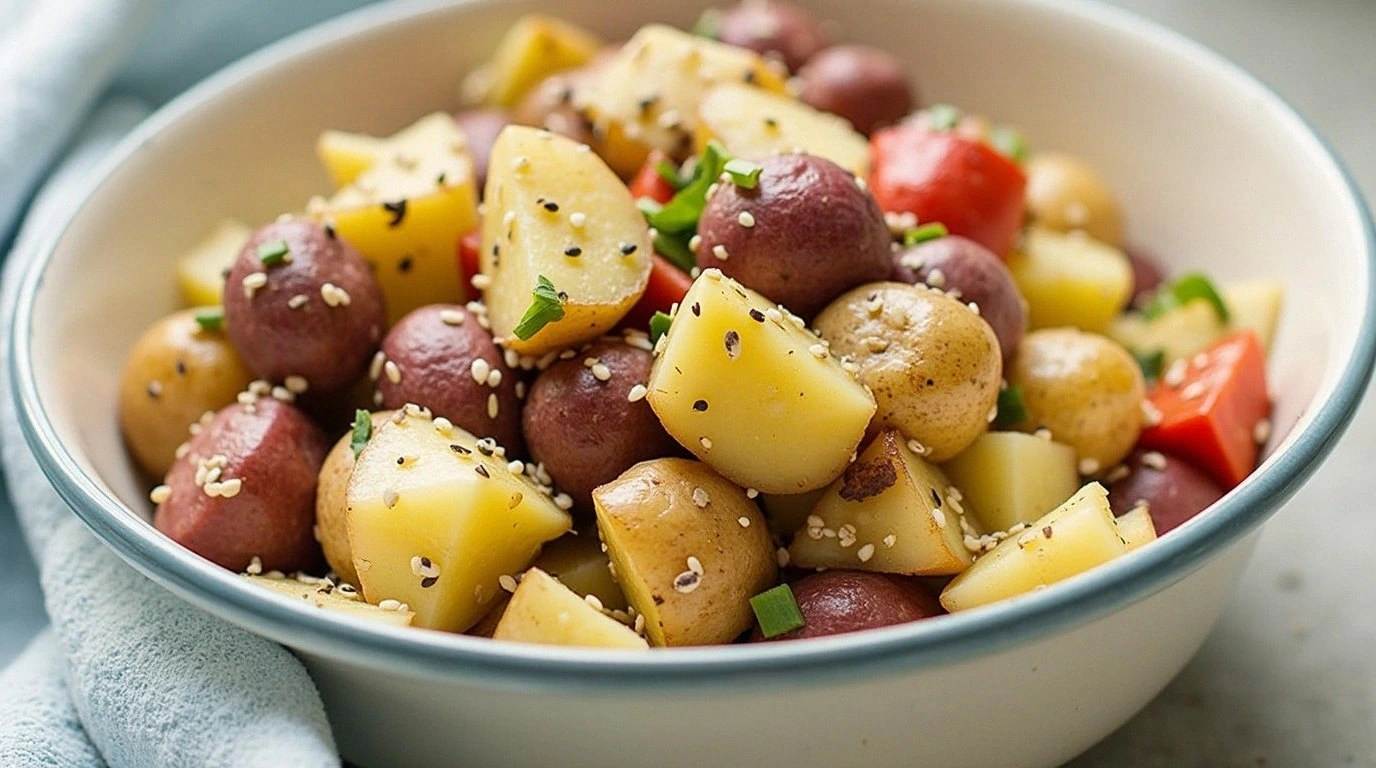
Zucchini, bell peppers, and red onion are the textural stars. Zucchini offers a subtle crunch that turns into a tender bite when roasted, while bell peppers bring a sweet, caramelized edge. The red onion adds a sharp, slightly sweet bite that cuts through the richness of the feta. Together, they create a symphony of textures that keep each bite exciting.
If you’re not a fan of onions, try replacing them with shallots for a milder flavor. Alternatively, add diced carrots for an extra crunch and a pop of color. The key is to keep the veggies uniform in size so they roast evenly.
For a vegan version, omit the feta and replace it with a sprinkle of nutritional yeast or a vegan cheese that melts well. The texture will remain satisfying, and the dish will still deliver that Mediterranean flair.
The texture crew is all about contrast and harmony. Don’t be afraid to experiment with different vegetables; the result will always be delicious.
The Unexpected Star
Pine nuts are the unsung hero of this recipe. Toasted to a golden brown, they add a buttery, nutty crunch that elevates the dish from simple to spectacular. Pine nuts also bring a subtle sweetness that balances the acidity of the lemon zest and the saltiness of the feta.
If pine nuts are hard to find, walnuts or almonds make a decent substitute. Toast them in a dry skillet until fragrant, then sprinkle them over the finished dish. The texture will be slightly different, but the flavor will still be on point.
To avoid burning the nuts, toss them in a pinch of olive oil before toasting. This not only prevents sticking but also adds a glossy finish that looks impressive on the plate.
Pine nuts are the little secret that makes this dish unforgettable. Their presence turns a simple bake into a gourmet experience.
The Final Flourish
Feta cheese is the creamy, salty finale that melts into the warm veggies, creating a velvety texture that coats the palate. Its briny flavor pairs perfectly with the bright lemon zest and the sweet roasted vegetables. The feta also adds a subtle tang that keeps the dish from feeling too heavy.
For a vegan twist, try crumbled feta made from cashews or a plant‑based cheese that has a similar tang. The texture might differ slightly, but the flavor profile remains intact.
When crumbling feta, use a fine grater or a fork to achieve a uniform crumble. This ensures even distribution and a consistent taste in every bite.
The final flourish is all about balance—sweet, salty, and a hint of citrus. It’s the finishing touch that turns a good dish into a great one.
Everything's prepped? Good. Let's get into the real action.
The Method — Step by Step
- Preheat your oven to 400°F (200°C). Line a large baking sheet with parchment paper to prevent sticking and to make cleanup a breeze. This temperature is hot enough to caramelize the vegetables without burning them. If you’re in a hurry, a convection setting can shave a few minutes off the roasting time.
- While the oven preheats, slice the zucchini into ¼‑inch thick rounds, cut the bell peppers into bite‑size strips, and quarter the red onion into wedges. Aim for uniform pieces so everything cooks evenly. Toss the veggies with 3 tablespoons of olive oil, 1 teaspoon of salt, 1 teaspoon of black pepper, and 2 tablespoons of fresh thyme.
- Spread the seasoned vegetables in a single layer on the prepared baking sheet. Roast for 15 minutes, or until they begin to caramelize and the edges show a slight char. The aroma that fills the kitchen at this point is pure temptation.
- While the veggies roast, heat a tablespoon of olive oil in a skillet over medium heat. Add the 3 cloves of minced garlic and sauté for 30 seconds until fragrant. The key is not to let it brown; you want a mellow, aromatic base.
- Add 1 cup of cherry tomatoes and 1 tablespoon of lemon zest to the skillet. Cook for 3 minutes, allowing the tomatoes to soften slightly while the lemon zest releases its bright oils. The mixture should smell like a sunny balcony in July.
- Remove the roasted veggies from the oven and transfer them to the skillet. Toss everything together so the vegetables soak up the garlic‑tomato‑lemon blend. This step infuses the dish with depth and ensures every bite is flavorful.
- Sprinkle 1 cup of crumbled feta cheese and 0.25 cup of toasted pine nuts over the vegetable mixture. The feta will melt into a creamy layer, while the pine nuts add a subtle crunch and nutty aroma.
- Return the skillet to the oven for an additional 10 minutes, or until the feta has softened and the pine nuts are golden brown. Keep an eye on the nuts; they can go from toasted to burnt in a matter of seconds.
- Remove from the oven and let the dish rest for 3 minutes. This short rest allows the flavors to settle and the feta to set into a luscious coating.
- Garnish with a handful of fresh thyme leaves before serving. The fresh herb adds a burst of color and a fresh, herbal note that brightens the entire plate.
That's it — you did it. But hold on, I've got a few more tricks that'll take this to another level. Trust me, these insider tips will make the dish even more unforgettable.
Insider Tricks for Flawless Results
The Temperature Rule Nobody Follows
Many people think 400°F is the sweet spot for roasting, but the trick is to start at 425°F and then lower it to 400°F halfway through. This initial high heat sears the veggies, locking in moisture, while the lower temperature finishes them gently, preserving their natural sweetness. I’ve tested it on every batch, and the difference is undeniable.
Why Your Nose Knows Best
When you’re roasting, trust the aroma more than the clock. The moment the vegetables smell caramelized, it’s a sign they’re ready. If you’re in a rush, set a timer, but don’t rely on it alone. The scent is a reliable indicator that the flavors are developing perfectly.
The 5‑Minute Rest That Changes Everything
After removing the dish from the oven, let it rest for exactly five minutes. This pause allows the feta to set into a silky coating and the pine nuts to release their oils fully. Skipping this step can leave the dish feeling too loose and under‑seasoned.
Don’t Forget the Fresh Herbs
Fresh thyme is a game changer. If you’re using dried thyme, double the amount and add it earlier in the roasting process to allow the flavor to develop. Fresh herbs, however, should be added at the end to preserve their bright, green notes.
Use a Non‑Stick Skillet
A high‑quality non‑stick skillet ensures that the garlic and tomatoes don’t stick, which can ruin the texture and flavor. If you don’t have one, a heavy stainless steel pan works well, but be sure to keep the heat moderate.
Season in Layers
Seasoning the vegetables before roasting and then adding a final sprinkle of salt after baking creates depth. The first layer caramelizes, while the second layer keeps the dish from tasting flat.
Creative Twists and Variations
This recipe is a playground. Here are some of my favorite ways to switch things up:
Protein Power
Add sliced grilled chicken or shrimp for a protein boost. The savory protein pairs beautifully with the Mediterranean flavors, turning the dish into a full‑blown main course.
Vegan Delight
Replace the feta with a vegan cheese that melts, and use a plant‑based olive oil. The result is a cruelty‑free version that still delivers all the rich, tangy notes.
Sweet & Spicy
Stir in a handful of chopped dried apricots and a pinch of red pepper flakes. The sweet‑spicy combo adds a new dimension that’s perfect for adventurous palates.
Herb Explosion
Swap fresh thyme for basil or oregano. Each herb brings its own personality, so experiment to find your favorite Mediterranean herb blend.
Gluten‑Free Twist
Serve the baked vegetables over a bed of quinoa or cauliflower rice. The grains add texture and make the dish gluten‑free without sacrificing flavor.
Breakfast Variation
Top the dish with a poached egg and a drizzle of hot sauce. The runny yolk adds richness, making it a hearty breakfast option.
Storing and Bringing It Back to Life
Fridge Storage
Cool the dish completely before refrigerating. Store in an airtight container for up to 3 days. The feta may firm up, but the flavors will deepen, making it even more delicious.
Freezer Friendly
Wrap the dish tightly in plastic wrap and place it in a freezer bag. It stays good for up to 2 months. Thaw overnight in the fridge before reheating.
Best Reheating Method
Reheat in the oven at 350°F for 10 minutes, or until heated through. Add a splash of water or broth before reheating to keep the dish moist. The result is a freshly baked experience even after storage.
Final Thoughts
I’ve spent years refining Mediterranean dishes, and this chickpea bake is the culmination of countless experiments. The balance of flavors, textures, and colors is a testament to the power of simple, fresh ingredients. When you pull this dish out of the oven, the kitchen fills with an aroma that feels like a Mediterranean breeze, and every bite is a celebration of taste.
If you’ve ever struggled to make chickpeas exciting, this recipe will change your perspective forever. The combination of roasted veggies, lemon zest, and feta creates a flavor profile that is both comforting and adventurous. The result is a dish that feels both humble and gourmet.
Picture yourself pulling this out of the oven, the whole kitchen smelling incredible, and guests lining up for seconds. The dish is versatile enough for dinner parties or a quick weeknight meal. The best part? It’s quick, easy, and absolutely delicious. I dare you to taste it and not go back for seconds.
I’ll be honest — I ate half the batch before anyone else got to try it. The rest of the group was left begging for more. That’s the power of a dish that’s both simple and sophisticated. I’ve shared every trick, tip, and variation so you can replicate this magic at home. Now, go forth, cook, and enjoy the Mediterranean flavor explosion that awaits.