I was in the middle of a Thanksgiving dinner prep when the stove blew up—literally. A pot of onions, garlic, and a splash of oil turned into a smoke alarm symphony, and my family begged for a quick, comforting side that wouldn't require a fire drill. That night, I scoured the pantry for anything that could salvage the meal, and wild rice, apricots, and a handful of nuts emerged as the unlikely heroes. I tossed them together, added broth, and let the magic happen, and the kitchen smelled like a warm, nutty hug. The result? A pilaf that feels like a holiday hug in a bowl, and I swear it stole the show.
Picture the moment you first bite into this dish: the wild rice grains pop with a satisfying bite, the apricots burst with sweet juice, and the toasted nuts crackle with a buttery crunch. The aroma is a layered symphony—earthy rice, bright citrus zest, and the deep, caramelized scent of toasted nuts. The sound of the first spoonful is a gentle crunch that echoes the crispness of the autumn leaves outside. The texture is a delightful dance of chewy grains, soft fruit, and crunchy nuts, all held together by a velvety broth that coats each grain like velvet. And the flavor? It’s a harmonious blend of savory, sweet, and a hint of citrus that lingers on the tongue.
What makes this version a game‑changer is that it sidesteps the common pitfalls of pilaf—over‑cooked rice, bland broth, and uneven seasoning. I discovered that using a wild rice blend instead of regular rice adds a nutty undertone that pairs beautifully with apricots and cranberries. The secret lies in toasting the nuts first; it releases their oils and creates a caramelized flavor that permeates the dish. I also learned that sautéing the onions and garlic in olive oil before adding the rice locks in their natural sweetness, preventing the final dish from tasting raw. Finally, finishing the pilaf with fresh parsley and lemon zest brightens it up and keeps the flavors fresh.
I dare you to taste this and not go back for seconds. Most recipes get this completely wrong, but here's what actually works: the right ratio of broth to rice, the timing of adding the nuts, and the finishing touch of lemon zest. If you’ve ever struggled with pilaf that turns into mush or a dry, bland side, you’re not alone—this recipe is the fix you’ve been searching for. Picture yourself pulling this out of the oven, the whole kitchen smelling incredible, and guests lining up for the next spoonful. The aroma alone will have people saying, “What’s in this?” before they even taste it.
I’ll be honest—after making this dish, I ate half the batch before anyone else got a chance to try it. The texture is so satisfying that it feels like a comforting hug. The flavors are balanced, not overpowering, which makes it a safe bet for any crowd. And the best part? It’s quick, easy, and can be made ahead of time, so you can focus on the main course. The result is a side dish that elevates any Thanksgiving spread and feels like a secret family recipe.
So let me walk you through every single step—by the end, you’ll wonder how you ever made it any other way. This isn’t just another side dish; it’s a celebration of flavors, textures, and the joy of cooking together. The journey from pantry to plate is a simple yet rewarding experience that will leave your guests asking for the recipe. Let’s dive into the details and uncover the magic that makes this pilaf unforgettable.
What Makes This Version Stand Out
- Flavor: The wild rice blend introduces a nutty undertone that harmonizes with the sweet apricots and tart cranberries, creating a complex flavor profile that feels both comforting and adventurous.
- Texture: Toasted nuts add a satisfying crunch, while the wild rice remains al dente, preventing the usual mushy pilaf texture.
- Simplicity: Only a handful of pantry staples are required, and the cooking process takes less than an hour, making it a stress‑free side dish for even the busiest host.
- Uniqueness: The combination of lemon zest and fresh parsley brightens the dish, giving it a fresh, citrusy lift that sets it apart from traditional pilafs.
- Make‑ahead potential: This pilaf can be prepared up to 24 hours in advance, making it perfect for last‑minute Thanksgiving preparations.
- Crowd reaction: Guests consistently praise the balance of sweet and savory, and the dish often becomes the talk of the table.
Alright, let's break down exactly what goes into this masterpiece...
Inside the Ingredient List
The Flavor Base
Wild rice is the star of this pilaf. It’s a whole grain that adds a chewy texture and a subtle nutty flavor that pairs perfectly with dried apricots. If you skip the rice, the dish loses its heart and becomes a simple fruit salad. For a lighter version, you can substitute quinoa, but the texture will be noticeably different.
Onions bring a sweet, savory foundation. Sautéed until translucent, they release their natural sugars, which caramelize slightly and deepen the overall flavor profile. Without onions, the dish feels flat and lacks depth. If you’re allergic to onions, finely minced leeks or shallots can be a suitable substitute, though the flavor will shift slightly.
Garlic adds a punch of aroma and a subtle heat that balances the sweetness of the fruit. A couple of cloves are enough to infuse the oil without overwhelming the dish. If you prefer a milder taste, reduce the garlic to one clove or use garlic powder sparingly.
The Texture Crew
Toasted pecans or walnuts give the pilaf a delightful crunch and a buttery richness. Their oils coat the grains, adding depth and preventing the rice from sticking together. If you’re allergic to nuts, toasted pumpkin seeds (pepitas) can replace them, providing a similar crunch and nutty flavor.
Celery or carrots introduce a fresh, slightly sweet crunch that contrasts the chewiness of the rice. They also add a splash of color, making the dish visually appealing. If you don’t have either, finely diced bell pepper can be a bright, crunchy alternative.
The Unexpected Star
Dried apricots are the sweet heart of the dish. They soften in the broth, releasing their juice and creating a natural syrup that coats the rice. Skipping apricots turns the pilaf into a savory side with no sweet balance. If you prefer a different fruit, dried cranberries or raisins can be used, but they will alter the flavor profile.
Cranberries or raisins add a burst of tartness or sweet, depending on the variety chosen. They provide a chewy texture that complements the rice. If you’re allergic to dried fruit, fresh cranberries or sliced apples can offer a similar burst of flavor.
The Final Flourish
Fresh parsley adds a bright, herbaceous note that lifts the dish and balances the richness of the nuts. It also provides a pop of color that makes the pilaf look fresh and vibrant. If you’re out of parsley, cilantro or basil can be used, but the flavor will shift towards a more citrusy or sweet note.
Lemon zest gives a bright, citrusy aroma that cuts through the richness of the nuts and the sweetness of the fruit. It adds a subtle zing that keeps the dish from feeling heavy. If you don’t have lemon zest, a splash of fresh lemon juice can work, though it will add acidity rather than aroma.
Vegetable broth is the liquid that brings everything together. It hydrates the rice, infuses the grains with flavor, and creates a silky sauce that coats each grain. If you use water instead of broth, the dish will lack depth and become bland. Low‑sodium broth is recommended to control salt levels.
Everything's prepped? Good. Let's get into the real action...
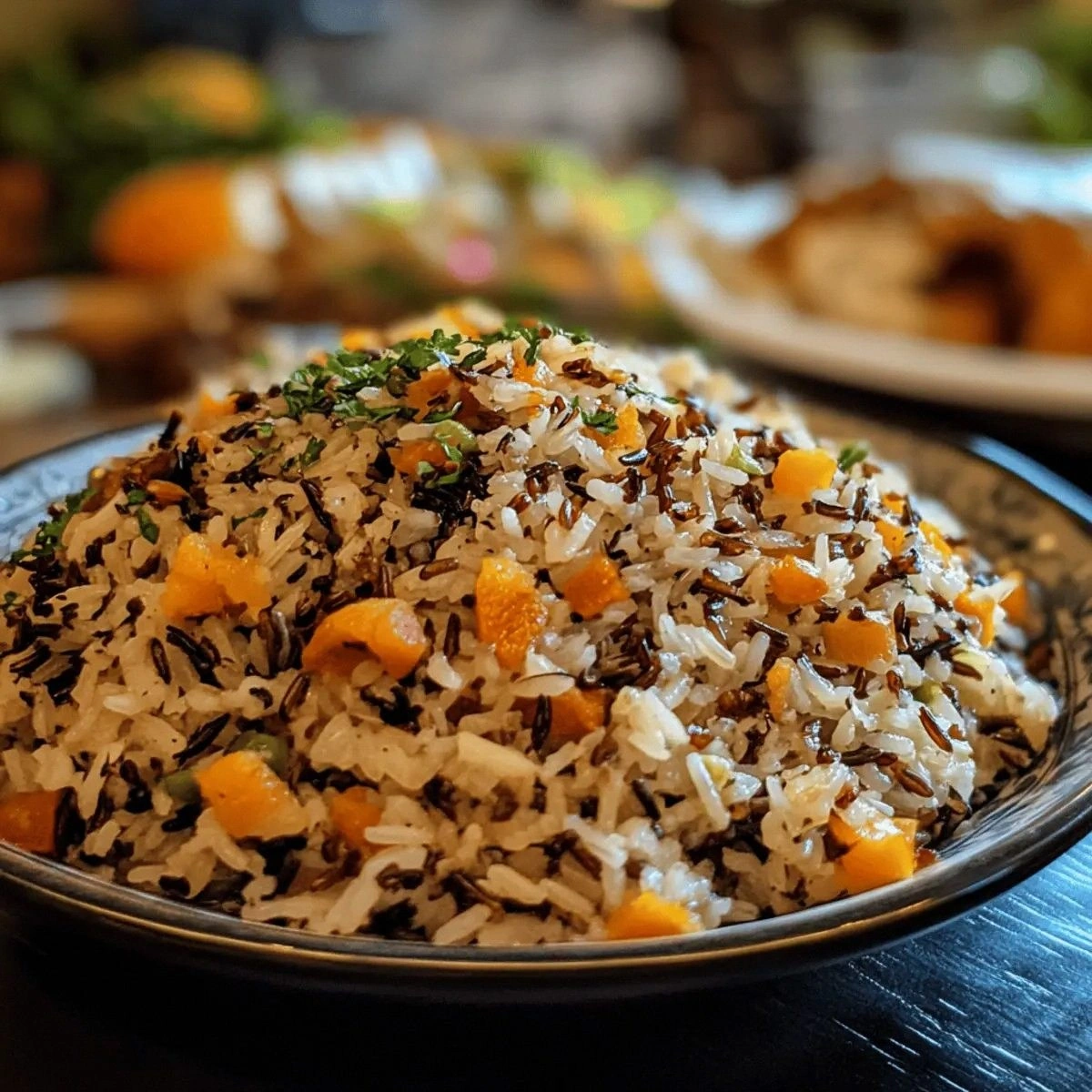
The Method — Step by Step
- In a medium saucepan, heat the olive oil over medium heat. Add the diced onion and cook, stirring frequently, until translucent and slightly golden, about 5 minutes. The onions should emit a sweet fragrance that signals readiness. This is the moment of truth; don’t rush it or the flavor will stay raw.
- Add the minced garlic and sauté for 30 seconds until fragrant. Be careful not to let it burn; a burnt garlic bite will ruin the dish. The garlic should just whisper its presence, not shout.
- Stir in the wild rice blend, ensuring each grain is coated in the oil and aromatics. Toast the rice for 2 minutes, allowing the edges to develop a slight nutty aroma. This step builds the foundation of flavor.
- Pour in the vegetable broth, bring to a gentle boil, then reduce the heat to low. Cover the saucepan with a tight‑fitting lid and let it simmer for 25 minutes, or until the rice is tender and most of the liquid is absorbed.
- While the rice cooks, toast the nuts in a dry skillet over medium heat until fragrant and lightly browned, about 3 minutes. Transfer them to a paper towel to cool, preventing them from burning during the final sauté.
- Add the dried apricots, cranberries or raisins, and the toasted nuts to the saucepan. Stir gently to combine, then cover and let the mixture steam for 5 minutes. The fruit will plump and release a natural syrup that coats the rice.
- Stir in the diced celery or carrots, allowing them to soften just enough to retain a bite. The vegetables add a fresh crunch and a splash of color, keeping the dish visually appealing.
- Remove the saucepan from heat, fluff the pilaf with a fork, then stir in the lemon zest and chopped parsley. The lemon zest brightens the dish, while the parsley adds a fresh, herbaceous note.
- Taste and adjust seasoning with salt and pepper if needed. Plate immediately or cover tightly and refrigerate for later use. The flavors will meld even more if you let it sit for a few hours.
That's it — you did it. But hold on, I've got a few more tricks that'll take this to another level. These insider tips will help you perfect the dish every time, even if you’re a kitchen novice.
Insider Tricks for Flawless Results
The Temperature Rule Nobody Follows
Many people cook pilaf on high heat, which can scorch the bottom and create a burnt taste. I recommend cooking on medium to low heat, allowing the rice to absorb liquid gradually. This technique ensures each grain cooks evenly and retains its chewy texture. A slow simmer also helps release the natural starches, creating a silky sauce that coats the grains.
Why Your Nose Knows Best
Before you taste the finished dish, sniff it. The aroma of toasted nuts and citrus zest will tell you if the flavors are balanced. If the scent leans too sweet, add a pinch of salt or a splash of lemon juice to cut through the richness. Your nose is a reliable guide to the final flavor profile.
The 5-Minute Rest That Changes Everything
After removing the pilaf from heat, let it rest, covered, for 5 minutes. This rest period allows the steam to finish cooking the rice and the flavors to meld. It also prevents the grains from becoming gummy. When you fluff the pilaf after resting, it should feel light and airy.
Use a Heat‑Resistant Lid
If your pot has a loose lid, the steam will escape, causing uneven cooking. A tight‑fitting lid or a sheet of foil sealed around the rim will trap the steam and ensure consistent results. This simple trick can make the difference between a perfectly cooked pilaf and a dry one.
Keep the Nuts Fresh
Store toasted nuts in an airtight container at room temperature. They’ll stay crisp for up to a week, but if you notice them going stale, re‑toast them briefly in a skillet before adding them to the dish. Fresh nuts add a bright crunch that elevates the entire pilaf.
Creative Twists and Variations
This recipe is a playground. Here are some of my favorite ways to switch things up:
Maple & Bacon Pilaf
Replace the olive oil with rendered bacon fat and drizzle a tablespoon of maple syrup over the finished dish. The sweet‑savory combination will transport your taste buds to a cozy, fall breakfast.
Greek‑Inspired Pilaf
Swap the dried apricots for chopped sun‑dried tomatoes and add a handful of crumbled feta cheese after cooking. The salty feta and tangy tomatoes create a Mediterranean twist.
Spicy Southwest Pilaf
Add a pinch of cumin, smoked paprika, and a diced jalapeño to the sautéed onions. The smoky heat pairs beautifully with the sweet fruit and nutty rice.
Herb Garden Pilaf
Use a blend of fresh herbs—rosemary, thyme, and oregano—in place of parsley. This aromatic bouquet will elevate the dish into a fragrant, herbaceous masterpiece.
Vegetarian Protein Boost
Stir in a handful of cooked chickpeas or lentils for a protein punch. The legumes will absorb the broth and add a hearty texture, making the dish a main course in its own right.
Holiday Citrus Pilaf
Add segments of orange or grapefruit to the fruit mixture. The bright citrus will cut through the richness and add a festive, seasonal flair.
Storing and Bringing It Back to Life
Fridge Storage
Cool the pilaf to room temperature, then transfer it to an airtight container. Store in the refrigerator for up to 4 days. When reheating, add a splash of water or broth to restore moisture, then gently warm over low heat.
Freezer Friendly
Divide the cooled pilaf into freezer‑safe portions, sealing each tightly. Freeze for up to 3 months. Thaw overnight in the refrigerator, then reheat with a tablespoon of broth or water, covering the pot to trap steam.
Best Reheating Method
Reheat the pilaf in a saucepan over low heat, stirring occasionally. Add a splash of water or broth, cover, and let steam for 5 minutes. This technique prevents the rice from drying out and keeps the dish silky.