
Filipino Chicken Inasal Fried Rice
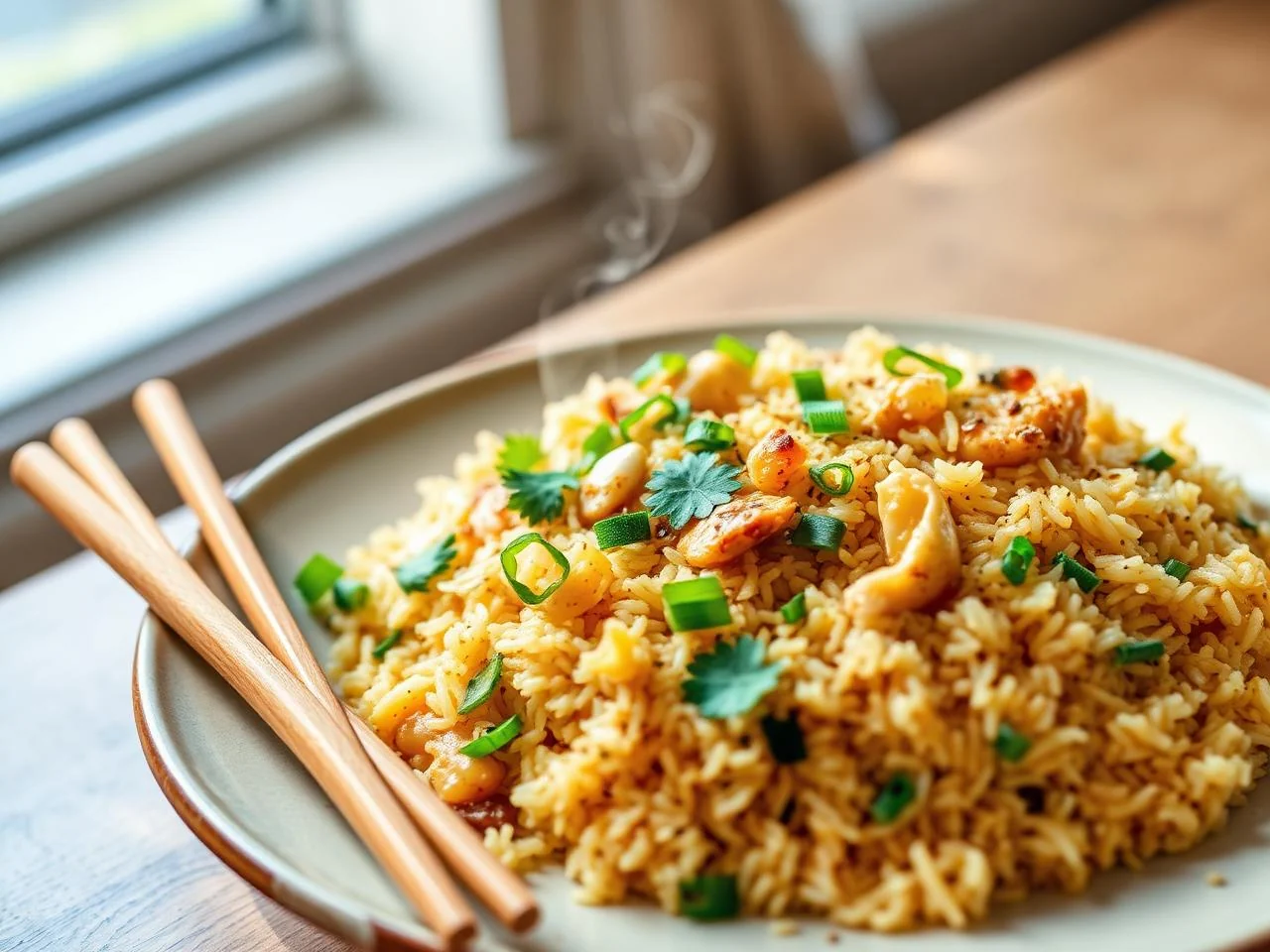
Filipino Chicken Inasal Fried Rice is a dish that combines the best of Asian flavors with the comfort of a hearty bowl of fried rice. As a home cook, I've always been fascinated by the way this dish brings people together, and I'm excited to share my version of this recipe with you.
I remember my first encounter with Chicken Inasal Fried Rice like it was yesterday. I was at a Filipino restaurant, and the aroma of grilled chicken and fried rice wafted through the air, drawing me in. The combination of flavors and textures was love at first bite, and I knew I had to recreate it in my own kitchen.
This recipe is special because it's a true representation of Filipino cuisine, with its bold flavors and vibrant ingredients. It's also a versatile dish that can be made for any occasion, whether it's a quick weeknight dinner or a special gathering with friends and family.
One of the things that sets this recipe apart is the use of high-quality ingredients, including fresh vegetables, fragrant spices, and tender chicken. By taking the time to marinate the chicken and cook the rice just right, you'll be rewarded with a dish that's not only delicious but also visually stunning.
So, who is this recipe for? It's for anyone who loves Asian cuisine, or anyone looking to try something new and exciting. It's for home cooks who want to impress their friends and family with a dish that's both flavorful and visually appealing. And it's for anyone who loves the comfort of a warm, satisfying bowl of fried rice on a chilly day.
Why You’ll Love This Recipe
- This recipe is easy to make and requires minimal ingredients.
- It's a versatile dish that can be served for any occasion, from a quick weeknight dinner to a special gathering with friends and family.
- The combination of flavors and textures is both familiar and exciting, making it a great option for adventurous eaters.
- The dish is highly customizable, allowing you to add your favorite ingredients or substitutions to make it your own.
- It's a cost-effective option that's perfect for families or large groups, as it can be made in bulk and reheated as needed.
- The recipe is also relatively healthy, as it uses lean protein and plenty of vegetables to create a balanced and nutritious meal.
Why This Recipe Works
The key to making great Filipino Chicken Inasal Fried Rice is to balance the flavors and textures. By marinating the chicken in a mixture of soy sauce, vinegar, and spices, you'll create a tender and flavorful protein that pairs perfectly with the crispy fried rice.
The type of rice used is also crucial, as it needs to be dry and separate to achieve the right texture. Day-old rice is ideal, as it's drier than freshly cooked rice and will yield a better result.
Another important aspect of this recipe is the use of aromatics, such as garlic and ginger, to add depth and warmth to the dish. By sautéing these ingredients in oil before adding the rice, you'll create a rich and savory flavor that complements the chicken perfectly.
Ingredients You’ll Need
To make this recipe, you'll need a few key ingredients, including chicken thighs, day-old rice, and a variety of Asian sauces and spices. Be sure to choose high-quality ingredients, such as fresh vegetables and fragrant spices, to get the best flavor out of your dish.
When shopping for ingredients, look for items that are fresh and fragrant, and avoid anything that's wilted or stale. You can also customize the recipe to suit your tastes by adding your favorite ingredients or substitutions.
- 1 lb (450g) chicken thighs, bonelessChoose boneless, skinless chicken thighs for the best results, as they'll be easier to marinate and cook evenly.
- 2 cups (400g) day-old cooked riceDay-old rice is ideal for fried rice, as it's drier than freshly cooked rice and will yield a better result.
- 2 tbsp (30ml) soy sauceSoy sauce adds a salty, savory flavor to the dish, and can be adjusted to taste.
- 1 tbsp (15ml) oyster sauceOyster sauce adds a rich, umami flavor to the dish, and can be substituted with hoisin sauce if needed.
- 1 tbsp (15ml) fish sauceFish sauce adds a salty, savory flavor to the dish, and can be adjusted to taste.
- 2 cloves garlic, mincedGarlic adds a pungent flavor to the dish, and can be adjusted to taste.
- 1 tsp (5g) grated gingerGinger adds a warm, spicy flavor to the dish, and can be adjusted to taste.
- 1/4 cup (30g) chopped scallions, for garnishScallions add a fresh, oniony flavor to the dish, and can be used as a garnish or mixed into the rice.
- 2 tbsp (30ml) vegetable oilVegetable oil is used for stir-frying and adds a neutral flavor to the dish.
- 1 tsp (5g) saltSalt enhances the flavors in the dish and can be adjusted to taste.
- 1/2 tsp (2g) black pepperBlack pepper adds a sharp, peppery flavor to the dish and can be adjusted to taste.
- 2 tbsp (30g) toasted sesame seeds, for garnishSesame seeds add a nutty flavor and crunchy texture to the dish, and can be used as a garnish or mixed into the rice.
Equipment You’ll Need
How to Make Filipino Chicken Inasal Fried Rice
- 1In a large bowl, whisk together soy sauce, oyster sauce, fish sauce, garlic, and ginger to make the marinade.
- 2Add the chicken thighs to the marinade and mix to coat. Cover the bowl with plastic wrap and refrigerate for at least 30 minutes or up to 2 hours.
- 3Heat 1 tablespoon of vegetable oil in a large skillet or wok over medium-high heat. Remove the chicken from the marinade, letting any excess liquid drip off.
- 4Add the chicken to the skillet and cook until browned and cooked through, about 5-7 minutes per side. Use an instant-read thermometer to check the internal temperature, which should reach 165 F (74 C) in the thickest part of the breast.
- 5Transfer the cooked chicken to a plate and let it rest for a few minutes before slicing it into thin strips.
- 6In the same skillet, add the remaining 1 tablespoon of vegetable oil. Add the chopped scallions and cook until they're softened, about 1-2 minutes.
- 7Add the cooked rice to the skillet, breaking up any clumps with a spatula. Stir-fry the rice for about 5-7 minutes, until it's heated through and starting to brown.
- 8Add the sliced chicken back into the skillet and stir-fry for another minute, until the chicken is coated in the rice and sauce.
- 9Season the dish with salt and black pepper to taste, then transfer it to a serving platter or individual plates.
- 10Garnish the dish with toasted sesame seeds and chopped scallions, then serve immediately.
- 11Let the dish rest for a few minutes before serving, which will allow the flavors to meld together and the rice to cool slightly.
Expert Tips
- Use day-old rice for the best results, as it's drier than freshly cooked rice and will yield a better texture.
- Don't overcook the chicken, as it can become dry and tough. Use an instant-read thermometer to check the internal temperature.
- Customize the recipe to suit your tastes by adding your favorite ingredients or substitutions.
- Use a variety of vegetables, such as carrots, peas, and corn, to add color and texture to the dish.
- Add a fried egg on top of the dish for a rich, savory flavor and a runny yolk.
- Serve the dish with a side of steamed vegetables or a simple green salad for a well-rounded meal.
- Let the dish cool completely before refrigerating or freezing it, which will help prevent the formation of condensation and keep the rice fresh.
Common Mistakes to Avoid
- Using freshly cooked rice, which can be too moist and sticky for fried rice.
- Overcooking the chicken, which can make it dry and tough.
- Not using enough oil, which can cause the rice to stick to the pan and become dry.
- Not seasoning the dish enough, which can result in a bland flavor.
- Not letting the dish rest before serving, which can cause the flavors to not meld together properly.
- Not using an instant-read thermometer, which can result in undercooked or overcooked chicken.
Variations and Substitutions
- Add diced vegetables, such as bell peppers or zucchini, to the dish for added flavor and nutrition.
- Use different types of protein, such as shrimp or beef, for a variation on the recipe.
- Add a spicy kick to the dish by incorporating red pepper flakes or sriracha sauce.
- Use various types of oil, such as peanut or avocado oil, for a different flavor profile.
- Add a splash of citrus, such as lemon or lime juice, for a bright and refreshing flavor.
- Incorporate different types of nuts or seeds, such as cashews or pumpkin seeds, for added crunch and texture.
- Use gluten-free soy sauce or tamari for a gluten-free version of the recipe.
What to Serve With Filipino Chicken Inasal Fried Rice
This dish is perfect for serving with a variety of sides, such as steamed vegetables or a simple green salad. You can also add a fried egg on top of the dish for a rich, savory flavor and a runny yolk.
Some other ideas for sides include pickled ginger, kimchi, or a bowl of miso soup. The key is to find a balance of flavors and textures that complement the dish without overpowering it.
Make-Ahead, Storage, Freezing and Reheating
This dish can be stored in the refrigerator for up to 3 days or frozen for up to 2 months. To refrigerate, let the dish cool completely, then transfer it to an airtight container and store it in the refrigerator.
To freeze, let the dish cool completely, then transfer it to a freezer-safe container or bag and store it in the freezer. When you're ready to reheat, simply thaw the dish overnight in the refrigerator, then reheat it in a skillet or microwave until warmed through.
It's also important to note that the dish will dry out slightly when refrigerated or frozen, so you may need to add a little more oil or sauce when reheating to restore the moisture and flavor.
When reheating, you can also add some fresh ingredients, such as chopped scallions or toasted sesame seeds, to give the dish a fresh and vibrant flavor.
Frequently Asked Questions
What type of rice is best for Filipino Chicken Inasal Fried Rice?
Day-old rice is ideal for fried rice, as it's drier than freshly cooked rice and will yield a better texture. You can use any type of rice, but day-old rice is recommended for the best results.
Can I use freshly cooked rice for Filipino Chicken Inasal Fried Rice?
No, it's not recommended to use freshly cooked rice for fried rice. Freshly cooked rice is too moist and sticky, which can result in a clumpy or mushy texture. Day-old rice is best, as it's drier and will yield a better texture.
How do I prevent the rice from becoming dry or crispy?
To prevent the rice from becoming dry or crispy, make sure to not overcook it. Stir-fry the rice for about 5-7 minutes, until it's heated through and starting to brown. You can also add a little more oil or sauce when reheating to restore the moisture and flavor.
Can I customize the recipe to suit my tastes?
Yes, you can customize the recipe to suit your tastes by adding your favorite ingredients or substitutions. Some ideas include adding diced vegetables, using different types of protein, or incorporating different types of nuts or seeds.
How do I store Filipino Chicken Inasal Fried Rice?
This dish can be stored in the refrigerator for up to 3 days or frozen for up to 2 months. To refrigerate, let the dish cool completely, then transfer it to an airtight container and store it in the refrigerator. To freeze, let the dish cool completely, then transfer it to a freezer-safe container or bag and store it in the freezer.
Can I reheat Filipino Chicken Inasal Fried Rice?
Yes, you can reheat Filipino Chicken Inasal Fried Rice. Simply thaw the dish overnight in the refrigerator, then reheat it in a skillet or microwave until warmed through. You can also add some fresh ingredients, such as chopped scallions or toasted sesame seeds, to give the dish a fresh and vibrant flavor.
Is Filipino Chicken Inasal Fried Rice gluten-free?
Yes, this recipe is gluten-free, but make sure to use gluten-free soy sauce or tamari to ensure that the dish is safe for those with gluten intolerance or sensitivity.
Can I make Filipino Chicken Inasal Fried Rice ahead of time?
Yes, you can make Filipino Chicken Inasal Fried Rice ahead of time. Simply cook the chicken and rice, then store them in separate containers in the refrigerator or freezer. When you're ready to serve, simply reheat the chicken and rice, then combine them and add any desired toppings or garnishes.
Ingredients
- 1 lb (450g) chicken thighs, boneless
- 2 cups (400g) day-old cooked rice
- 2 tbsp (30ml) soy sauce
- 1 tbsp (15ml) oyster sauce
- 1 tbsp (15ml) fish sauce
- 2 cloves garlic, minced
- 1 tsp (5g) grated ginger
- 1/4 cup (30g) chopped scallions, for garnish
- 2 tbsp (30ml) vegetable oil
- 1 tsp (5g) salt
- 1/2 tsp (2g) black pepper
- 2 tbsp (30g) toasted sesame seeds, for garnish
Instructions
- In a large bowl, whisk together soy sauce, oyster sauce, fish sauce, garlic, and ginger to make the marinade.
- Add the chicken thighs to the marinade and mix to coat. Cover the bowl with plastic wrap and refrigerate for at least 30 minutes or up to 2 hours.
- Heat 1 tablespoon of vegetable oil in a large skillet or wok over medium-high heat. Remove the chicken from the marinade, letting any excess liquid drip off.
- Add the chicken to the skillet and cook until browned and cooked through, about 5-7 minutes per side. Use an instant-read thermometer to check the internal temperature, which should reach 165 F (74 C) in the thickest part of the breast.
- Transfer the cooked chicken to a plate and let it rest for a few minutes before slicing it into thin strips.
- In the same skillet, add the remaining 1 tablespoon of vegetable oil. Add the chopped scallions and cook until they're softened, about 1-2 minutes.
- Add the cooked rice to the skillet, breaking up any clumps with a spatula. Stir-fry the rice for about 5-7 minutes, until it's heated through and starting to brown.
- Add the sliced chicken back into the skillet and stir-fry for another minute, until the chicken is coated in the rice and sauce.
- Season the dish with salt and black pepper to taste, then transfer it to a serving platter or individual plates.
- Garnish the dish with toasted sesame seeds and chopped scallions, then serve immediately.
- Let the dish rest for a few minutes before serving, which will allow the flavors to meld together and the rice to cool slightly.