I remember the night it all went wrong: I was trying to impress a friend with a “quick” French toast, but the batter had turned into a thick, gloopy paste that stuck to the pan like a bad case of gum. The kitchen smelled of burnt sugar, and my friend stared at the soggy mess with a look that said, “What did you do?” I laughed, because I knew I’d stumbled on something far better than a disaster. That moment was the spark that turned a failed experiment into the ultimate French Toast Bake Casserole, a dish that takes the humble breakfast classic and turns it into a show‑stopping, crowd‑pleasing masterpiece.
Picture this: a golden, crackling crust that gives way to a soft, custard‑filled interior that melts in your mouth. The aroma of warm cinnamon, vanilla, and a hint of maple syrup fills the air, making your kitchen feel like a cozy bakery on a Sunday morning. The texture is a delightful contrast between the crisp edges and the silky, custard‑like center that oozes out with each bite. The flavors are layered—sweet, buttery, slightly nutty, and just the right amount of spice—creating a symphony that sings in your mouth. And the best part? It’s all baked, not fried, so it’s less greasy, more wholesome, and perfect for feeding a crowd or making leftovers that taste even better the next day.
What makes this version stand out is that it’s not just a casserole; it’s a carefully orchestrated ballet of ingredients and techniques. The brioche or challah bread is soaked to create a sponge‑like base that absorbs the custard without falling apart. The egg and milk mixture is whisked with precision, ensuring a silky, even coating that binds the bread pieces together. The addition of maple syrup, powdered sugar, and a pinch of salt creates a subtle balance that elevates the sweetness without overpowering the savory notes. I dare you to taste this and not go back for seconds—once you’ve had this, you’ll never settle for plain French toast again.
This isn’t just a recipe; it’s a revelation that turns a simple breakfast into a family‑favorite brunch. The technique of pre‑soaking the bread and letting it rest in the custard for a few minutes before baking locks in flavor and moisture. The final bake creates a golden top that cracks open like a sunrise, revealing a warm, custardy center that’s as comforting as a hug. I’ve spent years refining this dish, and I promise you, by the end of this post, you’ll wonder how you ever made French toast any other way. Let me walk you through every single step—by the end, you’ll wonder how you ever made it any other way.
What Makes This Version Stand Out
- Taste: The blend of sweet maple syrup, vanilla, and cinnamon creates a flavor profile that feels like a warm hug on a cold morning. The custard base infuses the bread with a richness that’s far superior to a simple egg wash. The subtle sweetness is balanced by a pinch of salt, which elevates every bite.
- Texture: The bread transforms from a dry loaf into a soft, custard‑filled sponge that cracks open at the center. The crust forms a caramelized, slightly crisp shell that contrasts beautifully with the creamy interior.
- Convenience: All the prep is done in one bowl. You can assemble the casserole ahead of time, refrigerate it, and bake it later—ideal for busy mornings or weekend brunches.
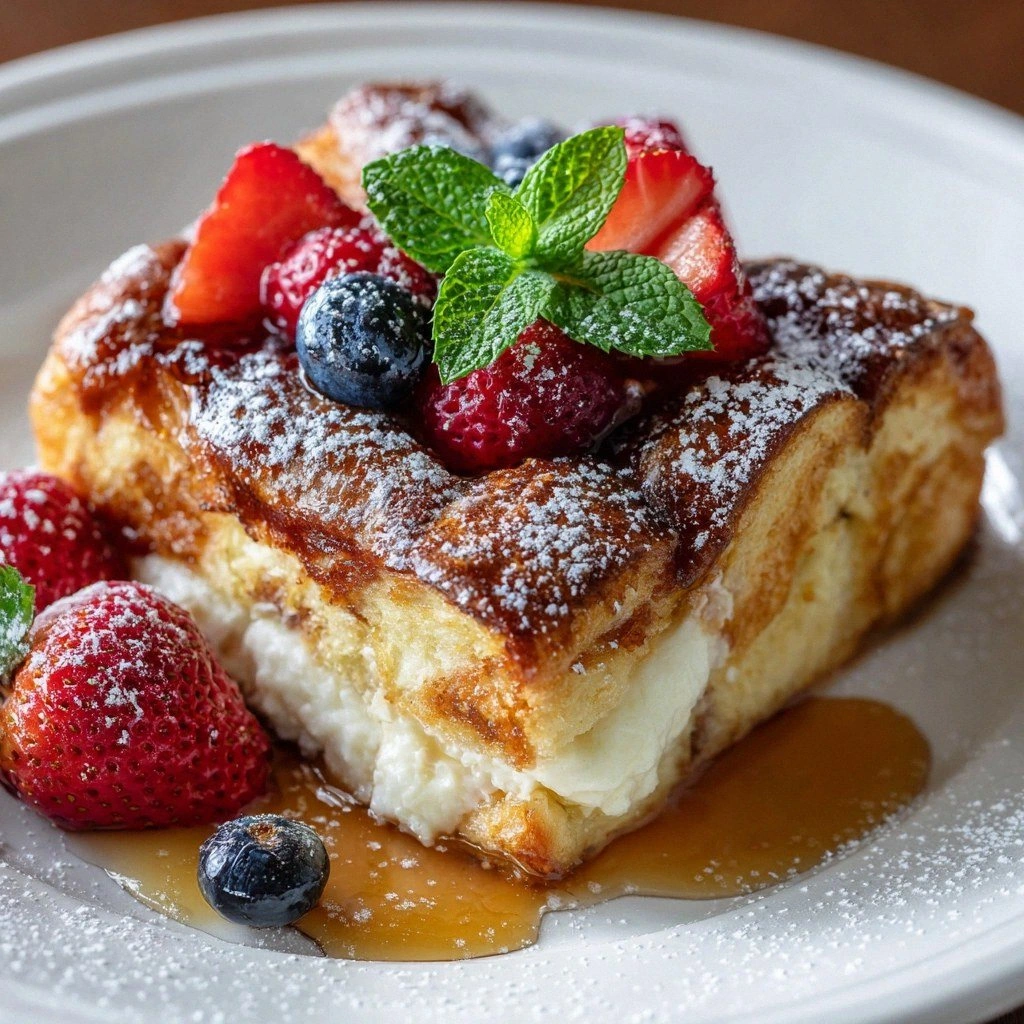
- Visual Appeal: The golden top and the dusting of powdered sugar create a dish that looks as good as it tastes. It’s a showstopper that will impress guests at any gathering.
- Ingredient Quality: Using brioche or challah ensures a buttery, tender base that holds up during baking. The quality of the eggs and milk directly impacts the richness of the custard.
- Make‑Ahead Potential: You can assemble the casserole a day ahead, cover it tightly, and bake it in the morning. The flavors meld even more, making it a perfect make‑ahead brunch option.
Inside the Ingredient List
The Flavor Base
The foundation of this casserole is the custard mixture, a blend of eggs, milk, sugar, vanilla, cinnamon, and a pinch of salt. The eggs act as the binder, creating a silky, cohesive structure that keeps the bread pieces together. Milk adds creaminess, turning the batter into a luxurious, silky custard that coats each slice. Sugar sweetens the mix, while vanilla and cinnamon add depth and warmth. The salt, though minimal, balances the sweetness and brings out the richness of the other flavors. Skipping any of these components would leave the dish lacking in either texture or taste—so treat each ingredient like a vital note in a symphony.
The Texture Crew
Bread is the star of the show. A loaf of brioche or challah works best because of its buttery, tender crumb that absorbs the custard without falling apart. Cutting the bread into bite‑size cubes ensures even soaking and a uniform texture. When the bread is soaked, it expands like a sponge, creating pockets of custard that melt in your mouth. The bread also provides the structural backbone of the casserole, holding everything together during baking. If you use a denser loaf, the result will be less airy and more dense—so stick with brioche or challah for the best experience.
The Unexpected Star
Maple syrup is the secret weapon that gives this casserole a distinct, natural sweetness that’s far superior to artificial sugar. It also adds a subtle caramel note that complements the vanilla and cinnamon. The syrup’s viscosity helps the custard set more evenly, creating a smooth, cohesive texture. If you’re dairy‑free, you can swap maple syrup for agave or honey—though the flavor profile will shift slightly. Remember, maple syrup also contributes to the golden crust, so keep it on the list.
The Final Flourish
Powdered sugar is the finishing touch that adds a delicate sweetness and an elegant visual appeal. Dusting it lightly over the hot casserole creates a snowy, almost ethereal look that’s perfect for photo‑ops. While the powdered sugar is optional, it elevates the overall presentation and adds a subtle sweet note that balances the maple syrup. If you prefer a more rustic look, you can skip it or use a cinnamon‑sugar blend instead. The final drizzle of maple syrup, however, is essential—it’s the sauce that coats the casserole like velvet.
Everything’s prepped? Good. Let’s get into the real action.
The Method — Step by Step
- Preheat your oven to 350°F (175°C). Line a 9x13‑inch baking dish with parchment paper or lightly grease it with butter or non‑stick spray. This step ensures a smooth release and a golden crust. I’ve found that a well‑lined dish prevents the casserole from sticking and makes cleanup a breeze.
- Dice the brioche or challah into 1‑inch cubes. The size is crucial—too small, and the bread will over‑soak and become mushy; too large, and the custard won’t penetrate fully. Place the cubes in a large mixing bowl, spreading them evenly so each piece gets coated.
- In a separate bowl, whisk together six large eggs, two cups of milk, half a cup of sugar, one tablespoon of vanilla extract, one teaspoon of ground cinnamon, and a pinch of salt until the mixture is smooth and slightly frothy. The froth is a sign that the eggs are properly incorporated, giving the casserole a light, airy interior. If you’re a perfectionist, whisk until you see tiny bubbles—this indicates a well‑mixed custard.
- Pour the custard over the bread cubes, ensuring every piece is fully submerged. Gently stir the mixture with a wooden spoon, letting the bread absorb the custard for about 10 minutes. This soaking period is where the bread transforms into a soft, custard‑filled sponge. If you’re short on time, 10 minutes is fine, but 15 minutes yields an even moister texture.
- Transfer the soaked bread and custard mixture into the prepared baking dish, spreading it out evenly. The top layer should be smooth and compacted slightly to create a uniform crust. This step is critical for even baking—any unevenness can cause hot spots and uneven cooking.
- Drizzle half a cup of maple syrup evenly over the top of the casserole. The syrup will caramelize during baking, creating a glossy, golden crust that’s irresistible. I love watching the syrup bubble and spread across the surface—this is pure magic.
- Bake in the preheated oven for 30 minutes, or until the top is golden brown and the custard is set. The internal temperature should reach 160°F (71°C) for optimal safety and texture. During the last 5 minutes, keep an eye on the crust—if it starts to brown too quickly, tent it with foil.
- Remove the casserole from the oven and let it rest for 10 minutes. This rest period allows the custard to set fully, making slicing easier and preventing a runny center. While it rests, dust the top lightly with powdered sugar for a touch of elegance.
- Slice the casserole into squares or wedges using a hot, buttered knife for clean cuts. Serve warm, optionally drizzling the remaining maple syrup over the top. The first bite should be a burst of sweet, buttery flavor with a hint of cinnamon—an unforgettable experience.
That's it—you did it. But hold on, I've got a few more tricks that'll take this to another level. These insider tips will ensure every bite is a perfect blend of texture, flavor, and visual appeal.
Insider Tricks for Flawless Results
The Temperature Rule Nobody Follows
Many people bake at 375°F, assuming higher heat yields a crispier top. I’ve found that 350°F is the sweet spot that allows the custard to set without over‑browning the edges. The lower temperature ensures even cooking and a golden crust that’s not too dark. If you’re using a convection oven, reduce the temperature by 25°F to account for the fan’s efficiency.
Why Your Nose Knows Best
The aroma of vanilla, cinnamon, and maple syrup is a reliable indicator of doneness. When you smell a warm, caramelized scent rising from the top, it’s a sign the crust is ready. Trust your senses—if you’re unsure, poke a toothpick into the center; if it comes out clean, the casserole is done.
The 5-Minute Rest That Changes Everything
Letting the casserole rest for 10 minutes after baking might seem like a waste of time, but it’s essential for texture. The custard continues to set, making slicing easier and preventing a runny center. During this rest, the powdered sugar melts slightly into the top, creating a subtle glaze that enhances the visual appeal.
The Secret to a Crispy Edge
If you love a crispier edge, lightly brush the top with melted butter before adding the maple syrup. The butter will melt into the crust, creating a golden, crunchy layer that contrasts with the soft interior. This trick is especially effective when serving to guests who appreciate a textural variety.
The Sweet‑and‑Savory Balance
The pinch of salt is often overlooked, but it’s a game‑changer. It amplifies the sweetness of the maple syrup and the richness of the eggs. If you’re watching sodium, use a low‑sodium salt or sea salt—just a pinch will do the trick. The result is a well‑balanced flavor profile that satisfies both sweet and savory cravings.
Creative Twists and Variations
This recipe is a playground. Here are some of my favorite ways to switch things up:
Nutty Delight
Add a cup of chopped pecans or walnuts to the custard before baking. The nuts add a delightful crunch and a buttery flavor that complements the maple syrup. Toast the nuts beforehand to enhance their flavor profile.
Berry Bliss
Fold in a cup of fresh blueberries or sliced strawberries into the custard mixture before baking. The berries release their juice, creating pockets of fruity sweetness that burst with each bite. This variation is perfect for spring and summer brunches.
Chocolate Indulgence
Swirl in a half cup of melted dark chocolate into the custard before baking. The chocolate adds a rich, velvety flavor that pairs beautifully with the maple syrup. Dust the top with cocoa powder for an extra chocolatey touch.
Spiced Up
Replace the cinnamon with a blend of nutmeg, allspice, and cardamom. The warm, aromatic spices give the casserole a complex, exotic flavor that’s perfect for holiday gatherings.
Dairy‑Free Twist
Swap the milk for oat or almond milk and use a plant‑based egg substitute. The result is a creamy, custard‑like texture that’s still rich and satisfying. The maple syrup’s natural sweetness compensates for any missing dairy flavor.
Savory Edition
Omit the sugar and maple syrup, and instead add sautéed mushrooms, spinach, and a sprinkle of grated Parmesan. The result is a savory, bread‑based casserole that’s perfect for brunch or dinner. The custard becomes a creamy sauce that coats the veggies and bread.
Storing and Bringing It Back to Life
Fridge Storage
Let the casserole cool completely, then cover tightly with plastic wrap and store in the refrigerator for up to 3 days. The custard will firm up, making slicing easier. When you’re ready to serve, simply reheat in the oven at 350°F for 10 minutes or until warmed through.
Freezer Friendly
Wrap the cooled casserole in foil and place it in a freezer‑safe container. Store for up to 2 months. Thaw overnight in the refrigerator before reheating. This method preserves the flavor and texture, allowing you to enjoy a fresh‑baked casserole at any time.
Best Reheating Method
Reheat in a preheated oven at 350°F for 10–12 minutes, or until the center reaches 165°F. For a crispier crust, finish the casserole under the broiler for 1–2 minutes—watch carefully to avoid burning. Adding a splash of milk or a drizzle of maple syrup before reheating helps keep the interior moist and prevents it from drying out.