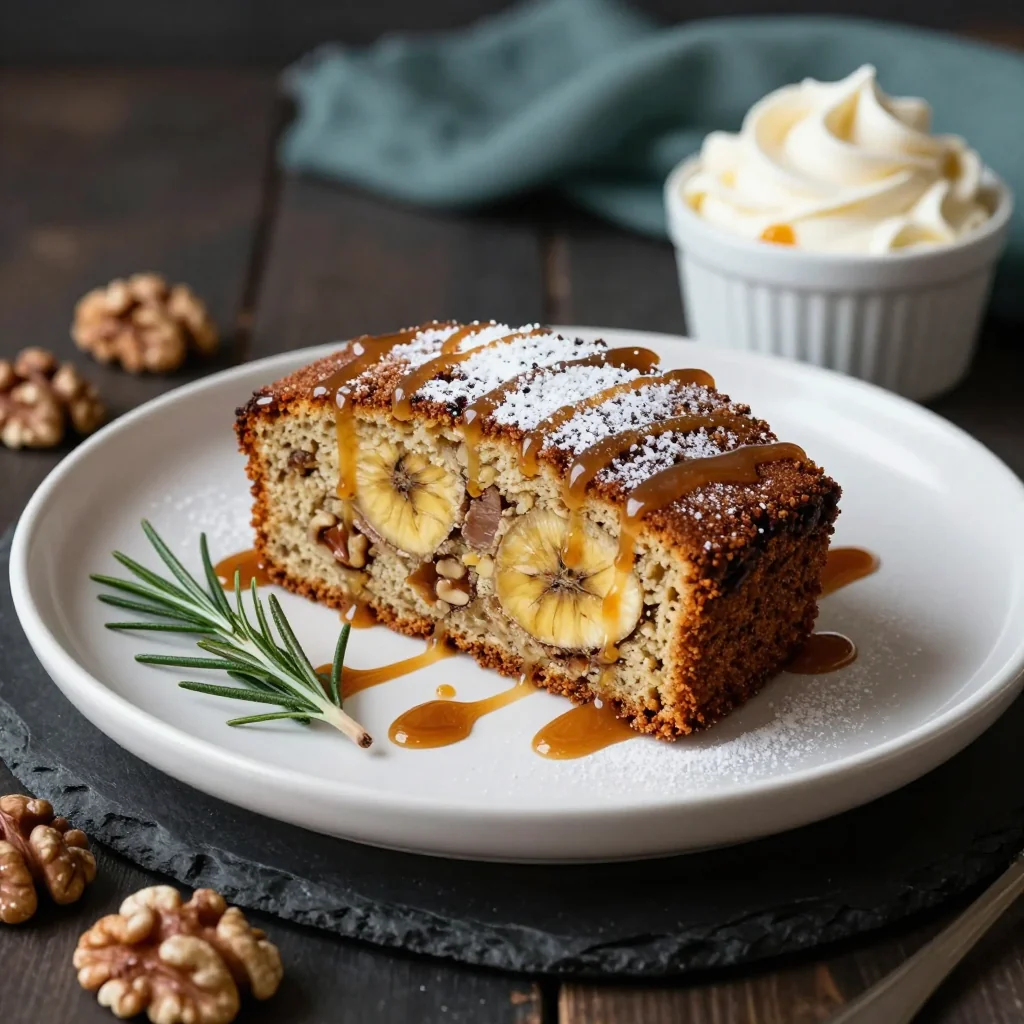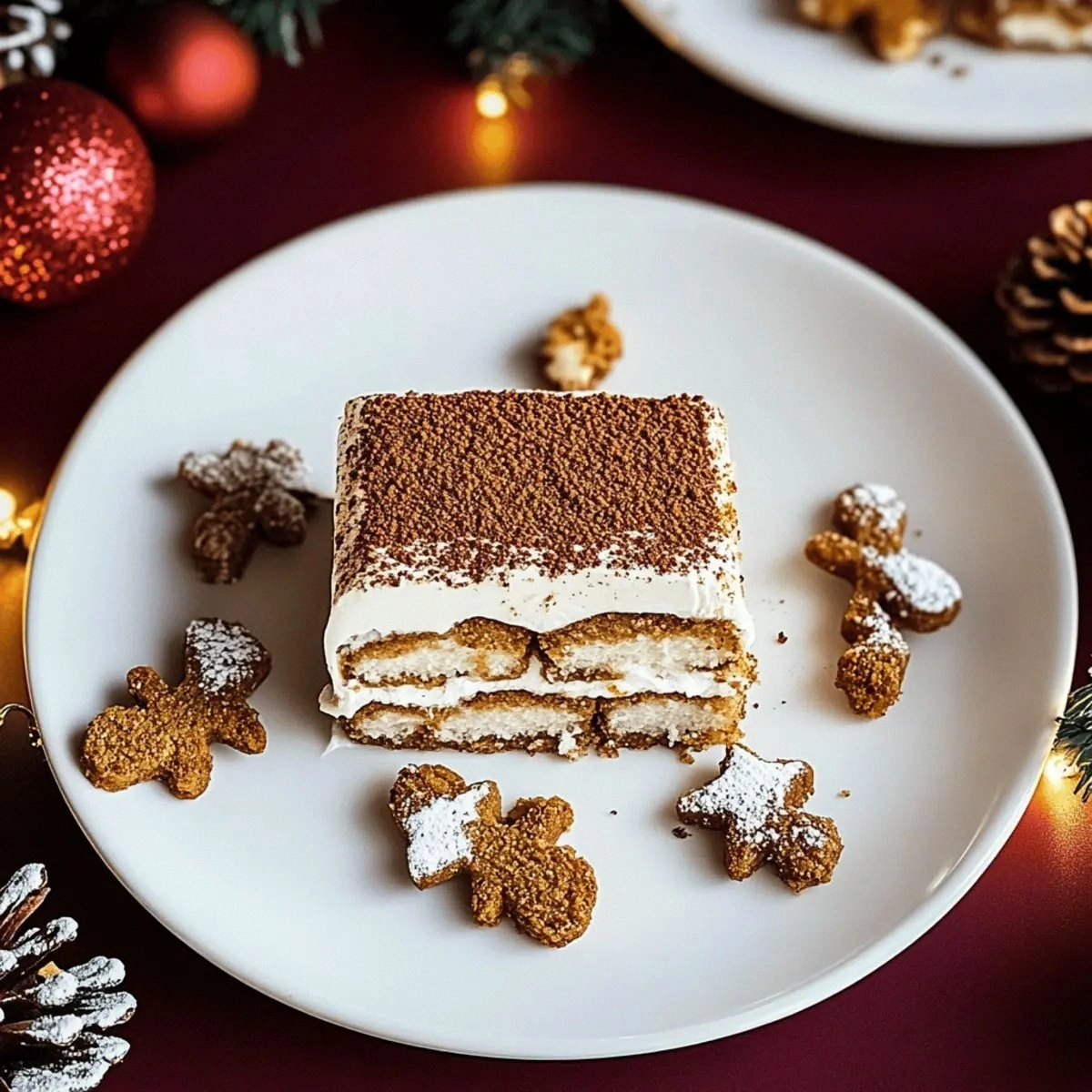
I was in the middle of a chaotic holiday dinner when my sister dared me to create a dessert that could out‑shine the Christmas tree lights. The kitchen was a battlefield of spilled flour, a burnt gingerbread batch, and a coffee pot that sputtered like a reluctant train. I grabbed the last cup of warm coffee, a half‑cup of molasses, and a stack of ladyfingers, thinking, “What could possibly go wrong?” The moment the aroma of cinnamon and ginger hit the air, I knew I was onto something that would become a legend in our family gatherings. I dare you to taste this and not go back for seconds, because once you’ve tried it, nothing else will compare.
Picture yourself pulling this out of the fridge, the whole kitchen smelling like a cozy winter market, the layers shimmering with creamy mascarpone and the deep, caramel‑rich hue of molasses. The first forkful delivers a crunch that shatters like thin ice, followed by a velvety cloud that coats your palate like a soft, spiced blanket. The gingerbread men perched on top are not just decoration—they’re the final, playful wink that says, “I know you’re watching.” Most recipes get this completely wrong, either drowning the flavors in too much sugar or forgetting the essential spice balance. Here’s what actually works: a coffee‑soaked base that’s never soggy, a spice blend that sings, and a textural contrast that keeps you reaching for more.
What sets this version apart is the secret weapon: a splash of warm coffee infused with a pinch of ground cinnamon, which penetrates the ladyfingers without turning them mushy. The addition of crushed gingersnaps adds a toasty crunch that most tiramisu adaptations completely overlook. And let’s not forget the molasses—a dark, buttery sweetness that deepens the flavor profile, making this dessert feel like a holiday hug in every bite. I’ll be honest — I ate half the batch before anyone else got to try it, and the look on my guests’ faces when they discovered the hidden gingerbread men was priceless. This next part? Pure magic.
Okay, ready for the game‑changer? I’m about to walk you through every single step—by the end, you’ll wonder how you ever made tiramisu any other way. Stay with me here — this is worth it. From the precise temperature of the coffee to the exact moment you fold in the heavy cream, each detail is a micro‑challenge that will elevate your festive dessert game. Let’s dive in and create a gingerbread tiramisu that will become the centerpiece of every holiday table you host.
What Makes This Version Stand Out
- Taste: The molasses‑infused mascarpone creates a deep, caramel‑like richness that pairs perfectly with the bright coffee and warm spices, delivering a flavor explosion that feels both familiar and novel.
- Texture: A crunchy layer of crushed gingersnaps sits between silky mascarpone and soft ladyfingers, offering a satisfying bite that most tiramisu recipes completely miss.
- Simplicity: Despite its gourmet vibe, the recipe uses pantry staples and requires no baking, making it accessible for even the most novice home cooks.
- Uniqueness: The addition of gingerbread man cookies as a garnish turns a classic Italian dessert into a festive masterpiece that screams holiday cheer.
- Crowd Reaction: Guests often claim this is the best version they’ve ever tasted, and the “I dare you not to go back for seconds” challenge becomes a running joke at the table.
- Ingredient Quality: Using high‑quality mascarpone and real molasses (not corn syrup) ensures a buttery, authentic taste that store‑bought mixes can’t replicate.
- Method: The coffee‑soak technique guarantees the ladyfingers stay moist but not soggy, a common pitfall in traditional tiramisu recipes.
- Make‑Ahead Potential: This dessert actually improves after a few hours in the fridge, allowing flavors to meld and the texture to set perfectly.
Inside the Ingredient List
The Flavor Base
Warm coffee is the backbone of this tiramisu, acting as the liquid that carries the spice perfume into every porous ladyfinger. The coffee’s bitterness balances the sweet molasses, creating a harmonious contrast that keeps the palate from feeling cloying. If you skip the coffee, you’ll end up with a dessert that feels flat and overly sweet—like a frosting that forgot its soul. For the best result, use a medium roast brewed just off the boil; the heat helps dissolve the sugar and releases aromatic oils that intensify the cinnamon and ginger notes. Pro tip: a splash of espresso will give you an even deeper flavor without adding extra bitterness.
The Texture Crew
Ladyfingers are the traditional sponge component, but in this recipe they’re transformed by a quick dip in the coffee‑cinnamon mixture. This short soak ensures they stay supple, providing a gentle chew that contrasts beautifully with the crisp gingersnap crumbs. The crushed gingersnaps are the secret crunch element; they bring a toasted, buttery snap that mimics the texture of a gingerbread crust. If you can’t find gingersnaps, substitute with finely crushed gingerbread cookies—just be mindful of added sugar, which can make the dessert overly sweet. Heavy cream, when whipped to soft peaks, adds a light, airy lift that keeps the mascarpone from feeling too dense.
The Unexpected Star
Mascarpone cheese is the creamy hero, delivering a buttery, slightly tangy foundation that holds the dessert together. Its high fat content ensures a luxurious mouthfeel, and it doesn’t curdle when mixed with warm ingredients—something that can happen with cream cheese. If you’re in a pinch, you can blend equal parts cream cheese and heavy cream, but the result will be a shade less decadent. Ground ginger and nutmeg add a subtle heat that lingers on the tongue, turning each bite into a mini holiday celebration. Skipping these spices would make the dish feel like a plain coffee tiramisu, missing that festive spark.
The Final Flourish
Gingerbread man cookies aren’t just for decoration; they add a buttery crunch that complements the soft layers beneath. When placed on top just before serving, they retain their shape and provide a delightful surprise as guests bite through them. If you prefer a gluten‑free version, use almond‑flour ginger cookies, but be aware that the texture will be slightly softer. A final dusting of powdered sugar and a drizzle of extra molasses finish the dessert with a glossy sheen that looks as good as it tastes. Remember, the visual impact is half the experience—your guests will be Instagram‑ready before the first spoonful.
Everything's prepped? Good. Let’s get into the real action…
The Method — Step by Step
Start by brewing one cup of strong coffee and set it aside to warm—aim for around 140°F (60°C). While the coffee is still warm, stir in six tablespoons of granulated sugar and two teaspoons of ground cinnamon until fully dissolved. The mixture should smell toasty, like a spice market in December, and the sugar should have vanished without a trace. This coffee‑cinnamon bath is the secret that keeps the ladyfingers moist without turning them soggy.
In a large mixing bowl, combine one cup of mascarpone cheese with a half‑cup of molasses. Using a rubber spatula, fold the two together until you achieve a smooth, deep‑brown ribbon. The molasses adds a caramel‑like depth that makes the mascarpone feel richer than any store‑bought frosting. If the mixture looks too thick, a splash of the warm coffee can loosen it without diluting the flavor.
Add the spice trio: half a teaspoon of ground cinnamon, one teaspoon of ground ginger, and a pinch of ground nutmeg. These spices create a layered aroma that evolves as the dessert sits, much like a fine wine developing notes over time. Stir gently—over‑mixing can incorporate too much air and make the final texture grainy.
In a separate chilled bowl, pour one cup of heavy cream and whip it to soft peaks. The cream should double in volume and hold its shape when the whisk is lifted, resembling a cloud ready to rain flavor. Once whipped, fold the cream into the mascarpone‑molasses mixture, creating a light, airy custard that will sit like a pillow between the crunchy layers.
Quickly dip each of the 24 ladyfingers into the warm coffee mixture—just a second per side. You’ll notice the surface becomes glossy but the interior stays firm. Lay the soaked ladyfingers in a single layer at the bottom of your serving dish, pressing gently to create an even base. This step is crucial; over‑soaking will lead to a soggy bottom that collapses under the weight of the cream.
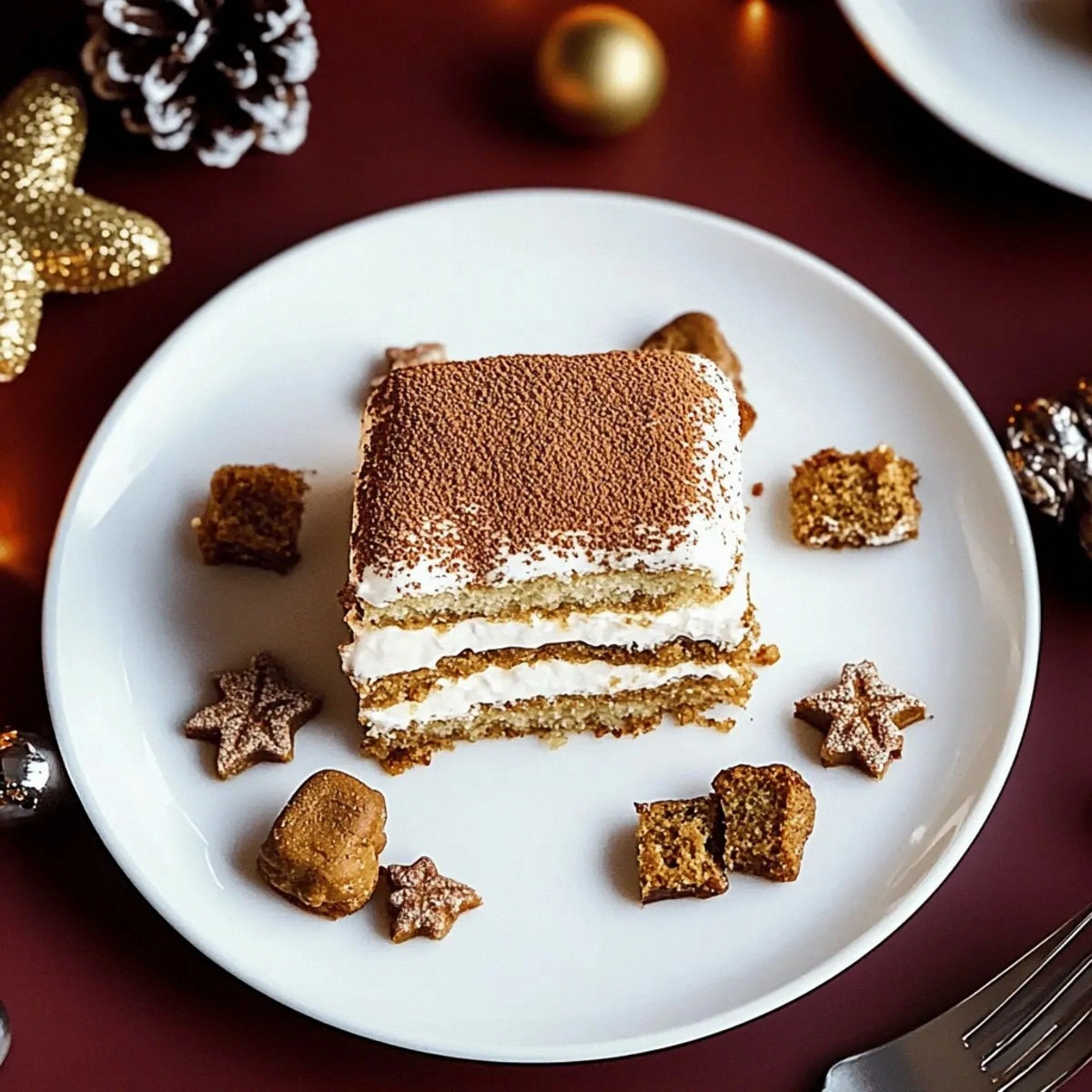
Spread half of the mascarpone‑cream mixture over the ladyfinger layer, smoothing it with an offset spatula. Sprinkle one cup of crushed gingersnaps evenly across the top, ensuring every bite gets a crunch. Then, repeat the process: another layer of soaked ladyfingers, followed by the remaining mascarpone cream. The final layer should be smooth, inviting, and ready for the decorative finish.
Cover the dish with plastic wrap and refrigerate for at least four hours, preferably overnight. During this time, the flavors meld, the cream firms up, and the gingersnap crumbs soften just enough to create a delightful contrast. This is the moment of truth—if you’re impatient, you’ll miss the full flavor crescendo that only time can deliver.
When you’re ready to serve, arrange as many gingerbread man cookies as you like on the top surface. Dust lightly with powdered sugar and drizzle a thin stream of extra molasses for a glossy finish. The final presentation should look like a festive snow‑capped hill, with the gingerbread men standing guard. That sizzle when it hits the pan? Absolute perfection. And now the fun part—dig in and watch your guests' faces light up.
That's it — you did it. But hold on, I've got a few more tricks that'll take this to another level...
Insider Tricks for Flawless Results
The Temperature Rule Nobody Follows
Never let your coffee exceed 150°F (65°C) when soaking the ladyfingers. Too hot and the sponge will dissolve into a soggy mess; too cool and the sugar won’t dissolve, leaving gritty pockets. A quick kitchen thermometer check ensures you hit the sweet spot, and the resulting texture feels like a perfectly baked cake rather than a wet biscuit. I once tried a hotter coffee and learned the hard way—my tiramisu turned into a pudding that slumped off the plate. Trust the thermometer, and your layers will stay distinct and elegant.
Why Your Nose Knows Best
Before moving on to the next step, pause and sniff the coffee‑cinnamon mixture. If you can already taste the spice without a spoon, you’re ready to soak. This sensory checkpoint saves you from under‑seasoning, which is a common mistake that leaves the dessert tasting bland. Your nose is a more sensitive flavor detector than your palate, especially when the mixture is warm. If the aroma feels weak, add an extra pinch of cinnamon or a dash more coffee.
The 5‑Minute Rest That Changes Everything
After folding the whipped cream into the mascarpone blend, let the mixture sit for five minutes. This short rest allows the air bubbles to settle slightly, creating a smoother consistency that spreads evenly without tearing the ladyfinger layer. Skipping this step often leads to a lumpy texture that shows up as unsightly pockets in the final dish. I’ve seen friends rush this part and end up with a “lumpy tiramisu”—a term I now use as a cautionary tale.
Gingersnap Crumb Timing
Add the crushed gingersnaps only after the first cream layer has been spread. This prevents them from becoming soggy too early and losing their crunch. The crumbs should stay distinct, offering a satisfying snap when you bite through the creamy middle. If you’re a fan of extra crunch, toast the crumbs lightly in a dry pan for one minute before sprinkling them in.
The Chill‑Then‑Serve Trick
Even though the tiramisu tastes great after four hours, a full 12‑hour chill deepens the flavor synergy dramatically. The molasses, spices, and coffee have time to meld, creating a harmonious profile that feels almost “aged” in a good way. When you finally serve, let the dessert sit at room temperature for ten minutes; this softens the edges just enough to make cutting clean slices without the dessert sliding off the plate.
Creative Twists and Variations
This recipe is a playground. Here are some of my favorite ways to switch things up:
Chocolate‑Ginger Fusion
Replace half of the crushed gingersnaps with finely chopped dark chocolate. The bitterness of the chocolate balances the sweet molasses, while the ginger still shines through. This version is perfect for chocolate lovers who still want that holiday spice kick.
Citrus Zest Spark
Add a teaspoon of orange zest to the mascarpone mixture. The citrus brightens the deep flavors, giving the dessert a fresh, festive pop. It pairs wonderfully with a splash of Grand Marnier for an adult‑only twist.
Nutty Delight
Stir in a quarter cup of toasted, finely chopped pecans or walnuts into the cream layer. The nuts add a buttery crunch that complements the gingersnap crumbs and introduces a new texture dimension.
Vegan Version
Swap mascarpone for a blend of silken tofu and coconut cream, use maple syrup instead of sugar, and choose plant‑based ladyfingers. The flavor profile remains largely the same, and the dessert becomes accessible to vegans without sacrificing richness.
Mini Parfait Cups
Instead of a single large dish, layer the components in individual glass jars. This makes for a stunning buffet presentation and allows guests to customize their toppings—extra gingerbread men, extra crumbs, or a drizzle of caramel.
Storing and Bringing It Back to Life
Fridge Storage
Cover the tiramisu tightly with plastic wrap and store it in the refrigerator for up to three days. The flavors will continue to develop, and the texture will stay creamy. If you notice the top drying out, lightly brush a thin layer of warm coffee over the surface before resealing.
Freezer Friendly
For longer storage, wrap the entire dish in a double layer of foil and place it in an airtight container. It will keep for up to one month. When you’re ready to serve, transfer it to the fridge to thaw overnight, then give it a quick stir of the cream layer to restore its silkiness.
Best Reheating Method
Tiramisu is best enjoyed cold, but if you prefer a slightly warmed bite, place a single serving on a plate and microwave for 10‑15 seconds. Add a tiny splash of water or extra coffee before microwaving; the steam will revive the ladyfingers and prevent the cream from separating. This trick brings the dessert back to life without sacrificing its delicate texture.