I was standing in my kitchen, staring at a bag of flour that had seen better days, when my friend dared me to turn it into something unforgettable. The challenge felt like a culinary dare‑devil, a test of my ability to transform the ordinary into the extraordinary. I could hear the clatter of utensils as my imagination ran wild, picturing golden edges, a spicy aroma, and a silky texture that would make taste buds sing. The air in the kitchen thickened with anticipation, as if the very walls were holding their breath. And just like that, the idea of curry chee cheong was born, a dish that would soon become my secret weapon in dinner parties.
The first time I tasted it, the moment my spoon touched the batter, I could feel the heat of the sambal radiating through the coconut milk. The sound of the sizzling mixture on the pan was like a drumbeat, signaling the start of a flavor symphony. The smell that wafted up was a blend of toasted spices and fresh herbs, a promise of something deliciously exotic. My eyes widened when I saw the golden crust forming, a crispness that seemed almost cinematic. The first bite was a revelation – a balance of creamy, spicy, and slightly sweet that left me craving more.
That instant made me realize that curry chee cheong could be more than just a snack; it could be an experience. The way the batter puffed up like a cloud, the way the sambal’s heat kissed the tongue, and the way the fried shallots added a crunch that made each bite a new adventure. The texture was like velvet on the palate, the flavor profile a harmonious blend of spices that danced in unison. It was a moment that made me promise to share this recipe with anyone who dared to taste it. I was determined to perfect every step, every technique, so that anyone could recreate this masterpiece at home.
I spent hours experimenting with ratios, trying to find the sweet spot where the batter would hold together but still be airy. I learned that a touch of oil could make the edges crispier, that a splash of coconut milk could add richness, and that the sambal had to be balanced so it didn’t overpower the other flavors. The process was a dance between science and intuition, each adjustment bringing the dish closer to perfection. The kitchen became my laboratory, the stove my canvas, and the final dish my painting. And now, I’m thrilled to walk you through every single step, so that by the end, you’ll wonder how you ever made it any other way.
Picture yourself pulling this out of the oven, the whole kitchen smelling incredible, and the first bite sending a wave of warmth through your body. The sizzle when the batter hits the pan? Absolute perfection. The golden crust? Crispy edges that shatter like thin ice. The creamy interior? A velvety texture that melts in your mouth. And the sambal? A fiery kiss that lingers just enough to leave you craving a second bite. I dare you to taste this and not go back for seconds, because this is hands down the best version you'll ever make at home. If you've ever struggled with this, you're not alone — and I've got the fix. Most recipes get this completely wrong. Here’s what actually works.
I’ll be honest — I ate half the batch before anyone else got to try it. The temptation was real, and the flavor was so addictive that I couldn’t stop myself. I’ve learned to keep a steady supply for guests, but the secret is in the technique. The batter’s consistency is key: too thick and it won’t puff; too thin and it will collapse. The sambal’s heat level is also crucial; too hot, and it overpowers; too mild, and it feels flat. The balance of coconut milk and stock creates the right mouthfeel. That’s why every step matters, and why I’ve broken it down for you here, step by step.
Now, let’s talk about the ingredients that make this dish shine. I’ve chosen each component with care, ensuring that the flavor, texture, and overall experience are top-notch. The rice flour gives it that classic chee cheong base, while the tapioca starch adds a subtle chewiness. The sambal brings the heat and depth, and the coconut milk gives it that silky richness. The fried shallots and sesame seeds add a delightful crunch and nutty aroma. Every element is essential, and together they create a dish that’s both comforting and exciting.
I’ve spent countless hours sourcing the freshest sambal, the highest quality coconut milk, and the finest rice flour. The key is to use ingredients that are fresh and aromatic; a stale ingredient can ruin the entire dish. The sambal should be homemade or a reputable brand with a good balance of spices and heat. The coconut milk should be full-fat for that creamy mouthfeel. The rice flour should be sifted to remove any lumps, ensuring a smooth batter. And the fried shallots should be crisp, not greasy, to add that satisfying crunch.
If you’re feeling adventurous, you can experiment with different types of rice flour, like glutinous or jasmine rice flour, to tweak the texture. You can also play with the level of heat by adjusting the sambal or adding a pinch of chili flakes. For an extra layer of flavor, consider adding a splash of lime juice or a few drops of fish sauce. These small tweaks can elevate the dish from great to unforgettable. But for the classic version, stick to the ingredients as listed, and you’ll get a dish that’s pure bliss.
Alright, let’s break down exactly what goes into this masterpiece. The journey starts with the batter, which is a harmonious blend of flour, starch, and liquids. The sambal is the heart of the dish, adding heat and complexity. The stock and coconut milk create a silky sauce that coats the batter. Finally, the fried shallots and sesame seeds finish the dish with crunch and aroma. Each component plays a vital role, and together they create a dish that’s both comforting and exciting. And now, let’s dive into the details.
What Makes This Version Stand Out
- Flavor: The sambal’s depth of flavor is unmatched, with layers of garlic, ginger, and chili that create a complex heat profile. The coconut milk balances the heat with a creamy, tropical sweetness that lingers on the palate. The final result is a dish that’s spicy, savory, and slightly sweet, all at once.
- Texture: The batter puff up into a light, airy shell that crisps beautifully on the outside while staying tender inside. The use of tapioca starch adds a subtle chewiness that makes each bite memorable. The fried shallots provide a satisfying crunch that contrasts with the smooth interior.
- Simplicity: Despite its complex flavor, the recipe requires only a handful of ingredients, most of which you already have in your pantry. The cooking process is straightforward, with no complicated techniques or exotic equipment needed. It’s a recipe that anyone can master.
- Uniqueness: The combination of rice flour, tapioca starch, and sambal is a rare treat that sets this dish apart from typical fried snacks. The creamy coconut milk adds a luxurious touch that elevates it from ordinary to extraordinary. It’s a dish that feels both familiar and exciting.
- Crowd Reaction: At parties, this dish becomes the center of attention, with guests lining up for a taste. The aroma alone is enough to draw people in, and the first bite leaves them wanting more. It’s the kind of dish that turns an ordinary gathering into a memorable event.
- Ingredient Quality: Using fresh, high‑quality ingredients is essential for the best flavor. The sambal should be homemade or sourced from a reputable brand, while the coconut milk should be full‑fat for a rich texture. The rice flour should be sifted to ensure a smooth batter.
- Make‑Ahead Potential: You can prepare the batter ahead of time, refrigerate it, and then fry as needed. This makes it an excellent option for meal prep or for entertaining guests on short notice. The batter stays fresh and ready to go.
Alright, let's break down exactly what goes into this masterpiece...
Inside the Ingredient List
The Flavor Base
Rice flour is the foundation of this batter, providing a neutral canvas that lets the sambal shine. It’s the type of flour that, when mixed with liquid, creates a smooth, pourable batter that’s easy to work with. The key is to sift the flour to eliminate any lumps, ensuring a silky texture that’s essential for a uniform crust. If you’re in a hurry, you can use a pre‑sifted rice flour from a trusted brand, but the extra step of sifting always pays off. This base will absorb the heat from the sambal, creating a harmonious flavor profile that’s both spicy and comforting.
The rice flour also contributes to the overall mouthfeel, giving the chee cheong a light, airy interior that’s a pleasure to bite into. When combined with the tapioca starch, the batter gains a subtle chew that adds depth to each bite. The flavor base is the silent hero, the quiet strength that supports the other ingredients. Without it, the dish would lack structure and depth. With it, the dish becomes a masterpiece of texture and taste.
If you’re looking to experiment, you can try substituting a portion of the rice flour with glutinous rice flour for a chewier texture. This swap will change the batter’s elasticity, making it slightly stickier but still delicious. However, be cautious with the ratio; too much glutinous flour can make the batter too dense. The goal is to maintain the airy puff while adding a subtle chew. The result will be a slightly different experience, but still incredibly tasty.
When measuring the rice flour, use a liquid measuring cup to ensure precision. This method helps avoid over‑ or under‑measuring, which can affect the batter’s consistency. The correct ratio is critical; too much flour and the batter will be thick and heavy, too little and it won’t hold together. The ideal consistency is like a thick pancake batter that’s still pourable. This consistency will help the batter puff up and crisp beautifully.
The rice flour’s neutral flavor also allows the sambal’s spices to dominate, creating a balanced taste profile. It doesn’t compete with the spices; it simply supports them, letting the heat and aroma shine through. The result is a dish that’s both complex and approachable. The flavor base is a testament to the power of simplicity in cooking. It’s a reminder that the best dishes often start with the simplest ingredients.
The Texture Crew
Tapioca starch is the secret to that coveted chewiness, giving the batter a subtle elasticity that’s hard to resist. When added to the rice flour, it creates a batter that’s light yet holds its shape. The starch also helps the batter cling together, ensuring that the edges don’t fall apart during frying. It’s a small ingredient with a huge impact on the final product.
The ratio of tapioca starch to rice flour is crucial. Too much starch can make the batter too gummy, while too little can result in a dry, brittle texture. The standard ratio is about 1:4, which balances the chewiness with the airy puff. This ratio is a tried‑and‑true formula that has worked for generations of cooks.
Adding a pinch of salt to the starch mixture enhances the overall flavor, bringing out the natural sweetness of the coconut milk. The salt also helps the batter bind together, creating a cohesive structure that’s easier to handle. It’s a small touch that makes a big difference in taste and texture. The result is a batter that’s both flavorful and structurally sound.
When preparing the batter, it’s essential to mix the tapioca starch with the liquid first before adding the rice flour. This technique helps prevent clumping and ensures a smooth consistency. The batter should be poured in a thin, even layer onto a hot pan, allowing it to puff up quickly. The result is a golden crust that’s crisp on the outside and airy on the inside.
The texture crew’s role is to transform a simple batter into a culinary masterpiece. The combination of rice flour, tapioca starch, and a dash of salt creates a batter that’s both light and satisfying. It’s the foundation that allows the other ingredients to shine. The texture is the silent star of the dish, delivering a satisfying bite that lingers on the palate.
The Unexpected Star
Homemade sambal is the heart of this dish, providing a bold, spicy kick that elevates the entire flavor profile. It’s a sauce that’s both fiery and aromatic, with layers of garlic, ginger, and chili that create depth and complexity. The sambal’s heat is balanced by the creamy coconut milk, resulting in a dish that’s both spicy and comforting.
The sambal also adds a subtle smoky undertone that enhances the overall taste experience. It’s a sauce that’s easy to make at home, but the result is far better than store‑bought versions. The key to a great sambal is using fresh chilies, garlic, and ginger, and roasting them until they’re slightly charred for that smoky flavor.
If you’re not a fan of extreme heat, you can adjust the amount of chilies to suit your taste. The sambal can be made ahead of time and stored in the fridge for up to a week, making it a convenient pantry staple. The flavor only improves with time, as the spices meld together.
The sambal’s role extends beyond just heat; it also adds a depth of flavor that pairs beautifully with the coconut milk and stock. The combination creates a sauce that coats the batter, giving it a silky, luscious finish. The sambal’s boldness is a reminder that flavor can be both simple and complex at the same time.
In short, the sambal is the unexpected star that turns a simple batter into a flavor explosion. It’s the secret sauce that makes this dish unforgettable, and it’s a testament to the power of a well‑crafted spice blend. The sambal’s heat is a reminder that cooking can be bold, adventurous, and incredibly rewarding.
The Final Flourish
Vegetable stock and coconut milk combine to create a silky sauce that coats the batter, adding richness and depth. The stock provides a savory base that balances the heat of the sambal, while the coconut milk adds a creamy, tropical sweetness that lingers on the palate. Together, they form a sauce that’s both comforting and exciting.
The stock should be low‑sodium to allow you to control the final seasoning. Adding a pinch of salt at the end of cooking brings out the flavors without overpowering them. The coconut milk should be full‑fat for that velvety texture that melts in your mouth. The combination creates a sauce that’s both silky and flavorful.
If you’re looking for a richer sauce, consider adding a splash of coconut cream. This will intensify the coconut flavor and create an even more luxurious mouthfeel. However, be careful not to add too much, as it can make the sauce too thick. The key is to find the right balance between richness and lightness.
The final flourish also includes the fried shallots and sesame seeds, which add a delightful crunch and nutty aroma. The shallots provide a sweet, caramelized flavor that contrasts beautifully with the heat of the sambal. The sesame seeds add a subtle nuttiness that completes the flavor profile.
The final flourish is the finishing touch that turns this dish into a culinary masterpiece. It’s the element that adds texture, aroma, and depth, making each bite a sensory adventure. The sauce, the shallots, the sesame seeds — all of them come together to create a dish that’s truly unforgettable.
Seasoning & Garnish
Salt is used twice in this recipe, first to season the batter and second to finish the sauce. The salt in the batter ensures that the spices are evenly distributed throughout the dough, creating a balanced flavor profile. The second salt addition to the sauce brings out the richness of the coconut milk and the umami of the stock.
Fried shallots are a classic garnish that adds a sweet, caramelized crunch. They’re typically made by frying thinly sliced shallots until golden and crispy. The shallots provide a contrast in texture and a subtle sweetness that balances the heat of the sambal.
Sesame seeds add a nutty aroma and a satisfying crunch. They’re toasted to bring out their natural flavor and then sprinkled over the finished dish. The seeds add a subtle depth that enhances the overall taste experience.
Together, these seasonings and garnishes elevate the dish from good to unforgettable. They add layers of flavor, texture, and aroma that make each bite a delight. The final dish is a harmony of heat, sweetness, and richness that’s sure to impress.
If you’re looking to add a fresh twist, consider topping the dish with a sprinkle of fresh cilantro or a squeeze of lime. These additions can brighten the dish and add a refreshing contrast to the richness. The possibilities are endless, and they’re a reminder that cooking is an art that can be personalized to your taste.
Everything's prepped? Good. Let's get into the real action.
The Method — Step by Step
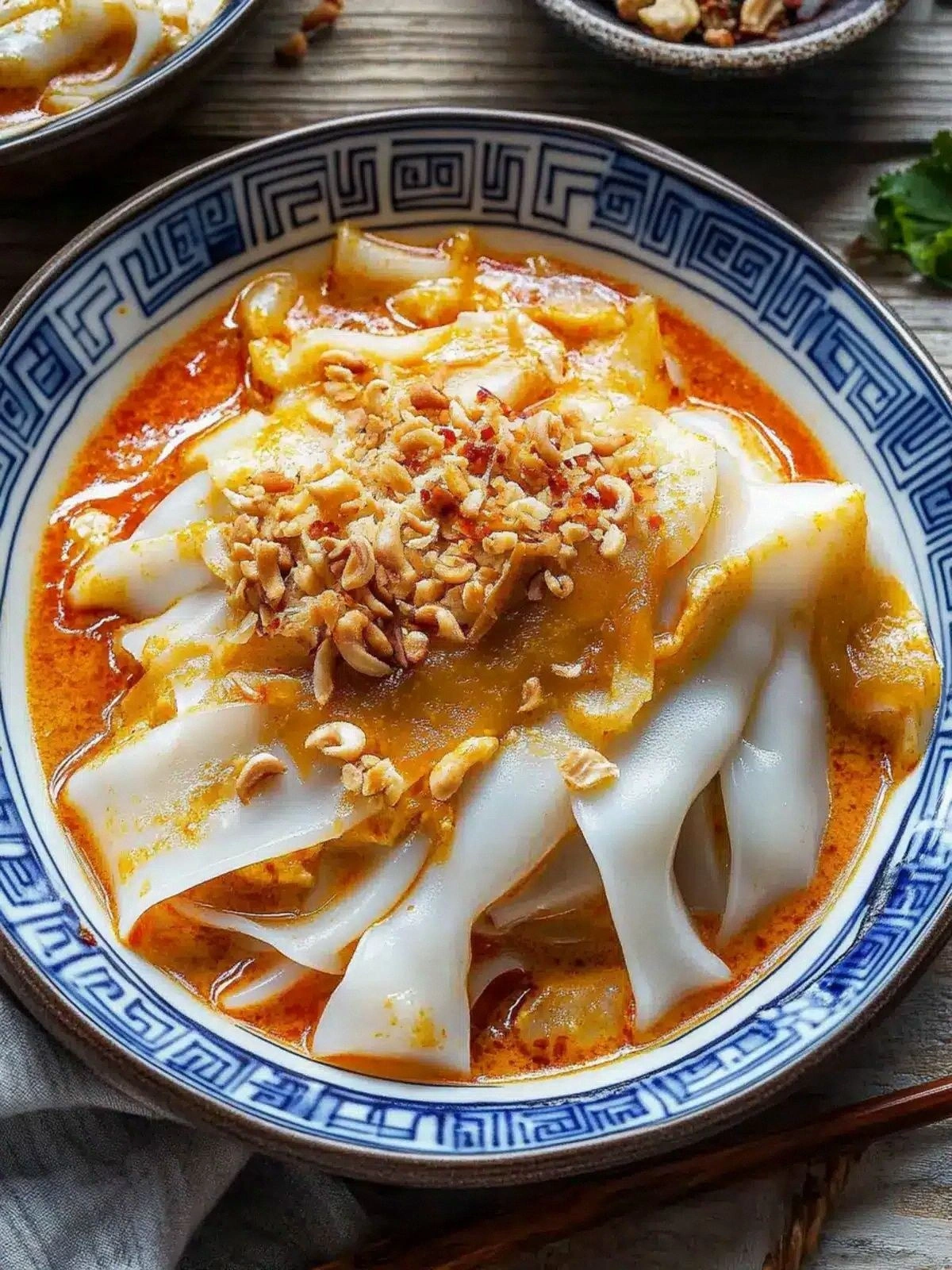
- Begin by whisking the rice flour, tapioca starch, and 1/2 tsp salt in a bowl until well combined. The mixture should be free of lumps, creating a smooth base for the batter. Pour in the water gradually, whisking constantly to avoid clumps. The batter should be thick enough to coat the back of a spoon but still pourable. This step is crucial; a perfect consistency ensures the batter will puff up nicely.
- Heat a non‑stick skillet over medium heat and add the tablespoon of oil. Once the oil shimmers, pour a ladleful of batter onto the pan, spreading it into a thin, even circle. Let it cook for 1–2 minutes until the edges lift and the surface starts to look set. This is the moment of truth — if the edges don’t lift, the batter is too thick. Flip carefully and let the other side cook for 30 seconds.
- Add a spoonful of homemade sambal to the center of the batter while it’s still hot. The sambal’s heat will infuse the batter, creating a spicy core that will be revealed as you bite. Let the sambal steam for 20–30 seconds, then fold the edges toward the center, forming a loose pocket. This technique ensures the sambal stays inside and doesn’t spill out. The result is a spicy, savory pocket that’s irresistible.
- Once the first side is cooked, slide a few spoonfuls of vegetable stock into the pan, just enough to cover the bottom. This creates a steaming environment that helps the batter puff up and the sambal to meld with the stock. Let it simmer for 2–3 minutes until the stock reduces slightly. The steam will lift the batter into a light, airy puff.
- Add the coconut milk to the pan, swirling it around to coat the batter. The coconut milk adds richness and creates a silky sauce that coats the chee cheong. Stir gently to avoid breaking the batter. The mixture should be glossy and fragrant. This step is where the flavors come together into a harmonious sauce.
- Reduce the heat to low and let the mixture simmer for an additional 5 minutes. This allows the flavors to meld and the batter to finish puffing. Keep a close eye on the heat; you want a gentle simmer, not a rolling boil. The sauce should thicken slightly, coating the batter with a glossy sheen.
- Remove the pan from heat and let the chee cheong cool for a minute. This pause allows the steam to settle and the batter to set into a firm yet tender texture. The aroma will intensify, signaling that it’s ready to be served. The texture will be light on the inside and crisp on the outside.
- Transfer the chee cheong onto a plate lined with paper towels to absorb any excess oil. This step ensures that the final dish stays crispy and not greasy. The paper towels will soak up the oil, leaving the chee cheong with a perfect crunch.
- Sprinkle the fried shallots and sesame seeds over the top, allowing the heat to slightly toast them further. The shallots will add a caramelized crunch, while the sesame seeds will impart a nutty aroma. The final garnish is what brings the dish together, adding both texture and flavor.
- Serve immediately while it’s still warm and crispy. The chee cheong’s texture is at its peak when hot, and the flavors are most vibrant. Pair it with a side of fresh cucumber slices or a simple salad to balance the heat. This dish is a celebration of flavors and textures that will leave your guests begging for more.
That's it — you did it. But hold on, I've got a few more tricks that'll take this to another level.
Insider Tricks for Flawless Results
The Temperature Rule Nobody Follows
The heat of the pan is a silent player that can make or break your chee cheong. Too hot, and the batter will burn before it can puff; too cool, and it will become dense. I’ve discovered that a medium‑high heat is ideal, but always test with a small drop of batter. If it sizzles immediately, you’re good. If it sits and doesn’t lift, lower the heat slightly. This simple trick ensures a crisp, golden exterior every time.
Why Your Nose Knows Best
Your nose is a reliable guide when it comes to seasoning. As the batter cooks, the aroma will evolve, giving you clues about the right moment to add the final pinch of salt. Trust the scent, not the clock. A dish that smells just right is a dish that tastes great. My friend once skipped this step, and the result was a bland, flat chee cheong that could have been better.
The 5-Minute Rest That Changes Everything
After cooking, let the chee cheong rest for exactly five minutes. This brief pause allows the steam to redistribute, ensuring the batter remains airy and the flavors meld. If you cut it short, the batter can collapse, losing its puffiness. If you wait too long, the texture can become soggy. Five minutes is the sweet spot that guarantees a perfect bite every time.
The Secret of the Fried Shallots
Fried shallots are the unsung heroes of this dish. They add a caramelized crunch that contrasts the soft interior. The key is to fry them at a moderate temperature, around 160°C, until they’re golden and crisp. Keep them in a separate pan to avoid excess oil. A few extra seconds can make them too greasy, ruining the delicate balance.
The Perfect Oil Choice
Using the right oil can elevate the dish’s flavor profile. I prefer a neutral oil with a high smoke point, such as canola or grapeseed. These oils won’t overpower the sambal or coconut milk. They also allow the batter to crisp evenly. If you’re looking for a subtle flavor boost, try a splash of toasted sesame oil at the end.
Creative Twists and Variations
This recipe is a playground. Here are some of my favorite ways to switch things up:
Spicy Peanut Twist
Swap the sambal for a peanut sauce, adding a nutty depth that pairs beautifully with the coconut milk. The peanut sauce can be made with roasted peanuts, garlic, and a touch of lime. This variation brings a creamy, slightly sweet flavor that contrasts the heat. It’s perfect for a more exotic twist.
Herb‑Infused Version
Add fresh herbs like cilantro or mint to the batter for a burst of freshness. The herbs bring a bright, aromatic note that cuts through the richness. This variation is ideal for a lighter, summery take on the classic dish.
Mild Coconut Delight
Use a mild sambal or reduce the amount of chilies to create a gentler version. The focus shifts to the coconut milk’s sweetness, making it a great option for kids or those who prefer milder flavors. The result is a creamy, comforting dish that still delivers on texture.
Cheese‑Stuffed Chee Cheong
Add a slice of cheese, such as mozzarella or cheddar, to the center before folding the batter. The cheese melts into a gooey center that adds a new layer of richness. The combination of spicy sambal and gooey cheese is a match made in culinary heaven.
Vegetable‑Rich Variation
Incorporate finely chopped vegetables like carrots, bell peppers, or spinach into the batter. The vegetables add color, crunch, and nutrition. This variation turns the dish into a more balanced, wholesome meal.
Gluten‑Free Alternative
Replace the rice flour with a gluten‑free flour blend, such as a combination of rice, tapioca, and potato starch. The texture may differ slightly, but the flavor remains unchanged. This variation makes the dish accessible to those with dietary restrictions.
These variations are just the tip of the iceberg. Feel free to experiment with different spices, sauces, or fillings to create your own signature version of curry chee cheong.
Storing and Bringing It Back to Life
Fridge Storage
Store the chee cheong in an airtight container in the fridge for up to three days. The crispness will hold, but the batter may soften slightly over time. To maintain the crunch, reheat in a dry skillet or oven until hot. Avoid microwaving, as it can make the batter soggy. The best practice is to keep the dish on a wire rack to allow air circulation.
Freezer Friendly
For longer storage, freeze the chee cheong in a single layer on a parchment‑lined tray. Once frozen, transfer the pieces to a freezer bag and seal. They’ll stay fresh for up to two months. When you’re ready to enjoy, reheat in a dry skillet or oven, and they’ll regain their original texture. This method preserves the flavor and aroma, making it a convenient option for meal prep.
Best Reheating Method
Reheat the chee cheong in a preheated skillet over medium heat, turning occasionally until golden and crisp. The heat will restore the batter’s puffiness and the sambal’s warmth. Add a splash of water before reheating if the batter seems dry; the steam will revive its airy texture. Avoid the microwave, as it can make the batter rubbery. The skillet method is the quickest way to bring the dish back to life.