When I first opened the freezer and pulled out a slab of beef liver, I stared at it like a stranger at a party—uncertain, a bit wary, and entirely out of my comfort zone. I’d read about the “red flag” of liver: its metallic taste, the quick brown spots, the rumors of it being too strong for the average palate. Yet, my friend had dared me to give it a shot, promising that if I could tame the beast, I’d have a dish that could wow a crowd or be a quick, nutritious dinner for the week. The moment I cut the first slice, the kitchen filled with a scent that was oddly sweet, almost caramelized, and I knew I was about to rewrite my own culinary narrative.
The first thing you notice is the deep, almost bruised color of the liver, a crimson that hints at richness. The onions, sliced thin, start to sing a soft sizzling song as they hit the hot pan, their edges caramelizing into golden ribbons that look like molten amber. The garlic releases a sharp, almost citrusy aroma that cuts through the heaviness of the meat. By the time the liver is seared, the air is thick with a savory perfume that feels like a promise of comfort and sophistication. It’s a sensory cocktail—visual, olfactory, auditory—that turns an ordinary kitchen into a stage for a culinary performance.
What makes this version stand out is that I’m not just cooking a dish; I’m creating a narrative of texture, flavor, and health that’s impossible to forget. The liver is lightly dusted in flour for a subtle crisp, the onions are layered in butter and olive oil to develop a buttery caramel that balances the iron-rich meat. I add a splash of lemon juice at the end to cut through the richness, and a pinch of fresh parsley to bring a bright, green pop that lifts the entire plate. The result is a dish that feels like comfort food with a bold, almost rebellious edge—hand‑crafted, wholesome, and unapologetically delicious.
And here’s a teaser that will make your curiosity spike: I’ve discovered a simple technique that turns the liver’s natural chewiness into a silky, melt‑in‑your‑mouth texture—just a quick brine that you can do in under five minutes. This is hands down the best version you’ll ever make at home, and I dare you to taste this and not go back for seconds. Let me walk you through every single step—by the end, you’ll wonder how you ever made it any other way.
What Makes This Version Stand Out
- Flavor Depth: The combination of caramelized onions, garlic, and a splash of lemon creates a layered flavor profile that sings. The liver’s natural earthiness is elevated by the bright acidity and subtle sweetness of the onions.
- Texture Play: A light flour dusting gives the liver a crisp exterior while the interior remains tender and buttery. The onions soften into silky ribbons that coat the meat like velvet.
- Health Boost: Liver is a powerhouse of iron, vitamin A, and B12—perfect for a nutrient-dense meal. Pairing it with onions adds prebiotic fiber, while the olive oil provides heart‑healthy monounsaturated fats.
- Time Efficiency: The entire dish goes from prep to plate in under 45 minutes, making it ideal for busy weeknights or a last‑minute dinner for guests.
- Make‑Ahead Friendly: You can cook the liver ahead of time, store it in the fridge, and reheat with a splash of broth to keep it moist. The flavors only deepen when reheated.
- Versatile Base: The dish can be served over rice, mashed potatoes, or even a crisp bed of sautéed greens, making it adaptable to any meal plan.
Alright, let's break down exactly what goes into this masterpiece...
Inside the Ingredient List
The Flavor Base
Beef liver is the star of this show, but it’s not just the meat that carries the flavor. The liver’s robust, iron‑rich profile is complemented by the sweet, caramelized onions that form a savory foundation. The onions are sliced thin to allow them to cook quickly and release their natural sugars, turning into a golden, fragrant sauce that envelopes the liver. Garlic, minced finely, adds a pungent punch that cuts through the richness and brings a warm, almost spicy undertone. Olive oil and butter are combined to create a silky, glossy coating on the liver that locks in moisture and adds depth.
The Texture Crew
Flour is dusted lightly over the liver slices before searing, giving the exterior a delicate crisp that contrasts beautifully with the tender interior. The flour also helps absorb excess oil, keeping the dish from becoming greasy. A splash of beef broth is added during the cooking process to create a light, savory sauce that keeps the liver moist and infuses the onions with additional umami. Lemon juice, added at the end, brightens the dish and balances the earthy flavors with a hint of acidity. Fresh parsley, chopped and sprinkled on top, offers a fresh, herbaceous note that lifts the dish’s overall profile.
The Unexpected Star
Worcestershire sauce, a small but mighty ingredient, brings a subtle tang and depth that mimics the complexity of a slow‑cooked stew. It’s the secret sauce that ties the flavors together, giving the dish a nuanced, savory finish that is surprisingly sophisticated. If you’re looking for a vegan or vegetarian twist, a splash of soy sauce can replace the Worcestershire for a similar umami kick. The bay leaf, though added only once, releases a faint herbal aroma that lingers in the background, adding a layer of intrigue.
The Final Flourish
Parsley is not just a garnish; it’s the final flourish that adds color, freshness, and a burst of vitamin C. It also provides a subtle peppery bite that contrasts with the buttery richness of the liver. The salt and pepper are added at different stages to season the meat and the sauce, ensuring a balanced, well‑rounded flavor. A pinch of black pepper is added just before serving to give a gentle heat that wakes up the palate. The combination of these finishing touches turns a simple dish into a culinary masterpiece.
Everything's prepped? Good. Let's get into the real action...
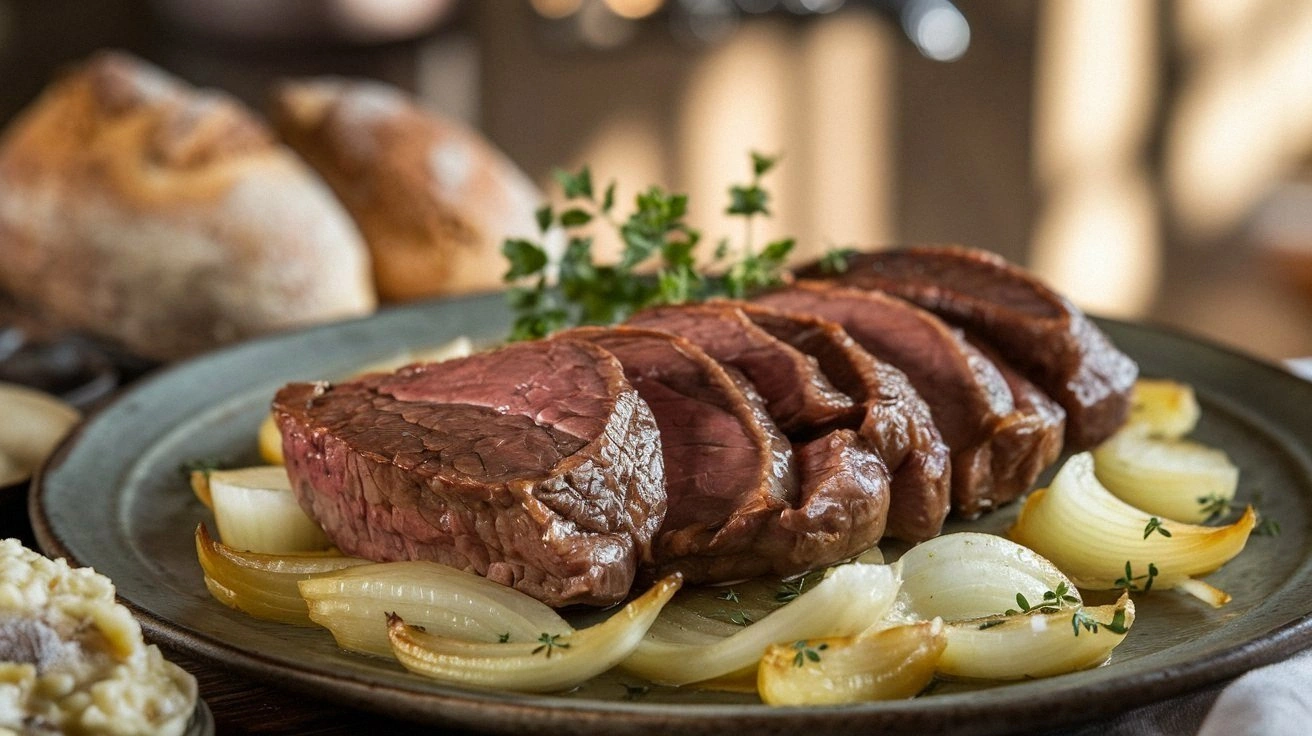
The Method — Step by Step
- Brine the Liver (Optional but Recommended): If you’re using the quick 5‑minute brine, combine 1 cup of water with 1 tablespoon of white vinegar in a shallow dish. Add the liver slices and let them sit for 5 minutes, then pat dry with paper towels. This step reduces the metallic taste and helps keep the meat tender. After brining, proceed to dust the slices lightly with flour.
- Heat the Pan: Place a heavy skillet over medium‑high heat and add the olive oil. Once the oil shimmers, add the butter, letting it melt and bubble without browning. The combination of oil and butter creates a glossy, flavorful base that prevents the liver from sticking.
- Sear the Liver: Arrange the liver slices in a single layer, being careful not to overcrowd the pan. Cook for about 2 minutes on each side, until a golden crust forms and the interior is still slightly pink. The searing creates a caramelized exterior that locks in juices. Flip only once to maintain that crisp edge.
- Introduce the Onions: Add the thinly sliced onions to the pan, spreading them evenly. Cook for 3-4 minutes, stirring occasionally, until they begin to soften and release their sugars. The onions will form a sweet, buttery sauce that coats the liver.
- Garlic and Aromatics: Sprinkle the minced garlic, dried thyme, and bay leaf over the onions and liver. Sauté for an additional 1-2 minutes, ensuring the garlic doesn’t burn. The thyme adds a subtle piney note, while the bay leaf infuses a gentle herbal aroma.
- Deglaze and Simmer: Pour in the beef broth, scraping the bottom of the pan to dissolve any browned bits. Bring to a gentle simmer, then reduce the heat to low. Let the mixture bubble for 5 minutes, allowing the flavors to meld and the sauce to thicken slightly. Watch out: if the broth starts to reduce too quickly, lower the heat to avoid scorching.
- Add the Worcestershire: Stir in the Worcestershire sauce, which deepens the umami profile and adds a subtle tang. The sauce also helps balance the richness of the liver and butter.
- Finish with Lemon and Parsley: Just before serving, squeeze the lemon juice over the dish and sprinkle chopped parsley on top. The acidity brightens the flavors, while the parsley adds a fresh, herbaceous finish. Let everything rest for 2 minutes to allow the flavors to settle.
- Plate and Serve: Serve the liver and onions hot, accompanied by your choice of sides—rice, mashed potatoes, or a crisp salad. The dish should feel hearty yet balanced, with the liver’s richness tempered by the sweet onions and bright lemon.
That's it — you did it. But hold on, I've got a few more tricks that'll take this to another level...
Insider Tricks for Flawless Results
The Temperature Rule Nobody Follows
Many cooks use a high heat to sear the liver, but the real trick is to start at medium‑high and then lower to medium once the liver is in the pan. This controlled heat prevents the exterior from burning while the interior remains juicy. I’ve learned that a steady, moderate temperature gives the liver a beautiful, caramelized crust without sacrificing tenderness. If you’re using a cast‑iron skillet, preheat it for a full 5 minutes to ensure even heat distribution.
Why Your Nose Knows Best
Before you even touch the pan, sniff the liver. A slightly metallic odor is normal, but if it smells sour or off, it’s best to discard it. The nose is a reliable quality control tool that saves you from a culinary disaster. Once the onions start caramelizing, the aroma will shift to sweet and buttery, indicating that the base is ready for the next step.
The 5‑Minute Rest That Changes Everything
After you remove the liver from the pan, let it rest for exactly five minutes on a cutting board. This allows the juices to redistribute, ensuring each bite is moist. During this short rest, the residual heat will finish cooking the interior without overcooking. I’ve seen people skip this step and end up with a dry, chewy texture that ruins the whole dish.
Use a Meat Thermometer for Precision
If you’re a perfectionist, a digital instant-read thermometer can guarantee the liver hits the ideal internal temperature of 160°F (71°C). This prevents undercooking, which can leave a raw center, and overcooking, which turns the meat rubbery. Insert the thermometer into the thickest part of the slice for an accurate reading.
Let the Sauce Simmer, Don’t Boil
When adding the broth, reduce the heat immediately after bringing it to a simmer. A rolling boil will evaporate the liquid too quickly, leading to a thin sauce. Keep the heat low so the flavors develop slowly and the sauce thickens naturally. If you notice the sauce thinning, add a splash of water or a pinch more flour slurry.
Creative Twists and Variations
This recipe is a playground. Here are some of my favorite ways to switch things up:
Spicy Sriracha Surprise
Add a tablespoon of Sriracha sauce to the broth for a kick that pairs nicely with the liver’s richness. The heat balances the buttery notes and adds a subtle smoky flavor that makes the dish feel like a street‑food favorite.
Herb‑Infused Gratin
Top the liver and onions with a sprinkle of grated Parmesan and a handful of fresh herbs, then broil for 2 minutes until golden. The crust adds a crunchy texture and a cheesy depth that transforms the dish into a comforting gratin.
Asian‑Inspired Twist
Swap the beef broth for a splash of soy sauce and add sliced shiitake mushrooms. Finish with a drizzle of sesame oil and a sprinkle of toasted sesame seeds for an umami‑rich, Asian‑inspired flavor profile.
Low‑Carb Delight
Serve the liver over cauliflower rice or sautéed spinach instead of traditional starches. The dish remains hearty while keeping the carb count low, making it perfect for keto or paleo diets.
Vegan Liver Substitute
For a plant‑based version, use seitan or marinated tofu slices instead of liver. Follow the same cooking steps, but increase the sear time slightly to develop a robust flavor. Add nutritional yeast for a cheesy, umami boost.
Breakfast Bonanza
Serve the liver and onions over a bed of fluffy scrambled eggs and a side of toasted sourdough. The savory, iron‑rich liver pairs wonderfully with the creamy eggs, creating a breakfast that’s both filling and nutritious.
Storing and Bringing It Back to Life
Fridge Storage
Cool the dish completely before transferring it to an airtight container. Store in the refrigerator for up to 3 days. The liver’s flavor intensifies over time, so it often tastes even better the next day.
Freezer Friendly
For longer storage, wrap the dish tightly in aluminum foil or place it in a freezer‑safe bag. Freeze for up to 2 months. When ready to reheat, thaw overnight in the fridge to preserve moisture.
Best Reheating Method
Reheat in a skillet over medium heat, adding a splash of water or broth to keep the liver from drying out. Gently stir to distribute heat evenly. A quick 5‑minute reheating restores the dish’s original texture and flavor. Remember to add a tiny splash of water before reheating—it steams back to perfection.