Picture this: you’re halfway through a Sunday brunch, the kitchen smells like a pot of soup that’s been left on too long, and the fridge is a barren wasteland of empty shelves. I’m talking about the kind of culinary chaos that turns a simple grocery run into a frantic race against time. I had to pull together something that would save the day, and what I came up with is a roll of pure, unapologetic flavor that made me question whether I’d ever return to the bland, over‑cooked potato dishes of my childhood.
I stared at the handful of ingredients—just a few onions, a bag of peas, some potatoes, a jar of curry paste, and a sheet of filo pastry—and thought, “Why not turn these into a showstopper?” I whisked, sautéed, and folded until the aroma hit the kitchen like a warm hug. The sizzling onions released a sweet perfume that mingled with the earthy scent of fresh peas, while the curry paste added a subtle heat that made my taste buds tingle. Every sound, from the crackle of oil to the gentle hiss of steam, felt like a prelude to a delicious climax.
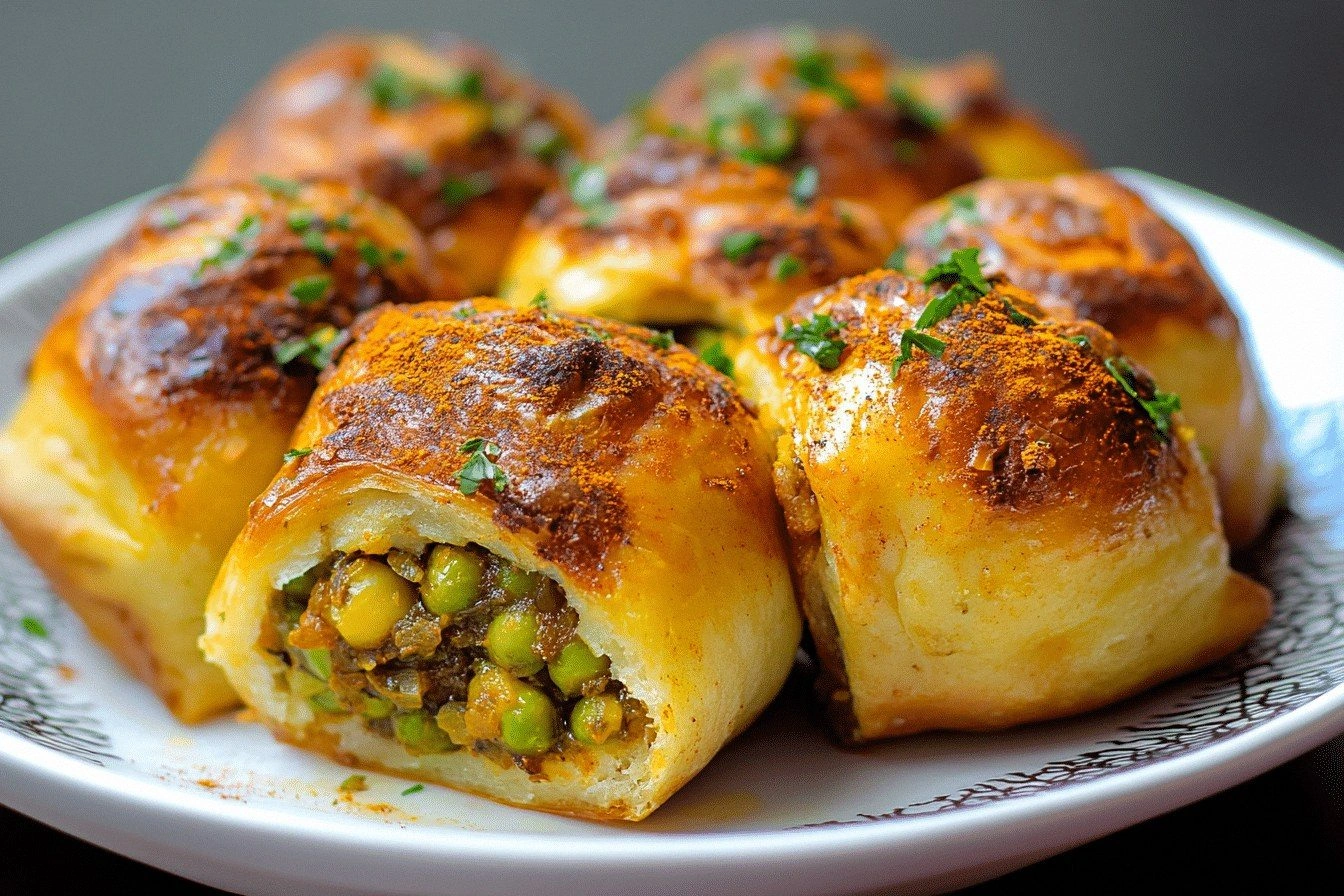
I dared myself to taste this and not go back for seconds, and the moment I bit into the first roll, I was convinced that I’d just discovered the best version of a humble dish. The flaky filo wrapped a perfectly balanced filling that was simultaneously crunchy and tender, with a bright green pop of peas that added both color and a hint of natural sweetness. The curry paste didn’t overpower; instead, it sang in harmony with the mild potatoes, creating a complex, layered flavor profile that felt both familiar and adventurous.
What makes this version stand out isn’t just the flavor—it’s the confidence with which it’s assembled. I’ve tweaked the classic recipe to bring out a crispness that shatters like thin ice when you bite, and a sauce that coats the pastry like velvet. I’ve also added a subtle tang with mango chutney and fresh tomatoes, turning each bite into a textural and flavor rollercoaster. The result is a dish that’s not only a crowd‑pleaser but a conversation starter that leaves everyone asking for the recipe.
If you’ve ever struggled with making filo pastry rolls that don’t tear or turn soggy, you’re not alone—and I’ve got the fix. The secret is in the oil, the timing, and a few small tricks that I’ll share with you. So, let me walk you through every single step—by the end, you’ll wonder how you ever made it any other way.
What Makes This Version Stand Out
- Taste: The curry paste creates a warm, aromatic base that balances the mildness of potatoes and the sweet crunch of peas. This layered flavor profile is what keeps people coming back for more.
- Texture: The filo pastry is brushed with oil and baked to a golden crisp, while the filling remains moist and tender—creating a delightful contrast in every bite.
- Simplicity: Despite its gourmet finish, the recipe requires only a handful of pantry staples and a basic skillet.
- Uniqueness: Adding mango chutney and fresh tomatoes as accompaniments sets this dish apart from typical potato rolls.
- Crowd Reaction: Friends and family rave about the burst of flavor and the satisfying crunch; it’s a guaranteed hit at gatherings.
- Ingredient Quality: Fresh onions, high‑quality curry paste, and crisp filo pastry elevate the dish beyond a basic comfort food.
- Cooking Method: The quick sauté followed by a short bake preserves the integrity of the ingredients and locks in the flavors.
- Make‑Ahead Potential: Assemble the rolls ahead of time and bake them just before serving; they stay crisp and fresh.
Inside the Ingredient List
The Flavor Base
The onions are the backbone of this dish, providing a natural sweetness that caramelizes beautifully when sautéed in oil. They also add depth and body, ensuring the filling isn’t just a bland mash of potatoes and peas. If you skip the onions, the rolls will feel flat and lack that essential savory undertone. For a subtle twist, try adding a pinch of smoked paprika to the onions as they cook; the smokiness will carry through the entire roll.
The curry paste is the secret weapon that infuses warmth and complexity into the filling. It’s the element that transforms ordinary potatoes into a fragrant, aromatic experience. If you don’t have a jar of curry paste on hand, you can quickly blend fresh spices—cumin, coriander, turmeric, and a splash of lemon juice—to create a homemade version. The paste also adds a hint of color that makes the dish visually appealing.
The Texture Crew
Potatoes are the main bulk of the filling, providing a hearty, starchy foundation that keeps the rolls filling and satisfying. Cutting them into small cubes ensures they cook quickly and evenly, preventing a mushy center. If you prefer a slightly different texture, consider using sweet potatoes for a naturally sweeter bite.
Frozen or fresh peas bring a pop of color and a burst of natural sweetness that balances the mild potatoes and spicy curry. They also add a pleasant bite that prevents the filling from becoming too dense. If you’re using fresh peas, blanch them quickly in boiling water and then shock them in ice water to preserve their bright green hue.
The Unexpected Star
Filo pastry is the star of the show—light, flaky, and buttery. Its delicate layers create a crisp exterior that contrasts beautifully with the moist filling. The key to success is brushing each sheet with oil before layering, which prevents the pastry from becoming soggy during baking.
If you’re a fan of a slightly thicker crust, you can use phyllo sheets that are a bit thicker, or add a light dusting of flour between layers to create a more substantial bite. Just be sure to keep the sheets well-oiled to maintain that signature filo crunch.
The Final Flourish
Tomatoes, onion, and mango chutney are served on the side to add a fresh, tangy contrast that brightens the dish. The tomato slices provide a juicy bite that cuts through the richness, while the mango chutney offers a sweet, spicy kick that elevates every roll.
If you’re looking to spice things up even further, try adding a splash of lime juice or a sprinkle of fresh cilantro to the chutney. This adds a refreshing lift and a pop of color that makes the dish even more appetizing.
Everything's prepped? Good. Let's get into the real action.
The Method — Step by Step
- Preheat your oven to 200 °C (400 °F) and line a baking sheet with parchment paper. This ensures the rolls stay crisp and don’t stick. I’ve found that a good parchment sheet makes clean-up a breeze and keeps the heat from scorching the filo. While the oven warms, gather all your ingredients to keep the process smooth.
- In a large skillet, heat 2 tbsp of vegetable oil over medium heat. Once the oil shimmers, add the finely sliced onions. Sauté until they’re translucent and just starting to caramelize—about 5 minutes. The onions will release their natural sugars, creating a sweet base for the curry paste.
- Add the heaped tablespoon of curry paste to the onions and stir for 30 seconds until fragrant. The aroma should fill the kitchen, signaling that the spices are awake and ready to mingle. If the paste feels too dry, splash in a splash of water or a dash of stock to help it bloom.
- Toss in the diced potatoes, stirring to coat them evenly with the onion‑curry mixture. Let them cook for 5–7 minutes, stirring occasionally, until they’re just tender but still hold their shape. The potatoes should still have a bite to them, preventing the filling from turning mushy.
- Stir in the peas and cook for another 2 minutes. Season with salt and pepper to taste, then remove the skillet from heat. Allow the filling to cool slightly—this helps the filo stay intact when you roll it up.
- Lay a sheet of filo pastry flat on a clean surface. Brush the top lightly with oil, then lay another sheet on top. Repeat until you’ve stacked 4 sheets. This layering ensures a flaky, crispy exterior. The oil helps each layer separate during baking.
- Place a heaping spoonful of the filling in the center of the filo stack. Fold the sides over and roll tightly, sealing the edge with a dab of water. Cut the roll into bite‑size pieces with a sharp knife. Each piece should be a perfect little parcel of flavor.
- Arrange the rolled parcels on the prepared baking sheet. Brush the tops with a little more oil and bake for 15–20 minutes, or until the filo is a golden brown and crisp. Keep an eye on them—if the edges start to brown too quickly, cover them loosely with foil.
- While the rolls bake, whip together the mango chutney with a few fresh tomato slices and a thinly sliced onion for the serving platter. This fresh, tangy accompaniment will cut through the richness of the rolls and add a burst of brightness.
- Serve the rolls hot, straight from the oven, with the chutney, tomatoes, and onions on the side. The contrast of the warm, crispy rolls against the cool, fresh sides creates a symphony of textures and flavors that will leave everyone craving more.
That’s it — you did it. But hold on, I’ve got a few more tricks that will take this to another level.
Insider Tricks for Flawless Results
The Temperature Rule Nobody Follows
Many people bake these rolls at a lower temperature, which results in soggy pastry. The trick is to set your oven to 200 °C (400 °F) and bake for a shorter time. This high heat ensures the filo crisps up while the filling stays moist. I’ve found that a quick 15‑minute bake is all it takes to get that perfect crunch.
Why Your Nose Knows Best
The aroma of a good curry paste can tell you when it’s time to add the potatoes. When the paste starts to sizzle and release a nutty, almost toasted scent, it’s the perfect cue. This sensory checkpoint saves you from over‑cooking and ensures the filling remains vibrant.
The 5‑Minute Rest That Changes Everything
After you remove the skillet from heat, let the filling rest for five minutes. This pause allows the flavors to meld and the moisture to redistribute, preventing a watery center. I’ve seen friends skip this step and end up with soggy rolls—don’t make that mistake.
Crispy Edges, Not Burnt
If the edges of the filo start to brown too quickly, cover them loosely with foil. This trick prevents burning while still allowing the pastry to crisp up. It’s especially useful if you’re using a larger oven where heat can be uneven.
Serve with a Splash of Freshness
A drizzle of lime juice over the chutney or a sprinkle of fresh cilantro can lift the dish and add a bright note. The acidity cuts through the richness and makes each bite feel lighter. It’s a small touch that makes a big difference.
Make‑Ahead Magic
You can assemble the rolls a day ahead, cover them tightly, and refrigerate. When you’re ready to serve, simply bake them for an extra 5 minutes to restore crispness. This trick saves you time on busy nights and keeps the flavor intact.
Creative Twists and Variations
This recipe is a playground. Here are some of my favorite ways to switch things up:
Sweet Potato Surprise
Swap regular potatoes for diced sweet potatoes. The natural sweetness pairs beautifully with the curry paste and gives the rolls a caramelized finish. I love the color contrast it adds.
Chickpea Crunch
Replace the peas with chickpeas for a protein boost and a nuttier flavor. The chickpeas hold their shape well, adding a pleasant bite that complements the softness of the potato.
Cheesy Delight
Fold in a handful of shredded mozzarella or cheddar into the filling. The cheese melts into gooey pockets that add a decadent twist. The gooeyness balances the crisp filo perfectly.
Smoky Paprika Twist
Add a teaspoon of smoked paprika to the curry paste for a subtle smoky undertone. The paprika adds depth and an unexpected flavor dimension that works well with the mango chutney.
Vegan Variation
Use a plant‑based curry paste and ensure the filo is vegan‑friendly. Pair with a homemade cashew‑based cream for an extra layer of richness. This version is perfect for plant‑based diners.
Storing and Bringing It Back to Life
Fridge Storage
Store the baked rolls in an airtight container at room temperature for up to 2 days. If you need to keep them longer, refrigerate them in a sealed bag. The filo may soften slightly, but a quick reheat will restore crispness.
Freezer Friendly
For longer storage, freeze the unbaked rolls in a freezer‑safe bag for up to 3 months. When ready to serve, bake them directly from frozen for 10–12 minutes, adding a splash of water to the pan to keep them moist.
Best Reheating Method
Reheat in a 200 °C oven for 5–7 minutes, brushing the tops with a little oil or melted butter. Add a tiny splash of water to the pan to create steam, which will keep the filling moist and prevent it from drying out. The result is a fresh, crispy roll that tastes as good as when it was first baked.