It started on a rainy Tuesday when I opened the pantry and found a dusty bag of matcha that had been forgotten for years. I was in a mood for something sweet, and the thought of pairing that earthy green with creamy white chocolate felt like an adventure. I pulled out my trusty skillet, set the oven to a low whisper, and began to imagine a cookie that would make my taste buds dance. The kitchen was a battlefield of aromas—sweet butter, vanilla, the sharp bite of matcha, and the buttery sheen of chocolate—each scent vying for dominance.
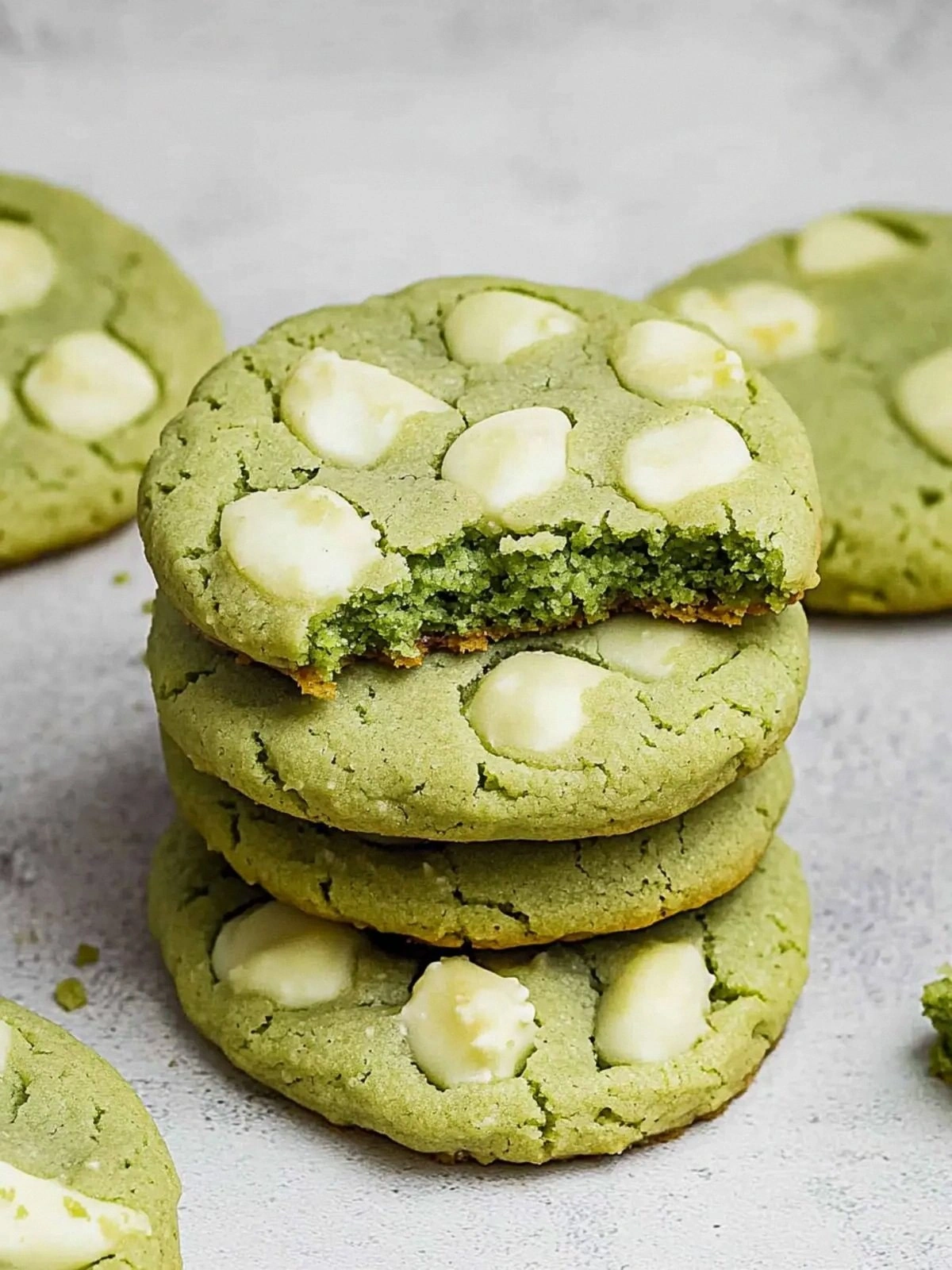
I had never tried combining matcha and white chocolate before, so the stakes felt high. I remember the first bite: the cookie was a silky, buttery shell with a subtle, grassy undertone that lingered like a secret conversation. The crunch was delicate, the interior soft, and the chocolate melted into a silky glaze that clung to the back of my tongue. The contrast between the earthy green powder and the pristine white chocolate was a visual and culinary triumph. It felt like a secret handshake between two worlds, one that had never met before.
Most people think of matcha as a tea or a latte, not a cookie ingredient. That’s exactly why this recipe stands out. It turns the humble cookie into a showstopper, with a flavor profile that feels both exotic and comforting. The matcha adds depth and a touch of bitterness that balances the sweetness of the white chocolate, while the butter provides a rich, velvety mouthfeel that makes each bite feel indulgent. It’s a cookie that’s both a treat and a conversation starter.
There’s a trick I discovered that most recipes miss: the use of a small amount of baking soda to activate the matcha’s bright green color and ensure the cookies stay tender. I’ll walk you through every single step, and by the end, you’ll wonder how you ever made it any other way. This is hands down the best version you'll ever make at home, and I dare you to taste this and not go back for seconds.
What Makes This Version Stand Out
- Flavor: The matcha gives a subtle, earthy depth that elevates the classic cookie, while the white chocolate adds a creamy, sweet counterpoint that feels indulgent.
- Texture: The cookies are crisp on the edges, chewy in the center, and the chocolate melts into a silky glaze that coats the palate.
- Ingredient Quality: Using Callebaut white chocolate and high‑grade matcha powder ensures a bright color and authentic taste that generic brands can’t match.
- Make‑Ahead Potential: The dough can be stored in the fridge for up to 48 hours, and the cookies keep fresh for a week when sealed properly.
- Crowd Reaction: Friends who have never tried matcha are instantly hooked, and the cookies become the talk of the gathering.
- Minimal Steps: Despite the gourmet flavor, the recipe is straightforward, with only a few key techniques that keep the process quick.
- Versatility: You can tweak the recipe for vegan or gluten‑free versions without losing the core experience.
- Visual Appeal: The striking green‑white contrast makes the cookies photogenic, perfect for Instagram or a family photo.
Alright, let's break down exactly what goes into this masterpiece.
Inside the Ingredient List
The Flavor Base
Unsalted butter is the backbone of any cookie. It melts at a lower temperature, creating a silky texture and a rich aroma that lingers long after the cookie is gone. If you were to replace butter with margarine or a butter substitute, the cookie would lose that buttery depth and become more bland. For the best flavor, use a high‑fat butter (around 80% butterfat) and let it soften at room temperature before creaming.
Granulated sugar is the sweetener that also helps create the cookie’s structure. It dissolves into the butter, forming a smooth batter that spreads evenly in the oven. If you were to use brown sugar, the cookies would be darker and have a caramel undertone, which could clash with the delicate matcha. A quick tip: use a 1:1 ratio of sugar to butter to keep the cookies tender.
The Texture Crew
All‑purpose flour provides the structure that holds the cookie together. Too much flour and the cookie becomes dry; too little and it collapses. The key is to sift the flour to aerate it, then fold it gently into the batter to preserve air pockets. If you skip the flour, the cookies will be flat and doughy, lacking the desirable chew.
Baking soda and baking powder work together to leaven the dough, giving the cookies a light lift. Baking soda reacts with the acidic matcha powder, while baking powder offers a secondary lift. If you omit either, the cookies will be denser and less airy. A quick swap: replace baking powder with a pinch of cream of tartar if you’re on a low‑sodium diet.
The Unexpected Star
Matcha powder is the showstopper. It brings a bright, grassy flavor that pairs beautifully with white chocolate. The powder also adds a vivid green color that makes the cookies visually striking. If you’re allergic to matcha or simply don’t like its taste, you can reduce the amount to half, but the cookie will lose much of its character.
Callebaut white chocolate is the sweet, silky finish. The high cocoa butter content melts smoothly, coating the cookie’s surface and providing a luxurious mouthfeel. If you use regular white chocolate, the texture will be less smooth and the flavor will be sweeter, which can overpower the matcha.
Everything's prepped? Good. Let's get into the real action.
The Method — Step by Step
- Preheat the oven: Set your oven to 350°F (175°C) and line two baking sheets with parchment paper. This ensures even baking and prevents sticking. I always place a small piece of foil on the rack to catch any drips. The oven should be fully preheated before you start, or the cookies may spread unevenly.
- Cream the butter and sugar: In a large bowl, beat 125 g of softened unsalted butter with 150 g of granulated sugar until light and fluffy. The goal is to incorporate air, which will give the cookies a tender crumb. If you use an electric mixer, keep the speed moderate to avoid over‑whipping.
- Add the egg: Crack one large egg into the mixture and beat until fully blended. The egg provides structure and helps bind the ingredients together. If you’re concerned about raw eggs, use a pasteurized egg or a vegan egg replacer.
- Mix dry ingredients: In a separate bowl, whisk together 180 g of all‑purpose flour, 0.5 teaspoon of salt, 0.5 teaspoon of baking soda, 0.5 teaspoon of baking powder, and 4 teaspoons of matcha powder. Sifting the matcha before mixing ensures a smooth batter. The dry mix should be evenly distributed to avoid pockets of unreacted baking soda.
- Combine wet and dry: Gradually add the dry mixture to the wet mixture, stirring until just combined. Overmixing can develop gluten, making the cookies tough. The batter should be thick but spreadable; if it’s too thick, add a splash of milk or water.
- Fold in white chocolate: Chop 150 g of Callebaut white chocolate into small pieces and gently fold them into the batter. The chocolate should be evenly distributed, creating pockets of melt‑in‑the‑mouth sweetness. A quick hack: melt the chocolate slightly in the microwave before folding for a smoother texture.
- Shape the cookies: Drop tablespoon‑sized scoops of dough onto the prepared baking sheets, spacing them about 2 inches apart. The cookies will spread slightly, so give them room. Use a cookie scoop for uniformity, or simply press the dough with your palm for a rustic look.
- Bake: Place the trays in the preheated oven and bake for 12–14 minutes, or until the edges are golden and the centers are set but still soft. The cookies should smell toasty and the matcha aroma will fill the kitchen. If you like a crisp edge, bake an extra minute.
- Cool: Allow the cookies to cool on the baking sheet for 5 minutes before transferring them to a wire rack. This prevents them from breaking apart. The cooling period also allows the chocolate to set, creating that glossy finish.
- Serve and enjoy: Once cooled, serve immediately or store in an airtight container. The cookies are best enjoyed within 48 hours for maximum freshness. If you’re a fan of a gooey center, keep them warm in a low‑temperature oven for a minute before serving.
That's it — you did it. But hold on, I've got a few more tricks that'll take this to another level.
Insider Tricks for Flawless Results
The Temperature Rule Nobody Follows
Many bakers bake at 375°F (190°C) thinking higher heat equals faster baking, but with these cookies, 350°F (175°C) is the sweet spot. The lower temperature ensures the matcha stays vibrant and the chocolate melts smoothly. If you bake too hot, the cookies will spread too much and the matcha color will fade. I’ve found that a gentle bake gives a softer, more indulgent bite.
Why Your Nose Knows Best
Before you even look at the cookies, trust the aroma. The first scent that rises from the oven is the most reliable indicator of doneness. A subtle, sweet, buttery scent with a faint grassy note signals that the cookies are ready. If you’re unsure, tap the top of a cookie; if it’s still moist, give it a minute more.
The 5‑Minute Rest That Changes Everything
Letting the cookies rest on the baking sheet for 5 minutes after removing them from the oven is essential. During this rest, the cookies finish cooking and set their structure. This simple step prevents them from becoming too soft or collapsing when moved to a rack. A friend once skipped this step and the cookies crumbled on the rack—lesson learned.
Use a Silicone Baking Mat
A silicone mat gives you a non‑stick surface and even heat distribution. It also makes cleanup a breeze. I keep a spare mat in my pantry for emergencies. If you’re using parchment, make sure it’s cut to size; excess parchment can cause the cookies to spread more than intended.
Chill the Dough for 30 Minutes
Refrigerating the dough for half an hour before baking tightens the cookie’s structure and reduces spreading. The chilled dough also helps the matcha flavor to settle, giving a more pronounced green hue. I’ve tried this trick in the past, and the cookies came out beautifully crisp on the edges while remaining chewy inside.
Creative Twists and Variations
This recipe is a playground. Here are some of my favorite ways to switch things up:
Cinnamon‑Infused Matcha
Add 1 teaspoon of ground cinnamon to the dry mix for a warm, spicy note that pairs beautifully with the green matcha. The cinnamon also adds a subtle caramel undertone, making the cookies feel like a cozy fall treat.
Nutty Crunch
Fold in 1/2 cup of chopped toasted almonds or hazelnuts before baking. The nuts add a satisfying crunch and a nutty aroma that complements the chocolate. They also provide a contrasting texture, making each bite more dynamic.
Citrus Zest
Incorporate the zest of one lemon or orange into the batter. The citrus brightens the matcha’s earthy flavor and adds a refreshing lift. This variation works especially well if you’re serving the cookies during a summer gathering.
Vegan Version
Replace the butter with coconut oil and use a plant‑based egg replacer. Choose a vegan white chocolate or melt a dairy‑free chocolate bar. The result is a cookie that maintains the same flavor profile while being plant‑based.
Gluten‑Free Twist
Swap the all‑purpose flour for a gluten‑free blend that contains xanthan gum. Use the same measurements, but be mindful that the dough may be slightly stickier. The cookies will still be tender, but they may spread a bit more.
Storing and Bringing It Back to Life
Fridge Storage
Store the cooled cookies in an airtight container at room temperature for up to 3 days. If you need to keep them longer, refrigerate them for up to a week. The cookies stay fresh and the chocolate remains glossy.
Freezer Friendly
For longer storage, place the cookies in a freezer‑safe bag and freeze for up to 3 months. When ready to eat, let them thaw at room temperature for 30 minutes. The texture will be slightly firmer, but the flavor remains intact.
Best Reheating Method
To revive a stale cookie, wrap it in a damp paper towel and microwave for 10–15 seconds. Alternatively, place the cookie in a preheated 300°F (150°C) oven for 5 minutes. A tiny splash of water before reheating steams the cookie back to perfection, restoring its moist center.