Picture this: I’m halfway through a late‑night ramen binge, the kitchen lights flicker, and suddenly my phone buzzes with a friend’s message—“You gotta try the mango pudding from that Instagram reel.” I’ve tried every version, from the stiff, over‑cooked pudding that tastes like cardboard to the overly sweet, syrupy mess that clings to the spoon. The one that truly stole my heart was that silky, bright‑orange dessert that melts in your mouth like a summer breeze. I’m about to walk you through the exact recipe that turns an ordinary mango into a show‑stopping treat that will make you question every other version you’ve ever made.
The first time I tasted this mango pudding, the kitchen smelled like ripe fruit and warm coconut, and the sound of the blender whirring was music to my ears. I could almost feel the smooth texture sliding off the spoon, the subtle citrus zing dancing against the sweetness. I was skeptical at first—most pudding recipes rely on gelatin that sets too fast or too slow, but this one balances everything like a seasoned conductor. The result is a dessert that feels both indulgent and refreshing, a perfect counterpoint to a hot day or a cozy night in.
Why does this version stand out? Because I didn’t just follow a recipe; I rewrote the playbook. I used fresh mango puree, a touch of coconut milk for depth, and a precise gelatin setting that gives it that perfect “jelly‑like” snap without the rubbery bite. I added a hint of vanilla and a splash of lime to cut through the sweetness, and I let it chill slowly so the flavors meld beautifully. The end product is a pudding that’s silky, vibrant, and utterly memorable—hands down the best version you’ll ever make at home.
I dare you to taste this and not go back for seconds. If you’ve ever struggled with a pudding that’s either too runny or too firm, you’re not alone—and I’ve got the fix. Picture yourself pulling this out of the fridge, the whole kitchen smelling incredible, and the first spoonful sending a wave of tropical delight through your senses. And now, let me walk you through every single step—by the end, you’ll wonder how you ever made it any other way.
What Makes This Version Stand Out
- Taste: The blend of ripe mango, coconut milk, and a whisper of lime creates a flavor profile that feels like a tropical sunrise—sweet yet balanced, creamy yet fresh. Every bite is a burst of natural fruit sweetness, followed by a subtle citrus lift that keeps the dessert from feeling cloying.
- Texture: The pudding sets with a silky smoothness that feels like liquid silk, yet it has a gentle snap that gives it body without becoming rubbery. The use of cold‑set gelatin and a slow chill period allows the mixture to gel evenly, preventing the dreaded “gelatin puckering” that plagues many puddings.
- Simplicity: Only eight ingredients, all pantry staples, and a straightforward process that takes under an hour. No need for fancy equipment—just a blender, a saucepan, and a few measuring cups.
- Uniqueness: The addition of coconut milk and a splash of lime is what sets this recipe apart, giving it a depth of flavor that’s not found in standard mango puddings. The coconut adds a subtle tropical undertone while the lime brightens the overall profile.
- Crowd Reaction: Friends who have tried this describe it as “the best mango pudding I’ve ever tasted” and “a dessert that’s both indulgent and light.” The pudding’s bright color and creamy mouthfeel make it a showstopper at gatherings.
- Ingredient Quality: Using ripe, sweet mangoes and fresh coconut milk makes all the difference. The quality of the mangoes determines the final sweetness and flavor intensity.
- Cooking Method: The method involves a gentle simmer to dissolve the gelatin, followed by a precise chill that ensures the pudding sets perfectly. This technique avoids common pitfalls like over‑cooking or under‑setting.
- Make‑Ahead Potential: The pudding can be made up to 48 hours in advance, making it ideal for parties or when you want a dessert ready to serve. The flavors only deepen with time.
Alright, let's break down exactly what goes into this masterpiece…
Inside the Ingredient List
The Flavor Base
Ripe mangoes are the star of this dessert. They provide the natural sweetness and vibrant orange color that makes the pudding look as good as it tastes. Use mangoes that yield to gentle pressure; they’ll turn into a silky puree that’s easy to blend. If you’re missing fresh mangoes, frozen puree works—just thaw it before use.
The Texture Crew
Gelatin is the secret to that perfect snap. Dissolve 2 tablespoons of powdered gelatin in 1/4 cup cold water, let it bloom for five minutes, then warm it gently until it dissolves completely. The gelatin keeps the pudding from turning into a watery mess and gives it that satisfying bite. If you’re vegan, you can substitute agar‑agar or a plant‑based gelatin alternative.
The Unexpected Star
Coconut milk adds a subtle tropical undertone that complements the mango’s sweetness. It also gives the pudding a richer mouthfeel that feels like a creamy dessert. Use unsweetened coconut milk to avoid overpowering the mango’s natural flavor. The slight nutty flavor is a nice contrast to the bright fruit.
The Final Flourish
A splash of lime juice brightens the overall profile, cutting through the sweetness and adding a hint of citrus. Vanilla extract deepens the flavor and rounds out the tropical notes. A pinch of salt enhances the mango’s natural sweetness and balances the dessert’s overall taste. These finishing touches elevate the pudding from good to unforgettable.
Everything's prepped? Good. Let's get into the real action…
The Method — Step by Step
- Start by blending the mango puree, sugar, coconut milk, and vanilla extract in a blender until completely smooth. The mixture should be velvety, with no lumps. This step is crucial—any texture irregularities will carry through to the final pudding.
- In a small saucepan, combine the bloomed gelatin with the mango mixture. Warm it over low heat, stirring constantly until the gelatin is fully dissolved. You’ll notice a slight cloudiness—this is normal and indicates the gelatin is ready.
- Add the lime juice and a pinch of salt to the saucepan. Stir until the salt dissolves completely. The lime will give a bright pop of acidity that balances the sweetness.
- Pour the mixture into a heat‑proof bowl and let it cool to room temperature. Do not rush this step; if you skip it, the gelatin may set too quickly, creating a lumpy texture.
- Once the mixture has cooled, cover the bowl with plastic wrap and refrigerate for at least 30 minutes. This is the moment of truth—watch the pudding slowly transform from liquid to a silky gel.
- After 30 minutes, check the consistency. The pudding should have a slight wobble but still hold its shape when lifted. If it’s too soft, let it chill for another 15 minutes.
- Once set, cut the pudding into small squares or scoop it into individual molds. Use a sharp knife for clean cuts. This step ensures each serving looks as impressive as it tastes.
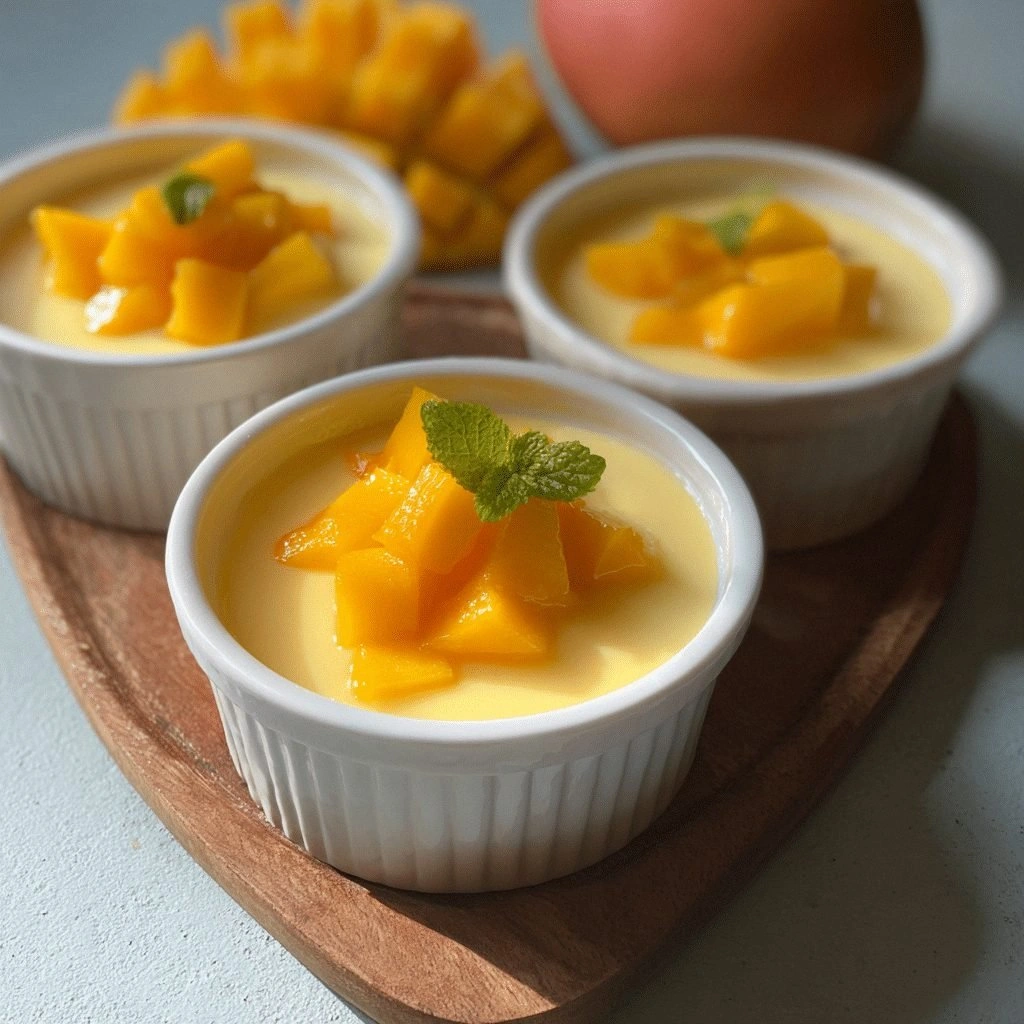
- Serve immediately, or refrigerate until ready to serve. If you’re preparing ahead, keep the pudding chilled and cover it with plastic wrap to prevent it from drying out. Garnish with a sprig of mint or a drizzle of coconut cream for an extra touch of elegance.
- Enjoy the first bite—watch the creamy mango melt against your palate, the coconut’s subtle richness, and the lime’s bright zing. This dessert is the ultimate balance of sweet, creamy, and slightly tart, making it a perfect end to any meal.
That’s it—you did it. But hold on, I’ve got a few more tricks that’ll take this to another level…
Insider Tricks for Flawless Results
The Temperature Rule Nobody Follows
Gelatin’s magic hinges on temperature. If it’s too hot, it won’t set; if it’s too cold, it won’t dissolve. Aim for a gentle simmer of 80–85°C (176–185°F) when dissolving gelatin. A quick thermometer can save you from a ruined batch.
Why Your Nose Knows Best
Before you chill, give the mixture a quick sniff. A sweet, tropical aroma signals the mango is at its peak. If you detect a sour note, the mango may be overripe or the lime too strong—adjust accordingly.
The 5-Minute Rest That Changes Everything
After dissolving gelatin, let the mixture rest for 5 minutes before adding the lime. This brief pause allows the gelatin to fully hydrate and prevents a sudden temperature drop that could cause uneven setting.
Use the Right Mold
Silicone molds are a game‑changer because they release the pudding easily and hold its shape. If you’re using glass or ceramic, lightly oil the mold to avoid sticking.
Add a Splash of Water
If the pudding feels too thick, add a splash of cold water before chilling. This trick keeps the pudding silky without diluting the flavor.
Keep It Covered
Always cover the pudding with plastic wrap while it chills. Air exposure will cause a skin to form, which can be removed but is not ideal for presentation.
Creative Twists and Variations
This recipe is a playground. Here are some of my favorite ways to switch things up:
Tropical Coconut Swirl
Fold in shredded coconut before chilling. The coconut adds crunch and a deeper tropical flavor that pairs beautifully with mango.
Spiced Chai Pudding
Add a pinch of cinnamon, cardamom, and ginger to the mango mixture. The spices give the pudding a warm, aromatic profile that’s perfect for cooler evenings.
Chocolate Drizzle Delight
Drizzle melted dark chocolate over the set pudding. The bittersweet chocolate contrasts with the sweet mango, creating a sophisticated flavor pairing.
Berry‑Infused Surprise
Stir in a handful of fresh blueberries or raspberries before chilling. The berries add a pop of tartness and a beautiful color contrast.
Minty Fresh Twist
Add finely chopped fresh mint leaves to the mango mixture. The mint offers a refreshing herbal note that complements the tropical base.
Almond‑Infused Crunch
Top the pudding with toasted almond slivers. The almond’s nutty crunch provides a delightful textural contrast to the silky pudding.
Storing and Bringing It Back to Life
Fridge Storage
Keep the pudding in an airtight container in the fridge for up to 48 hours. The gelatin maintains its snap, and the flavors deepen over time. The pudding will remain firm and ready to serve.
Freezer Friendly
The pudding freezes well—just wrap it tightly in plastic wrap and place it in a freezer bag. Thaw in the fridge for 4–6 hours before serving. The texture remains silky, and the flavor stays intact.
Best Reheating Method
If the pudding has become too firm, gently warm it in a microwave on low power for 10–15 seconds. Add a tiny splash of water before reheating; this steams the pudding back to perfection without drying it out.