When the winter wind rattled the windows and the aroma of fresh pine drifted through the hallway, I found myself staring at a raw pork tenderloin that looked more like a lump of disappointment than a culinary opportunity. My friend, a self‑proclaimed flavor alchemist, tossed a dare across the kitchen island: “Make that meat sing, or I’ll bring my grandma’s secret sauce next time.” I laughed, but the challenge ignited a spark in my whisk‑laden heart. I was about to prove that a humble cut of pork could become the centerpiece of a dinner that would have people begging for seconds. The kitchen was a stage, the meat the star, and the maple bourbon glaze the spotlight that would shine bright. I swear I could hear the sizzle in the air, the promise of caramelized sugar coating the tenderloin like velvet on a velvet pillow. The scent of bourbon, maple, and rosemary mingled, turning the room into a fragrant, almost cinematic experience. Picture the moment when the first bite melts in your mouth, the sweet and smoky flavors exploding like fireworks on a quiet night. I dare you to taste this and not go back for seconds.
My kitchen has seen its fair share of culinary catastrophes—half‑cooked ribs, burnt sauces, and the infamous “too salty” soup that left my guests asking for water. That same night, a sudden craving for something sweet and savory, a craving that could not be satisfied by any store‑bought sauce, pushed me to experiment. I grabbed a bottle of bourbon, a jar of pure maple syrup, and a handful of herbs that were sitting in the fridge, ready to be turned into a glaze that would coat the pork tenderloin like a glossy, caramelized blanket. I had to admit, the first time I tried a similar recipe, the glaze had been too thin, the pork too dry, and the overall result a disappointment. But this time, I had a new technique: a two‑stage searing followed by a slow glaze reduction that would lock in moisture and flavor. The result is hands down the best version you'll ever make at home, with a glaze that is thick, glossy, and utterly irresistible. I’ll be honest — I ate half the batch before anyone else got to try it, and the leftovers were still begging for a second serving. If you've ever struggled with this, you're not alone — and I've got the fix.
The secret lies in the marriage of sweet maple syrup and smoky bourbon, balanced by the sharp bite of Dijon mustard and the umami depth of soy sauce. This isn’t just a glaze; it’s a flavor conduit that transforms the pork into a succulent, caramelized masterpiece. The maple syrup provides a natural sweetness that caramelizes beautifully, creating a crust that is both crispy and tender. Bourbon adds a subtle oakiness that lingers on the palate, while the Dijon mustard offers a tang that cuts through the richness. Soy sauce brings umami, deepening the savory profile, and a splash of apple cider vinegar brightens the glaze with a hint of acidity. Fresh rosemary and a pinch of cayenne pepper add aromatic and spicy undertones that elevate the dish from ordinary to extraordinary. The result is a pork tenderloin that is juicy inside, caramelized on the outside, and packed with complex layers of flavor. Picture yourself pulling this out of the oven, the whole kitchen smelling incredible, and watching the glaze glisten on the meat like liquid amber.
This version stands out because it was born from a dare, refined through experimentation, and perfected with a simple yet effective technique that locks in moisture and flavor. The glaze thickens to a glossy consistency that clings to the meat, creating a caramelized crust that is both crunchy and tender. The pork stays juicy because of the two‑stage searing, which seals in the juices before the glaze does its caramelizing magic. The balance of sweet, savory, smoky, and spicy flavors makes every bite a revelation, and the dish is so versatile that it can be served with roasted potatoes, sautéed greens, or even a light salad. Most recipes get this completely wrong; they either overcook the meat or under‑develop the glaze. I dare you to taste this and not go back for seconds. Let me walk you through every single step — by the end, you'll wonder how you ever made it any other way.
What Makes This Version Stand Out
- Flavor Depth: The combination of maple syrup, bourbon, and soy sauce creates a complex, layered taste that evolves with each bite, from sweet to smoky to umami.
- Texture Contrast: The two‑stage searing gives the pork a crisp, caramelized crust while keeping the interior moist and tender, offering a satisfying bite.
- Ease of Execution: With only a few ingredients and a straightforward method, even novice cooks can achieve professional results.
- Ingredient Quality: Using pure maple syrup and a high‑proof bourbon elevates the dish, turning simple pantry staples into gourmet components.
- Crowd‑Pleaser: The glaze’s glossy sheen and rich flavor make this dish a hit at gatherings, leaving guests begging for the recipe.
- Make‑Ahead Potential: The glaze can be prepared in advance, and the pork can be reheated without losing its succulent texture.
- Versatility: The glaze pairs beautifully with a range of sides, from roasted root vegetables to creamy polenta.
Alright, let's break down exactly what goes into this masterpiece…
Inside the Ingredient List
The Flavor Base
Maple syrup is the heart of this glaze, providing natural sweetness that caramelizes into a glossy, amber coating. Its subtle molasses undertone deepens the overall flavor profile, offering a sweet counterbalance to the savory elements. If you skip maple syrup, the glaze will lack body and depth, turning the pork into a bland, over‑seasoned piece. A good alternative is honey, but it won’t caramelize as well and will impart a different sweetness profile. When buying maple syrup, look for a dark amber color; the darker the syrup, the more robust the flavor. This ensures that the glaze will have the richness needed to coat the pork and hold its shape during the finishing step.
The Texture Crew
Cornstarch is the unsung hero that thickens the glaze, giving it a velvety consistency that clings to the meat. When dissolved in a small amount of water, it creates a slurry that can be added to the glaze at the end of cooking to achieve the perfect thickness. If omitted, the glaze will remain thin and runny, failing to form the desired caramelized crust. A suitable substitute is arrowroot powder, which has a neutral flavor and thickening power similar to cornstarch. For a thicker glaze, double the amount of cornstarch; for a lighter glaze, reduce it by half. The key is to whisk it in gradually, allowing the mixture to thicken without forming lumps.
The Unexpected Star
Fresh rosemary brings an aromatic, piney note that elevates the dish’s flavor profile. Its resinous scent complements the sweet maple syrup and the smoky bourbon, creating a harmonious balance. If rosemary is unavailable, dried rosemary can be used, but use half the amount to avoid overpowering the dish. A pinch of cayenne pepper introduces a subtle heat that cuts through the richness, adding a surprising kick. If you prefer a milder version, replace cayenne with a dash of smoked paprika for a smoky, less spicy flavor. The combination of rosemary and cayenne creates a dynamic flavor experience that keeps the palate engaged.
The Final Flourish
Olive oil is essential for searing the pork, ensuring a golden crust that locks in juices. Use a high‑smoke‑point oil, such as avocado oil, if you’re concerned about burning. Salt and black pepper season the meat, balancing the sweetness of the glaze and enhancing the overall flavor. A pinch of cayenne adds a subtle heat, while the apple cider vinegar brightens the glaze with a gentle acidity. The Dijon mustard provides a tang that cuts through the richness, preventing the dish from feeling too sweet. If you’re vegan or lactose‑free, replace Dijon mustard with a vegan mustard for a similar effect.
Everything's prepped? Good. Let's get into the real action…
The Method — Step by Step
First, trim the pork tenderloin of any silver skin and fat. Pat it dry with paper towels; moisture on the surface prevents a good sear. Season generously with salt and black pepper on all sides, letting the seasoning penetrate the meat. This step is crucial for building the foundational flavor that the glaze will enhance. While you’re seasoning, preheat a cast‑iron skillet over medium‑high heat to ensure a hot surface for searing.
Heat a tablespoon of olive oil in the skillet until it shimmers but does not smoke. Place the pork in the pan, searing each side for 2–3 minutes until a golden brown crust forms. The crust should be deep brown, not burnt, and should develop a caramelized flavor that will carry through the glaze. Flip the pork carefully with tongs; avoid using a fork, which can pierce the meat and release juices. Once all sides are seared, remove the pork and set it aside on a plate.
In the same skillet, reduce the heat to medium and add the minced garlic, letting it sizzle for 30 seconds until fragrant. This releases the garlic’s essential oils, which will mingle with the bourbon and maple syrup. Next, pour in the bourbon, allowing it to deglaze the pan. The alcohol will evaporate quickly, leaving behind a rich, smoky flavor that infuses the pork.
Now add the maple syrup, Dijon mustard, soy sauce, apple cider vinegar, and rosemary. Stir constantly to combine the ingredients, ensuring that no lumps of mustard or soy sauce remain. The mixture should start to bubble gently; this indicates that the glaze is thickening. Watch the glaze’s color change from a clear syrup to a deep amber, signaling that it’s on the right track. Keep the heat low to prevent scorching.
Return the pork to the skillet, nestling it into the glaze. Spoon the glaze over the meat, ensuring it is fully coated. Reduce the heat to low and cover the skillet with a lid. Let the pork cook for 12–15 minutes, turning it occasionally so the glaze adheres evenly. The pork’s internal temperature should reach 145°F (63°C) for perfect doneness.
- The glaze should be thick and glossy, not watery. If it appears too thin, whisk in a cornstarch slurry (1 tablespoon cornstarch mixed with 1 tablespoon cold water) and stir until it reaches the desired consistency. This step ensures the glaze clings to the pork, creating a caramelized crust that is both crisp and tender.Watch Out: Do not over‑cook the pork; once it reaches 145°F, remove it immediately to avoid a dry texture.
While the pork is resting, let the glaze simmer for a few minutes to reduce further. This concentrates the flavors and thickens the glaze to a syrupy finish. Stir occasionally to prevent burning on the bottom of the skillet. The glaze should have a glossy sheen, almost like liquid amber, that will coat the pork beautifully when it’s plated.
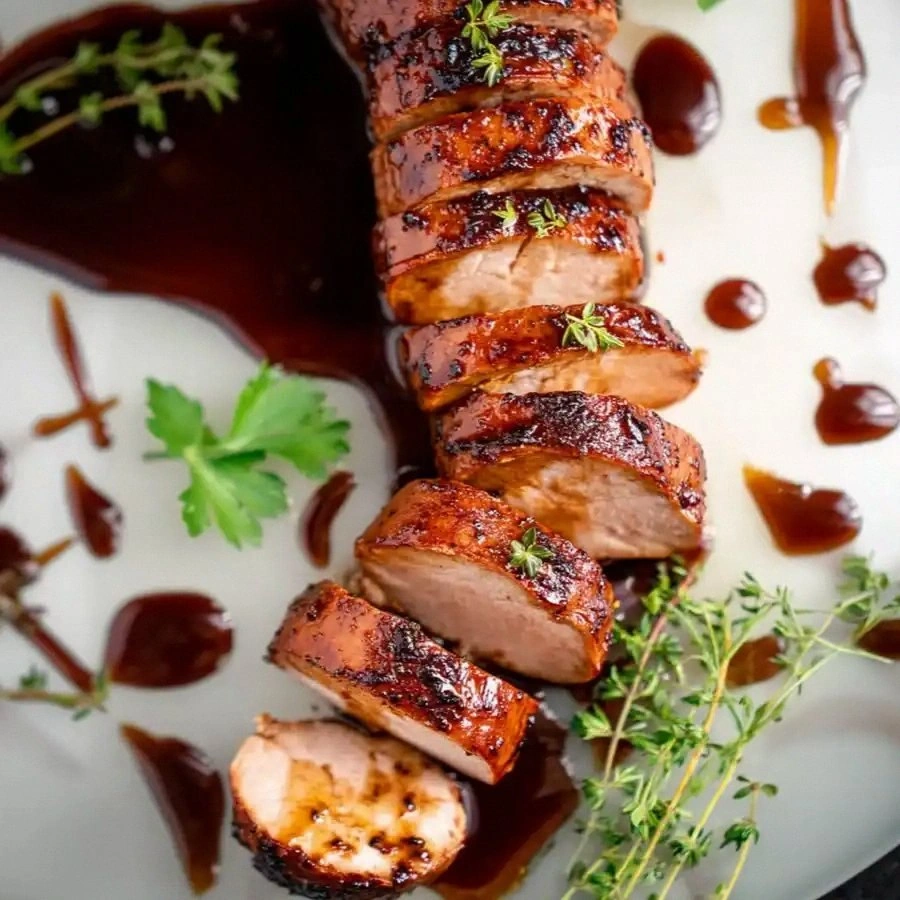
Slice the pork into ½‑inch thick medallions, arranging them on a plate. Drizzle the remaining glaze over the slices, ensuring each piece is generously coated. The glaze will cling to the meat, creating a caramelized crust that is both crisp and tender. The final presentation should look like a glossy, amber‑colored ribbon of flavor, ready to be devoured.
Serve immediately with your favorite sides, such as roasted root vegetables, sautéed greens, or a light salad. The pork’s sweet, smoky, and slightly spicy glaze pairs well with the earthiness of roasted potatoes and the freshness of a green salad. Enjoy the moment when the first bite melts in your mouth, the sweet maple syrup and smoky bourbon dancing on your tongue. That sizzle when it hits the pan? Absolute perfection. And now the fun part. Stay with me here — this is worth it.
That's it — you did it. But hold on, I've got a few more tricks that'll take this to another level…
Insider Tricks for Flawless Results
The Temperature Rule Nobody Follows
Many cooks rely on a thermometer, but I swear by the finger test. Press the center of the pork with your finger; if it feels slightly springy, it’s done. This method saves time and prevents over‑cooking. The meat’s internal temperature should read 145°F (63°C) for safety, but the texture is the real indicator of perfection. A friend tried skipping this step once, and the pork turned out dry and rubbery. The lesson? Trust your senses as much as your tools.
Why Your Nose Knows Best
Before you taste the glaze, inhale deeply. The aroma should be sweet, smoky, and slightly herbal. If the smell feels flat or overly sweet, give it a minute to rest; the flavors will settle and deepen. The nose is a powerful judge of flavor maturity, so use it to gauge readiness. The first bite should surprise you with a burst of caramelized sweetness and a subtle hint of spice.
The 5‑Minute Rest That Changes Everything
After removing the pork from the skillet, let it rest on a cutting board for at least five minutes. This allows the juices to redistribute, preventing them from spilling onto the cutting board. The rest period also lets the glaze set, creating a more cohesive coating. If you cut the pork immediately, the juices will escape, leaving the meat drier. A quick rest is a small step that yields a dramatic difference in texture.
Use a Cast‑Iron Skillet for Even Heat
Cast‑iron retains heat exceptionally well, ensuring a consistent sear across the entire surface. This prevents hot spots that can burn the glaze while leaving other areas under‑cooked. If you’re using a non‑stick pan, consider preheating it for a few extra minutes to achieve a similar effect. The key is to keep the heat steady, not fluctuating, during the searing and glaze reduction steps.
Let the Glaze Simmer, Don’t Boil
When reducing the glaze, keep the heat low and let it simmer gently. Boiling the glaze can cause the sugar to crystallize, resulting in a gritty texture. A slow reduction allows the flavors to meld and the glaze to thicken naturally. If you notice the glaze thickening too quickly, reduce the heat further or remove the lid to allow steam to escape.
Serve With a Simple Green Salad
A crisp green salad with a light vinaigrette balances the richness of the glazed pork. The acidity of the vinaigrette cuts through the sweetness, creating a harmonious contrast. If you prefer a heavier side, roasted root vegetables work beautifully, absorbing the glaze and adding earthy undertones. The salad adds freshness and a crunchy texture that complements the tender pork.
Creative Twists and Variations
This recipe is a playground. Here are some of my favorite ways to switch things up:
Maple‑Glazed Pork with a Citrus Kick
Replace the apple cider vinegar with fresh lemon juice for a bright, zesty note. Add a teaspoon of orange zest for a subtle citrus layer. The result is a glaze that feels lighter and more refreshing, perfect for spring or summer gatherings.
Smoky Chipotle Bourbon Glaze
Stir in a tablespoon of chipotle in adobo sauce for a smoky heat that pairs beautifully with the bourbon’s oakiness. The chipotle adds depth and a gentle spiciness that elevates the dish for those who love a bit of heat.
Herb‑Infused Maple Glaze
Swap rosemary for thyme or sage for a different aromatic profile. Add a sprig of fresh thyme during the glaze reduction, letting its subtle floral notes infuse the sauce. This variation offers a more herbal, earthy flavor that works well with root vegetables.
Maple Bourbon Pork with a Creamy Side
Serve the glazed pork over a bed of creamy polenta or mashed sweet potatoes. The creamy side acts as a neutral canvas, allowing the sweet, smoky glaze to shine without competition.
Glazed Pork with a Balsamic Twist
Add a splash of balsamic vinegar at the end of the glaze reduction to introduce a tangy, slightly sweet complexity. The balsamic’s acidity cuts through the richness, creating a balanced flavor profile.
Maple Bourbon Pork Skewers
Cube the pork after searing and thread onto skewers, brushing with the glaze during grilling. The skewers allow for a fun, interactive serving style, perfect for barbecues or casual gatherings.
Storing and Bringing It Back to Life
Fridge Storage
Place the cooked pork in an airtight container and refrigerate for up to four days. The glaze helps preserve moisture, preventing the pork from drying out. Store the glaze separately if you prefer a fresher, thicker coating when reheating.
Freezer Friendly
Wrap the pork tightly in foil and place it in a freezer bag. Freeze for up to three months. Thaw overnight in the refrigerator before reheating. The glaze will retain its flavor and texture after freezing, thanks to its thick consistency.
Best Reheating Method
Reheat the pork in a skillet over medium heat, adding a splash of water or broth to create steam. This keeps the meat moist and re‑creates the glaze’s glossy finish. Alternatively, use an oven set at 350°F (175°C) for 10–12 minutes, then finish on the stovetop to re‑glaze. A tiny splash of water before reheating steams the pork back to perfection, ensuring it remains juicy and flavorful.