Ever had a tuna salad that tasted like a box of cardboard? I did, and I swore never again to settle for bland, over‑cooked tuna that feels like a soggy sandwich filling. That moment in my kitchen, the air thick with the scent of stale mayonnaise, was the spark that pushed me to reinvent the classic. I grabbed my trusty can of tuna, a splash of lemon, and a dash of daring, and what followed was a culinary revelation that turned a kitchen mishap into a triumph.
Picture this: the bright green of fresh celery crunches against the soft, creamy texture of mayo that glistens like a fine glaze. The sharp tang of lemon cuts through the richness, leaving a bright aftertaste that lingers on the tongue. The aroma of dill and parsley dances in the air, hinting at an herbaceous finish. When you take a bite, the avocado melts into a buttery pocket that surprises the palate, and the sun‑dried tomatoes add a caramelized sweetness that balances the acidity. The overall feel is like a well‑orchestrated symphony where every instrument plays at the right moment.
This version stands out because it refuses to be ordinary. I’ve stripped away the excess ingredients that dilute flavor and replaced them with purposeful, high‑impact components. The result is a tuna salad that is both indulgent and refreshing, with a depth that makes you question why you ever ate the plain stuff. It’s a dish that feels like a gourmet creation, yet it’s so simple you could whip it up in under 45 minutes. If you’ve ever struggled with bland tuna, this is the fix you’ve been waiting for.
But here’s the twist you didn’t see coming: a secret ingredient that transforms the entire profile—a splash of Greek yogurt that replaces half the mayo, adding creaminess without the heaviness. That tiny change is what turns a standard side dish into a crowd‑pleaser that people will rave about. I dare you to taste this and not go back for seconds. Trust me, the first bite will leave you craving the next.
Let me walk you through every single step—by the end, you’ll wonder how you ever made it any other way. Picture yourself pulling this out of the fridge, the whole kitchen smelling incredible, and knowing you’ve created something that feels both comforting and adventurous. The next few paragraphs will guide you through the ingredients, the method, and the insider tricks that elevate this dish from good to unforgettable.
If you’ve ever felt that tuna salad was a missed opportunity, you’re not alone. I’ve been there, watching the clock tick while waiting for the bland mixture to cool. That’s why I’m excited to share a version that’s not only delicious but also practical for weeknight meals and parties alike. The blend of textures and flavors will keep your taste buds dancing, and the prep time will keep your schedule intact.
Ready for the game‑changer? This next section will break down what makes this tuna salad a standout, from the fresh ingredients to the clever techniques that keep it vibrant. And trust me, you’ll want to keep reading because the secrets inside are worth the extra minutes.
Stay with me here—this is worth it. The journey to a perfect tuna salad starts with the right mindset and ends with a dish that feels like a celebration in every bite.
What Makes This Version Stand Out
- Flavor: The combination of lemon, dill, and Greek yogurt creates a bright, tangy base that cuts through the richness of tuna and mayo. This layered flavor profile elevates the dish beyond ordinary salads.
- Texture: Crisp celery, smooth avocado, and the slight chew of sun‑dried tomatoes add a satisfying variety that keeps each bite interesting.
- Ingredient Quality: Using high‑grade tuna and fresh herbs ensures that every component shines, turning a simple dish into a gourmet experience.
- Balance: The yogurt replaces half the mayo, reducing fat while maintaining creaminess, and the lemon juice provides a fresh lift.
- Versatility: Serve it on lettuce, toast, or as a filling for wraps—this salad adapts to any meal scenario.
- Make‑Ahead Friendly: The flavors meld beautifully when refrigerated for up to 48 hours, making it perfect for meal prep.
- Time Efficiency: The entire process takes under 45 minutes, including prep and chilling, ideal for busy weeknights.
- Presentation: Garnished with fresh herbs and a lemon wedge, it looks as good as it tastes, making it a showstopper at gatherings.
Inside the Ingredient List
The Flavor Base
The foundation of this salad is the creamy blend of mayonnaise and Greek yogurt. The mayo provides a velvety texture, while the yogurt adds a subtle tang that keeps the mixture from becoming too heavy. If you skip the yogurt, you’ll lose the bright lift that balances the richness of the tuna.
Dijon mustard is the next key player, offering a mild heat that cuts through the fat and adds depth. Its sharpness pairs wonderfully with the lemon, creating a cohesive flavor profile. If you prefer a milder version, replace Dijon with a teaspoon of whole‑grain mustard or simply reduce the amount.
Fresh lemon juice is the secret to freshness. It brightens the entire dish and prevents the tuna from drying out. A squeeze of lemon also helps the flavors meld together, giving the salad a lively, citrusy finish. If you’re out of lemon, a splash of lime juice can serve as an acceptable substitute.
The Texture Crew
Crisp celery is the crunchy backbone of the salad, providing a satisfying bite that contrasts the creamy components. It also adds a subtle vegetal note that complements the fish. If you’re allergic to celery or prefer a softer texture, finely diced cucumber or bell pepper works as a good alternative.
Red onion brings a mild sharpness and a pop of color. It’s essential for the dish’s visual appeal and adds a layer of flavor that keeps each bite interesting. For a milder taste, opt for sweet onion or simply reduce the quantity.
Avocado is the buttery texture that elevates the salad to a more luxurious level. It adds healthy fats and a creamy mouthfeel that balances the acidity of the lemon. If you’re not a fan of avocado, a small amount of diced cucumber can provide a refreshing crunch.
The Unexpected Star
Sun‑dried tomatoes are the unexpected sweet twist that adds a caramelized depth to the dish. Their concentrated flavor brings a subtle umami punch that enhances the tuna. If you don’t have sun‑dried tomatoes, fresh cherry tomatoes or roasted red peppers can offer a similar burst of flavor.
Capers give a briny bite that cuts through the richness of the mayo and yogurt. They’re optional but highly recommended for a sophisticated flavor layer. If you’re allergic to capers, a dash of anchovy paste can provide a similar umami note.
The Final Flourish
Fresh dill and parsley are the aromatic finishing touches that add a green, herbal note. They elevate the dish’s freshness and give it a professional finish. If you’re out of dill, a sprinkle of chives or tarragon can offer a similar bright flavor.
Paprika adds a smoky warmth that rounds out the flavor profile. It’s subtle but effective, giving the salad a slight depth that’s often missing in basic recipes. If you prefer a sweeter note, a pinch of smoked paprika can add a different dimension.
Everything’s prepped? Good. Let’s get into the real action.
The Method — Step by Step
- Drain the tuna. Open the cans, let the water escape, and place the tuna in a large mixing bowl. The goal is to avoid a watery texture that dilutes the flavors. Pat the tuna gently with a paper towel if you want an extra dry surface. This step might seem trivial, but it’s the foundation for a creamy, cohesive salad.
- Whisk the creamy base. In a separate bowl, combine mayonnaise, Greek yogurt, Dijon mustard, lemon juice, and olive oil. Whisk until the mixture is smooth and the ingredients are fully blended. The olive oil adds a subtle fruity note that rounds out the richness. Keep the mixture at room temperature for a few minutes to allow the flavors to marry.
- Fold in the tuna. Gently stir the tuna into the creamy base, ensuring each flake is coated evenly. The mixture should feel silky, not chunky. This step ensures every bite is packed with flavor. If the mixture feels too thick, add a teaspoon of water or more lemon juice to loosen it.
- Add the crunch. Incorporate chopped celery and red onion into the bowl. Stir until the vegetables are evenly distributed. The celery’s bite will contrast nicely with the creamy texture. Remember to keep the onion finely chopped so it blends seamlessly with the rest of the salad.
- Introduce the bright accents. Add fresh dill, parsley, and a splash of lemon juice. These herbs provide a fresh, aromatic lift that brightens the dish. The lemon also helps keep the avocado from browning if you’re adding it later.
- Optional sweet and briny touches. Fold in sun‑dried tomatoes and capers. These ingredients add a caramelized sweetness and a briny punch that deepen the flavor. If you’re avoiding capers, a small amount of anchovy paste can substitute for the umami.
- Finish with creamy richness. Stir in diced avocado and a pinch of paprika. The avocado’s buttery texture will melt into the salad, creating a luscious mouthfeel. The paprika adds a subtle smoky warmth that balances the citrusy brightness.
- Season to taste. Add salt and pepper, starting with a teaspoon of salt and a half teaspoon of pepper. Taste the salad and adjust as needed. Remember, the herbs and lemon already add saltiness, so be cautious not to over‑salt.
- Chill and let flavors meld. Cover the bowl with plastic wrap and refrigerate for at least 30 minutes, preferably 1 hour. The resting period allows the flavors to develop and the textures to settle. This step is crucial for a cohesive, flavorful salad.
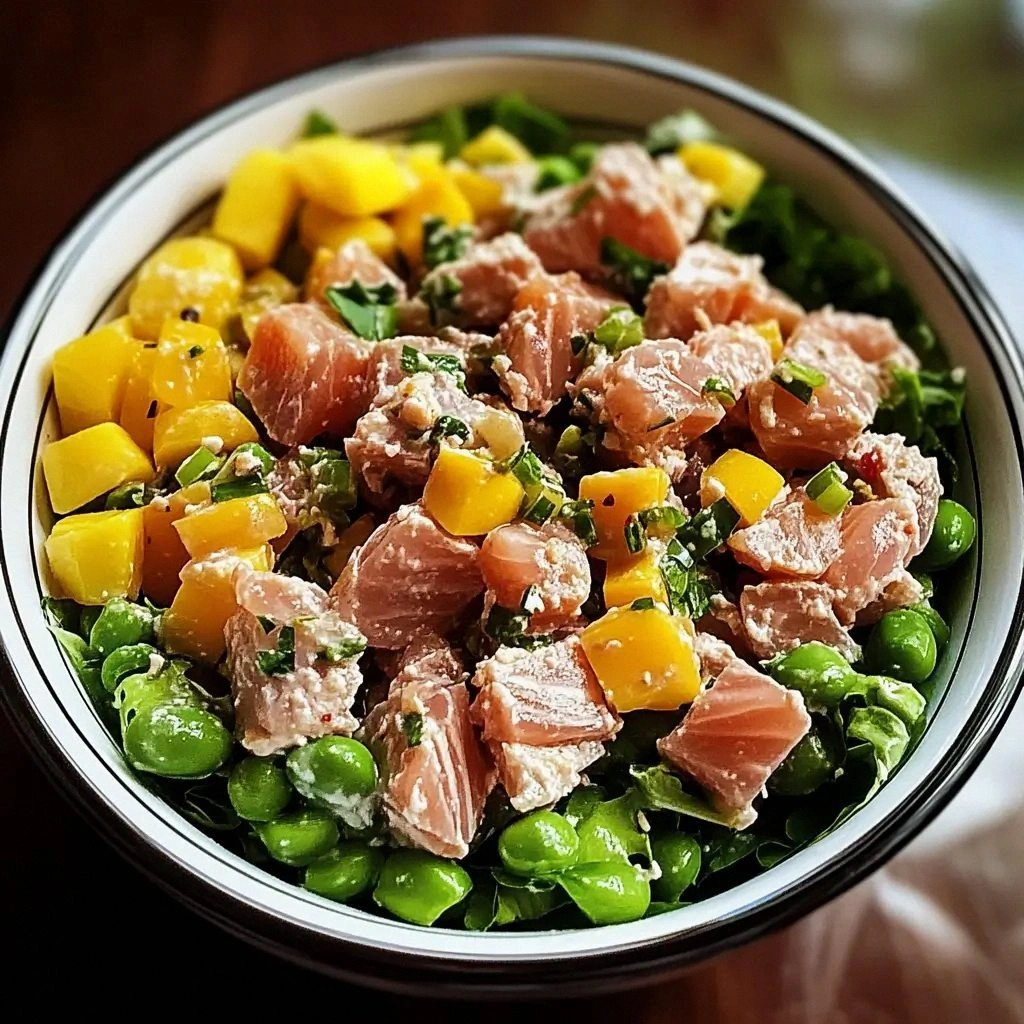
- Serve and enjoy. Spoon the salad onto a bed of fresh greens, spread it on toasted baguette slices, or use it as a filling for a hearty sandwich. Garnish with a few extra herbs and a wedge of lemon for a polished presentation. The dish is now ready to impress.
That’s it — you did it. But hold on, I’ve got a few more tricks that'll take this to another level. These insider tips will help you avoid common pitfalls and elevate the dish to a professional standard.
Insider Tricks for Flawless Results
The Temperature Rule Nobody Follows
Keep the tuna at room temperature before mixing. Cold tuna can make the mixture feel lumpy and prevent the dressing from fully coating the flakes. Let the tuna sit out for about 10 minutes; this simple step ensures a silky texture that feels luxurious on the palate. If you’re short on time, a quick rinse under lukewarm water can help bring it to the right temperature.
Why Your Nose Knows Best
Before you season, sniff the salad. A lack of aroma often indicates a need for more acidity or herbs. The lemon and dill should be prominent; if they’re faint, add a bit more lemon juice or a pinch of dill. Your nose is a reliable guide for balancing flavors, especially when you’re aiming for that perfect harmony.
The 5-Minute Rest That Changes Everything
After mixing, let the salad sit for 5 minutes before plating. This short pause allows the flavors to mingle and the dressing to thicken slightly, creating a more cohesive bite. Many cooks skip this step, resulting in a salad that feels disjointed. Give it that brief rest, and you’ll notice a noticeable difference in the overall experience.
Avoiding the Avocado Brown
Avocado browning is a common annoyance that can ruin the visual appeal. To prevent this, sprinkle a teaspoon of lemon juice over the diced avocado before mixing. The acid reacts with the surface, keeping it bright green. If you’re adding avocado after the salad has rested, give it a quick squeeze of lemon to refresh it.
Balancing the Sweetness
If you prefer a sweeter profile, add a tablespoon of honey or a dash of maple syrup. The sweetness will contrast nicely with the briny capers and the tangy lemon. Use this trick when serving the salad at a brunch or a sunny afternoon gathering where a touch of sweetness is appreciated.
Garnish Like a Pro
A final sprinkle of fresh herbs, a few caper clusters, or a lemon wedge adds a finishing touch that elevates the dish. The visual appeal is as important as the flavor, especially when you’re hosting friends or family. A well‑garnished plate feels like a culinary masterpiece, making your guests feel like they’re dining at a high‑end restaurant.
Creative Twists and Variations
This recipe is a playground. Here are some of my favorite ways to switch things up:
Mediterranean Breeze
Swap the celery for chopped cucumber and add olives and feta cheese. The salty feta and briny olives bring a Mediterranean vibe. Serve it on a bed of arugula for an extra peppery kick. This version is perfect for a sunny patio lunch.
Spicy Southwest
Add a pinch of cumin, a dash of hot sauce, and diced jalapeño. The heat balances the creamy texture and adds a bold flavor. Serve it on a tortilla for a quick taco filling. Your guests will love the fiery twist.
Asian Fusion
Replace the mayonnaise with a touch of sesame oil and add a splash of soy sauce. Toss in sliced scallions and a sprinkle of toasted sesame seeds. The nutty sesame oil pairs beautifully with the tuna’s mildness. This variation works well as a sushi roll filling.
Garden Fresh
Add diced bell peppers, cherry tomatoes, and a handful of fresh spinach. The vibrant colors and fresh flavors elevate the salad into a garden feast. Serve it as a light lunch or a side dish for grilled meats.
Tropical Twist
Incorporate diced mango and a pinch of coconut flakes. The sweetness of mango pairs wonderfully with the tuna’s umami. A splash of lime juice adds a tropical zing. This version is ideal for a beach picnic or a summer gathering.
Herb Garden
Increase the amount of fresh herbs—dill, parsley, chives, and tarragon. The herbaceous notes create a fragrant, aromatic experience. Add a handful of arugula for a peppery bite. This variation is great for a sophisticated brunch.
Storing and Bringing It Back to Life
Fridge Storage
Store the salad in an airtight container for up to 48 hours in the refrigerator. The flavors will continue to develop, making the dish even more delicious the next day. Keep it away from strong-smelling foods to prevent flavor transfer. Before serving, give it a quick stir to re‑incorporate any settled ingredients.
Freezer Friendly
This salad can be frozen for up to 2 weeks, but the avocado will become mushy. To preserve texture, add the avocado just before serving. Freeze the rest of the mixture in a sealed container and thaw in the refrigerator overnight. This method is perfect for meal prep enthusiasts.
Best Reheating Method
The salad is best served chilled, but if you need to warm it slightly, place it in a shallow pan over low heat and stir gently. Add a splash of water or lemon juice to keep it from drying out. Avoid overheating, as it can break down the avocado and make the texture slimy.