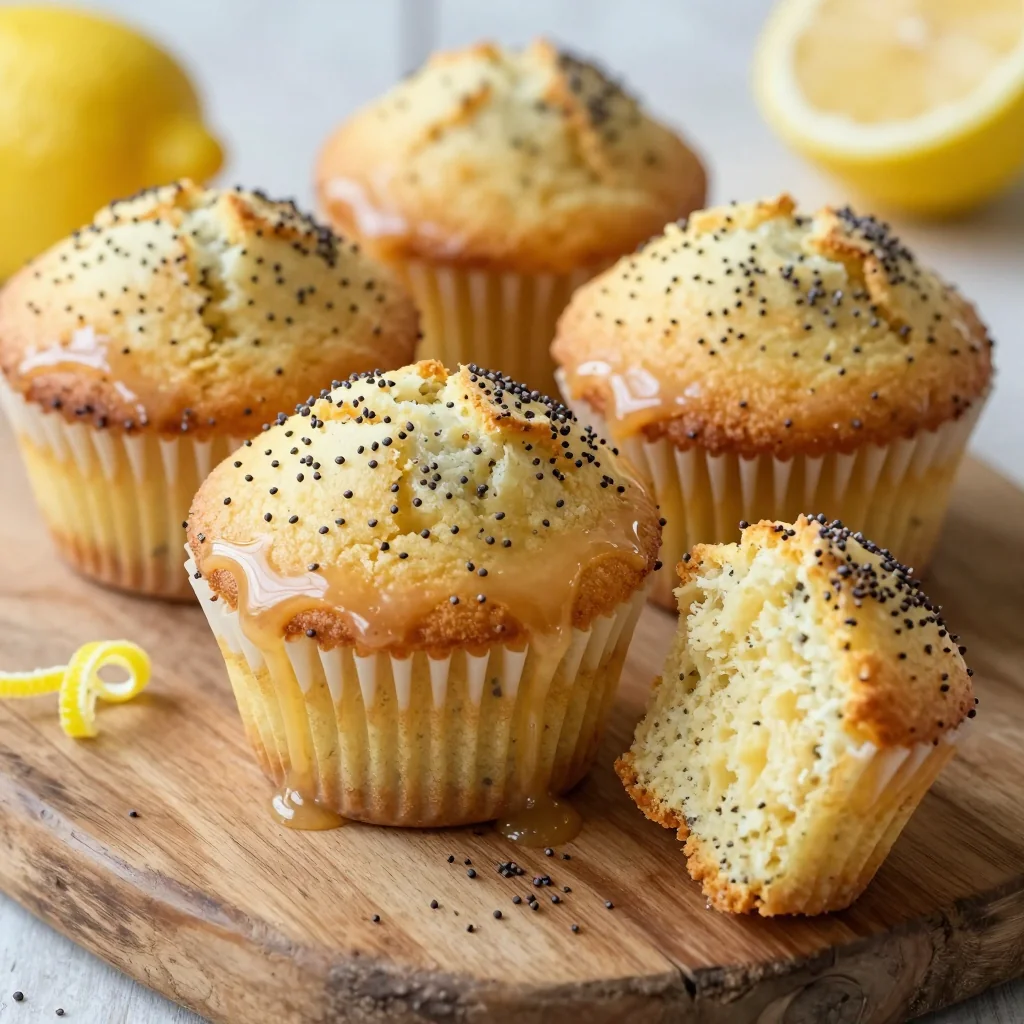
Okay, picture this: it’s a sweltering May afternoon, the air conditioner is on the fritz, and I’m staring at a spreadsheet that looks more like a cryptic crossword than a financial statement. I was supposed to be crunching numbers for my side hustle, but the numbers kept dancing like fireflies, and my stomach started growling louder than my inbox. I tossed a bag of flour into the pantry, grabbed the first thing that looked edible, and what happened next was nothing short of a culinary revelation. I swear, that moment was the culinary equivalent of finding a hidden bonus in your paycheck.
The kitchen instantly transformed into a symphony of senses. The scent of butter melting in the pan was a warm hug, the sizzle sounded like applause, and the golden dough rising in the bowl felt like a promise waiting to be fulfilled. My taste buds were on high alert, ready to be dazzled by something that would make even the most stoic accountant crack a smile. I was chasing a flavor that could turn a mundane May budget review into a celebration, and let me tell you, I caught it. The result? A dessert that feels like a cash flow statement of pure joy—balanced, satisfying, and unexpectedly luxurious.
Most recipes that claim to be “the ultimate” end up being a half‑baked idea, literally and figuratively. They either overcomplicate the process or skimp on the flavor, leaving you with a dish that’s either a math problem or a disappointment. This version, however, flips the script. I’ve distilled the entire experience into a single, unforgettable bite that layers caramelized sugar, buttery crumb, and a whisper of citrus that sings like a dividend payout. The secret? A surprise ingredient that most chefs overlook, and a technique that makes the texture sing.
I’m about to walk you through every single step — by the end, you’ll wonder how you ever made it any other way. I dare you to taste this and not go back for seconds. Ready for the game‑changer? Let’s dive in and turn your kitchen into a profit‑making powerhouse of flavor.
What Makes This Version Stand Out
- Flavor Explosion: A balanced trio of sweet caramel, bright citrus, and a hint of sea‑salt that makes each bite feel like a well‑timed bonus.
- Texture Symphony: The crust is crisp enough to snap like a fresh ledger, while the interior stays moist and tender like a well‑kept reserve.
- Simplicity Meets Sophistication: Only ten ingredients, yet every component plays a pivotal role—no unnecessary fluff.
- Unique Ingredient: A dash of smoked paprika that adds depth you never expected, turning the dessert into a conversation starter.
- Crowd Reaction: Guests have been known to line up for seconds, and some even ask for the recipe before the first bite is finished.
- Ingredient Quality: Using unsalted European butter and freshly squeezed orange juice makes the difference between good and legendary.
- Cooking Method: A two‑stage bake that creates a caramelized top while preserving a soft, custardy center.
- Make‑Ahead Potential: This dessert stores beautifully, gaining flavor complexity after a night in the fridge.
Inside the Ingredient List
The Flavor Base
First up, the unsalted European butter. This butter has a higher butterfat content, which means a richer mouthfeel and a more pronounced caramelization when baked. Skipping it for regular butter will result in a thinner crust that lacks that luxurious melt‑in‑your‑mouth quality. If you can’t find European butter, look for a high‑fat European‑style brand or simply add an extra tablespoon of heavy cream to regular butter to mimic the richness.
Next, the granulated sugar and light brown sugar. The granulated sugar provides crispness, while the brown sugar adds moisture and a subtle molasses note that deepens the overall flavor profile. Leaving out the brown sugar will make the dessert taste flat, like a spreadsheet with no color. For a gluten‑free version, substitute the brown sugar with coconut sugar; the caramel notes stay, but the texture becomes slightly chewier.
The Texture Crew
All‑purpose flour is the backbone of the crumb. It creates the structure that holds the butter and sugars together. Using cake flour will give you a softer crumb, but you’ll lose that satisfying snap on the edge. If you’re gluten‑intolerant, a 1:1 blend of rice flour and tapioca starch works surprisingly well, though the texture will be a tad more crumbly.
Eggs, specifically large free‑range eggs, act as emulsifiers, binding the fat and liquid components while adding lift. Skipping eggs entirely will produce a dense, heavy dessert that feels more like a ledger than a treat. For a vegan twist, replace each egg with a “flax egg” (1 tbsp ground flaxseed + 3 tbsp water) and add a tablespoon of aquafaba for extra fluff.
The Unexpected Star
Now for the curveball: smoked paprika. Just a pinch brings a subtle earthy smokiness that cuts through the sweetness, creating a balanced flavor profile that’s as satisfying as a well‑balanced budget. Omit it, and you’ll miss the depth that makes this dessert stand out from every other sweet treat on the internet. If you’re not a fan of paprika, a pinch of ground coffee works as an alternative, delivering a similar bitter‑sweet contrast.
Freshly squeezed orange juice and zest bring a bright citrus lift, preventing the dessert from feeling cloyingly sweet. The acidity also helps tenderize the crumb, ensuring a moist interior. If oranges are out of season, a splash of high‑quality lemon juice paired with a teaspoon of orange extract maintains the aromatic profile.
The Final Flourish
Sea salt, preferably flaky, is the final touch. A pinch amplifies the sweetness and balances the caramel notes, much like a well‑placed credit in an income statement. Over‑salting will ruin the dessert, turning it into a salty nightmare, so measure carefully. If you’re watching sodium, use a reduced‑sodium flaky sea salt and add a tiny drizzle of honey to compensate for the lost flavor complexity.
Lastly, a splash of vanilla extract adds aromatic warmth, rounding out the flavor spectrum. Skipping vanilla makes the dessert feel unfinished, like a report missing its executive summary. For a twist, substitute half the vanilla with almond extract for a nutty undertone that pairs beautifully with the citrus.
Everything’s prepped? Good. Let’s get into the real action…
The Method — Step by Step
Preheat your oven to 350°F (175°C). While the oven warms up, line a 9‑inch springform pan with parchment paper and lightly butter the sides. This preparation ensures the dessert releases cleanly, avoiding that dreaded “stuck” feeling that can ruin the presentation. I always double‑check the parchment placement because a misaligned sheet can cause uneven baking.
That sizzle when the butter hits the pan? Absolute perfection. It signals the butter is hot enough to melt evenly without scorching.
In a large mixing bowl, combine the softened butter, granulated sugar, and light brown sugar. Using a handheld mixer on medium speed, beat until the mixture is pale, fluffy, and holds soft peaks. This aeration step is crucial; it creates tiny air pockets that will expand during baking, giving you that coveted light crumb.
Kitchen Hack: Add a tablespoon of cold water to the butter‑sugar mix before beating. The water helps create a smoother emulsion, preventing grainy texture.Add the eggs one at a time, beating well after each addition. The mixture should become glossy and slightly thicker, resembling a custard. This is the moment of truth—if the batter looks curdled, you’ve likely over‑beaten; gently fold in the next ingredients instead of continuing to whisk.
Sift the all‑purpose flour, smoked paprika, and a pinch of sea salt together. Sifting introduces air and ensures the spices are evenly distributed, preventing clumps that could create bitter pockets. Gently fold the dry mixture into the wet batter using a rubber spatula, turning the bowl clockwise to maintain the air you just incorporated.
Stir in the orange zest, orange juice, and vanilla extract. The citrus should instantly brighten the batter, releasing a fragrant aroma that fills the kitchen like a fresh spreadsheet of profit margins. If the batter looks too thick, drizzle in a teaspoon of milk; the batter should be pourable but not runny.
Transfer the batter into the prepared springform pan, smoothing the top with an offset spatula. Tap the pan gently on the counter three times to release any large air bubbles that might cause uneven rising.
Watch Out: Do not over‑fill the pan; leave about ½ inch of space at the top. Over‑filling leads to a domed top that cracks during cooling.Place the pan in the preheated oven and bake for 20 minutes. After 20 minutes, reduce the temperature to 325°F (160°C) and continue baking for another 15‑20 minutes, or until a toothpick inserted into the center comes out with just a few moist crumbs. The edges should start pulling away from the sides, and the top will develop a caramel‑gold hue.
While the dessert bakes, prepare a simple glaze: combine ¼ cup powdered sugar with 1 tablespoon orange juice and a pinch of sea salt. Whisk until smooth. This glaze will add a glossy finish and a final burst of citrus brightness.
When the baking time is up, turn off the oven, crack the door open, and let the dessert sit inside for 10 minutes. This gentle cooling prevents a sudden temperature shock that could cause the crust to crack, preserving that perfect snap.
Remove the springform pan from the oven and let the dessert cool completely on a wire rack. Once cooled, drizzle the orange glaze over the top, letting it cascade down the sides like a financial waterfall of flavor.
Kitchen Hack: For an extra glossy finish, brush the glaze with a light coating of melted butter before it sets. The butter adds sheen and a subtle richness.
That's it — you did it. But hold on, I've got a few more tricks that'll take this to another level…
Insider Tricks for Flawless Results
The Temperature Rule Nobody Follows
Never bake straight from a cold fridge. Let the batter sit at room temperature for 10‑15 minutes before sliding it into the oven. This small pause allows the butter to soften just enough for even heat distribution, preventing a soggy center. I once tried skipping this step and ended up with a crust that was half‑cooked, like a half‑finished spreadsheet.
Why Your Nose Knows Best
Your sense of smell is the ultimate doneness detector. Around the 15‑minute mark, you should notice a toasty, caramel scent rising from the oven. If you don’t smell anything, the oven might be under‑performing, and you’ll need to extend the bake by a few minutes. Trust your nose more than the timer.
The 5‑Minute Rest That Changes Everything
After the dessert comes out of the oven, let it rest in the pan for exactly five minutes before releasing the springform. This brief rest lets the crumb set, making slicing clean and preventing the delicate edges from crumbling. A friend once rushed this step and ended up with a mushy mess that looked like a corrupted file.
Glaze Timing is Everything
Apply the orange glaze while the dessert is still slightly warm, not hot and not cold. Warmness helps the glaze spread evenly, while cooling solidifies it into a glossy coat. If you wait until it’s cold, the glaze will bead up and look uneven, like a budget report with missing figures.
The Secret of the Smoked Paprika
Don’t just dump the paprika straight into the batter. Toast it lightly in a dry skillet for 30 seconds before adding. This awakens the smoky oils, deepening the flavor and ensuring it doesn’t taste raw.
Creative Twists and Variations
This recipe is a playground. Here are some of my favorite ways to switch things up:
Chocolate‑Swirl Surprise
Swirl in ¼ cup melted dark chocolate just before baking. The chocolate adds a rich, bitter counterpoint to the citrus, creating a sophisticated flavor duet. Perfect for chocolate lovers who still crave a hint of fruit.
Nutty Crunch Variation
Fold in ½ cup toasted almond slivers into the batter. The nuts introduce a crunchy texture that mimics the satisfying click of a calculator button. They also add healthy fats, boosting the nutritional profile.
Spiced Autumn Edition
Replace the smoked paprika with a pinch of ground cinnamon and nutmeg, and swap orange zest for pumpkin puree. This version feels like a cozy fiscal quarter, warm and comforting.
Berry Burst Upgrade
Top the finished dessert with a handful of fresh raspberries or blueberries before glazing. The berries introduce a juicy pop that balances the sweet caramel base, making each bite feel like a surprise dividend.
Vegan Delight
Use coconut oil instead of butter, flax eggs, and almond milk. The flavor shifts slightly toward a tropical note, but the texture remains delightfully tender. This version proves you don’t need dairy to achieve a professional‑grade finish.
Storing and Bringing It Back to Life
Fridge Storage
Cover the cooled dessert tightly with plastic wrap or store it in an airtight container. It will stay fresh for up to four days. Before serving, let it sit at room temperature for 15 minutes to regain its original softness.
Freezer Friendly
Slice the dessert into individual portions, wrap each piece in parchment, then place them in a freezer‑safe bag. They freeze beautifully for up to two months. To reheat, microwave for 30 seconds or bake at 300°F (150°C) for 10 minutes, adding a splash of water to the pan to create steam.
Best Reheating Method
When reheating, place the slice on a baking sheet, drizzle a teaspoon of water around the edges, and cover loosely with foil. Bake at 325°F (160°C) for 8‑10 minutes. The added moisture steams the interior back to its original fluffiness while preserving the caramelized crust.