I was standing in my kitchen, staring at a half‑baked pot of chicken sausage, honey, and a handful of vegetables that had somehow lost their charm. The smell of garlic had turned into a faint, almost sad note that didn’t even reach the back of my nose. My friend had dared me to make something that would make everyone in the house beg for seconds, and I was determined to accept that challenge. I pulled out my trusty skillet, grabbed a handful of baby potatoes, and decided to turn this bland pot into a culinary masterpiece.
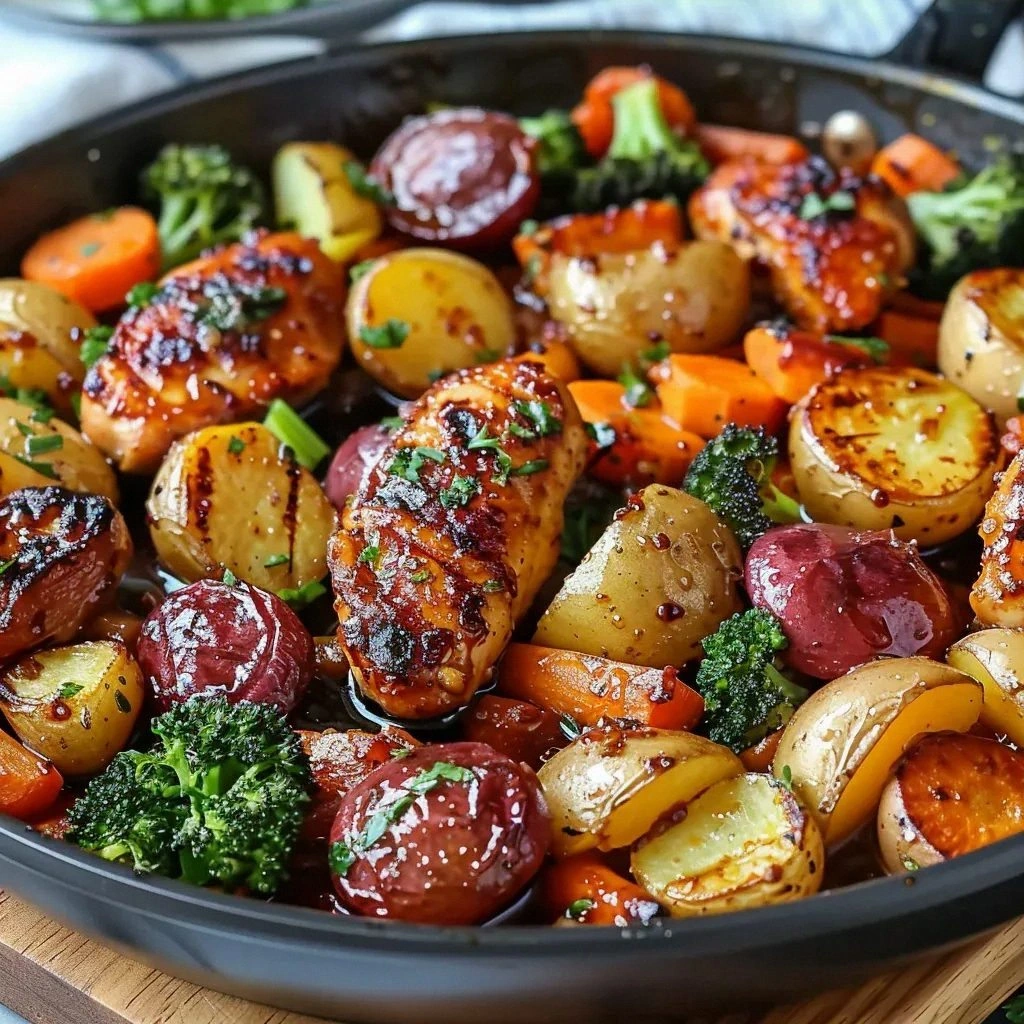
Picture the first bite: the honey caramelizes into a glossy glaze that coats every morsel like velvet, the soy sauce adds a salty umami punch, and the roasted bell peppers deliver a sweet pop that dances on the tongue. The texture is a symphony of crunchy baby carrots, tender potatoes, and juicy sausage that melts in your mouth. The aroma is so intoxicating that the whole kitchen feels like a small, cozy restaurant, and I swear the sizzle when the vegetables hit the pan is absolute perfection.
Why does this version stand out? Because it takes the classic “kielbasa bake” and injects it with a bold, unexpected twist. I replaced traditional kielbasa with chicken sausage for a leaner, lighter profile that still delivers that smoky depth. The honey‑soy glaze is a game‑changer that turns every bite into a sweet‑savory revelation. The mix of red and yellow bell peppers adds not only color but a burst of fresh flavor that keeps the dish from feeling heavy.
I dare you to taste this and not go back for seconds. Most recipes get this completely wrong by over‑cooking the veggies or under‑seasoning the sausage. The secret is in the balance: sweet, salty, and a hint of herbaceous freshness that lingers on the palate. If you’ve ever struggled with a one‑pot wonder that feels flat, you’re not alone — and I’ve got the fix. Let me walk you through every single step — by the end, you’ll wonder how you ever made it any other way.
What Makes This Version Stand Out
- Flavor: The honey‑soy glaze creates a caramelized coating that turns every bite into a sweet‑savory revelation.
- Texture: The potatoes stay fluffy inside while the carrots remain crisp, giving a satisfying contrast that feels like a party in your mouth.
- Visual Appeal: The rainbow of red and yellow peppers against golden potatoes makes the dish look as good as it tastes.
- Ease: One skillet, one pot, and minimal cleanup—perfect for those nights when you want a gourmet meal without the fuss.
- Versatility: Swap chicken sausage for kielbasa, pork, or even tofu and the dish remains a crowd‑pleaser.
- Health‑Friendly: Using lean chicken sausage and plenty of vegetables keeps the calorie count low without sacrificing flavor.
- Make‑Ahead Potential: Cook it ahead and reheat for a quick dinner—no flavor loss, just convenience.
- Kid‑Friendly: The sweet glaze and mild seasoning make it a hit with the little ones who usually dodge the veggies.
Inside the Ingredient List
The Flavor Base
Honey and soy sauce form the sweet‑savory backbone that caramelizes over the sausage. The honey’s natural sugars create a glossy glaze that locks in moisture, while soy sauce adds depth and a subtle umami kick. Skipping either will leave the dish feeling flat and one‑dimensional.
The Texture Crew
Baby potatoes bring a creamy interior that pairs perfectly with the crisp edges of the roasted bell peppers and baby carrots. The potatoes absorb the glaze, creating a tender bite that feels like a warm hug. If you prefer a softer texture, reduce the roasting time by a few minutes.
The Unexpected Star
Fresh parsley or green onions add a bright, herbal finish that cuts through the richness of the glaze. Their subtle bite lifts the dish, preventing it from feeling heavy. If you’re allergic to parsley, a splash of fresh cilantro works as an excellent alternative.
The Final Flourish
Olive oil is the medium that brings everything together, ensuring the vegetables roast evenly and the glaze coats each piece. A high‑smoke‑point oil like avocado or grapeseed can be used if you want a lighter finish. Don’t skip the oil—without it the dish will feel dry.
Everything's prepped? Good. Let's get into the real action.
The Method — Step by Step
- Heat a large cast‑iron skillet over medium heat and drizzle in 2 tablespoons of olive oil. Let the oil shimmer until it starts to lightly smoke—this indicates the pan is hot enough to sear the sausage. Add the sliced chicken sausage, laying the pieces flat to maximize contact with the surface. This is the moment of truth; the sausage should sizzle loudly and develop a golden crust within a minute.
- While the sausage browns, toss the baby potatoes in a bowl with 1 tablespoon of olive oil, 1 teaspoon of salt, and a pinch of black pepper. Spread them in a single layer on a parchment‑lined baking sheet. Roast in a preheated oven at 400°F (200°C) for 25 minutes, flipping halfway through, until edges are crisp and interiors are fork‑tender.
- In the same skillet, add the diced bell peppers and baby carrots. Sauté for 5 minutes until they start to soften but still retain a slight crunch. The colors should pop, turning a vivid orange and crimson against the golden sausage.
- Pour 2 tablespoons of soy sauce and 2 tablespoons of honey over the vegetables, stirring to coat evenly. The sauce should thicken into a glossy glaze within 2 minutes, coating each piece like a velvet mantle. This caramelization is what gives the dish its signature sweet‑savory depth.
- Add minced garlic (3 cloves) to the skillet, cooking for just 30 seconds until fragrant. Garlic can burn quickly, so keep the heat moderate and stir constantly. The aroma should fill your kitchen and hint at the dish’s savory backbone.
- Return the browned sausage to the skillet, nestling it among the glazed vegetables. Stir gently to combine, ensuring each sausage slice is bathed in the honey‑soy sauce. This step allows the flavors to mingle and the sausage to absorb the glaze.
- Reduce the heat to low and cover the skillet with a lid. Let the mixture simmer for 10 minutes, allowing the sauce to thicken and the flavors to meld. The lid traps steam, creating a gentle, even heat that prevents the glaze from burning.
- Watch Out: When you uncover the skillet, the glaze may bubble up vigorously. Keep a lid nearby to quickly re‑cover and prevent a sticky mess. This step is crucial for maintaining the dish’s glossy finish.
- Remove the roasted potatoes from the oven and transfer them to the skillet. Toss everything together until the potatoes are evenly coated with the sauce. The potatoes should feel warm to the touch, and the glaze should cling to each bite.
- Finish the dish by sprinkling 2 tablespoons of fresh parsley or green onions over the top. This bright, herbal note lifts the richness and adds a pop of color. Serve hot, straight from the skillet, and watch the steam swirl around the plate like a fragrant cloud.
- Serve immediately with a side of crusty bread or a simple green salad to balance the sweetness. The dish is so comforting that it can be enjoyed on its own as a hearty dinner or shared as an impressive appetizer at gatherings.
That's it — you did it. But hold on, I've got a few more tricks that'll take this to another level.
Insider Tricks for Flawless Results
The Temperature Rule Nobody Follows
Cooking the sausage at too high a heat can cause it to dry out. Aim for medium heat so the sausage develops a crust without losing moisture. I’ve found that a quick sear followed by a low‑heat simmer keeps the sausage juicy.
Why Your Nose Knows Best
The moment the honey starts to caramelize, your nose will tell you it’s ready. The aroma will shift from sweet to slightly smoky, indicating the perfect glaze thickness. Trust that scent; it’s the quickest way to avoid over‑cooking.
The 5‑Minute Rest That Changes Everything
After removing the dish from the heat, let it rest for 5 minutes before serving. This allows the juices to redistribute, ensuring each bite is moist and flavorful. A common mistake is cutting into the dish immediately, which can cause the sauce to run.
The Secret to Crispy Potatoes
Sprinkle a teaspoon of baking soda over the potatoes before roasting. The soda raises the pH, helping the skins crisp up while the interior stays fluffy. I’ve used this trick for years to get that perfect potato texture.
The Garlic‑Infused Oil Trick
If you’re short on time, infuse the olive oil with minced garlic before heating. Heat the oil for a minute, then remove from heat and let it sit for 5 minutes. This releases a mellow garlic flavor without the risk of burning.
The Herb Swap
Swap parsley for fresh basil or tarragon for a different aromatic profile. Basil adds a sweet, slightly peppery taste, while tarragon introduces a subtle anise note. Experimenting with herbs keeps the dish fresh and exciting.
The Quick Finish
If you’re in a rush, finish the dish on the stovetop instead of the oven. After roasting the potatoes, simply combine all ingredients in the skillet and let them simmer for 10 minutes. This shortcut preserves the flavor while saving time.
The Heat‑Control Hack
Use a heat‑resistant silicone mat between the skillet and the stove to prevent hot spots. This ensures even cooking and reduces the chance of scorching the glaze. It’s a small addition that makes a big difference.
Creative Twists and Variations
This recipe is a playground. Here are some of my favorite ways to switch things up:
Kielbasa Kick
Swap the chicken sausage for sliced kielbasa for a richer, smoky flavor. The kielbasa’s higher fat content adds a luscious mouthfeel. Pair it with a splash of beer in the glaze for a deeper umami note.
Spicy Sriracha Twist
Add 1 tablespoon of sriracha to the glaze for a fiery kick. The heat balances the sweetness of honey, creating a complex flavor profile. Serve with a cool yogurt dip to tame the spice.
Mediterranean Medley
Replace the bell peppers with sun‑dried tomatoes and add a handful of kalamata olives. Drizzle with extra virgin olive oil and sprinkle oregano for a Mediterranean vibe. The olives bring briny depth that contrasts the sweet glaze.
Herb‑Infused Delight
Add a handful of fresh thyme or rosemary to the skillet during the last 5 minutes of cooking. The herbs infuse the glaze with aromatic complexity. A final squeeze of lemon juice brightens the dish.
Vegetarian Version
Use plant‑based sausage or marinated tofu instead of chicken sausage. The tofu will absorb the glaze beautifully, while the tofu’s neutral flavor lets the sauce shine. Add a splash of tamari for extra depth.
Gluten‑Free Take
Ensure the soy sauce is gluten‑free and use a gluten‑free bread or a side of quinoa to keep the dish safe for gluten‑sensitive diners. The rest of the recipe remains unchanged, preserving the sweet‑savory harmony.
Breakfast Bonanza
Serve the dish over a bed of scrambled eggs or a hearty breakfast hash. The sweet glaze pairs surprisingly well with the savory eggs, creating a breakfast that feels like a late‑night snack.
Holiday Holiday
Add a handful of dried cranberries or pomegranate seeds for a festive touch. The tartness of the cranberries cuts through the sweetness, adding a seasonal flair perfect for holiday gatherings.
Storing and Bringing It Back to Life
Fridge Storage
Cool the dish completely before covering it tightly with plastic wrap or a lid. Store in the refrigerator for up to 4 days. The glaze may thicken slightly, but a quick stir will restore its shine.
Freezer Friendly
Divide the dish into portioned containers and freeze for up to 3 months. Thaw overnight in the refrigerator before reheating. This method preserves the texture of the potatoes and the glaze’s caramelized finish.
Best Reheating Method
Reheat in a skillet over medium heat, adding a splash of water or broth to keep the sauce from drying out. The water will steam the dish back to its original moisture level, ensuring every bite is as delightful as the first.