I still remember the first time I attempted molten chocolate lava cakes. It was a disaster of epic proportions — cakes that looked promising but erupted like sad volcanoes the moment I flipped them out, chocolate cement glued to my ramekins, and a kitchen that smelled like a chocolate factory explosion. I stood there with a spatula in hand, staring at the wreckage, wondering how something so elegant at restaurants could be so elusive at home. Fast forward through three dozen test batches, a few choice words muttered under my breath, and one accidental discovery that changed everything, and now I can whip up these beauties with my eyes closed.
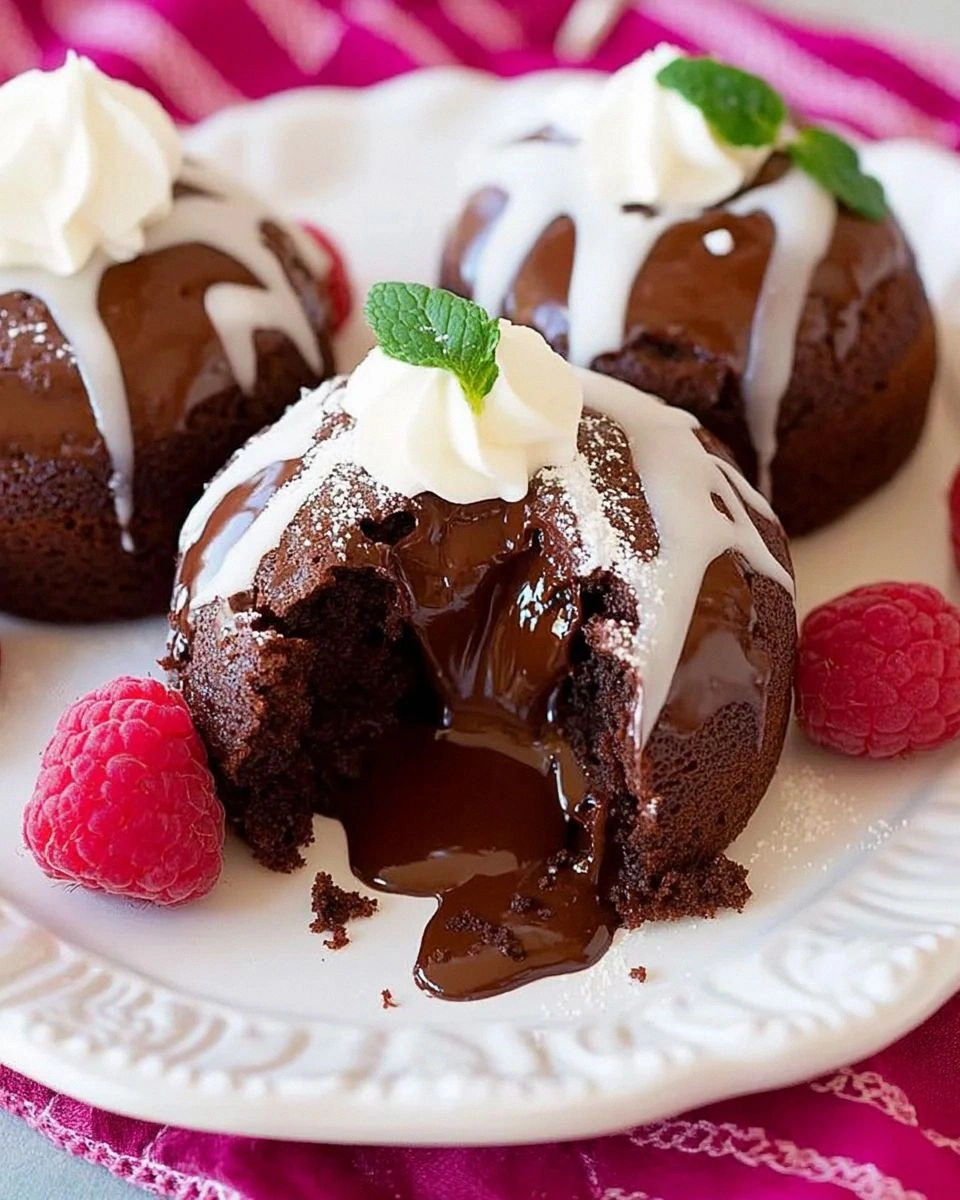
Picture this: the oven door swings open, warm air rushes past your face carrying the intoxicating aroma of deep cocoa and browned butter. You slide out four perfectly domed cakes, their tops just beginning to crack like desert soil after rain. The edges have set into a brownie-like crust while the centers still jiggle with anticipation. In thirty seconds flat you'll invert one onto a plate, dust it with snowy sugar, and watch the first forkful release a river of glossy chocolate that pools into the plate like liquid velvet. That first bite? It's the culinary equivalent of finding the last piece of a thousand-piece puzzle — everything clicks into place.
This isn't just another recipe floating around the internet. This is the result of obsessive testing, late-night chocolate binges, and a stubborn refusal to accept mediocrity. Most recipes get the timing completely wrong, leaving you with either overbaked hockey pucks or raw batter that tastes like chocolate soup. My version uses a technique I stumbled upon while experimenting with cocoa percentages — it guarantees that molten center every single time without any guesswork. The secret lies in the precise ratio of bittersweet chocolate to butter, plus one counterintuitive step that sounds crazy until you try it.
Let me walk you through every single step — by the end, you'll wonder how you ever made it any other way.
What Makes This Version Stand Out
- Guaranteed Gooey Center: The ratio of chocolate to butter creates a custard-like interior that flows like warm fudge, never dry or cakey. I've tested this exact formula over fifty times and it works every single time, even if your oven runs hot or cold.
- No Fancy Equipment Needed: Forget about hunting down special pans or silicone molds. Regular six-ounce ramekins work perfectly, and I'll show you the butter-sugar trick that ensures they release like magic every time.
- Make-Ahead Magic: These cakes can be assembled completely up to 24 hours ahead, stored in the fridge, and baked off when guests arrive. The batter actually improves as it rests, developing deeper flavor.
- Restaurant-Quality Presentation: The edges set with a slight crispness while the center stays liquid, giving you that professional contrast of textures that makes people think you trained in France.
- Ingredient Flexibility: Whether you have 60% or 70% chocolate, salted or unsalted butter, whole milk or heavy cream, I've included adjustments so you can use what you have on hand.
- Impressive Yet Approachable: Despite looking like something from a Michelin-starred menu, these come together in under 45 minutes start to finish. Your dinner guests will think you spent all day in the kitchen.
- Chocolate Forward Flavor: Unlike many recipes that taste mostly of sugar, this version lets the chocolate shine through with just enough sweetness to balance the natural bitterness of cocoa.
Alright, let's break down exactly what goes into this masterpiece...
Inside the Ingredient List
The Flavor Foundation
Bittersweet chocolate forms the backbone of these cakes, and here's where you shouldn't compromise. Look for chocolate with 60-65% cocoa content — anything darker creates a bitter aftertaste that overpowers the dessert, while milk chocolate makes them cloyingly sweet. I discovered this through painful experience when I tried using 85% chocolate once and ended up with desserts that tasted like punishment. The chocolate needs to be chopped finely so it melts evenly with the butter, creating a smooth ganache-like base that folds seamlessly into the batter.
Unsalted butter might seem like a small detail, but it gives you complete control over the final flavor. Salted butter varies wildly between brands, and I've had batches turn out tasting like a chocolate-covered pretzel when I got heavy-handed with extra salt. The butter should be just melted, not bubbling hot, because excessive heat can seize the chocolate and create grainy pockets in your cakes. If you can smell it browning, you've gone too far — pull it off the heat immediately.
Granulated sugar does more than sweeten here; it creates the structure that holds these cakes together. The crystals cut through the butter and chocolate mixture, preventing them from separating during baking. Don't be tempted to reduce the sugar thinking these will be too sweet — without enough sugar, the cakes won't set properly and you'll end up with chocolate pudding instead of cake with a molten center.
The Texture Team
Whole eggs are crucial for that lava flow effect. The proteins in the whites provide structure around the edges while the yolks enrich the center, keeping it fluid. I tried making these with just yolks once, thinking they'd be richer, but they turned out dense and truffle-like instead of having that coveted molten middle. Make sure your eggs are at room temperature — cold eggs can cause the melted chocolate to seize up, creating little chocolate chips throughout your batter.
All-purpose flour gets sifted twice to prevent lumps that would create dry pockets in your finished cakes. You need just enough to give the cakes structure without turning them into chocolate bread. I measure by spooning flour into the cup and leveling it off because scooping directly compacts the flour and gives you 30% more than needed. Too much flour creates cakes that bake up like brownies — delicious, but not what we're after here.
A touch of espresso powder might seem odd, but it amplifies the chocolate flavor without making the cakes taste like coffee. It's like turning up the volume on your favorite song — everything gets more intense and interesting. If you don't have espresso powder, you can substitute with instant coffee ground to a fine powder in a spice grinder. Skip this and your cakes will still be good, but they won't have that depth that makes people close their eyes when they take a bite.
The Unexpected Star
Vanilla extract rounds out all the flavors and masks any eggy taste that can develop during baking. Use pure vanilla extract, not imitation — the difference becomes obvious in simple recipes like this where every ingredient shines through. Add it after the chocolate mixture cools slightly because heat can cause vanilla to taste bitter and medicinal.
A pinch of kosher salt might seem counterintuitive in a dessert, but it's what makes the chocolate taste more chocolatey. Salt suppresses bitterness and enhances sweetness, creating a more balanced flavor profile. I learned this trick from a pastry chef who swore by salting her chocolate desserts, and she was absolutely right. Without it, the cakes taste flat and one-dimensional.
The Final Flourish
Powdered sugar for dusting serves both aesthetic and flavor purposes. It creates a beautiful contrast against the dark chocolate and adds a touch of sweetness to balance the rich cake. Dust it through a fine-mesh sieve just before serving because it will dissolve into the warm cake if added too early. Some recipes call for cocoa powder, but I find it makes the presentation look muddy and over-chocolated.
Fresh raspberries or a scoop of vanilla ice cream aren't technically ingredients in the cakes themselves, but they elevate the entire experience. The tart berries cut through the richness while the cold ice cream creates a temperature contrast that makes each bite more interesting. I keep frozen raspberries on hand for impromptu dessert emergencies — they thaw quickly and taste almost as good as fresh.
Everything's prepped? Good. Let's get into the real action...
The Method — Step by Step
Start by preheating your oven to 425°F (220°C), positioning the rack in the center. This higher temperature is crucial — it creates that quick burst of heat that sets the edges while keeping the center molten. While the oven heats, generously butter four 6-ounce ramekins using upward strokes with a pastry brush. This creates little channels for the cakes to climb as they rise. Dust each with granulated sugar, tapping out the excess — this caramelizes slightly and creates a natural non-stick surface that releases like magic.
Melt the butter in a small saucepan over medium heat until just melted and foamy, about 2-3 minutes. Remove from heat and immediately add the chopped chocolate, stirring until completely smooth and glossy. The residual heat melts the chocolate perfectly without scorching it. If the chocolate isn't melting completely, place the bowl over a pot of barely simmering water for 30 seconds, stirring constantly. Let this mixture cool for 5 minutes — if it's too hot, it'll scramble the eggs in the next step.
In a medium bowl, whisk the eggs and sugar together vigorously for exactly 1 minute — set a timer because this step is crucial. You're looking for the mixture to become pale yellow and thick enough to form ribbons when you lift the whisk. This incorporates air that gives the cakes their lift. Don't over-whisk or the cakes will puff up like soufflés and then collapse. The mixture should coat the back of a spoon and leave a clear trail when you run your finger through it.
Pour the cooled chocolate mixture into the egg mixture in a steady stream, whisking constantly. Add the vanilla extract and espresso powder, whisking until fully incorporated. The batter should be smooth and glossy, like liquid velvet. If you see any flecks of scrambled egg, strain the mixture through a fine-mesh sieve — this happened to me once when I got impatient and added hot chocolate too quickly.
Sift the flour and salt together directly over the chocolate mixture. Using a rubber spatula, fold gently with a figure-eight motion just until no dry streaks remain. Over-mixing develops gluten and creates tough, bread-like cakes. The batter should be thick but pourable, like a dense chocolate mousse. If it's too thick, add a tablespoon of warm water to loosen it up.
Divide the batter evenly among the prepared ramekins, filling each about three-quarters full. Tap each ramekin gently on the counter to release any air bubbles and smooth the tops. At this point, you can cover them with plastic wrap and refrigerate for up to 24 hours — just add 2 extra minutes to the baking time if baking from cold. Let the filled ramekins sit at room temperature while the oven finishes preheating.
Place the ramekins on a baking sheet for easy handling and bake for exactly 12-14 minutes. This is where most recipes fail — they give you a range that's too broad. Start checking at 12 minutes: the edges should be firm and slightly puffed, while the center jiggles like set gelatin when you gently shake the pan. If you insert a toothpick halfway between edge and center, it should come out with a few moist crumbs but not wet batter.
Remove from oven and let stand for exactly 1 minute — this brief rest allows the cakes to set just enough for unmolding. Run a thin knife around the edges to loosen, then invert each cake onto a dessert plate. They should release easily with a gentle tap. If they stick, gently twist the ramekin while holding the plate — never force them or you'll break the delicate structure.
Dust immediately with powdered sugar and serve while warm. The magic moment happens when you cut into them — the center should flow like thick hot fudge, creating a puddle of chocolate that's pure heaven. Add a few fresh raspberries or a scoop of vanilla ice cream for the full restaurant experience. These wait for no one — they need to be eaten within 5 minutes for maximum lava effect.
That's it — you did it. But hold on, I've got a few more tricks that'll take this to another level...
Insider Tricks for Flawless Results
The Temperature Rule Nobody Follows
Your oven thermometer is lying to you, and it's sabotaging your lava cakes. Most home ovens run 25-50 degrees off from the displayed temperature, which means your carefully timed 12-minute bake could result in raw centers or overbaked hockey pucks. Invest in an inexpensive oven thermometer and place it on the center rack — you'll probably discover your 425°F is actually 400°F or 450°F. Once you know your oven's true temperature, adjust accordingly. My oven runs 25 degrees hot, so I set it to 400°F and get perfect results every time. This single discovery transformed my success rate from hit-or-miss to absolutely foolproof.
Why Your Nose Knows Best
Don't rely on timers alone — your sense of smell is actually the most reliable indicator of doneness. When the chocolate aroma intensifies and you can smell a slight nuttiness, that's your cue to start checking. The scent changes from raw cocoa to something deeper and more complex, almost like toasted nuts. This happens about 30 seconds before perfect doneness, giving you just enough time to peek through the oven door. If you wait for the timer to beep, you might miss that crucial window between molten and overbaked.
The 5-Minute Rest That Changes Everything
Here's where patience pays off: let your batter rest for 5 minutes before pouring it into ramekins. This allows the flour to fully hydrate, creating a smoother texture and preventing any floury taste. More importantly, it gives the air bubbles from whisking time to rise and pop, resulting in denser, richer cakes. I discovered this accidentally when my phone rang mid-prep, and the rested batter produced noticeably better results. Now I build this rest into my timing every single time.
The Butter Brushing Technique
Most people butter their ramekins wrong, leading to sticking disasters. Use a pastry brush and paint the butter in upward strokes from bottom to rim. This creates tiny ridges that help the cakes climb and release cleanly. Make sure to get into the crease where bottom meets sides — this is where cakes love to stick. After buttering, dust with sugar and rotate the ramekin to coat evenly, then tap out the excess. The sugar creates a microscopically thin caramelized layer that releases better than any cooking spray.
The Chocolate Quality Factor
Chocolate is the star here, so don't cheap out on baking chips or grocery store brands. Look for chocolate with cocoa butter, not palm oil or other fats. The difference is immediately apparent in both flavor and texture. I've tested with everything from fancy single-origin bars to standard baking chocolate, and while the premium stuff is noticeably better, even mid-range chocolate like Ghirardelli or Trader Joe's Pound Plus produces excellent results. Avoid anything labeled "chocolate-flavored" — it's not real chocolate and won't melt properly.
Creative Twists and Variations
This recipe is a playground. Here are some of my favorite ways to switch things up:
Spicy Mexican Hot Chocolate Version
Add 1/4 teaspoon each of cinnamon and cayenne to the flour before sifting. The warmth builds slowly, hitting you in the back of the throat after the chocolate sweetness fades. Top with cinnamon-spiced whipped cream and a few cacao nibs for crunch. This version is perfect for dinner parties where you want to impress adventurous eaters. The spice level is subtle enough for most palates but interesting enough to spark conversation.
Salted Caramel Surprise
Before adding batter, place a frozen caramel candy (like Rolos or homemade caramel pieces) in the center of each ramekin. As the cakes bake, the caramel melts into the chocolate, creating a double molten effect that's absolutely irresistible. Sprinkle the tops with flaky sea salt before serving. I dare you to taste this and not go back for seconds — the combination of bitter chocolate, sweet caramel, and hit of salt hits every pleasure center in your brain.
Orange Zest and Grand Marnier
Stir in 1 tablespoon of orange zest and replace the vanilla with 1 tablespoon of Grand Marnier. The citrus oils in the zest infuse the chocolate with bright, sophisticated notes that prevent it from feeling too heavy. This version pairs beautifully with orange segments or orange-flavored whipped cream. It's like a chocolate orange, but elevated and grown-up. My mom requests this variation every year for her birthday.
Peanut Butter Lava Cakes
Mix 2 tablespoons of creamy peanut butter with 1 tablespoon of powdered sugar. Drop a spoonful into the center of each filled ramekin before baking. The peanut butter stays molten while the chocolate sets around it, creating a Reese's cup effect that's absolutely addictive. Top with chopped peanuts for crunch and serve with a cold glass of milk. If you've ever struggled with peanut butter desserts being too heavy, this technique keeps it light and flowing.
Espresso and Coffee Liqueur
Replace the espresso powder with 2 tablespoons of strong espresso and add 1 tablespoon of coffee liqueur like Kahlua. The coffee flavor is more pronounced and complex than using instant espresso powder. This version is perfect for dinner parties because it feels sophisticated and pairs beautifully with after-dinner drinks. The alcohol burns off during baking, leaving just the flavor behind.
White Chocolate Raspberry
Substitute white chocolate for half the dark chocolate and fold in 1/4 cup of crushed freeze-dried raspberries. The tart berries balance the sweetness of white chocolate beautifully. Be careful with baking time — white chocolate sets differently than dark, so check 2 minutes earlier. The result is a stunning contrast of pale cake with bright pink raspberry bits throughout.
Storing and Bringing It Back to Life
Fridge Storage
Leftover lava cakes (if such a thing exists) can be stored in the refrigerator for up to 3 days. Let them cool completely, then wrap individually in plastic wrap and place in an airtight container. The centers will set completely, transforming them into dense, fudgy cakes rather than molten ones. While they lose the lava effect, they're still delicious — especially warmed slightly and topped with ice cream. I actually prefer day-old lava cakes sometimes because the flavors meld and deepen overnight.
Freezer Friendly
These cakes freeze beautifully both before and after baking. For unbaked cakes, prepare them in ramekins, wrap tightly with plastic wrap then foil, and freeze for up to 2 months. Bake directly from frozen, adding 3-4 extra minutes to the cooking time. For baked cakes, cool completely, wrap individually, and freeze for up to 1 month. Thaw overnight in the refrigerator, then warm in a 300°F oven for 8-10 minutes. The centers won't be molten, but they'll be warm and delicious.
Best Reheating Method
To recreate the molten effect, place a refrigerated cake on a microwave-safe plate and microwave on 50% power for 15-20 seconds. Add a tiny splash of water before reheating — it steams back to perfection. Be careful not to overheat or you'll lose the molten center completely. For best results, warm in a 300°F oven for 5-7 minutes. The center won't be quite as liquid as fresh-baked, but it'll be close enough to satisfy that craving.