I still remember the night the kitchen exploded on my first attempt at a Nigerian stew. My friend had bragged about how his grandmother's recipe could turn a simple pot of chicken into a steaming masterpiece, and I thought, “Sure, let’s give it a whirl.” The stove hissed, the onions splashed, and the air filled with the scent of burnt garlic that made me question my life choices. Yet, when I finally tasted the finished dish, the moment I tasted that silky, spiced broth, I knew I’d found a new obsession. That was the birth of Nigerian Chicken Stew That Bea.
Picture this: a pot bubbling on the stove, the golden sizzle of onions caramelizing into a caramelized caramel, the aroma of paprika dancing with thyme, and a faint hint of scotch bonnet pepper that promises heat but never overwhelms. The sound of the pot’s gentle clatter is the soundtrack of comfort, and the feel of the sauce thickening like a velvet curtain in your hands. I’m talking about a dish that not only tastes like home but feels like a warm hug from your grandma’s kitchen, even if you’re miles away.
Why does this version stand out from the countless others you’ll find online? It’s not just the combination of spices or the cooking technique; it’s the balance. The chicken is marinated in a subtle blend of paprika, curry powder, and thyme that coats each piece like a flavor‑rich coat of paint. The tomato base is reduced to a silky consistency that clings to the meat, and the scotch bonnet pepper adds a controlled heat that doesn’t scream, it whispers. The result is a stew that’s rich, comforting, and unforgettable.
And here’s the kicker: I discovered a little trick that elevates the stew to a whole new level—using a bouillon cube to deepen the umami profile without overpowering the natural flavors. Most recipes get this wrong, either by over‑seasoning or under‑seasoning. This trick gives you that “just right” depth that makes the stew feel like it’s been simmering for hours, even when it’s not.
I dare you to taste this and not go back for seconds. That’s the confidence I have in this recipe. It’s hands down the best version you’ll ever make at home. Picture yourself pulling this out of the pot, the kitchen smelling incredible, the steam curling like a fragrant cloud. The first spoonful is a burst of savory, sweet, and spicy notes that dance on your palate. And the best part? You’ll be the hero of the table, the one everyone asks for the recipe.
If you’ve ever struggled with making a stew that feels both hearty and light, you’re not alone. The trick is in the layers of flavor and the timing of each ingredient. I’ve spent hours tweaking this recipe, and the result is a stew that feels like it belongs in a family tradition, not just a quick dinner. Stay with me here—this is worth it.
Now, let’s break down exactly what goes into this masterpiece. From the marinated chicken to the final simmer, every component plays a crucial role in delivering the bold, comforting experience I promise. Ready? Let’s dive into the details that will transform your cooking routine.
What Makes This Version Stand Out
- Flavor Depth: The combination of paprika, curry powder, and thyme creates a complex, layered taste profile that feels both exotic and familiar. The bouillon cube subtly enhances umami without drowning the natural flavors.
- Texture Balance: The chicken remains tender and juicy, while the tomato base thickens into a silky sauce that clings to each piece. The peppers provide a gentle heat that lingers pleasantly.
- Ingredient Quality: Using bone‑in chicken and fresh, ripe tomatoes gives the stew a richer mouthfeel and a brighter, more vibrant color.
- Time Efficiency: The method cuts down on prep time by marinating the chicken in a quick spice mix, allowing you to focus on building the sauce.
- Crowd Appeal: This stew is a hit at family gatherings, with its bold flavors and comforting texture. Even the most skeptical eaters will be hooked.
- Versatility: Serve it over rice, plantains, or even a hearty bread roll. It’s a dish that adapts to whatever you have on hand.
- Make‑Ahead Friendly: The stew tastes even better the next day, making it perfect for meal prep.
- Authenticity: The recipe stays true to Nigerian roots while adding a modern twist with the bouillon cube and the precise spice balance.
Alright, let's break down exactly what goes into this masterpiece...
Inside the Ingredient List
The Flavor Base
The foundation of any great stew starts with a robust flavor base. In this recipe, it’s the combination of onions, tomatoes, and scotch bonnet peppers that create a vibrant, aromatic broth. The onions are chopped finely so they release their sweetness quickly, while the tomatoes are diced to break down into a silky sauce. The peppers add a controlled heat that keeps the dish from becoming overwhelming. Skipping any of these will result in a thinner, less complex sauce. For a milder version, reduce the number of scotch bonnet peppers to one or remove them entirely.
When selecting tomatoes, look for those that are firm and have a deep red color; they will yield a richer broth. Fresh, ripe tomatoes give the stew a bright, natural sweetness that canned tomatoes can’t match. If fresh tomatoes are out of season, choose the freshest canned option available and drain them to avoid excess liquid.
The Texture Crew
Bone‑in chicken thighs or drumsticks are the star of this dish. The bones add depth to the broth, while the meat remains succulent and tender. The choice between thighs and drumsticks depends on your preference for meatiness versus ease of cooking; thighs are slightly fattier and hold up better during long simmering. If you’re looking for a leaner option, use boneless skinless chicken breasts, but be careful not to overcook them.
The vegetable oil is a small but critical component. It helps sear the chicken and creates a slick surface for the spices to adhere to, enhancing the overall flavor. A neutral oil like canola or sunflower works well, but for an extra layer of flavor, use a light olive oil or a splash of palm oil if you can find it.
The Unexpected Star
The bouillon cube may seem like an unassuming addition, but it elevates the stew’s umami profile dramatically. It’s a concentrated source of savory depth that can’t be replicated by just salt and spices alone. However, be cautious: some bouillon cubes can be overly salty, so taste the broth before adding more salt. If you’re sensitive to sodium, consider using a low‑sodium version or reducing the amount of added salt.
The Final Flourish
Tomato paste is the secret to achieving that thick, glossy finish. It’s essentially concentrated tomato, so it adds both sweetness and thickness. The ginger and garlic powders give the stew a subtle warmth that balances the heat from the peppers. The thyme and paprika contribute earthy undertones, while the curry powder brings a hint of exotic spice that ties everything together. These final touches are what make the stew feel complete and satisfying.
Everything's prepped? Good. Let's get into the real action...

The Method — Step by Step
- First, season the chicken pieces with salt, black pepper, paprika, curry powder, and thyme. Toss until the meat is evenly coated. Let the chicken marinate for at least 30 minutes; if you’re short on time, you can skip this step and add the spices directly to the pot later. The marination allows the spices to penetrate the meat, giving it a deeper flavor.
- Heat the vegetable oil in a large Dutch oven or heavy‑bottomed pot over medium‑high heat. Add the chicken, skin side down, and sear until the skin is crisp and golden brown, about 4–5 minutes per side. This caramelization locks in juices and adds a savory crust that will carry the flavors through the stew.
- Remove the chicken and set aside. In the same pot, add the chopped onion and sauté until translucent and slightly caramelized, about 4 minutes. The onion’s natural sugars will create a sweet base that balances the heat from the peppers.
- Add the diced tomatoes, red bell pepper, and scotch bonnet peppers to the pot. Stir and let the mixture cook for 3–4 minutes, allowing the tomatoes to break down into a sauce. This step is the heart of the stew, where all the flavors start to mingle.
- Stir in the tomato paste, garlic powder, ginger powder, and the bouillon cube. The paste thickens the sauce, while the powders add subtle warmth. Let the mixture simmer for 2 minutes, ensuring the paste fully incorporates and the spices bloom.
- Return the chicken to the pot, nestling it into the sauce. Reduce the heat to low, cover, and let the stew simmer for 25–30 minutes, or until the chicken is cooked through and tender. The slow simmer allows the flavors to meld beautifully.
- Taste the broth and adjust seasoning as needed. Add more salt, pepper, or a splash of water if the sauce feels too thick. Remember, the bouillon cube can be salty, so taste before adding extra salt.
- Once the chicken is cooked, remove the lid and let the stew reduce for another 5–7 minutes, stirring occasionally. This final reduction intensifies the sauce, giving it a glossy finish that clings to the meat.
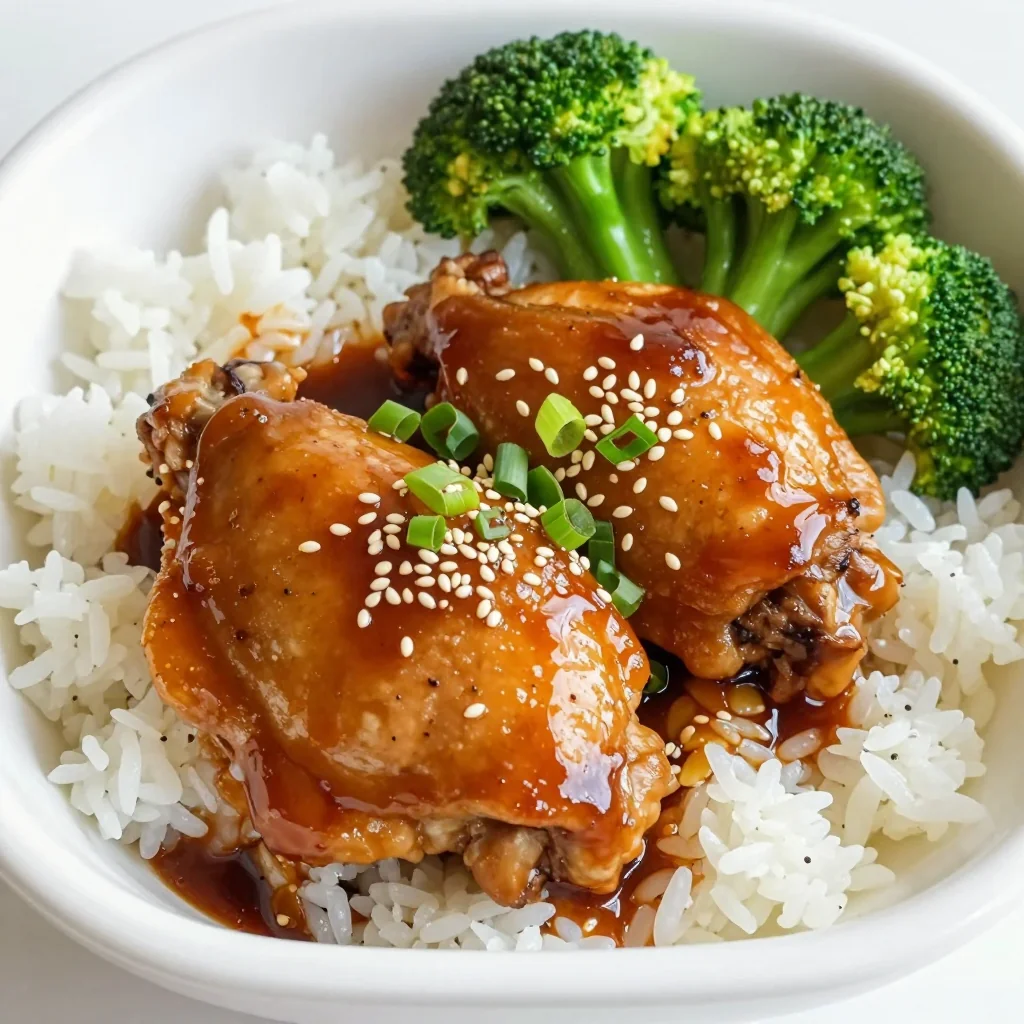
- Serve hot over a bed of steamed rice, fried plantains, or a crusty roll. Garnish with fresh cilantro or sliced green onions for a pop of color and freshness. The dish is best enjoyed immediately, but it also keeps wonderfully for leftovers.
That's it — you did it. But hold on, I've got a few more tricks that'll take this to another level. Keep reading for insider tips that will elevate your stew from good to unforgettable.
Insider Tricks for Flawless Results
The Temperature Rule Nobody Follows
Most people think simmering at a low heat is enough, but the real secret is to start at medium‑high to bring the sauce to a gentle boil, then reduce immediately. This quick boil helps release the aromatics from the spices and creates a richer flavor profile. When you lower the heat, the stew will maintain a steady simmer without evaporating too quickly.
Why Your Nose Knows Best
Use your sense of smell to gauge doneness. As the stew simmers, the aroma will shift from sharp to mellow. When the scent of the spices deepens and the tomatoes start to caramelize, it’s a sign the stew is approaching perfection. Trust your nose — it’s a reliable indicator of flavor development.
The 5-Minute Rest That Changes Everything
After you remove the stew from heat, let it rest for 5 minutes before serving. This brief pause allows the flavors to meld and the sauce to thicken slightly. It also gives the chicken a chance to re‑absorb some of the juices, making each bite juicy and flavorful.
Keep the Heat Balanced
If the stew feels too spicy, add a splash of coconut milk or a drizzle of honey to mellow the heat without compromising the flavor. These additions also contribute to a richer mouthfeel.
Use Fresh Herbs for a Burst of Color
A handful of chopped fresh cilantro or parsley right before serving adds a pop of color and a fresh, herbal note that lifts the dish. The bright green contrast against the deep sauce makes the stew look as good as it tastes.
Creative Twists and Variations
This recipe is a playground. Here are some of my favorite ways to switch things up:
Spicy Jollof Twist
Add a cup of cooked Jollof rice to the pot in the last 10 minutes of simmering. The rice will soak up the sauce, creating a one‑pot meal that’s both hearty and flavorful. This variation is perfect for a quick weeknight dinner.
Creamy Coconut Variant
Stir in half a cup of coconut milk after the chicken has cooked through. The coconut adds a creamy texture and a subtle sweetness that balances the heat. This version pairs wonderfully with steamed basmati rice.
Vegetarian Take
Replace the chicken with thick slices of smoked tofu or tempeh. Keep the same spice blend and simmer for 20 minutes. The tofu will absorb the flavors, resulting in a vegetarian stew that’s just as satisfying.
Pork & Peanut Sauce
Swap the chicken for pork shoulder pieces and add a tablespoon of peanut butter during the final simmer. The peanut butter deepens the sauce and adds a nutty richness that complements the spices beautifully.
Low‑Carb Version
Serve the stew over cauliflower rice or sautéed zucchini noodles. The low‑carb base keeps the dish light while still delivering the full flavor profile of the stew.
Storing and Bringing It Back to Life
Fridge Storage
Cool the stew completely before transferring it to an airtight container. Store in the refrigerator for up to 3 days. The flavors deepen overnight, so reheating on the stovetop with a splash of water restores its original thickness.
Freezer Friendly
Divide the stew into freezer‑safe portions and seal each in a freezer bag. Freeze for up to 2 months. Thaw in the refrigerator overnight, then reheat gently on the stove, adding a bit of water if needed.
Best Reheating Method
Reheat the stew on low heat, stirring frequently. Add a tiny splash of water or broth to prevent the sauce from drying out. Simmer until hot throughout, then serve immediately.