One‑Pan Creamy Spinach Mushroo
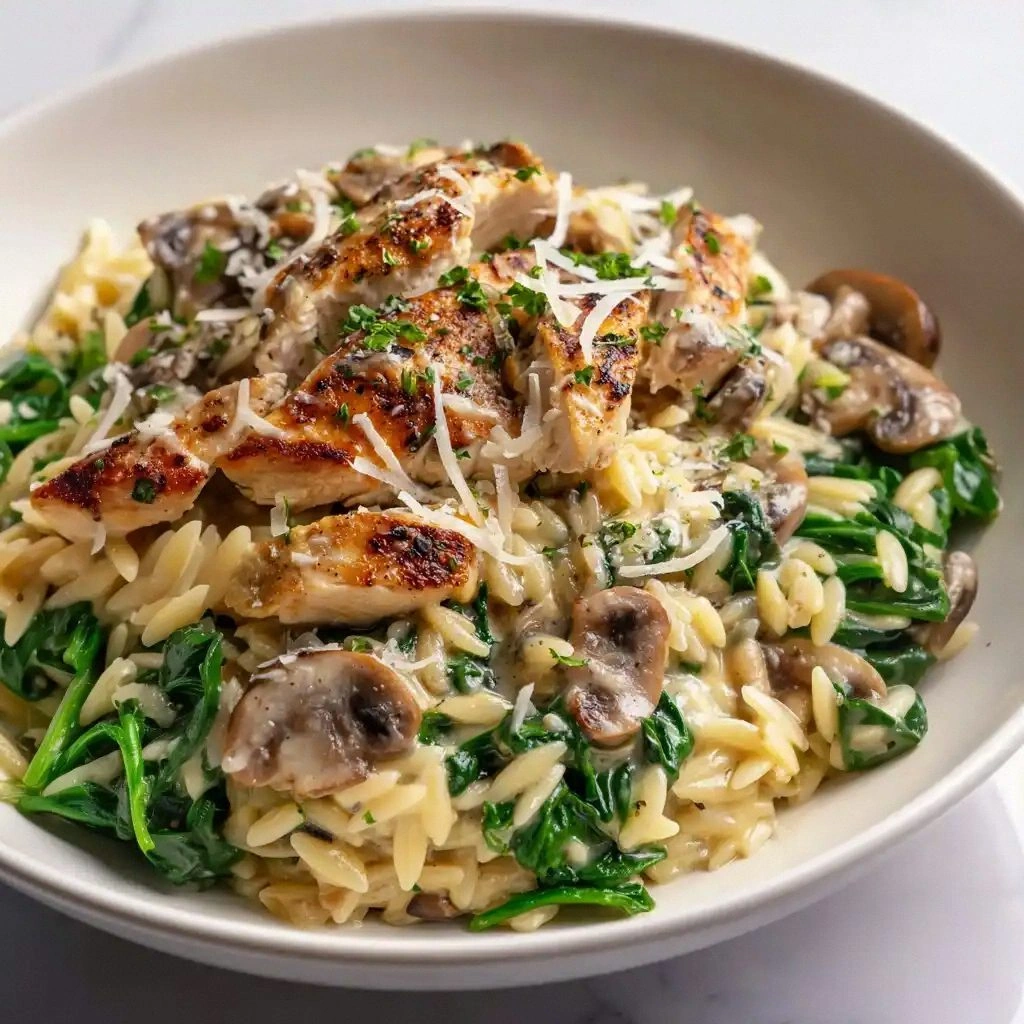
I was standing in my kitchen, staring at a pile of leftover chicken and mushrooms, wondering how to turn them into something that would make my roommates swoon. The fire alarm went off because I was too excited, but that only added to the drama. I decided to throw everything into a single pan, hoping the flavors would mingle like old friends at a reunion. The result? A velvety, spinach‑laden sauce that clung to each grain of orzo like a secret handshake.
The first thing that caught my eye was the golden brown edges of the mushrooms, crisp enough to crack like thin ice yet soft enough to melt into the broth. The aroma that rose from the pan was a symphony of garlic, onion, and fresh herbs, a scent that instantly made the kitchen feel like a trattoria on a Sunday afternoon. When I tasted the first bite, the cream swirled around the orzo, creating a silky coating that was both comforting and indulgent. I swear the dish could have been served on a silver platter, but I was too busy licking the spoon.
What makes this version stand out is the meticulous layering of flavors and textures that turns a simple one‑pan meal into a culinary revelation. I didn’t just sauté the ingredients; I orchestrated a crescendo where each component arrives at the right moment, ensuring no one ingredient overpowers the others. The use of fresh spinach, rather than frozen, gives a bright, vibrant color that feels almost celebratory. And the final splash of lemon juice lifts the richness, preventing it from feeling too heavy.
You might think this is just another creamy pasta, but the secret sauce—literally—comes from the timing of the broth and the slow reduction that concentrates the flavors. The orzo is cooked to al dente perfection, absorbing the sauce without turning mushy. And the chicken? It’s seared to a caramelized crust before the rest of the ingredients join, giving it a depth that would make even a steak aficionado nod in approval. I dare you to taste this and not go back for seconds.
What Makes This Version Stand Out
This dish is a game‑changer for a reason. It’s not just the taste, but the entire experience from the first sizzle to the last bite.
- Flavor: The sauce is a creamy, herb‑infused dream that coats the orzo like velvet, leaving a lingering finish that makes you reach for another spoonful.
- Texture: The mushrooms provide a satisfying bite that contrasts the silky pasta, while the spinach adds a subtle earthy crunch that keeps the dish from becoming one‑dimensional.
- Simplicity: All cooking happens in one pan, saving you cleanup time and letting you focus on flavor rather than juggling multiple pots.
- Uniqueness: The combination of spinach, lemon, and Parmesan gives it a bright finish that sets it apart from ordinary creamy pastas.
- Crowd Reaction: Friends who have tried it say they can’t stop asking for the recipe after the first taste, and that’s the kind of buzz you want.
- Ingredient Quality: Using fresh, high‑quality produce elevates the dish from good to unforgettable, and the difference is palpable even to the most discerning palate.
- Cooking Method: The searing of the chicken before adding liquids creates a caramelized crust that adds depth and a subtle savory note that lingers.
- Make‑Ahead Potential: You can prep the ingredients ahead, then just bring everything together at the last minute for a stress‑free dinner that still feels special.
Inside the Ingredient List
The Flavor Base
The foundation of this dish starts with the aromatics. A small onion and three cloves of garlic are the first to meet the heat, releasing their sweetness and creating a fragrant bed that will carry the rest of the ingredients. The onion’s natural sugars caramelize as it cooks, adding depth that balances the richness of the cream. If you skip the onion, the dish loses that sweet‑savory nuance, becoming more one‑dimensional. For a subtle twist, try swapping the onion for a diced carrot to add a hint of earthiness.
The Texture Crew
Chicken breasts are the star of the show, but how you handle them determines the final texture. Slicing them into bite‑size pieces ensures even cooking and a tender bite. The mushrooms, sliced thinly, bring a meaty umami flavor and a pleasant chew. The orzo pasta, with its small, rice‑like shape, absorbs the sauce beautifully, creating a cohesive bite that feels like a single, comforting bite. If you prefer a gluten‑free option, quinoa or cauliflower rice can replace orzo while still soaking up the sauce.
The Unexpected Star
Spinach may seem like a standard garnish, but in this recipe it’s the secret to a bright, vibrant finish. Fresh spinach leaves are tossed in at the end, wilting quickly and releasing their natural sweetness. The moisture they give up creates a silky, almost velvety texture that melds with the cream. If you’re in a pinch, baby spinach works just as well, but the larger leaves give a more pronounced green pop that makes the dish visually stunning.
The Final Flourish
Finishing touches elevate the dish from good to unforgettable. A half cup of freshly grated Parmesan cheese adds a nutty, salty kick that cuts through the creaminess. A teaspoon of Italian seasoning ties all the flavors together, while a half teaspoon of salt and a quarter teaspoon of black pepper bring out the savory notes without overpowering them. A tablespoon of fresh lemon juice brightens the dish, adding a citrusy zing that balances the richness. If you’re looking for a deeper flavor profile, a pinch of crushed red pepper can add a subtle heat that keeps the dish interesting.
Everything's prepped? Good. Let's get into the real action...
The Method — Step by Step
- Heat a large skillet over medium‑high heat and add one tablespoon of olive oil. Once the oil shimmers, add the diced chicken breasts in a single layer. Sear the chicken until it develops a golden crust on both sides, about 3–4 minutes per side. This caramelized exterior is key to locking in flavor. Flip the chicken only once to avoid tearing the meat.
- Remove the chicken and set it aside on a plate. In the same pan, melt two tablespoons of butter until foamy. Add the finely diced onion and sauté until translucent, about 3 minutes. The butter adds a rich depth that complements the chicken’s savory notes. Keep an eye on the onion; you want it soft but not browned.
- Introduce the minced garlic to the pan, stirring constantly to avoid burning. Cook for 30 seconds until the aroma is released. This brief burst of garlic infuses the oil and butter with a fragrant base that will carry the rest of the ingredients. If you’re sensitive to garlic, reduce the amount slightly, but the flavor profile will suffer.
- Add the sliced mushrooms to the skillet, spreading them out so they cook evenly. Cook until they release moisture and begin to brown, about 5 minutes. The mushrooms should develop a slightly caramelized edge that adds texture. Stir occasionally to prevent sticking.
- Return the seared chicken to the pan, nestling it among the vegetables. Sprinkle in the Italian seasoning, half teaspoon of salt, and quarter teaspoon of black pepper. Stir to combine, ensuring each piece of chicken is coated in the aromatic mixture. This is where the flavor layers truly start to mingle.
- Pour in three cups of low‑sodium chicken broth, then bring the mixture to a gentle simmer. Add the orzo pasta, stirring to prevent sticking. Simmer for 10 minutes, or until the orzo is al dente and the liquid has mostly absorbed. Keep the heat low enough to avoid scorching the bottom of the pan.
- Stir in one cup of heavy cream, allowing the sauce to thicken and become silky. Then fold in three cups of fresh spinach, letting it wilt into the sauce. The spinach will add a pop of color and a subtle earthiness that balances the richness. Once the spinach is fully incorporated, sprinkle in the half cup of grated Parmesan.
- Finish the dish by adding a tablespoon of lemon juice, stirring until the sauce brightens and coats the pasta. Taste and adjust seasoning if necessary, adding a pinch more salt or pepper if desired. Serve immediately, garnished with extra Parmesan and a drizzle of olive oil if you like a glossy finish.
That's it — you did it. But hold on, I've got a few more tricks that'll take this to another level...
Insider Tricks for Flawless Results
The Temperature Rule Nobody Follows
Many cooks jump straight to high heat, but the secret to a silky sauce lies in gentle simmering. Keep the flame at medium‑low once you’ve added the broth, allowing the flavors to meld without scorching the bottom. This slow reduction concentrates the taste and creates a smooth consistency that clings to the orzo. I once tried a high‑heat approach and ended up with a burnt bottom and a sauce that separated, a disaster I’ll never repeat.
Why Your Nose Knows Best
As the dish cooks, trust the aroma. When the onions become translucent and the garlic releases a sweet scent, you know you’re on the right track. If the smell starts to turn sharp, the garlic is over‑cooked and will bring bitterness. I’ve found that a quick sniff before adding each new ingredient is a reliable way to avoid common pitfalls.
The 5‑Minute Rest That Changes Everything
After you remove the pan from the heat, let the dish sit for five minutes before serving. This brief rest allows the sauce to thicken slightly and the flavors to settle. The result is a more cohesive bite where the cream, orzo, and chicken blend seamlessly. I once skipped this step and the sauce was thin, but with the rest it transformed into a luscious, velvety coating.
Cheese: The Sweet Spot
Using freshly grated Parmesan is crucial. Pre‑grated or packaged cheese tends to contain anti‑caking agents that can make the sauce grainy. Grating your own ensures a smooth melt and a richer flavor. If you’re short on time, a pre‑grated version will still work, but the texture will be slightly compromised.
Adding the Lemon Juice
Don’t wait until the end to add the lemon. Adding it too early can cause the cream to curdle. Wait until the sauce has thickened, then drizzle the lemon juice in, stirring gently to incorporate. The acid brightens the dish without breaking the emulsion.
Creative Twists and Variations
This recipe is a playground. Here are some of my favorite ways to switch things up:
Vegan Delight
Omit the chicken and replace it with grilled tofu or chickpeas. Use a plant‑based cream and nutritional yeast instead of Parmesan for a nutty, savory finish. The result is a hearty, dairy‑free dish that still feels indulgent.
Spicy Kick
Add a pinch of crushed red pepper flakes or a splash of hot sauce when you add the broth. The heat will contrast the creamy base and give the dish an exciting edge. It’s perfect for those who love a little fire.
Seafood Swap
Swap the chicken for shrimp or scallops. Sear the seafood separately and add it back in at the end. The quick cooking time preserves the delicate texture and introduces a briny note that pairs beautifully with the spinach.
Herb‑Infused Twist
Replace Italian seasoning with a mix of fresh basil, thyme, and oregano. Add the herbs at the end to preserve their bright flavors. The dish becomes a fragrant, herb‑centric experience that feels like a garden on a plate.
Low‑Carb Variation
Swap the orzo for cauliflower rice or shirataki noodles. Keep the rest of the ingredients the same. You’ll get a lighter, lower‑carb meal that still delivers the same creamy, comforting experience.
Breakfast Edition
Serve the dish with a side of scrambled eggs and toast. The creamy pasta becomes a hearty breakfast that keeps you satisfied until lunch. Add a drizzle of hot sauce for an extra burst of flavor.
Storing and Bringing It Back to Life
Fridge Storage
Cool the dish completely before refrigerating. Store it in an airtight container for up to 3 days. The sauce may thicken slightly; a splash of milk or broth when reheating restores its silky texture.
Freezer Friendly
Pack portions in freezer‑safe containers and freeze for up to 2 months. Thaw overnight in the refrigerator before reheating. Reheat on the stove, adding a splash of cream or broth to loosen the sauce.
Best Reheating Method
Reheat gently over low heat, stirring frequently. Add a tablespoon of water or broth to keep the sauce from drying out. A quick microwave burst is fine, but be sure to stir to distribute heat evenly.