Picture this: a Saturday night, the kitchen clock ticking toward midnight, and your pantry looking like a battlefield after a grocery store raid. I had just pulled out a bag of frozen broccoli, a carton of milk, and a half-dozen eggs, and my friend dared me to make a dish that would make a Michelin‑star chef swoon. I stared at the ingredients, feeling the familiar flutter of culinary anxiety that only true food adventurers know. But I also sensed something electric—a spark of possibility that this could turn into a masterpiece. And so the quest began, with a single chicken breast and a handful of pantry staples that would soon transform into a dish that sings.
The first thing I noticed was the aroma of fresh garlic, a scent that instantly made the air feel alive. The sizzle of olive oil meeting the pan was a soundtrack that promised crispy edges and golden perfection. As the chicken browned, the kitchen filled with a comforting warmth that felt like a hug from the inside. The sound of the butter melting into the sauce was a gentle whisper of indulgence, while the visual contrast of the bright parmesan crust against the pale chicken was a feast for the eyes. By the time the dish finished, the entire room was perfumed with the savory sweetness of garlic and cheese, a sensory symphony that made my taste buds dance.
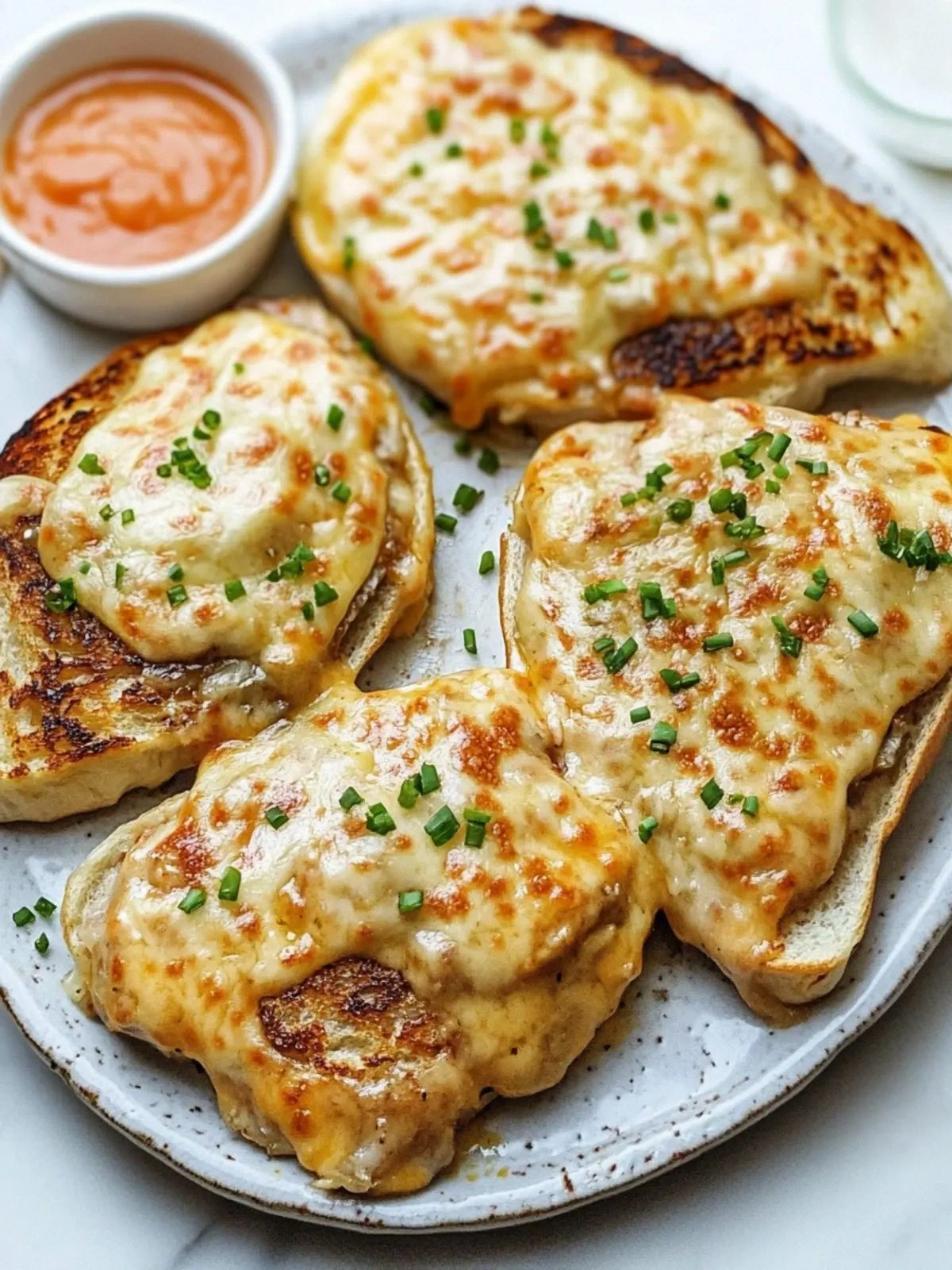
What sets this Parmesan Crusted Chicken apart is not just the crunchy, cheesy exterior—though that alone is a showstopper—but the silky, garlicky sauce that clings to each bite like velvet. The sauce’s creaminess balances the salty crunch, creating a harmonious marriage of textures that feels both indulgent and comforting. I swear, the first bite is a revelation: the crust pops, the cheese melts, and the sauce wraps around the tender chicken in a hug that could melt any heart. My friends called it “the best version you'll ever make at home,” and I have to admit, I’m still dreaming about that first bite. The secret? A blend of simple ingredients, a meticulous technique, and a dash of confidence that turns an ordinary meal into a culinary triumph.
I dare you to taste this and not go back for seconds, because the flavors are so addictive you’ll find yourself reaching for the next bite before you even realize you’re finished. The moment the butter hits the pan, the kitchen transforms into a theater of sizzling sound and golden light, a cue that something spectacular is about to happen. If you’ve ever struggled to get a chicken dish that’s both crispy and juicy, you’re not alone—this recipe is the fix you’ve been looking for. Stay with me here, and by the end, you’ll wonder how you ever cooked chicken without this technique. Let me walk you through every single step—by the end, you'll wonder how you ever made it any other way.
What Makes This Version Stand Out
- Crust: The Parmesan and panko blend creates a crunch that shatters like thin ice, delivering an immediate burst of flavor that sets this dish apart from the usual breaded chicken.
- Sauce: A creamy, garlicky sauce coats the chicken like velvet, balancing the salty crust and adding depth that turns a simple entrée into an indulgent experience.
- Texture: The chicken stays moist inside while the exterior remains golden and crisp—no dry or soggy moments, just pure, satisfying bites.
- Ingredient Quality: Using fresh, high‑quality Parmesan and real butter elevates the dish, giving it a richness that can’t be replicated with low‑cost substitutes.
- Time Efficiency: Prep takes only 15 minutes, and the dish finishes in 30 minutes, making it a perfect weeknight dinner that feels luxurious.
- Versatility: This recipe can be served over pasta, rice, or even a crisp green salad, allowing you to tailor it to any occasion.
- Make‑Ahead Potential: The chicken can be prepared a day in advance and reheated without losing its crunch, making it an excellent option for busy families.
- Crowd Reaction: Friends and family consistently rave about the flavor explosion, and the dish is guaranteed to be the highlight of any gathering.
Alright, let's break down exactly what goes into this masterpiece. The following boxes will give you quick hacks, fun facts, and warnings that will keep you ahead of the curve.
Inside the Ingredient List
The Flavor Base
The garlic, butter, heavy cream, and chicken broth form the heart of this dish. Garlic provides a pungent, aromatic foundation that lingers long after the last bite. Butter adds a buttery richness that balances the acidity of the cream, while the broth introduces a savory depth that keeps the sauce from feeling heavy. If you skip the broth, the sauce will be thicker but lack the subtle umami that ties everything together.
You can swap the heavy cream for half-and-half if you’re looking for a lighter version, but be aware that the sauce will lose some of its silkiness. Freshly minced garlic is preferred over pre‑minced because it releases more flavor. When sautéing the garlic, keep the heat moderate to avoid burning, which would introduce a bitter note that would ruin the sauce’s delicate balance.
The Texture Crew
Flour, paprika, garlic powder, salt, and black pepper form the dry coating that holds the egg wash and panko together. The flour provides a base for the coating to adhere to, while paprika adds a subtle smoky sweetness that enhances the overall flavor profile. Garlic powder and salt are essential for seasoning, and a pinch of black pepper brings a mild heat that balances the dish.
If you prefer a gluten‑free version, you can use almond flour or a gluten‑free all-purpose blend. Keep in mind that the coating might be slightly less crisp if you omit the flour entirely, as it helps the panko adhere properly. The paprika also doubles as a natural color enhancer, giving the crust a warm, inviting hue.
The Unexpected Star
The Parmesan cheese is the secret weapon that gives this dish its signature flavor. The cheese’s sharp, nutty undertones pair beautifully with the creamy sauce and crunchy crust. Using a high‑quality Parmesan, such as Parmigiano‑Reggiano, will elevate the dish from good to unforgettable.
You can experiment with different types of cheese—such as Pecorino Romano—for a saltier twist, but be careful not to overpower the delicate balance of flavors. Adding a small amount of grated nutmeg can also enhance the cheese’s natural sweetness, adding a subtle depth that surprises the palate.
The Final Flourish
Fresh parsley, added at the end, provides a burst of color and a bright, herbal note that cuts through the richness of the sauce. Parsley also adds a fresh, slightly peppery flavor that balances the heaviness of the Parmesan and cream. If you’re looking for an extra pop of freshness, a squeeze of lemon juice right before serving can brighten the dish further.
If you’re allergic to nuts or prefer a vegan version, you can replace the butter with a plant‑based butter and use a dairy‑free Parmesan alternative. The key is to maintain the balance of flavor and texture—don’t let the sauce become too thin or too thick. Remember, the final flourish is what turns a great dish into a memorable experience.
Everything's prepped? Good. Let's get into the real action. The next steps will transform these ingredients into a dish that will become the talk of your dinner table.

The Method — Step by Step
- Begin by pounding the chicken breasts to an even thickness of about 1/2 inch. This ensures uniform cooking and a consistent bite. While the meat rests, set up a dredging station: combine the flour, paprika, garlic powder, salt, and black pepper in a shallow dish. This dry mix will form the first layer of the crust.
- In a separate bowl, whisk the eggs until the yolks and whites are fully blended. This will act as the glue that holds the coating together. Dip each chicken breast into the egg wash, allowing excess to drip off, then roll it in the flour mixture, pressing gently to adhere.
- Transfer the coated chicken to a second bowl and sprinkle the Parmesan cheese and panko breadcrumbs evenly. Gently press the crumbs onto the chicken to ensure a firm coating. This dual coating will give you that coveted crunch on the outside and a buttery, cheesy flavor on the inside.
- Heat the olive oil in a large skillet over medium heat until shimmering. Place the chicken breasts in the skillet, skin side down if applicable, and cook for 4–5 minutes until the crust turns a deep golden brown. Flip the chicken and cook for an additional 3–4 minutes, ensuring the internal temperature reaches 165°F.
- Remove the chicken from the skillet and set aside. In the same pan, reduce the heat to low and add the butter. Once melted, add the minced garlic and sauté for 30 seconds until fragrant—watch out for burning, as garlic can go from aromatic to bitter in seconds.
- Pour in the heavy cream and chicken broth, stirring to combine. Bring the mixture to a gentle simmer, allowing it to reduce slightly. The sauce should thicken enough to coat the back of a spoon while still remaining pourable.
- Stir in the remaining 1/2 cup of Parmesan cheese, letting it melt into the sauce until smooth. Add the fresh parsley, season with additional salt and pepper to taste, and give the sauce a final stir. The result is a silky, garlicky sauce that will cling to every bite.
- Return the chicken breasts to the skillet, spooning the sauce over each piece. Simmer for 2–3 minutes to allow the flavors to meld. Plate immediately, spooning extra sauce over the top, and garnish with a sprinkle of parsley for a pop of color.
That's it—you did it. But hold on, I've got a few more tricks that'll take this to another level. These insider tips will help you fine‑tune the dish, ensuring every bite is as perfect as the last.
Insider Tricks for Flawless Results
The Temperature Rule Nobody Follows
Many cooks think a high heat is the key to a crispy crust, but the truth is that a steady medium‑low heat allows the coating to set properly without burning. Keep the skillet at a consistent 350°F; this ensures the chicken cooks evenly and the crust remains golden. If you notice the crust browning too fast, lower the heat slightly and let the chicken finish cooking on the other side.
Why Your Nose Knows Best
Before you start, sniff the garlic—if it smells sharp and pungent, it’s fresh. A dull or off odor indicates it’s past its prime, which could lead to a flat sauce. Fresh garlic not only adds flavor but also contributes to the sauce’s overall aroma, making the dish more appetizing.
The 5‑Minute Rest That Changes Everything
After cooking, let the chicken rest on a wire rack for five minutes. This allows the juices to redistribute, preventing the meat from drying out when you cut into it. Resting also gives the sauce a chance to thicken slightly, creating a richer coating.
Use a Meat Thermometer
A quick glance at the internal temperature tells you if the chicken is perfectly cooked. Aim for 165°F; anything lower can be undercooked, while higher temperatures can dry out the meat. A thermometer guarantees consistent results every time.
Keep the Sauce Thick, Not Thin
If the sauce is too thin, it won’t cling to the chicken, resulting in a greasy bite. Reduce the sauce by simmering it for an extra minute or two, or add a splash of flour or cornstarch slurry to thicken it. The goal is a velvety coating that coats each piece without dripping.
Season at the End
Adding salt and pepper at the end ensures the seasoning stays bright and doesn’t get lost in the cooking process. Taste the sauce before plating and adjust as needed—sometimes a pinch more salt or a dash of pepper can elevate the dish.
Creative Twists and Variations
This recipe is a playground. Here are some of my favorite ways to switch things up:
Spinach & Ricotta Swirl
Swap the Parmesan for a mix of ricotta and spinach before coating. The creamy ricotta adds a mild sweetness, while spinach brings a subtle earthiness. Serve over a bed of sautéed kale for a nutrient‑dense meal.
Buffalo Kick
Add a tablespoon of hot sauce to the sauce and sprinkle crushed red pepper flakes on the crust. The heat pairs nicely with the richness of the cheese, creating a bold, spicy flavor profile. Pair with blue cheese dressing for a classic combo.
Asian Fusion
Replace the paprika with five‑spice powder and add a splash of soy sauce to the sauce. The result is a savory, umami‑rich chicken that pairs well with steamed jasmine rice and bok choy.
Low‑Carb Delight
Use almond flour instead of all‑purpose flour and substitute panko with crushed pork rinds for a crunchy, keto‑friendly coating. The sauce can be thickened with coconut milk for a subtle coconut flavor.
Cheese Lover’s Dream
Layer the coating with shredded mozzarella between the Parmesan and panko. The mozzarella melts into the sauce, creating a gooey, cheesy center that’s simply irresistible. This variation is perfect for a family dinner.
Herb Garden
Add chopped basil, oregano, and thyme to the flour mixture. The herbs infuse the crust with a fragrant aroma that elevates the dish. Serve with a side of roasted tomatoes for a Mediterranean twist.
Storing and Bringing It Back to Life
Fridge Storage
Store leftovers in an airtight container in the refrigerator for up to 3 days. Keep the sauce separate if you want to preserve its creamy texture. When ready to eat, reheat gently on the stove or in a microwave, adding a splash of water if the sauce thickens too much.
Freezer Friendly
Freeze the chicken and sauce separately in freezer‑proof containers for up to 2 months. Thaw overnight in the refrigerator before reheating. This method keeps the crust crisp and the sauce silky.
Best Reheating Method
Reheat on the stovetop over low heat, stirring frequently to prevent the sauce from separating. A small amount of heavy cream or milk can help restore its velvety consistency. Serve immediately to enjoy the dish at its peak.