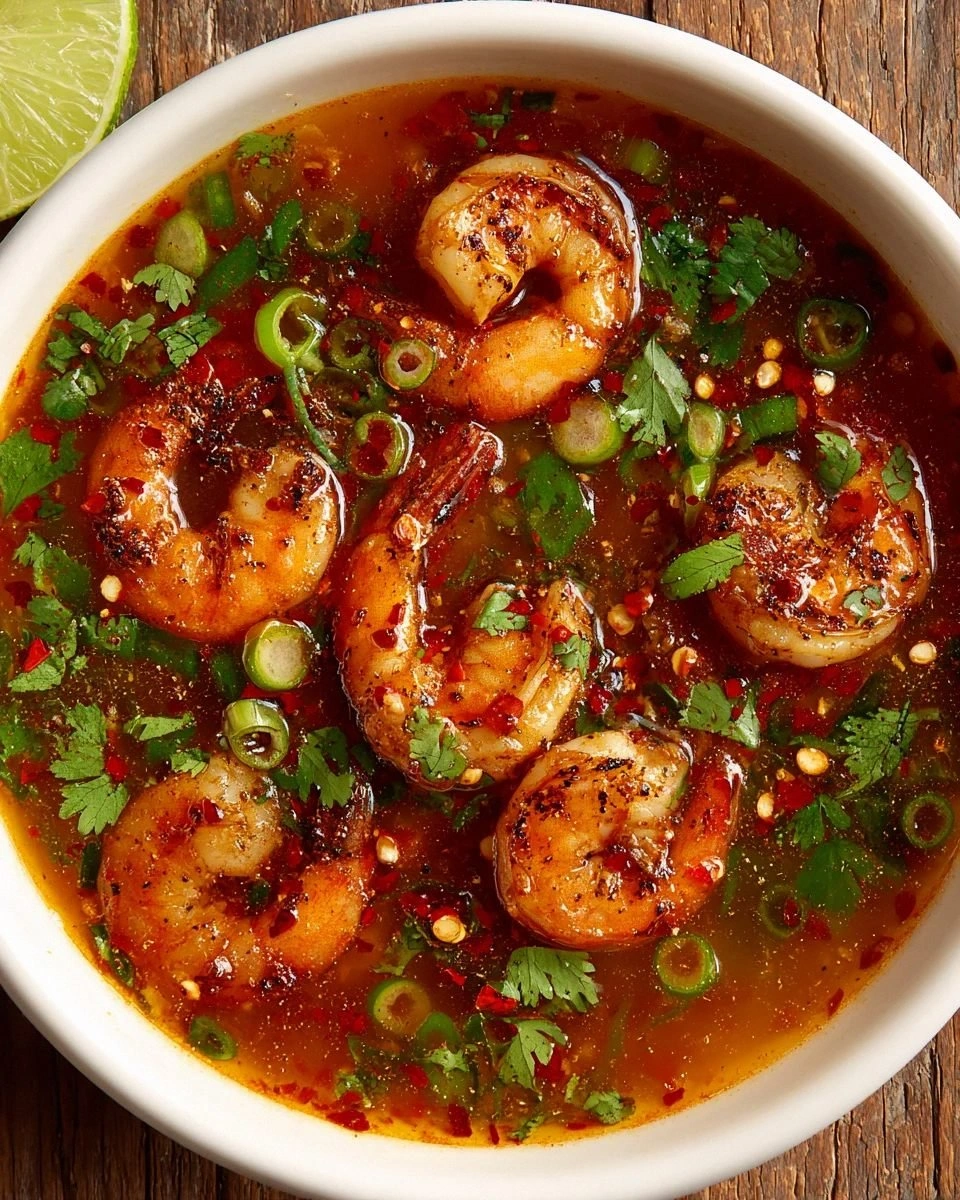
Picture this: it is 7:42 p.m., you have just peeled off your coat, your stomach is staging a full-blown protest, and the only thing in the fridge is a pound of shrimp you bought on sale and a crisper drawer that looks like a produce graveyard. Most people would surrender to take-out tabs and delivery fees; I nearly did. Instead, I cranked up the stove, flung a few everyday aromatics into a pot, and twenty-five minutes later I was slurping what might be the brightest, punchiest shrimp soup that has ever landed in my kitchen. The first spoonful hit like a carnival—sweet shellfish, smoky paprika, cayenne that arrives fashionably late, and a tomato-citrus broth that tastes like summer decided to throw a winter party. I ate two bowls standing up, wiped my chin, and immediately scribbled the formula on the back of an electric bill. That napkin-scratch became the skeleton of the recipe you are about to meet, refined through five more frantic weeknights and one very smug dinner-party triumph.
Here is the truth: I have tried the glossy magazine versions that ask you to simmer shrimp shells for an hour, fish out bouquet garni, and strain everything through cheesecloth. They are lovely—if you are hosting the queen. This one is for the rest of us, the mortals who want fireworks on the tongue without setting the whole evening on fire. The broth builds in the same pot you will eat from, the spices are pantry staples you can measure drunk on hunger, and the protein cooks in under four minutes so nothing turns rubbery. Yet the flavor tastes like you hunted down every secret ingredient from a seaside market at dawn. Bold claim? Absolutely. I dare you to taste this and not go back for seconds while the ladle is still warm.
What really separates this soup from the usual suspects is the layering of heat. We are not dumping in chili flakes and hoping for the best. We bloom smoky paprika and cumin in olive oil so the fat carries their perfume through every milliliter of broth. Cayenne waits until the end so its sharp uppercut stays crisp rather than stewed into submission. A finishing squeeze of lime does not just brighten—it performs alchemy, turning canned tomatoes into something that tastes sun-warmed from a backyard vine. If you have ever struggled with flat, muddy, or one-note soups, you are not alone—and I have got the fix.
Stay with me here—this next part is worth it. Instead of simmering the shrimp into oblivion, we treat them like a fast food luxury: they enter the broth for exactly three minutes, then we kill the heat and let residual warmth finish the job. The result is shrimp that snap between your teeth like oceanic pop-rocks yet still soak up that spicy elixir. Picture yourself pulling this off the stove, steam fogging your glasses, the whole kitchen smelling like a beach bar in Mexico that somehow got transported to your apartment. Let me walk you through every single step—by the end, you will wonder how you ever made it any other way.
What Makes This Version Stand Out
- Flavor Bomb in 30 Minutes: While classic bisques demand long shell reductions, this weeknight warrior extracts maximum depth from smart spice sequencing and a final citrus snap. You get the complexity of a slow-simmered soup without the Netflix-tab boredom.
- Shrimp That Stay Succulent: Most recipes murder them in a rolling jacuzzi until they curl into tight little golf pencils. Our gentle poach-off-heat keeps them plump, tender, and eager to absorb the broth’s personality.
- Adjustable Heat Dial: Cayenne sits in the driver’s seat. Want a gentle back-of-throat glow? Use a pinch. Crave the kind of fire that makes your temples tingle? Dump the whole half teaspoon and crown yourself chili royalty.
- One-Pot Minimalism: No blender, no strainer, no separate skillet for toasting spices. Everything happens in the same enamel-coated pot your grandma probably used for chicken soup, which means fewer dishes and more couch time.
- Pantry Flexibility: Out of chicken broth? Dissolve a bouillon cube. Only frozen shrimp? Thaw under cold water for seven minutes. Bell pepper wrinkly? Skip it and double the carrot. The recipe bends without breaking.
- Restaurant-Wow Presentation: Because the shrimp stay whole and the broth is jewel-red with little freckles of cilantro, you can ladle this into wide bowls and serve to guests who will swear you ordered in from that trendy tapas place downtown.
Alright, let's break down exactly what goes into this masterpiece...
Inside the Ingredient List
The Flavor Base
Extra-virgin olive oil does more than keep things from sticking; it carries fat-soluble flavor compounds in paprika and cumin to every corner of the soup. Use a decent supermarket brand—no need for the thirty-dollar estate-bottled stuff, but skip the metal-tasting bargain jug. Onion and garlic form the classic aromatic duet, yet we dice the onion fine so it melts into the tomatoes and disappears texturally, leaving behind sweetness without chunky interruptions. If you skip the onion, the broth tastes oddly sharp, like a salsa that forgot its manners.
The bell pepper adds a grassy note and tiny flecks of color. Red or yellow work best; green peppers carry a bitterness that fights the tomatoes. Carrot might seem out of place in a seafood soup, but trust me—its natural sugars round the acidity of canned tomatoes and create a smoother backdrop for the spices. Skip it and you will notice a harsher edge, the culinary equivalent of a guitar with the treble knob cranked too high.
The Texture Crew
Medium shrimp (31-40 count per pound) hit the sweet spot between meaty bite and quick cooking. Go smaller and you will need a fistful to feel satisfied; go jumbo and they require a knife and fork, killing the casual slurpability. Peel and devein them yourself if you are a perfectionist, but the pre-cleaned bagged stuff works fine—just pat dry so they sear rather than steam when they first hit the pot.
Canned diced tomatoes are the sleeper hero. They break down into the broth, giving body without the need for cream or roux. Fire-roasted varieties add a whisper of char that plays beautifully with smoked paprika. If all you have is crushed tomatoes, use them, but pulse briefly so you retain some chunk for textural intrigue.
The Unexpected Star
Smoked paprika is the ingredient that makes tasters pause and ask, “Why does this remind me of barbecue and beach bonfires?” It is sweet paprika that has been dried over oak fires, and a mere half teaspoon injects mystery. Substitute regular paprika and the soup still tastes good, just less layered—like a pop song missing its bass line.
Ground cumin adds earthy backbone. Buy a fresh jar every six months; old cumin smells like dusty library books and will mute the broth. If you only have seeds, toast a teaspoon in a dry pan until fragrant, then grind with a spice grinder or crush with a skillet—yes, it is an extra step, but your nose will thank you.
The Final Flourish
Fresh lime juice is non-negotiable. Bottled stuff tastes like a cleaning product and flattens under heat. Add it off the heat so its volatile oils survive to perfume your first spoonful. Cilantro is optional only for the genetic unfortunates who think it tastes like soap; for the rest of us, it is the green confetti that ties the whole bowl together. If you are a hater, substitute thinly sliced scallions or even fresh parsley, though you will lose the Latin swagger.
Everything's prepped? Good. Let's get into the real action...
The Method — Step by Step
- Set your favorite soup pot over medium heat and add the olive oil. You want it shimmering but not smoking—if it starts rippling aggressively, pull the pan off for ten seconds and lower the heat. Toss in the chopped onion and bell pepper, stirring so every piece glistens. Let them sweat for four minutes; they should turn translucent and smell sweet, never browning, because browning adds caramel notes that muddy the bright tomato base.
- Clear a little bull’s-eye in the center of the pot and add the minced garlic directly on the exposed metal. Count to fifteen while it sizzles, then fold everything together. Garlic needs direct contact to toast evenly; otherwise it steams among the vegetables and tastes raw. When your kitchen smells like you have been transported to a trattoria, you are ready for spice time.
- Sprinkle in the smoked paprika, chili powder, cumin, and cayenne. Stir constantly for sixty seconds, letting the oil pull the pigments and resins from the powders. You will know you nailed it when the mixture looks like rusty desert sand and the aroma climbs up the back of your throat. This is called blooming, and it is the difference between dusty boiled spices and a broth that tastes like it simmered for hours.
- Pour in the diced tomatoes with all their juice. Use the back of your spoon to crush any large chunks against the pot wall, but leave some texture—think rustic, not baby food. Let everything bubble for three minutes so the acid mellows and the spices marry. Stir occasionally to prevent sticking; the sugars in tomato love to scorch.
- Add the sliced carrots and chicken broth. Raise the heat to high until the liquid reaches a lively simmer, then drop it back to medium-low. Cover partially and let it cruise for ten minutes. You want the carrots to soften but still have a little resistance; they will continue cooking once the shrimp join the party.
- Taste the broth and season with salt and pepper. Remember you will add shrimp, which are naturally saline, so under-salt slightly at this stage. If you crave more heat, now is the moment to whisk in extra cayenne; once seafood is added, the spice will not integrate as evenly. The liquid should already smell irresistible, like you have been cooking all afternoon instead of binge-watching reality TV.
- Okay, ready for the game-changer? Crank the heat back to medium-high until you see gentle bubbles across the surface. Scatter in the shrimp in a single-ish layer and do not stir for thirty seconds; this lets the bottom ones pick up a whisper of caramelization. When they begin turning pink, fold gently with a spatula for another two to two-and-a-half minutes. As soon as most are opaque, kill the heat completely. Residual warmth will finish cooking without the rubber-band texture that makes restaurant soups so disappointing.
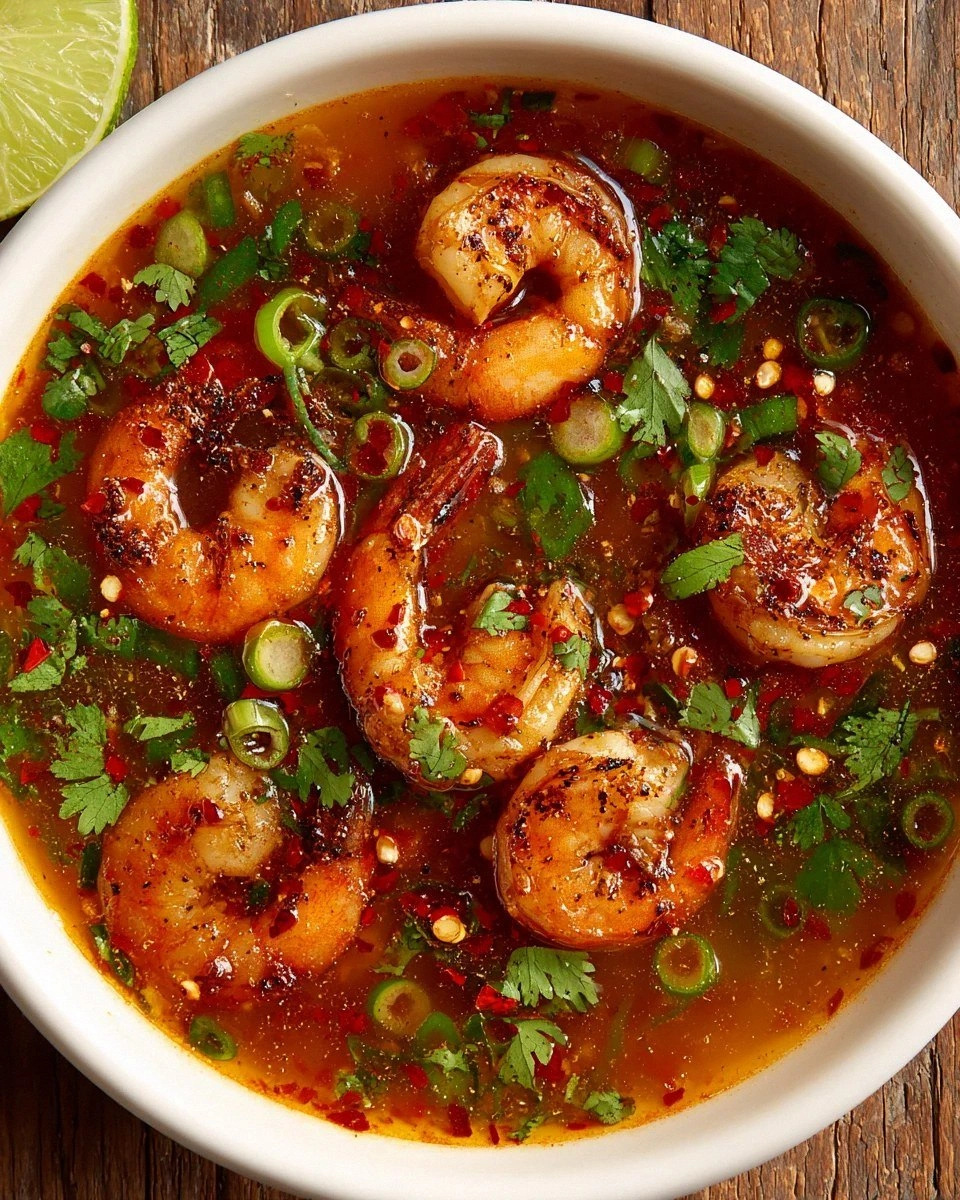
- Stir in the fresh lime juice and half the cilantro. Cover for five minutes so the flavors meld and the shrimp relax. Ladle into wide bowls, scatter remaining cilantro on top, and serve with crusty bread or warm tortillas. The broth will be a deep sunset red, fragrant with smoke and citrus, and the shrimp will sit like jewels just beneath the surface, begging for that first greedy spoonful.
That's it—you did it. But hold on, I've got a few more tricks that'll take this to another level...
Insider Tricks for Flawless Results
The Temperature Rule Nobody Follows
Most home cooks keep the pot at a rolling boil after adding seafood, thinking speed equals safety. Wrong. Shrimp proteins tighten past 145°F, and a vigorous boil overshoots that faster than you can say “creole.” Instead, aim for a lazy simmer where only a few bubbles break the surface every second. You will trade thirty extra seconds for shrimp that taste like they just leapt out of warm gulf water.
Why Your Nose Knows Best
When the cumin hits the oil, close your eyes and inhale. If the aroma feels flat or dusty, your spice is stale and will drag the broth down with it. Fresh cumin smells slightly nutty, almost like roasted peanut skin. Trust your olfactory alarm—it evolved to keep you from eating boring food long before sell-by dates existed.
The 5-Minute Rest That Changes Everything
After finishing with lime and cilantro, walk away for five full minutes. I know, the soup smells incredible and you are starving, but this brief rest allows the acid to round off harsh edges and the herbs to bloom. A friend tried skipping this step once; let us just say it tasted like spicy tomato water with lonely shrimp bobbing in it.
Creative Twists and Variations
This recipe is a playground. Here are some of my favorite ways to switch things up:
Coconut-Curry Escape
Swap chicken broth for one can of coconut milk plus one cup of water, and trade the chili powder for a heaping teaspoon of Thai red curry paste. Finish with basil instead of cilantro and a teaspoon of fish sauce for funky depth. The result tastes like a Phuket beach shack collided with a Spanish tapas bar—in the best possible way.
Corn and Chorizo Fiesta
Brown two ounces of diced Spanish chorizo before the onion; its papery oil turbo-charges the smoky profile. Add a cup of frozen corn kernels with the carrots for bursts of sweetness against the spice. Top with queso fresco and a handful of crushed tortilla chips for crunch. I’ll be honest—I ate half the batch before anyone else got to try it.
Lemony Spring Edition
Drop the cayenne to a pinch, swap bell pepper for diced zucchini, and finish with a fistful of fresh dill and mint. Stir in a cup of baby spinach right before serving so it wilts into silky ribbons. This version is what you crave when the cherry blossoms bloom and you want brightness without the sweat.
Smoky Bacon Sunrise
Render two strips of chopped bacon until crisp; remove and sprinkle on top at the end. Use the rendered fat instead of olive oil for the vegetables. Bacon, shrimp, and tomato form a holy trinity that tastes like seaside brunch in New Orleans. Future pacing: picture yourself pulling this out at 11 a.m. on a Sunday, the whole kitchen smelling like you hired a jazz band to play in your sink.
Silky Saffron Luxury
Add a fat pinch of saffron threads to the warm broth and let it steep while the carrots cook. The crocus stamens turn the soup golden and perfume it with honeyed hay notes. Replace cilantro with tarragon and serve with garlic-rubbed baguette slices. It is budget-friendly luxury—like wearing cashmere sweatpants.
Storing and Bringing It Back to Life
Fridge Storage
Cool the soup completely, then transfer to airtight glass jars or deli containers. Refrigerate up to three days, but store the shrimp separately if you are a texture purist; they will stay bouncy and never risk over-cooking during reheat. Broth without seafood keeps four days and actually improves as spices mingle. A quick sniff test never hurts—if it smells like the seaside in a bad way, compost it.
Freezer Friendly
Freeze the broth base—everything minus shrimp—in heavy-duty zip bags laid flat for space-saving bricks. It keeps three months. When craving hits, thaw overnight, bring to a simmer, and add fresh or frozen shrimp straight into the pot. Do not freeze cooked shrimp unless you enjoy chewing on oceanic rubber bands.
Best Reheating Method
Always warm gently on the stove over medium-low, stirring often. Add a splash of water or broth because starch from tomatoes thickens the liquid when cold. Microwave works in a pinch—use 50 percent power in thirty-second bursts, stirring between each. Add a tiny squeeze of fresh lime after reheating to wake up the flavors. Add a tiny splash of water before reheating—it steams back to perfection and prevents the dreaded crusty rim.