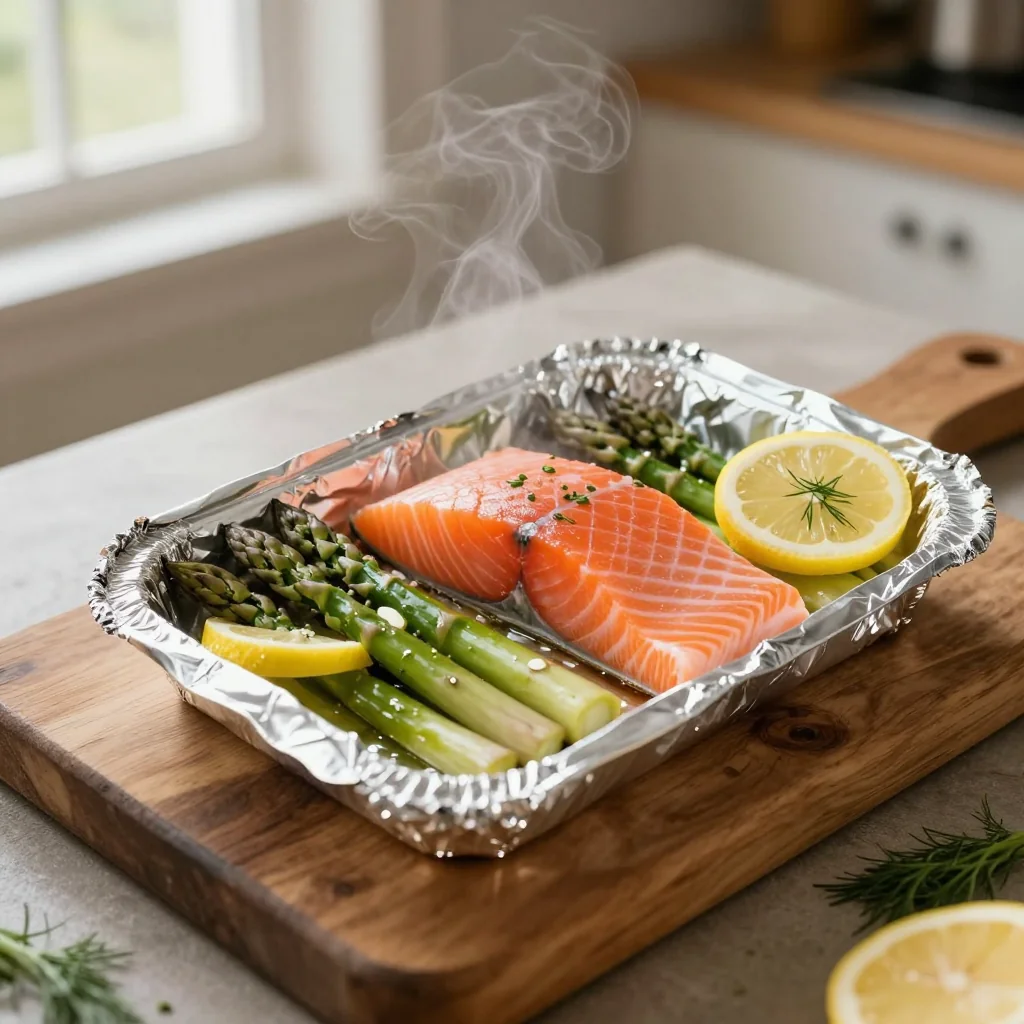
A breezy, buttery salmon dish that cooks itself in a fragrant foil packet—perfect for busy weeknights or elegant gatherings.
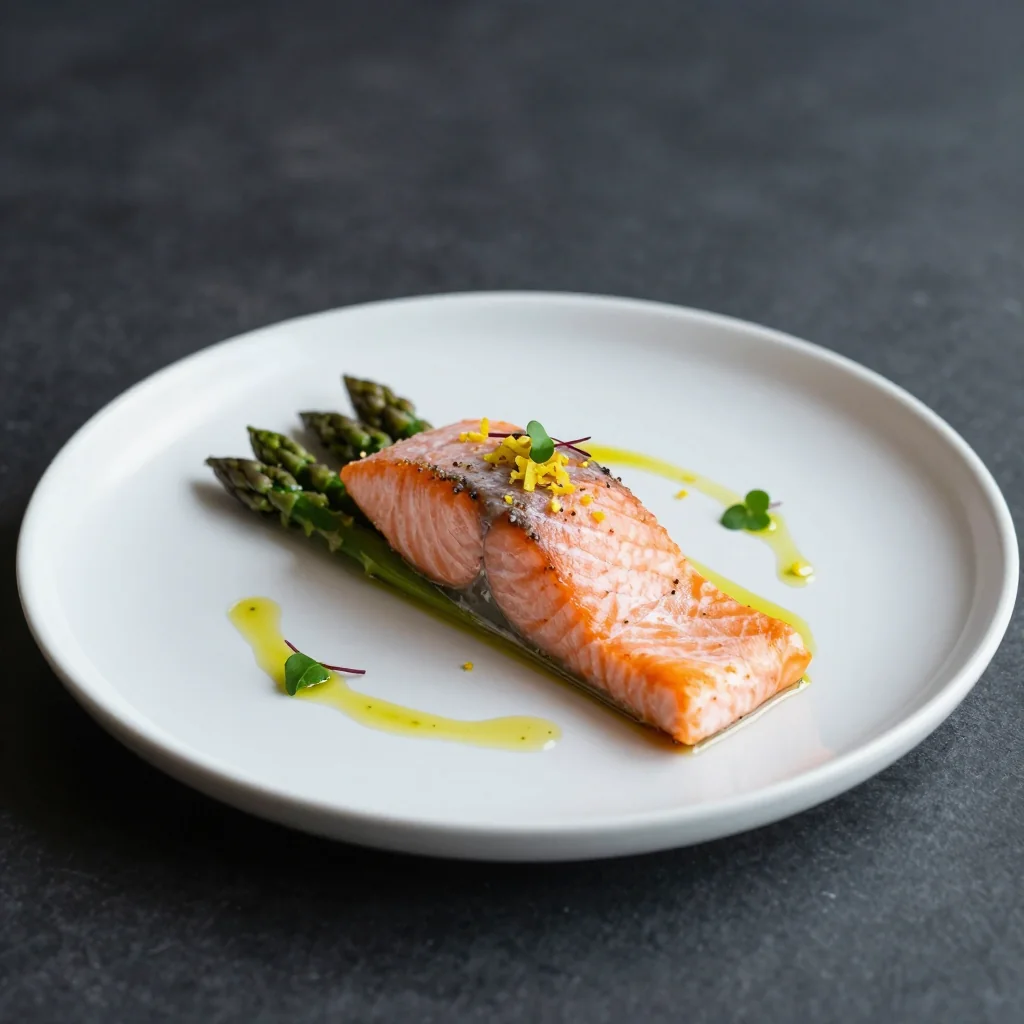
The first time I tasted salmon cooked in a foil packet was during a spontaneous beach picnic in Maine. The sea breeze, the sizzle of butter, and the bright pop of lemon made the moment unforgettable. I still remember the way the steam escaped the foil, carrying the scent of fresh asparagus and dill straight to my nose.
This dish hails from the simple, resource‑savvy coastal kitchens of the Pacific Northwest, where families would wrap fish and garden vegetables together to preserve moisture and flavor while cooking over an open flame. Today, the same technique works beautifully in a conventional oven, delivering restaurant‑quality results with minimal cleanup.
In this article, I’ll walk you through every detail—from selecting the freshest salmon to mastering the art of sealing a foil packet so that juices stay locked in. You’ll learn why this method yields perfectly moist fish, how to balance the buttery richness with bright citrus, and the small tricks that turn a quick dinner into a memorable experience.
I’m thrilled to share this recipe with you, and I hope it becomes a staple in your kitchen as often as it does in mine. Let’s dive in and start packing those packets!
🌟 Why This Recipe Will Capture Your Heart
Whether you’re a seasoned home cook or a novice looking for a fail‑proof seafood dish, this recipe checks every box for flavor, simplicity, and visual appeal.
- ✨ Effortless One‑Pan Cleanup: The foil packets keep the oven tidy, so you spend less time washing dishes and more time enjoying your meal.
- ✨ Perfectly Moist Salmon Every Time: Sealing the fish locks in natural juices, preventing the dreaded dry texture that can happen with overcooking.
- ✨ Nutrient‑Rich Asparagus: Asparagus cooks in its own steam, preserving vitamins A, C, and K while adding a satisfying crunch.
- ✨ Customizable Flavor Profiles: Add a dash of smoked paprika, a drizzle of teriyaki, or a sprinkle of fresh herbs to tailor the dish to any cuisine.
- ✨ Healthy Yet Indulgent: With heart‑healthy omega‑3s from salmon, fiber from asparagus, and just the right amount of butter, the dish feels indulgent without compromising nutrition.
- ✨ Ideal for Any Occasion: Serve it at a casual family dinner, a summer backyard BBQ, or a polished dinner party—its presentation looks as impressive as its taste.
🥗 Ingredients
📝 Complete Ingredient List
For the Salmon Packets:
For the Asparagus:
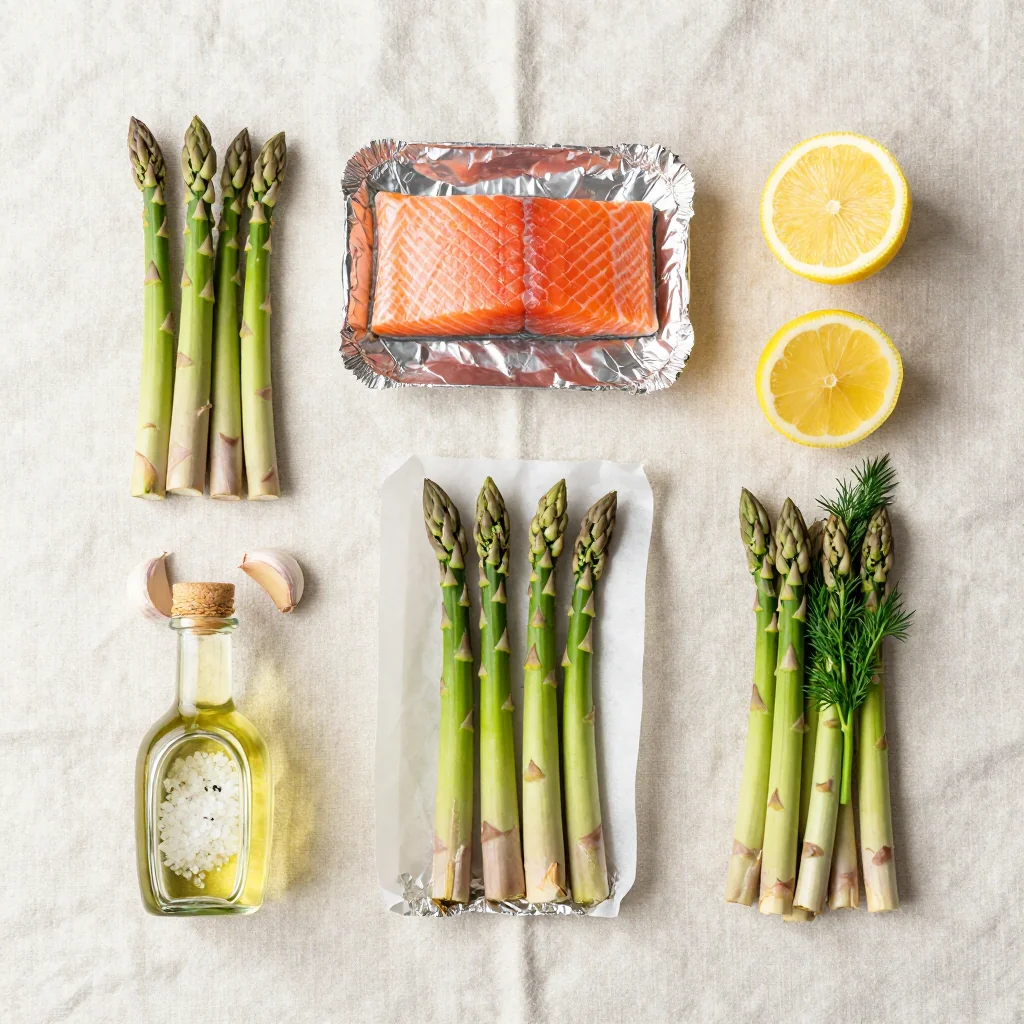
🔍 Focus on Key Ingredients
Salmon Fillets
Salmon is the star of this dish, providing a buttery texture and a dose of heart‑healthy omega‑3 fatty acids. Choose wild‑caught or responsibly farmed salmon with a deep pink hue; avoid any fillet that looks pale or has a strong “fishy” odor. The thickness of each fillet (about 1.5 inches) ensures even cooking inside the foil.
Asparagus
Asparagus contributes a bright, grassy note and a satisfying snap when cooked just right. Look for spears that are firm, with tight tips that haven’t started to open. If the asparagus is thick, you can shave the ends or split the stalks lengthwise for more even cooking.
Lemon & Dill
Lemon adds acidity that cuts through the richness of butter, while dill brings a fresh, slightly sweet herbaceous flavor that pairs perfectly with salmon. Use freshly squeezed lemon juice if you prefer more citrus punch, and always chop dill just before adding it to preserve its aromatic oils.
🔄 Quick Substitutions
| If you don’t have... | Use instead... |
|---|---|
| Fresh dill | Dried dill (¼ tsp) |
| Butter | Olive oil (extra 1 tbsp) |
| Salmon fillets | Trout or cod fillets (same weight) |
👨🍳 Step‑by‑Step Instructions
Follow these clear steps to create perfectly sealed foil packets that steam, bake, and deliver a burst of flavor with each bite.
📋 Phase 1: Preparation & Mise en Place
Gather, trim, and season your ingredients before you start assembling the packets.
Preheat the Oven
Set your oven to 200 °C (390 °F) and let it fully preheat while you prepare the salmon and asparagus. A consistent temperature ensures the foil packets cook evenly and the salmon stays tender.
Trim and Rinse Asparagus
Snap off the woody ends of the asparagus by gently bending each spear; it will break at the natural point. Rinse under cold water, pat dry, and set aside on a clean kitchen towel.
Season the Salmon
Pat the salmon fillets dry with paper towels. Drizzle each fillet with olive oil, then sprinkle evenly with salt, pepper, minced garlic, and chopped dill. Lay a thin lemon slice on top of each piece for a citrus aroma.
🔥 Phase 2: Assembly & Cooking
Wrap the ingredients in foil and bake until perfectly cooked.
Prepare Foil Packets
Cut four large pieces of heavy‑duty aluminum foil, each about 12 × 12 inches. Place a handful of asparagus spears in the center of each sheet, drizzle with olive oil, and season lightly with salt and pepper.
Place Salmon on Asparagus
Lay a seasoned salmon fillet on top of the asparagus bed. Drizzle the melted butter over the fish, and add an extra lemon slice if you love extra zing.
Seal the Packets
Fold the foil over the salmon and asparagus, creating a tight seal. Crimp the edges by folding them over twice, ensuring no steam can escape during baking.
Bake the Packets
Arrange the sealed packets on a rimmed baking sheet and place them in the preheated oven. Bake for 12‑14 minutes, depending on fillet thickness. The foil will puff slightly as steam builds inside.
✨ Phase 3: Finishing & Plating
Check doneness, open the packets, and serve with style.
Check for Doneness
Carefully open one packet (watch out for hot steam). The salmon should flake easily with a fork and be opaque throughout. If the flesh is still translucent, reseal and bake for another 2 minutes.
Plate the Dish
Transfer each packet to a serving plate. For a polished presentation, gently open the foil on the plate, allowing the steam to escape dramatically. Garnish with an extra sprinkle of fresh dill and a wedge of lemon.
Serve and Enjoy
Serve the salmon and asparagus hot, accompanied by a light side such as quinoa, roasted potatoes, or a crisp green salad. The dish pairs beautifully with a chilled glass of Sauvignon Blanc or a sparkling water infused with citrus.
💡 Expert Tips & Tricks
🛒 Choosing the Best Ingredients
When shopping for salmon, look for fillets with a uniform pink color and firm flesh that springs back when pressed. Avoid any that have a dull hue or a strong fishy smell. For asparagus, the tips should be tight and the stalks firm; if they’re limp, the flavor will suffer. Fresh lemons should feel heavy for their size, indicating juiciness, and dill should be bright green without brown edges.
🔪 Preparation Techniques
Pat the salmon dry before seasoning; excess moisture prevents a good sear and can cause the foil to steam rather than bake. Use a sharp chef’s knife to trim the asparagus ends—simply bend each spear and it will snap at the natural breaking point. Mince garlic finely so it distributes evenly and doesn’t create bitter bits.
🌡️ Mastering the Cooking Process
The foil packet acts like a miniature oven, trapping heat and steam. Maintaining a steady oven temperature is crucial; an oven that’s too hot will overcook the salmon, while one that’s too cool will result in soggy asparagus. If you prefer a slightly crisp top, open the foil for the last 2 minutes of baking and broil for 1 minute—watch closely to avoid burning.
🍽️ Presentation & Service
For a restaurant‑style reveal, place the sealed foil packets on a large platter, then at the table, use kitchen shears to cut a small slit and let the aromatic steam escape. Finish with a drizzle of extra‑virgin olive oil and a sprinkle of flaky sea salt for texture. Pair with a simple lemon‑herb quinoa to round out the plate.
🏆 Pro Chef Secrets
Elevate this humble packet dish to a gourmet experience with these professional insights.
- 🎯 Brine the Salmon Briefly: Submerge the fillets in a light brine (½ tsp salt dissolved in ¼ cup water) for 10 minutes before seasoning. The brine helps the fish retain moisture, resulting in an even juicier texture.
- 🎯 Use a Double Layer of Foil: For extra protection against tearing, especially when cooking over high heat, wrap each packet in two sheets of foil. This also prevents any butter from leaking onto the baking sheet.
- 🎯 Add a Touch of Smoke: Sprinkle a pinch of smoked paprika or a few drops of liquid smoke onto the butter before drizzling. The subtle smoky note adds depth without overpowering the delicate salmon.
- 🎯 Finish with a Citrus‑Herb Emulsion: Blend lemon juice, extra‑virgin olive oil, fresh dill, and a splash of white wine vinegar. Drizzle this emulsion over the plated salmon for a bright, glossy finish.
- 🎯 Control Texture of Asparagus: For a slightly crisp bite, blanch the asparagus in boiling water for 2 minutes, then shock in ice water before adding to the foil. This preserves the vibrant green color and snap.
- 🎯 Plate with Color Contrast: Use a dark slate plate or a white ceramic dish to make the pink salmon and bright green asparagus pop visually. Add a few microgreens on the side for an elegant touch.
“Cooking is about creating balance—between flavor, texture, and the story each dish tells.” — Thomas Keller
🔄 Variations & Adaptations
This recipe is a versatile canvas. Below are several creative twists to suit different dietary needs, flavor cravings, and occasions.
🥬 Vegetarian/Vegan Version
Replace the salmon with thick slices of firm tofu or tempeh. Marinate the tofu in the same lemon‑dill mixture, and add a splash of soy sauce for umami. The asparagus remains unchanged, making the dish just as vibrant.
- Use 400 g extra‑firm tofu, pressed and sliced into ½‑inch slabs.
- Add 1 tbsp tamari or soy sauce to the butter‑lemon drizzle for depth.
🌶️ Flavor Variations
Switch up the aromatics to explore global cuisines. Below are three distinct flavor pathways.
Spicy Cajun Version
Rub the salmon with a Cajun seasoning blend (paprika, cayenne, garlic powder, thyme). Add a few slices of jalapeño to the packet for a gentle heat that complements the buttery sauce.
Mediterranean Version
Incorporate sun‑dried tomatoes, Kalamata olives, and a sprinkle of oregano. Finish with a drizzle of extra‑virgin olive oil and a squeeze of fresh orange juice for a sweet‑savory contrast.
Asian‑Inspired Version
Swap lemon for thinly sliced ginger and add a splash of soy sauce, sesame oil, and a pinch of toasted sesame seeds. Garnish with chopped scallions and a drizzle of sriracha mayo after plating.
⚠️ Dietary Adaptations
Gluten‑Free
This recipe is naturally gluten‑free. Ensure any soy sauce or seasoning blends used are labeled gluten‑free.
Lactose‑Free
Replace butter with a dairy‑free alternative such as coconut oil or a plant‑based butter substitute. The flavor profile shifts slightly but remains delicious.
Low‑Calorie
Cut the butter in half and increase the lemon juice for brightness. Use a cooking spray instead of olive oil on the asparagus, and serve with a side of cauliflower rice to keep the calorie count low.
👶 Family/Kids Version
Kids often prefer milder flavors. Omit the garlic and dill, and use a simple lemon‑butter sauce. Cut the salmon into bite‑size pieces before wrapping, and serve with a side of buttery mashed potatoes or simple buttered noodles.
📦 Storage & Reheating
🧊 Storage
Refrigerator
- Duration: 3 days
- Container: Airtight glass container or resealable bag
- Tip: Keep the foil packets intact; they preserve moisture better than uncovered fish.
Freezer
- Duration: 2 months
- Method: Freeze the sealed foil packets on a baking sheet, then transfer to a freezer‑safe zip‑lock bag.
- Defrosting: Thaw overnight in the refrigerator before reheating.
💡 Note: For best texture, reheat from frozen using the oven method rather than the microwave.
♨️ Reheating
🔥 Oven (Recommended)
- Preheat to 180 °C (350 °F).
- Place the foil packet on a baking sheet and cover loosely with another piece of foil.
- Heat for 12‑15 minutes, until the salmon is warmed through.
- Uncover for the final 2 minutes if you’d like a slightly crisp top.
⚡ Microwave (Quick)
- Transfer the contents to a microwave‑safe dish; keep the foil out.
- Cover with a microwave‑safe lid or vented plastic wrap.
- Heat on medium power for 2‑3 minutes, stirring halfway.
- Check temperature; add another 30‑seconds if needed.
🍳 Stovetop
Add a splash of water or broth to a skillet, cover, and gently steam the salmon and asparagus for 5‑7 minutes over low heat. This method restores moisture without drying out the fish.
🍷 Perfect Pairings
🥗 Side Dishes
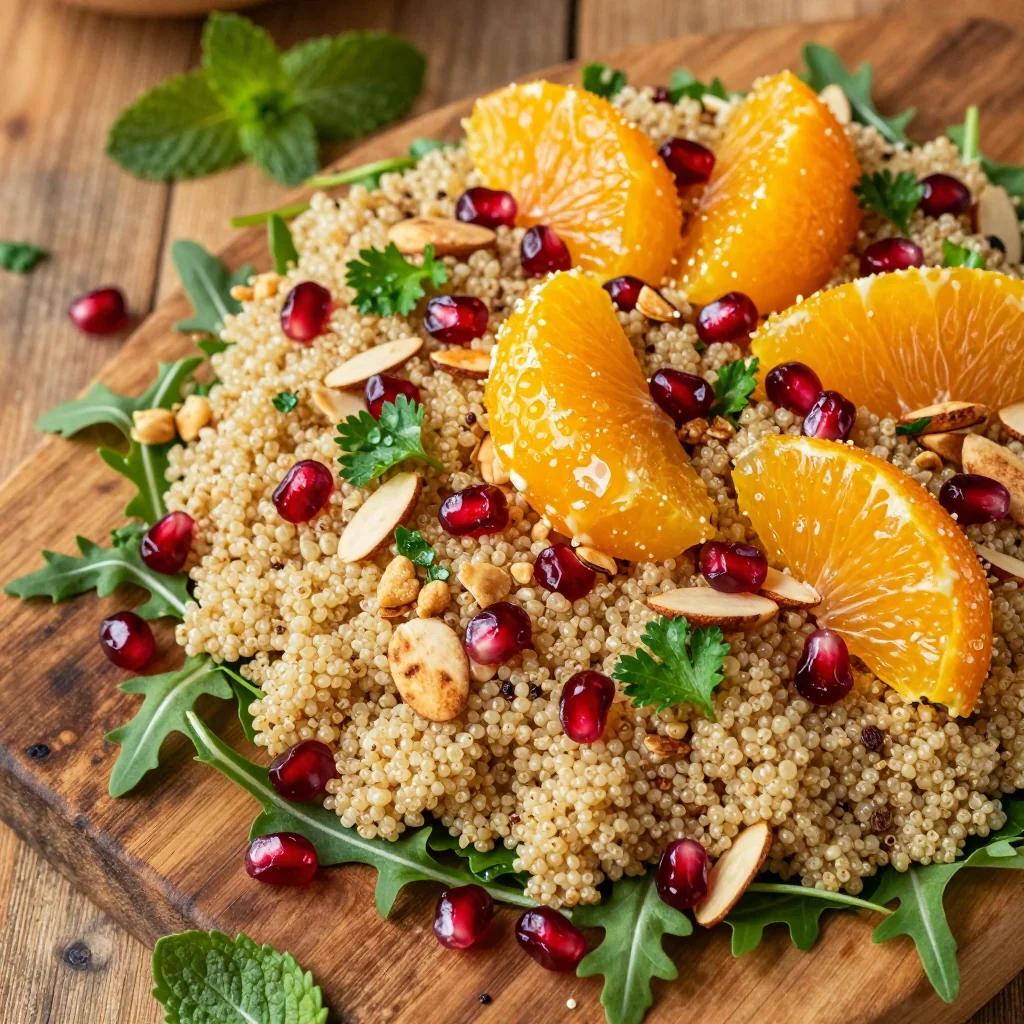
- Quinoa Pilaf: Lightly seasoned quinoa with toasted almonds adds a nutty counterpoint.
- Herb‑Roasted Potatoes: Crispy on the outside, fluffy inside, seasoned with rosemary and thyme.
- Mixed Greens Salad: A simple salad with baby arugula, cherry tomatoes, and a lemon‑vinaigrette brightens the plate.
🍷 Wine & Beverage
- Sauvignon Blanc: Its crisp acidity matches the lemon and cuts through the butter.
- Chardonnay (unoaked): Offers a buttery mouthfeel that mirrors the sauce without overwhelming.
- Non‑Alcoholic: Sparkling water with a splash of grapefruit juice and a sprig of mint.
🍰 Completing the Meal
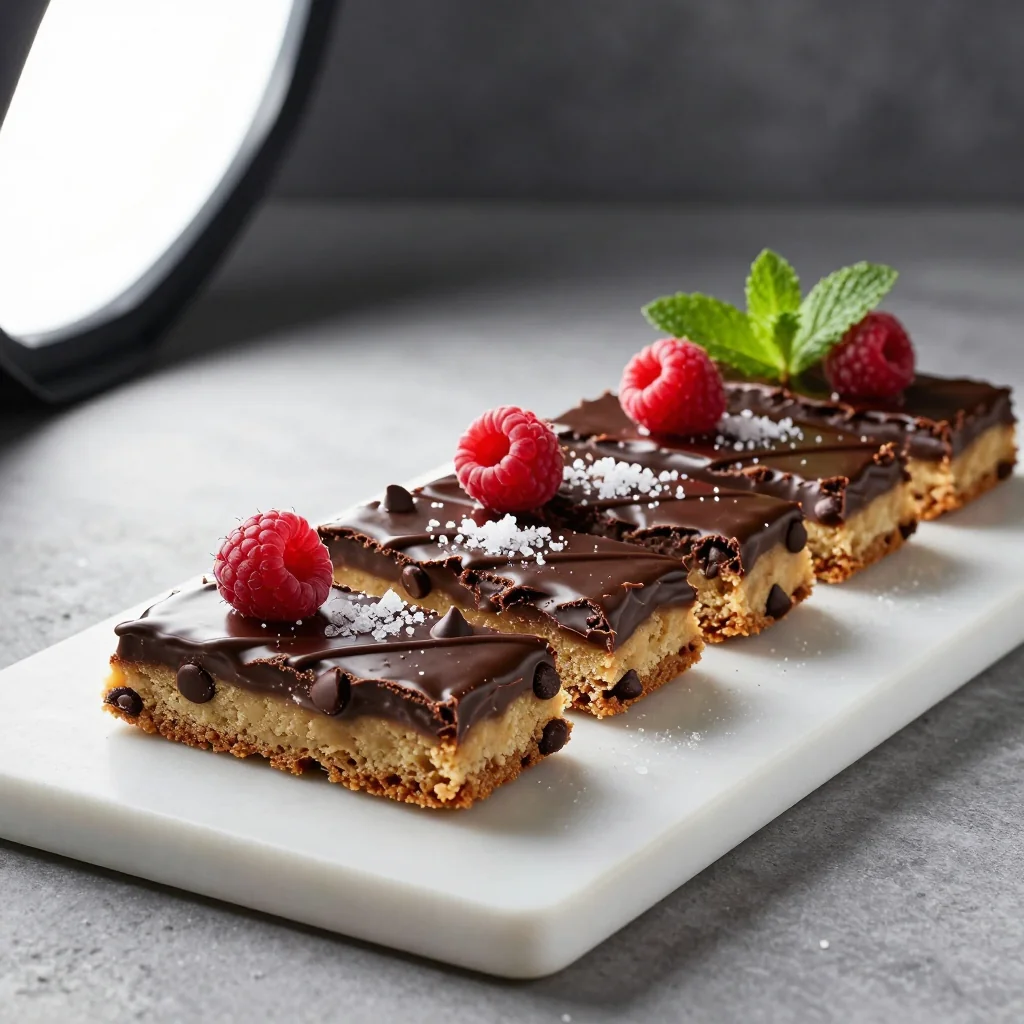
Start with a light citrus sorbet or a chilled cucumber gazpacho as an appetizer. For dessert, consider a vanilla panna cotta topped with fresh berries, allowing the meal to end on a sweet yet delicate note.
❓ Frequently Asked Questions
Q: Can I use frozen salmon instead of fresh?
Yes, you can. Thaw the frozen fillets in the refrigerator overnight, then pat them dry before seasoning. Frozen salmon may release a bit more moisture, so you might want to add an extra ½ tbsp of butter to keep the packet juicy.
Q: How do I know when the salmon is fully cooked?
The salmon is done when it flakes easily with a fork and the flesh has turned opaque from pink to a light, flaky color. A quick internal temperature check should read 63 °C (145 °F). If you prefer a slightly pink center, aim for 60 °C (140 °F) and let it rest for a minute.
Q: My asparagus turned mushy—what went wrong?
Overcooking is the most common cause. Ensure you cut the asparagus into uniform spears and do not exceed the recommended 12‑14 minute bake time. For firmer spears, consider blanching them for 2 minutes before adding to the packet, as mentioned in the pro tips.
Q: Can I add other vegetables?
Absolutely! Thinly sliced carrots, zucchini rounds, or bell pepper strips work well. Keep the size uniform so they cook at the same rate as the asparagus. Add no more than an extra cup of vegetables to avoid overcrowding the packet.
Q: How can I make the dish spicier?
Add a pinch of red pepper flakes to the seasoning mix, or drizzle a teaspoon of sriracha over the salmon before sealing. For a deeper heat, incorporate a sliced jalapeño or a dash of chipotle powder into the butter drizzle.
Q: Is it safe to reuse the foil after cooking?
Reusing foil is not recommended for this recipe because the butter and juices can cause sticking and potential contamination. It’s best to use fresh foil for each batch to ensure optimal texture and food safety.
🎉 Let’s Get Cooking!
This salmon and asparagus foil packet recipe combines simplicity with gourmet flair, delivering a wholesome, flavorful meal in under half an hour. By mastering the art of sealing the foil and balancing buttery richness with bright citrus, you’ll impress guests and treat yourself to a restaurant‑quality dish without the fuss.
Remember to experiment with the variations—whether you’re craving a smoky Cajun twist or a delicate Asian infusion, the base technique stays the same. Adjust the portion size with our handy calculator, and enjoy the flexibility of a dish that adapts to any palate.
Have you tried this recipe?
Leave a comment and rating below! Share your photos on Instagram with #FoilPackFeast for a chance to be featured.
Salmon with Asparagus Foil Packets
Butter‑basted salmon and crisp asparagus, all steamed together in a fragrant foil packet.
📝 Ingredients
Salmon Packets
Asparagus
👨🍳 Instructions
- 1 Preheat oven to 200 °C (390 °F).
- 2 Trim asparagus, drizzle with olive oil, and season.
- 3 Season salmon fillets with olive oil, butter, garlic, dill, lemon, salt, and pepper.
- 4 Place asparagus on foil, top with salmon, add extra butter, and seal tightly.
- 5 Bake for 12‑14 minutes until salmon flakes.
- 6 Open packets, check doneness, and let rest 2 minutes.
- 7 Plate, garnish with fresh dill and lemon wedge.
- 8 Serve with your choice of side.
- 9 Store leftovers in airtight containers.
- 10 Reheat using oven or microwave as described.
🥗 Nutrition (per serving)
*Values are approximate and based on standard ingredient brands.
📚 You Might Also Like
Lemon Garlic Shrimp Skewers
Herb‑Crusted Cod
Garlic Butter Scallops



💬 Comments & Reviews
Leave a Comment
No comments yet. Be the first to share your thoughts!