I remember the night my friend dared me to cook something that would make everyone in the house beg for a second helping. I had a stack of chicken thighs, a can of pineapple, and a bottle of soy sauce that had been sitting in the pantry for months. I mixed a dash of brown sugar, a few cloves of garlic, and a spoonful of fresh ginger, and I thought, “What if I combine these with the sweet, tangy vibes of Hawaiian huli-huli?” The moment the sauce hit the pan and the aroma hit the air, I knew I had stumbled onto something that was about to become the talk of my kitchen.
The first bite was a revelation: the chicken was succulent, the sauce glossy and sweet, and the cabbage added a satisfying crunch that snapped like thin ice. The tomatoes burst with freshness, balancing the deep umami of soy sauce and the bright, tropical sweetness of pineapple. Each ingredient sang its own note, but together they created a chorus that was louder than any single flavor could achieve. I dared you to taste this and not go back for seconds, and I’m still waiting for that moment when you do.
What makes this version stand out is not just the combination of flavors, but the precision of technique. I let the chicken sear until the edges were caramelized, then I simmered it in a sauce that reduced to a syrupy glaze that coated the meat like velvet. The cabbage was added at the right moment to keep its crunch, and the cilantro finished it off with a burst of freshness. It’s a dish that feels like a tropical vacation in a skillet, yet it’s simple enough to make on a weekday night.
This is hands down the best version you'll ever make at home. I’ve tried countless variations of huli-huli chicken, but none of them matched the balance of sweet, salty, and umami in this recipe. The secret? A small amount of pineapple juice, a touch of brown sugar, and a generous amount of garlic. Let me walk you through every single step — by the end, you'll wonder how you ever made it any other way.
What Makes This Version Stand Out
- Flavor: The sauce is a symphony of sweet pineapple, savory soy, and aromatic garlic that coats the chicken like a glossy lacquer. The balance of sweetness and umami is achieved with a precise ratio, ensuring every bite is both rich and refreshing.
- Texture: The chicken’s skin crisps to a golden finish while the inside remains tender. The shredded cabbage adds a crisp snap, and the diced tomatoes introduce juiciness that cuts through the richness.
- Convenience: With only a handful of pantry staples, the entire dish can be assembled in 15 minutes and cooked in 30 minutes. It’s a one‑pot wonder that keeps clean‑up to a minimum.
- Versatility: This base can be served over rice, quinoa, or even wrapped in lettuce leaves for a low‑carb option. Swap the chicken for pork or tofu and you’ll still get the same flavor profile.
- Crowd Appeal: Even the most skeptical diners will find themselves reaching for seconds, thanks to the irresistible glaze and the playful crunch of the cabbage.
- Make‑Ahead Friendly: The sauce can be prepared in advance and refrigerated; the chicken can be marinated overnight for deeper flavor infusion.
Inside the Ingredient List
The Flavor Base
Soy sauce is the backbone of the glaze, providing a salty umami depth that anchors the sweetness of pineapple juice. The pineapple juice introduces a tropical brightness that cuts through the richness of the sauce; if you substitute it with orange juice, the dish becomes more citrusy but loses the classic huli‑huli vibe. Brown sugar balances the acidity, creating a syrupy consistency that clings to the chicken. Garlic adds a punch of aromatic heat; if you skip it, the sauce will taste flat and uninspired. Fresh ginger injects a subtle zing that lifts the entire flavor profile; using ground ginger will dilute its freshness.
The Texture Crew
Shredded cabbage brings a satisfying crunch that contrasts with the tender chicken. If you prefer a softer texture, lightly blanch the cabbage before adding it to the pan. Diced tomatoes provide bursts of juiciness that keep the dish from becoming dry; replace them with sun‑dried tomatoes for a concentrated sweetness. Each of these ingredients plays a crucial role in balancing flavor with mouthfeel.
The Unexpected Star
Bone‑in chicken thighs are chosen for their juiciness and rich flavor; the bone adds depth to the sauce as it cooks. If you’re short on time, boneless thighs will work, but you’ll miss that subtle savory note. Using thighs instead of breasts prevents the meat from drying out, ensuring every bite remains succulent.
The Final Flourish
Fresh cilantro or green onions add a bright, herbal note that cuts through the sweetness of the glaze. They also provide a pop of color that makes the dish visually appealing. If cilantro is not available, parsley can be used as a substitute, though the flavor will be slightly different.
Everything's prepped? Good. Let's get into the real action...
The Method — Step by Step
- Preheat your oven to 400°F (200°C). Pat the chicken thighs dry with paper towels; this helps the skin crisp up. Season both sides generously with salt and pepper, then set them aside while you prepare the sauce. The aroma of the seasoned chicken will start to mingle with the sweet scent of pineapple juice, hinting at the deliciousness to come.
- In a small bowl, whisk together soy sauce, pineapple juice, brown sugar, minced garlic, and grated ginger until the sugar dissolves. The mixture should have a syrupy consistency; if it’s too thin, let it sit for a few minutes to thicken. This sauce will form the foundation of the glaze that will coat the chicken like velvet.
- Heat a cast‑iron skillet over medium‑high heat and add a splash of oil. Once the oil shimmers, place the chicken thighs skin‑side down and sear until the skin turns golden brown, about 4–5 minutes. Flip the thighs and sear the other side for an additional 3 minutes. This step locks in juices and creates a caramelized crust that holds the sauce.
- Pour the prepared sauce over the seared chicken, making sure each piece is coated. Reduce the heat to medium and let the mixture simmer for about 10 minutes, allowing the sauce to thicken and the flavors to meld. The sauce should reduce to a glossy glaze that clings to the chicken like a coat of honey.
- Add the shredded cabbage and diced tomatoes to the skillet, stirring gently so the vegetables are evenly distributed. The cabbage should begin to wilt but still retain a slight crunch; the tomatoes should release their juices, creating a subtle sauce. This combination adds layers of texture and a burst of freshness.
- Transfer the skillet to the preheated oven and bake for 15–20 minutes, or until the chicken reaches an internal temperature of 165°F (74°C). The oven helps the glaze caramelize further while ensuring the chicken cooks through without drying out. Keep a close eye on the sauce; if it becomes too thick, add a splash of water to loosen it.
- Remove the skillet from the oven and let the chicken rest for 5 minutes. Resting allows the juices to redistribute, making the meat even more tender. While the chicken rests, sprinkle the fresh cilantro or green onions over the top for a burst of color and freshness.
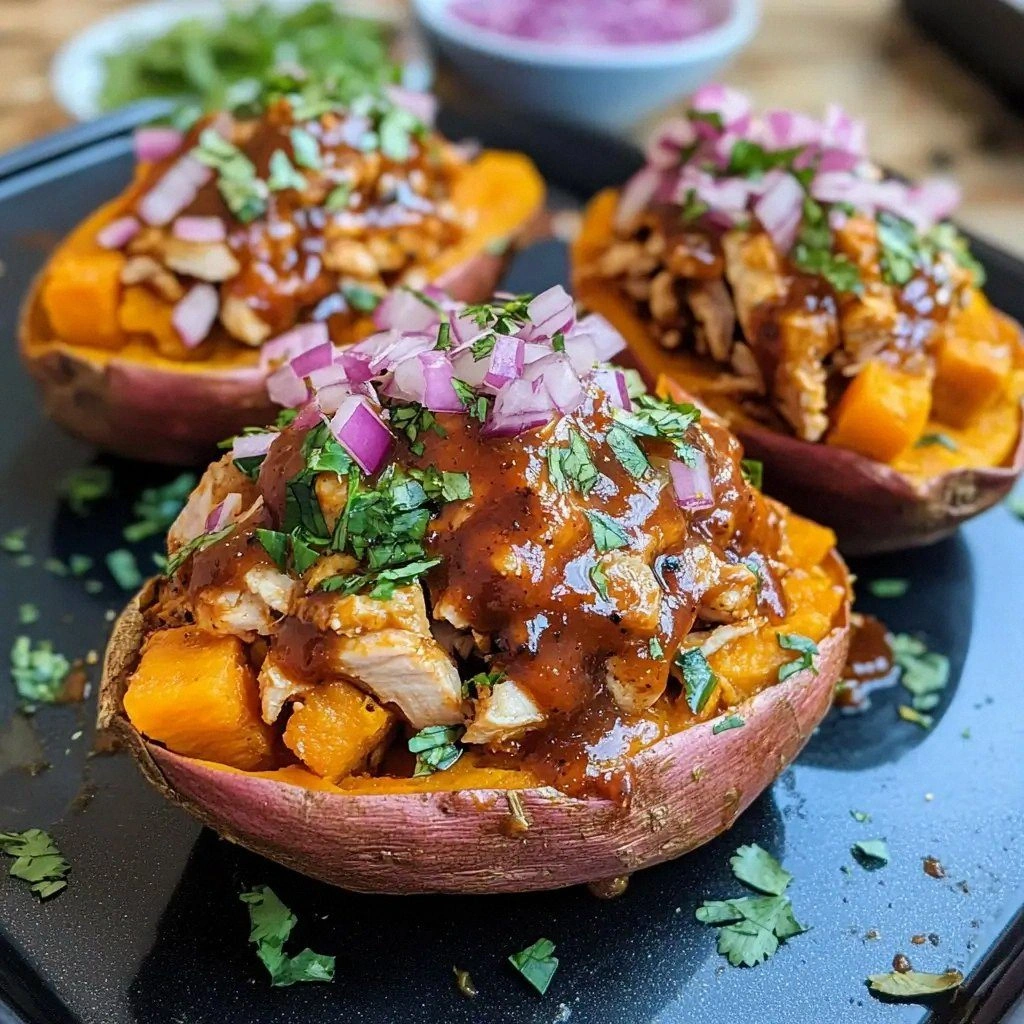
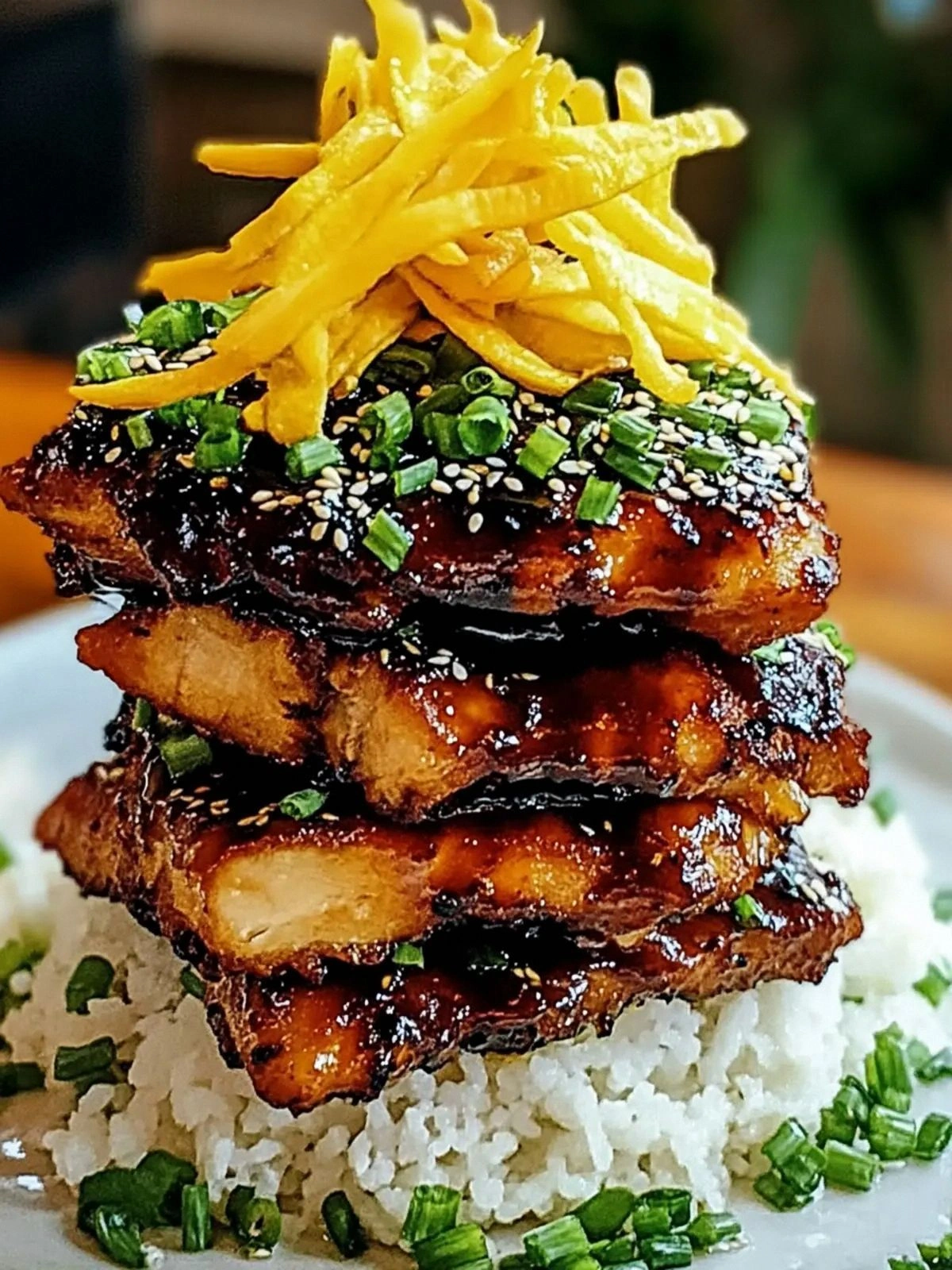
- Slice the chicken thighs into bite‑sized pieces and arrange them over a bed of shredded cabbage and tomatoes. Drizzle any remaining glaze over the top, ensuring every piece is coated. This plating method showcases the glossy sauce and the vibrant colors of the vegetables.
- Serve immediately with steamed rice or quinoa. The rice soaks up the remaining sauce, creating a comforting, all‑in‑one meal. Picture yourself pulling this out of the oven, the whole kitchen smelling incredible, and the first bite is a burst of tropical delight.
That's it — you did it. But hold on, I've got a few more tricks that'll take this to another level...
Insider Tricks for Flawless Results
The Temperature Rule Nobody Follows
Many cooks assume a high oven temperature is always better, but for this dish, a moderate 400°F (200°C) works best. It allows the glaze to caramelize slowly, preventing it from burning while still achieving that glossy finish. I once tried 425°F and the sauce burned before the chicken finished cooking, ruining the entire dish.
Why Your Nose Knows Best
Before you even start, sniff the sauce; it should smell sweet, slightly tangy, and aromatic. If the aroma leans too much toward the sweet side, you’re missing the balance of soy and ginger. Trusting your nose ensures you catch any off‑balance early and adjust before it’s too late.
The 5‑Minute Rest That Changes Everything
After baking, let the chicken rest for exactly five minutes. This short pause allows the juices to settle, preventing them from spilling onto the plate. The result is a juicier bite every time, and it keeps the sauce from becoming too watery.
The One‑Pot Secret
Using a single skillet for all steps not only saves time but also intensifies flavor. The caramelized bits left on the pan become part of the sauce, adding depth. Don’t rinse the skillet after cooking; the leftover bits are the key to that signature taste.
The Quick Pickle Trick
If you prefer a tangier version, add a splash of rice vinegar during the last five minutes of baking. The acidity brightens the glaze and balances the sweetness. It also gives the dish a subtle zing that elevates the overall flavor.
Creative Twists and Variations
Pork Belly Huli‑Huli
Swap the chicken for pork belly cubes; the fat renders beautifully, creating a richer sauce. The pork’s texture contrasts with the crunchy cabbage, offering a new mouthfeel. This version is perfect for a hearty dinner or a festive gathering.
Tofu & Veggie Huli‑Huli
For a vegetarian option, use firm tofu cubes and add sliced bell peppers. Press the tofu to remove excess moisture before searing to ensure a crispy exterior. The tofu absorbs the glaze, making it a satisfying plant‑based alternative.
Spicy Pineapple Huli‑Huli
Add a tablespoon of sriracha or fresh red pepper flakes to the sauce for a kick. The heat pairs wonderfully with the sweetness of pineapple, creating a balanced spicy‑sweet profile. Serve with a side of cooling cucumber salad to offset the heat.
Coconut Milk Twist
Stir in half a cup of coconut milk during the sauce reduction to add creaminess. The coconut complements the pineapple and soy, creating a tropical, silky glaze. This variation works well with a side of jasmine rice.
Lemon‑Garlic Huli‑Huli
Replace pineapple juice with fresh lemon juice for a brighter, citrusy flavor. The lemon adds a zesty note that cuts through the richness of the sauce. Pair it with a sprinkle of toasted almonds for extra texture.
Herb‑Infused Huli‑Huli
Add a handful of fresh basil or mint to the sauce for a fragrant finish. The herbs bring a fresh, aromatic layer that elevates the dish. This version is ideal for a light summer meal.
Storing and Bringing It Back to Life
Fridge Storage
Store the cooked dish in an airtight container for up to three days. Keep the chicken and vegetables separate if you plan to reheat individually. This helps maintain the crunch of the cabbage and the tenderness of the chicken.
Freezer Friendly
Freeze the dish in portions for up to two months. Thaw overnight in the refrigerator before reheating. Reheat gently in a skillet or microwave, adding a splash of water to keep the sauce from drying out.
Best Reheating Method
Reheat in a skillet over medium heat, stirring occasionally. Add a tiny splash of water or broth to steam the dish back to perfection. Finish with a sprinkle of fresh cilantro for a burst of color and flavor.