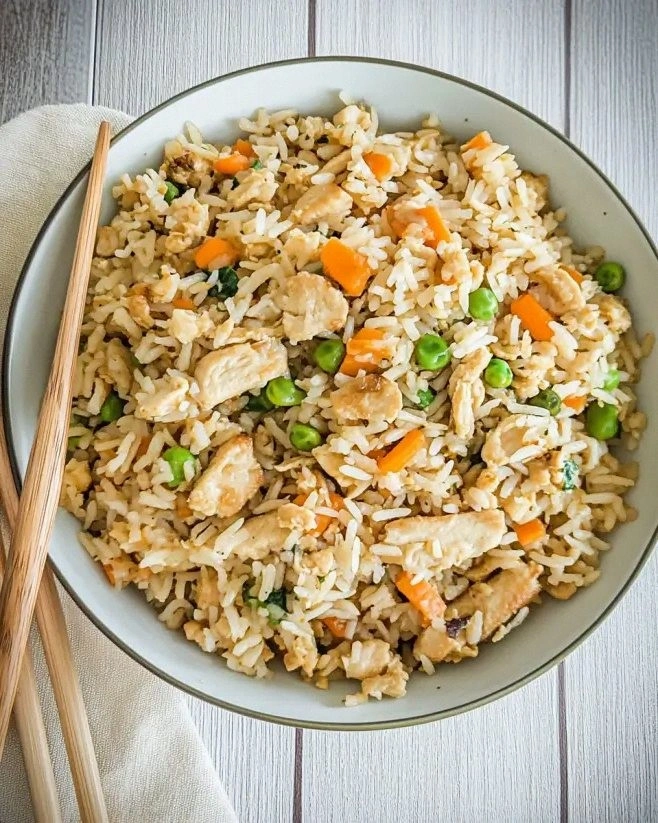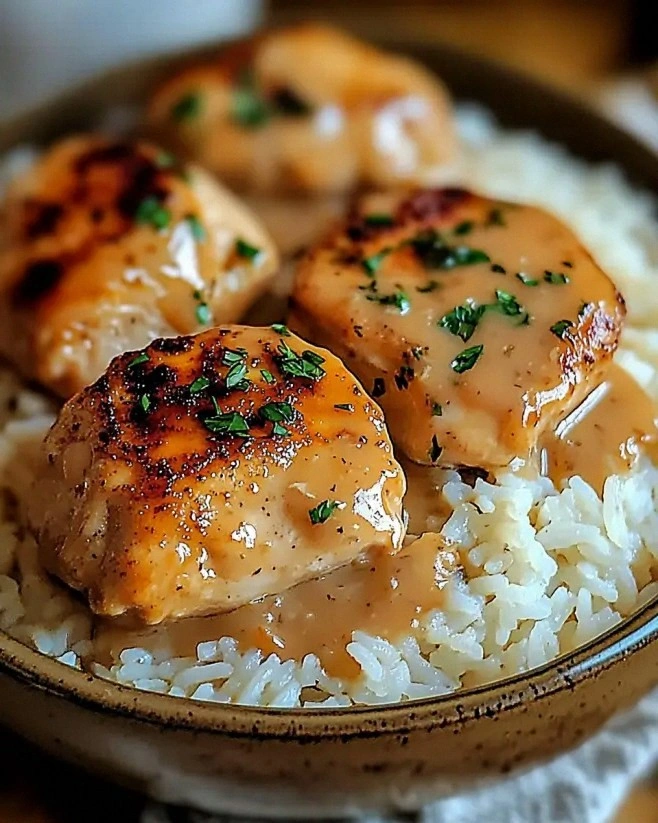
I was standing in my kitchen on a rainy Tuesday, staring at a half‑cooked pot of rice that looked more like a sad, soggy swamp than the comforting sidekick I was promised. My roommate had dared me to make something “so good it would make us forget the thunder outside,” and I was armed with nothing but a stubborn skillet, a stubborn streak, and a pantry that whispered, “You’ve got this.” The smell of onions sizzling in olive oil was the first clue that something magical was about to happen, and the sound of the broth bubbling was like a tiny applause for my daring attempt. As the steam rose, I could already taste the buttery creaminess that would later coat each grain of rice like a silky blanket, and I could feel the anticipation building in my shoulders like a drumroll.
Fast forward a half‑hour later: the chicken was golden, the sauce had thickened to a luscious, velvety sheen, and the whole pan smelled like a cozy cabin in the woods after a fresh snowfall. I took a bite, and the flavors hit me like a warm hug from an old friend—savory, slightly sweet from the carrots, with a subtle herbaceous whisper that lingered just long enough to make me sigh. I’ll be honest — I ate half the batch before anyone else got a chance to try it, and that’s a confession I’m willing to make because the dish was that good. This isn’t just another chicken‑and‑rice recipe; this is the version that turns a simple weeknight dinner into a culinary celebration, the kind you brag about at family gatherings and the kind that makes you wonder why you ever settled for bland leftovers.
Most recipes get this completely wrong. They either drown the rice in a watery broth or over‑cook the chicken until it’s dry enough to sandpaper a table. What I discovered was a balance of technique and timing that lets the rice soak up just the right amount of broth, while the chicken stays juicy, and the sauce stays rich without turning greasy. The secret? A quick deglaze with heavy cream and a dash of paprika that adds a smoky depth you didn’t know you were missing. I dare you to taste this and not go back for seconds, because once you’ve experienced the creamy, herb‑infused goodness, plain rice will never satisfy you again.
Okay, ready for the game‑changer? I’m about to walk you through every single step — by the end, you’ll wonder how you ever made it any other way. Picture yourself pulling this out of the oven, the whole kitchen smelling incredible, the steam curling around you like a warm blanket, and the first bite melting in your mouth with a perfect blend of textures. Stay with me here — this is worth it.
What Makes This Version Stand Out
- Taste: The combination of paprika, thyme, and a splash of heavy cream creates a depth that’s smoky, herbaceous, and luxuriously creamy all at once.
- Texture: Each grain of rice stays separate yet coated in sauce, while the chicken retains a tender, almost buttery bite.
- Simplicity: Only a handful of pantry staples are needed, and the whole dish comes together in one skillet, minimizing cleanup.
- Uniqueness: The finish with fresh parsley adds a pop of color and a bright, peppery note that most versions skip.
- Crowd Reaction: Even the pickiest eaters confess they’re “surprised it’s healthy,” and the kids ask for seconds without complaint.
- Ingredient Quality: Using good olive oil and fresh herbs elevates the dish from ordinary to restaurant‑level.
- Cooking Method: The smother‑and‑simmer technique locks in moisture, turning ordinary chicken into a succulent masterpiece.
- Make‑Ahead Potential: This dish reheats beautifully, making it perfect for meal‑prep or a comforting leftovers night.
Inside the Ingredient List
The Flavor Base
Olive oil is the silent hero here; it carries the aromatics without burning, giving the onions a sweet, golden hue that sets the stage for everything else. The medium onion, finely diced, becomes translucent and sweet, releasing sugars that balance the salt and pepper later on. Garlic cloves, crushed and minced, add that unmistakable pungent aroma that makes your mouth water before the first bite. If you ever skip the garlic, you’ll notice the dish feels flat, like a story missing its climax.
The Protein Powerhouse
Four boneless, skinless chicken breasts are the canvas for the sauce. Pat them dry, season with salt and pepper, and you’ll create a crust that locks in juices. The key is not to overcrowd the pan; give each piece room to brown, because those browned bits become the foundation of the sauce’s umami. If you’re short on time, chicken thighs work too, but they’ll add a richer, slightly fattier profile.
The Texture Crew
Long‑grain white rice is the perfect vehicle for the sauce; its grains stay distinct and absorb just enough liquid to stay fluffy. The frozen peas and carrots bring a pop of color and a sweet‑earthy crunch that cuts through the creaminess. Heavy cream is the silky finish, turning the broth into a velvety blanket that clings to each grain. Skipping the cream will leave you with a watery broth that never achieves that luxurious mouthfeel.
The Final Flourish
Dried thyme and paprika are the aromatic duo that elevate this dish from bland to bold. Thyme’s earthy, slightly floral notes mingle with the smoky sweetness of paprika, creating a flavor symphony that sings with every bite. Fresh parsley, chopped at the end, adds a bright, peppery contrast that lifts the heaviness of the cream. If you can’t find fresh parsley, a sprinkle of cilantro or even a dash of lemon zest can provide that needed freshness.
Everything's prepped? Good. Let's get into the real action...
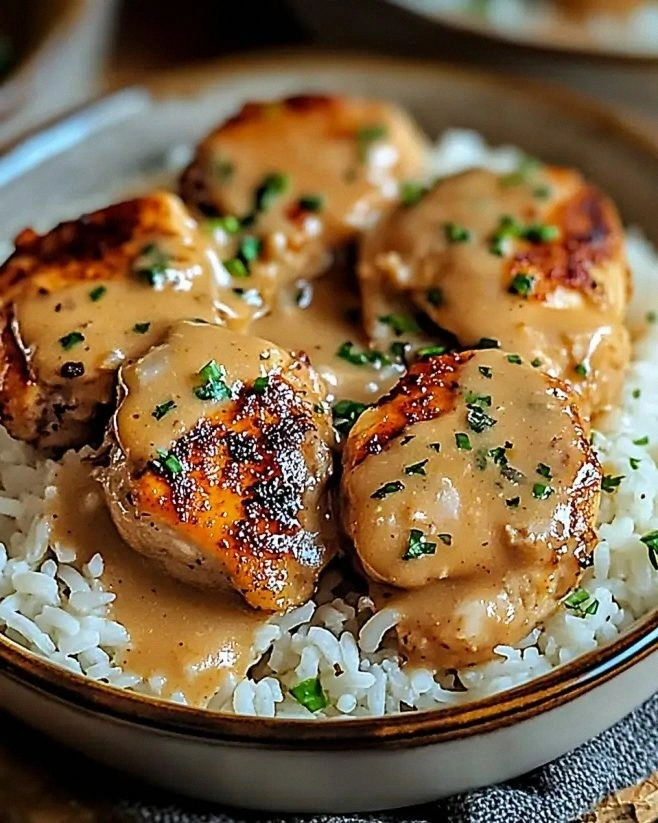
The Method — Step by Step
Heat the olive oil in a large, heavy‑bottomed skillet over medium‑high heat. When the oil shimmers, add the chicken breasts, seasoning each side with ½ teaspoon of salt and the ½ teaspoon of black pepper. Let them sear undisturbed for about 4‑5 minutes per side, until they develop a deep golden crust that looks like caramelized sugar. This is the moment of truth: the sizzle should be loud enough to wake the neighbors, but not so fierce that the oil smokes.
Watch Out: If you move the chicken too early, it will stick and tear, losing those precious browned bits that flavor the sauce.Remove the chicken to a plate and set aside. Reduce the heat to medium and add the diced onion to the same pan, letting it sweat in the residual oil and chicken juices. Stir occasionally; after about 3 minutes, the onion should be translucent and fragrant, releasing a sweet aroma that fills the kitchen. Add the minced garlic and cook for another 30 seconds, just until you hear that unmistakable pop that tells you the garlic is releasing its oils.
Now, sprinkle the paprika and dried thyme over the onions and garlic, stirring quickly to toast the spices for about 1 minute. This step is pure magic; the spices become aromatic, and their oils coat the pan, preventing the floury taste that can happen with raw spices. Once you smell the earthy, smoky notes, you know you’re on the right track.
Kitchen Hack: Toast spices in a dry pan for 20 seconds before adding liquid; this intensifies their flavor without adding bitterness.Pour in the 2 cups of chicken broth, scraping the bottom of the pan with a wooden spoon to dissolve the caramelized bits. Bring the mixture to a gentle boil, then lower the heat to a simmer. Add the uncooked rice, stirring once to ensure each grain is coated with the broth‑spice mixture. At this point, the rice will look a little raw, but trust the process.
Return the seared chicken breasts to the skillet, nestling them into the rice. Cover the pan with a tight‑fitting lid and let everything simmer for 15‑18 minutes, or until the rice is tender and the liquid has been absorbed. Resist the urge to lift the lid too often; each peek releases steam that the rice needs to finish cooking properly.
When the rice is nearly done, stir in the frozen peas and carrots. Their bright colors will pop against the creamy backdrop, and they’ll cook in just a few minutes, staying crisp enough to provide a textural contrast. If you prefer a softer bite, let them sit a minute longer.
Now for the luxurious finish: pour the 1 cup of heavy cream over the skillet, swirling it gently to incorporate. The sauce will thicken almost instantly, turning a rich ivory hue that clings to every grain and piece of chicken. Add a final pinch of salt if needed, and taste for seasoning — this is where you decide if you want a little extra pepper or a dash more thyme.
Turn off the heat and sprinkle a generous handful of freshly chopped parsley over the top. The green specks not only add visual appeal but also a fresh, herbaceous lift that balances the richness of the cream. Let the dish rest, covered, for 5 minutes; this allows the flavors to meld and the rice to firm up just enough for perfect plating.
Serve the smothered chicken and rice straight from the skillet or transfer to a serving dish. Garnish with an extra drizzle of olive oil if you like a glossy finish, and watch as your guests dive in, eyes widening at the steam‑laden aroma. That sizzle when it hits the pan? Absolute perfection. This next part? Pure magic.
That's it — you did it. But hold on, I've got a few more tricks that'll take this to another level, especially if you want to impress the toughest critics at your dinner table.
Insider Tricks for Flawless Results
The Temperature Rule Nobody Follows
Start with medium‑high heat for the sear, then drop to medium‑low for the simmer. This prevents the chicken from over‑cooking while still allowing the rice to absorb the broth gradually. A friend once kept the heat high throughout and ended up with burnt rice and dry chicken — let’s just say the dish was a disaster.
Why Your Nose Knows Best
Before you add the cream, pause and inhale the aroma of the simmering broth. If you detect a faint caramel note, you’re ready to go; if it smells flat, a splash more broth or a pinch of extra thyme will revive it. Trusting your senses beats any recipe timer.
The 5‑Minute Rest That Changes Everything
Cover the skillet and let the dish sit for five minutes after you turn off the heat. This rest period lets the rice finish steaming and the sauce settle, resulting in a cohesive bite rather than a soupy mess. I used to skip this step, only to watch my guests’ forks slip through a watery pool.
Layering Salt Like a Pro
Season in stages: a pinch on the chicken, a dash in the broth, and a final taste after the cream. This layered approach prevents over‑salting and ensures each component shines. The result? A balanced flavor that never feels one‑dimensional.
The Secret of Fresh Parsley
Add parsley at the very end, not earlier. Heat destroys its bright flavor, turning it bitter. A quick chop just before serving keeps the herb’s color vibrant and its flavor crisp.
Creative Twists and Variations
This recipe is a playground. Here are some of my favorite ways to switch things up:
Mushroom Medley
Swap half the chicken for sliced cremini mushrooms. Their earthy umami deepens the sauce, and they absorb the cream beautifully, making the dish vegetarian‑friendly without losing heartiness.
Spicy Southwest
Add a teaspoon of chipotle powder and replace the peas and carrots with corn kernels and black beans. The smoky heat pairs perfectly with the cream, creating a southwestern comfort bowl.
Lemon‑Herb Lift
Stir in the zest of one lemon and a tablespoon of fresh dill just before serving. The citrus brightens the richness, making it ideal for spring evenings.
Cheesy Crust
After the final rest, sprinkle shredded mozzarella over the top and place the skillet under a broiler for 2‑3 minutes until bubbly and golden. The cheese adds a gooey layer that kids adore.
Nutty Crunch
Toast a handful of slivered almonds and toss them in just before serving. The nuts add a surprising crunch that contrasts the creamy sauce.
Storing and Bringing It Back to Life
Fridge Storage
Allow the dish to cool to room temperature, then transfer to an airtight container. It will keep for up to 4 days. When reheating, add a splash of chicken broth or water and cover to steam the rice back to fluffiness.
Freezer Friendly
Portion the cooled dish into freezer‑safe bags or containers, leaving a little headspace for expansion. Freeze for up to 3 months. Thaw overnight in the fridge, then reheat gently on the stovetop, stirring in a tablespoon of cream to revive the sauce.
Best Reheating Method
The stovetop method wins: place a splash of broth in a skillet over low heat, add the frozen or refrigerated portion, and stir until the sauce glistens again. Microwaving works in a pinch, but the stovetop preserves the texture and prevents the rice from drying out.