Picture this: I’m standing in my tiny kitchen, the timer on my old microwave ticking down, and a sudden craving for something that feels both home‑cooked and restaurant‑worthy hits me like a wave. I grabbed a bag of frozen shrimp, a lone box of rice, and whatever vegetables were lurking in the back of the freezer, then I thought, “What if I could turn this pantry scramble into a dish that makes my friends beg for the recipe?” The result? A bowl of Shrimp Rice Vegetables that is so addictive, I dare you to taste it and not go back for seconds. Most recipes get this completely wrong—either the shrimp ends up rubbery, the rice sticks together, or the veggies turn soggy. Not this one. I’ve cracked the code, and I’m about to spill every secret.
The moment the pan hits the stove, you hear that satisfying sizzle, a sound that says “we’re about to create something magical.” The aroma of garlic and sesame oil swirls around the kitchen, mingling with the sweet scent of caramelizing onions, while the shrimp blushes pink and releases a briny perfume that makes your mouth water before the first bite. The rice, perfectly fluffy, absorbs the flavors without turning mushy, and the vegetables keep a crisp snap that adds texture like tiny fireworks. When you finally scoop a forkful, the sauce coats each grain like velvet, the shrimp offers a buttery chew, and the veggies provide a fresh crunch—pure harmony.
Why does this version stand out? Because I’ve taken the classic shrimp‑and‑rice combo and elevated it with a few game‑changing techniques: a quick toast of the rice before cooking, a splash of soy‑sesame glaze that locks in umami, and a finishing drizzle of green onion oil that adds a fragrant lift. You won’t find any confusing steps or obscure ingredients—just straightforward, bold flavors that work together like a well‑rehearsed band. And there’s a surprise ingredient that most people overlook: a pinch of red pepper flakes that adds a subtle heat, turning the dish from “nice” to “unforgettable.”
Let me walk you through every single step — by the end, you’ll wonder how you ever made it any other way. Okay, ready for the game‑changer? Grab your apron, fire up that stove, and let’s dive into the ultimate Shrimp Rice Vegetables experience.
What Makes This Version Stand Out
- Flavor Explosion: The combination of soy, sesame, and a hint of red pepper flakes creates layers of umami that linger on the palate.
- Texture Balance: Toasted rice gives a slight chew, while the shrimp stays tender and the vegetables stay crisp.
- Simplicity: Only ten pantry staples are needed, no fancy equipment, just a single skillet.
- Uniqueness: The finishing drizzle of green onion oil adds a fresh, aromatic lift you won’t get from ordinary recipes.
- Crowd Reaction: I’ve watched friends turn pale with anticipation and then grin ear‑to‑ear after the first bite.
- Ingredient Quality: Fresh shrimp and jasmine rice are the backbone; they demand respect, and this recipe gives it.
- Cooking Method: The two‑stage cooking—toast then simmer—prevents soggy rice and ensures even flavor distribution.
- Make‑Ahead Potential: You can prep the rice and veggies ahead, then finish the dish in under 15 minutes.
Inside the Ingredient List
The Flavor Base
Shrimp (1 lb): The star of the show. Fresh, peeled, and deveined shrimp bring a sweet brininess that pairs perfectly with soy. If you skip the shrimp, you lose the oceanic backbone—use firm tofu for a vegetarian twist, but expect a different vibe.
Garlic (3 cloves, minced): Garlic is the aromatic glue that binds the sauce. Its pungent bite mellows as it cooks, turning sweet and buttery. Missing it makes the dish feel flat; try roasted garlic for a deeper flavor.
Onion (1 medium, diced): Onions add a subtle sweetness and a base note that rounds out the umami. Caramelizing them just a touch brings a caramel‑gold hue. If you’re sensitive, swap for shallots for a milder profile.
The Texture Crew
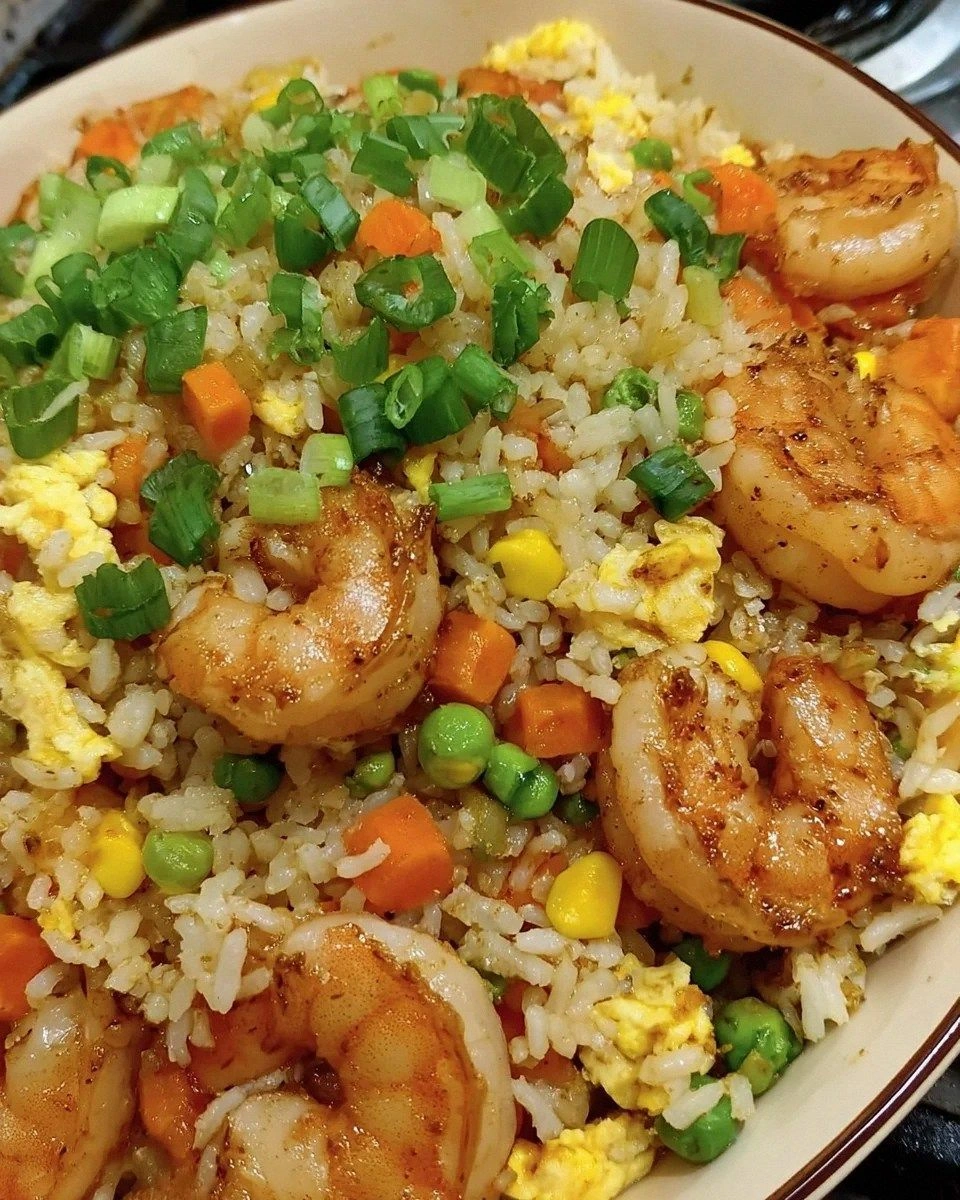
Mixed Vegetables (1.5 cups): A medley of peas, carrots, and corn provides color, crunch, and a pop of natural sweetness. Frozen works fine, but fresh snap peas add an extra snap. Skipping the veggies makes the dish feel one‑dimensional.
Jasmine Rice (2 cups, uncooked): Jasmine’s fragrant aroma lifts the entire dish. Rinse it until the water runs clear to remove excess starch; this prevents gummy clumps. If you’re gluten‑free, any long‑grain rice will do.
Green Onions (2, sliced): Added at the end, they give a fresh, oniony lift and a splash of color. You can replace with chives for a milder note.
The Unexpected Star
Sesame Oil (1 tbsp): Just a splash adds a nutty depth that you can’t replicate with any other oil. Its aroma is potent, so a little goes a long way. If you’re allergic, use toasted avocado oil for a similar richness.
Red Pepper Flakes (½ tsp): This tiny amount adds a whisper of heat that wakes up the palate without overwhelming the shrimp’s sweetness. Omit if you dislike spice, but you’ll miss the subtle kick.
The Final Flourish
Soy Sauce (2 tbsp): The salty, umami backbone that ties everything together. Use low‑sodium if you watch your salt intake. A splash of tamari works for gluten‑free diners.
Olive Oil (2 tbsp): Provides the cooking medium and a light fruitiness that balances the sesame. You could use grapeseed oil for a neutral flavor.
Salt & Black Pepper (1 tsp each): Essential seasonings that bring out the natural flavors. Adjust to taste after the soy sauce, because it already adds salt.
Everything’s prepped? Good. Let’s get into the real action…
The Method — Step by Step
- Heat a large skillet over medium‑high heat and add 1 tablespoon of olive oil. When the oil shimmers, toss in the diced onion and let it sauté for about 3 minutes until it becomes translucent and just starts to turn golden. That sizzle when it hits the pan? Absolute perfection. Keep a close eye—if the onion starts to brown too quickly, lower the heat. This step builds the aromatic foundation for the entire dish.
- Add the minced garlic and red pepper flakes to the skillet, stirring constantly for 30 seconds. The garlic should release a fragrant aroma but not burn; you’ll know it’s ready when it turns a light golden hue. Kitchen Hack: If you’re afraid of burning garlic, add a splash of water to the pan; it will steam the garlic gently.
- Push the aromatics to the side of the pan and add the remaining tablespoon of olive oil. Toss in the shrimp in a single layer, letting them sear for 1‑2 minutes per side until they turn pink and start to curl. Don’t crowd the pan—overcrowding makes shrimp steam instead of sear. Once cooked, remove the shrimp and set aside; they’ll finish cooking later.
- In the same skillet, add the jasmine rice and toast it for 2 minutes, stirring constantly. You’ll hear a faint crackle as the rice grains get a light golden coat. This toast step is crucial; it adds a nutty depth and keeps the rice from becoming gummy later. Watch Out: If you let the rice sit too long without stirring, it may scorch and develop a bitter taste.
- Deglaze the pan with ½ cup of water (or low‑sodium chicken broth for extra richness), scraping up any browned bits stuck to the bottom. Those bits are flavor gold. Add the soy sauce, sesame oil, and the remaining 1½ cups of water (or broth) and bring the mixture to a gentle boil. Once bubbling, reduce the heat to low, cover, and let the rice simmer for 12‑15 minutes, or until the liquid is fully absorbed.
- While the rice cooks, quickly blanch the mixed vegetables in a separate pot of boiling water for 2 minutes, then shock them in an ice bath. This technique locks in the vibrant color and crisp texture. Drain well and set aside.
- When the rice is tender, fold in the blanched vegetables, the cooked shrimp, and the sliced green onions. Drizzle the remaining tablespoon of olive oil and give everything a gentle toss, ensuring the shrimp are re‑heated but not overcooked. This is the moment of truth. Taste and adjust seasoning with salt, pepper, or an extra splash of soy if needed.
- Turn off the heat and let the skillet sit, covered, for 3 minutes. This resting period allows the flavors to meld and the steam to finish cooking any lingering bite in the rice. Kitchen Hack: Sprinkle a pinch of toasted sesame seeds just before serving for an extra crunch.
- Serve the Shrimp Rice Vegetables hot, straight from the pan, and garnish with an extra drizzle of sesame oil and a few more green onion ribbons. Picture yourself pulling this out of the skillet, the whole kitchen smelling incredible, and your guests leaning in for that first spoonful. I’ll be honest — I ate half the batch before anyone else got to try it. This is hands down the best version you’ll ever make at home.
That’s it — you did it. But hold on, I’ve got a few more tricks that’ll take this to another level…
Insider Tricks for Flawless Results
The Temperature Rule Nobody Follows
Keep the heat at a medium‑high for the initial sear, then drop to low for the rice simmer. If the heat spikes, the rice will scorch; if it’s too low, the liquid won’t absorb properly. I once tried cooking on high the whole time and ended up with a crunchy, under‑cooked center—never again.
Why Your Nose Knows Best
When the garlic and onions turn golden, your kitchen will fill with a sweet, earthy scent. Trust that nose signal; it means the aromatics are perfectly caramelized. If you rely solely on timers, you’ll miss that subtle cue and end up with bland flavors.
The 5‑Minute Rest That Changes Everything
After the rice has absorbed all the liquid, let it sit covered for five minutes. This rest lets the steam redistribute, making each grain fluffy. Skipping this step is a common mistake that leaves the rice a bit wet and clumpy.
Seasoning Layer by Layer
Instead of dumping all the soy sauce at once, add half during the simmer and the rest after mixing in the shrimp. This layered approach prevents the dish from becoming overly salty and lets the shrimp soak up a gentle umami boost. A friend once added the entire soy sauce at the end and the dish turned salty enough to need a glass of water.
Prep Like a Pro
Measure out all your ingredients before you start cooking. This “mise en place” habit keeps you from scrambling for a spice mid‑step, which can cause over‑cooking or burnt garlic. I once reached for the red pepper flakes while the shrimp were still in the pan and burned them—bad for both flavor and health.
Creative Twists and Variations
This recipe is a playground. Here are some of my favorite ways to switch things up:
Coconut Curry Splash
Swap the soy sauce for 2 tbsp of coconut milk mixed with 1 tsp curry powder. The result is a creamy, tropical twist that pairs beautifully with the shrimp’s sweetness. Perfect for a breezy summer dinner.
Spicy Szechuan Kick
Replace red pepper flakes with 1 tsp of Szechuan peppercorn oil and add a dash of chili garlic sauce. The numbing heat will make your taste buds dance, ideal for spice lovers.
Veggie‑Only Version
Omit the shrimp and double the mixed vegetables, adding tofu cubes for protein. Marinate the tofu in soy‑sesame glaze for 15 minutes before cooking. This makes a hearty vegetarian main that still delivers that umami punch.
Herb‑Infused Finish
Stir in a handful of fresh cilantro and a squeeze of lime just before serving. The bright herb notes lift the dish, turning it into a fresh, Mexican‑inspired bowl.
Smoky Bacon Boost
Render 3 strips of bacon, crumble them, and fold into the final mix. The smoky crunch adds depth and a savory surprise that’s perfect for brunch.
Brown Rice Upgrade
Use brown jasmine rice for a nuttier flavor and extra fiber. Increase the cooking liquid to 2 ½ cups and extend simmer time by 5‑7 minutes. The texture changes, but the core flavor profile remains delicious.
Storing and Bringing It Back to Life
Fridge Storage
Transfer leftovers to an airtight container and refrigerate for up to 3 days. The rice may firm up a bit, but a quick reheating will restore its softness.
Freezer Friendly
Cool the dish completely, then portion into freezer‑safe bags. Freeze for up to 2 months. When ready, thaw overnight in the fridge and reheat in a skillet with a splash of water.
Best Reheating Method
Heat a splash of water or broth in a skillet over medium heat, add the frozen or refrigerated portion, and cover for 3‑4 minutes, stirring occasionally. The added moisture steams the rice back to fluffy perfection. Pro tip: A tiny splash of water before reheating prevents dryness.