
Singaporean Laksa Rice Noodle Soup
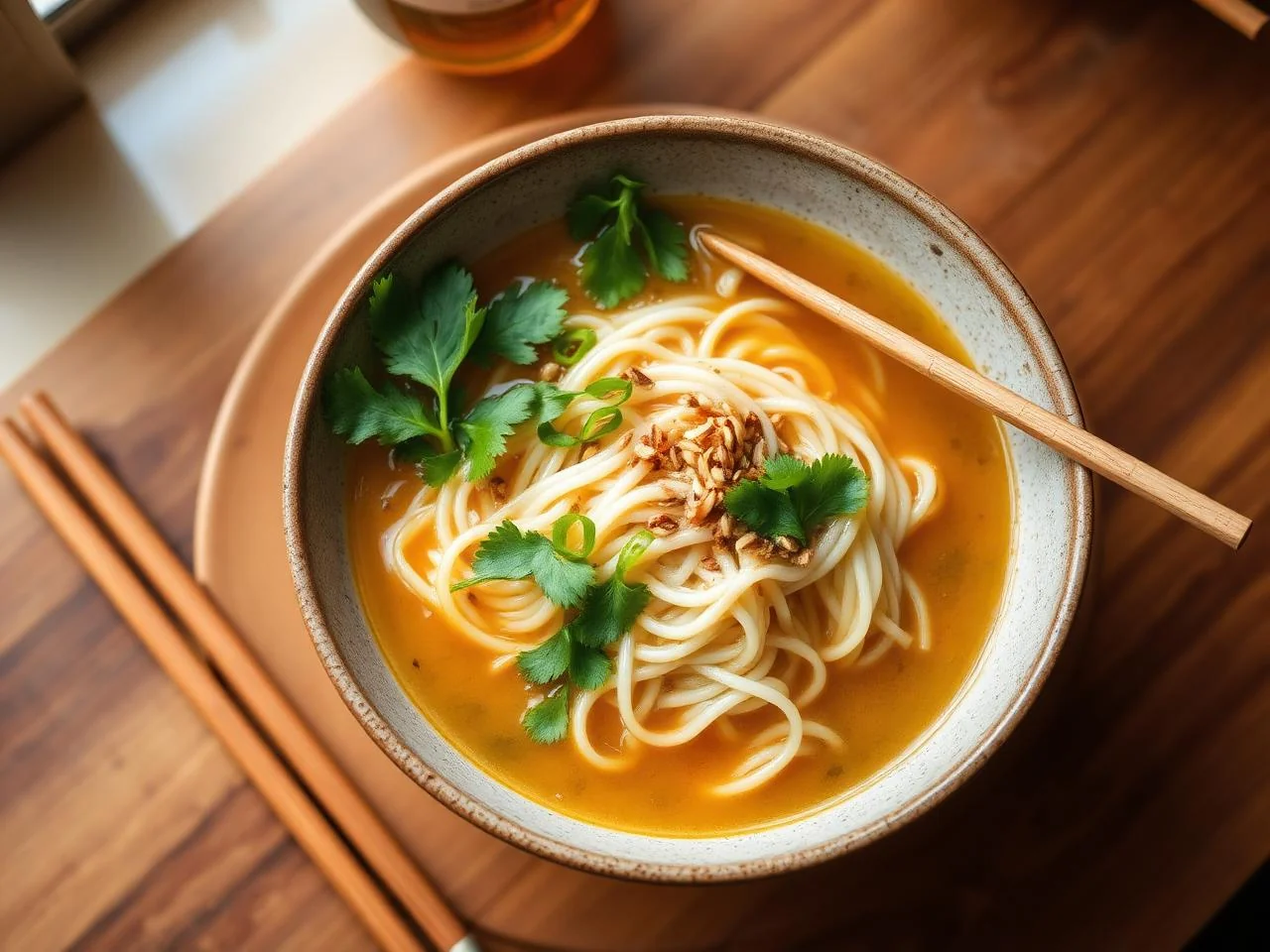
I still remember the first time I had Singaporean Laksa Rice Noodle Soup - it was love at first sip. The combination of the rich, spicy broth, the tender noodles, and the various toppings was absolute perfection. As a home cook, I was determined to recreate this dish in my own kitchen, and after months of trial and error, I finally nailed it. In this recipe, I'll share with you my secrets for making an authentic and delicious Laksa that will transport you to the streets of Singapore.
Laksa is a popular Singaporean dish that originated from the Peranakan culture, a blend of Chinese and Malay influences. The word 'Laksa' refers to the type of noodle used in the dish, which is typically a thin, white noodle made from rice flour. The broth, on the other hand, is what sets Laksa apart from other noodle soups - it's a rich and spicy blend of ingredients that includes coconut milk, chili paste, and a variety of aromatics.
This recipe is perfect for anyone who loves spicy food and is looking for a new and exciting culinary adventure. It's also a great option for those who want to try their hand at cooking a traditional Singaporean dish. With its easy-to-follow instructions and accessible ingredients, you'll be able to create a delicious and authentic Laksa in the comfort of your own home.
One of the best things about Laksa is its versatility - you can customize it to your liking with your choice of protein, toppings, and level of spiciness. In this recipe, I'll show you how to make a classic chicken Laksa, but feel free to experiment with other ingredients and variations to make it your own.
So, let's get started on this culinary journey and make a delicious and authentic Singaporean Laksa Rice Noodle Soup that will warm your heart and satisfy your taste buds.
Why You’ll Love This Recipe
- This recipe is easy to follow and requires minimal specialized equipment.
- Laksa is a versatile dish that can be customized to your liking with your choice of protein, toppings, and level of spiciness.
- The combination of coconut milk, chili paste, and aromatics creates a rich and spicy flavor that's both comforting and exciting.
- This dish is perfect for special occasions or everyday meals, and can be made in large quantities for crowds.
- The leftovers can be refrigerated or frozen for later use, making it a great option for meal prep.
- This recipe is a great way to experience the flavors and culture of Singapore without leaving your home.
Why This Recipe Works
The key to a great Laksa is in the broth - it's what sets this dish apart from other noodle soups. The combination of coconut milk, chili paste, and aromatics creates a rich and spicy flavor that's both comforting and exciting. By using a mixture of low and high heat, we can extract the maximum amount of flavor from the ingredients and create a broth that's both creamy and light.
Another important aspect of Laksa is the texture - the noodles should be tender but still retain some bite, while the protein and toppings should be cooked to perfection. By cooking the noodles separately and adding them to the broth at the end, we can ensure that they're cooked just right and don't become mushy.
Finally, the level of spiciness is also crucial in Laksa - it should be spicy enough to warm your senses but not so spicy that it overpowers the other flavors. By using a combination of chili paste and fresh chilies, we can achieve the perfect balance of heat and flavor.
By following these tips and techniques, you'll be able to create a delicious and authentic Laksa that will impress your friends and family.
Ingredients You’ll Need
To make an authentic Laksa, you'll need a combination of ingredients that may be unfamiliar to you. Don't worry - most of these ingredients can be found in your local Asian market or online. The key players in this recipe are the coconut milk, chili paste, and aromatics, which create the rich and spicy broth that's the foundation of Laksa. You'll also need some noodles, protein, and toppings to complete the dish.
When shopping for ingredients, be sure to look for high-quality items that are fresh and fragrant. For example, choose a good-quality coconut milk that's full of flavor and creaminess, and select fresh chilies that are firm and glossy.
- 2 cups (400g) rice noodlesLook for thin, white noodles made from rice flour. You can find them in most Asian markets or online.
- 2 lbs (1kg) boneless, skinless chicken thighsYou can also use pork, beef, or tofu as a substitute. Just adjust the cooking time accordingly.
- 2 cups (475ml) coconut milkChoose a high-quality coconut milk that's full of flavor and creaminess. You can find it in most supermarkets or online.
- 2 tbsp (30g) chili pasteThis is the spicy ingredient that gives Laksa its signature flavor. You can adjust the amount to your taste.
- 2 cloves garlic, mincedGarlic is a fundamental ingredient in many Asian dishes, and it adds a depth of flavor to the broth.
- 1-inch (2.5cm) piece of fresh ginger, slicedGinger adds a warm, spicy flavor to the broth and helps to balance out the richness of the coconut milk.
- 2 cups (475ml) chicken brothYou can use low-sodium chicken broth or make your own by simmering chicken bones in water.
- 1 tsp (5g) ground cuminCumin adds a warm, earthy flavor to the broth and helps to balance out the spices.
- 1 tsp (5g) turmeric powderTurmeric adds a bright, yellow color to the broth and a slightly bitter flavor that balances out the sweetness of the coconut milk.
- 1/2 tsp (2g) saltSalt enhances the flavors of the other ingredients and helps to balance out the sweetness of the coconut milk.
- 1/4 tsp (1g) black pepperBlack pepper adds a sharp, peppery flavor to the broth and helps to balance out the richness of the coconut milk.
- 2 tbsp (30g) vegetable oilVegetable oil is used to cook the aromatics and add flavor to the broth.
- 2 green onions, thinly slicedGreen onions add a fresh, oniony flavor to the dish and a pop of color to the garnish.
Equipment You’ll Need
How to Make Singaporean Laksa Rice Noodle Soup
- 1Heat 1 tablespoon of vegetable oil in a large heavy pot or Dutch oven over medium heat. Add the sliced ginger and cook, stirring occasionally, until fragrant and slightly caramelized, about 5 minutes.
- 2Add the minced garlic and cook, stirring constantly, for 1 minute. The garlic should be fragrant and slightly softened.
- 3Add the chili paste and cook, stirring constantly, for 1-2 minutes. The chili paste should be fragrant and slightly darkened.
- 4Add the chicken broth, coconut milk, cumin, turmeric, salt, and black pepper. Stir to combine, then bring the mixture to a simmer.
- 5Reduce the heat to low and cook, stirring occasionally, for 10-15 minutes. The broth should be rich and creamy, with a deep red color.
- 6While the broth is cooking, cook the rice noodles according to the package instructions. Drain and set aside.
- 7Add the chicken thighs to the broth and cook, stirring occasionally, until cooked through, about 10-12 minutes. The internal temperature of the chicken should be at least 165°F (74°C).
- 8Remove the chicken from the broth and let it rest for 5 minutes. Slice the chicken into thin strips and set aside.
- 9Add the cooked noodles to the broth and cook, stirring occasionally, for 2-3 minutes. The noodles should be heated through and slightly softened.
- 10Stir in the sliced green onions and cook for 1 minute. The green onions should be slightly wilted and fragrant.
- 11To serve, place some noodles and chicken in a bowl, then ladle the hot broth over the top. Garnish with additional green onions and a sprinkle of chili flakes, if desired.
- 12Let the dish rest for 5 minutes before serving. This allows the flavors to meld together and the broth to cool slightly.
Expert Tips
- Use high-quality ingredients, such as fresh ginger and real chili paste, to get the best flavor.
- Adjust the level of spiciness to your taste by adding more or less chili paste.
- Cook the noodles separately to prevent them from becoming mushy in the broth.
- Add the green onions at the end of cooking to preserve their flavor and texture.
- Let the dish rest for a few minutes before serving to allow the flavors to meld together.
- Experiment with different toppings, such as boiled eggs or pickled ginger, to add more flavor and texture to the dish.
- Make the broth ahead of time and refrigerate or freeze it for later use.
- Use a variety of protein sources, such as pork or tofu, to change up the flavor and texture of the dish.
Common Mistakes to Avoid
- Not cooking the noodles separately, resulting in mushy or overcooked noodles.
- Not adjusting the level of spiciness to your taste, resulting in a broth that's too spicy or not spicy enough.
- Not using high-quality ingredients, resulting in a broth that's lacking in flavor or depth.
- Not letting the dish rest before serving, resulting in a broth that's too hot or flavors that aren't fully melded together.
- Not stirring the broth occasionally while it's cooking, resulting in a broth that's unevenly heated or has a layer of fat on top.
- Not using a variety of aromatics, such as ginger and garlic, to add depth and complexity to the broth.
Variations and Substitutions
- Add some boiled eggs or pickled ginger to the dish for added flavor and texture.
- Use a variety of protein sources, such as pork or tofu, to change up the flavor and texture of the dish.
- Add some sliced mushrooms or bell peppers to the broth for added flavor and nutrients.
- Use a different type of noodle, such as udon or soba, to change up the texture of the dish.
- Add some fresh herbs, such as cilantro or basil, to the broth for added flavor and freshness.
- Make the broth ahead of time and refrigerate or freeze it for later use.
- Use a spicy chili paste, such as sambal oelek, to add more heat to the broth.
What to Serve With Singaporean Laksa Rice Noodle Soup
Singaporean Laksa Rice Noodle Soup is a versatile dish that can be served in a variety of ways. You can serve it as a main course, with some steamed vegetables or a side of rice. You can also serve it as a snack or appetizer, with some crispy fried shallots or a side of pickled ginger.
Some other options for serving Laksa include adding some boiled eggs or pickled ginger to the dish, or using a variety of protein sources, such as pork or tofu. You can also add some sliced mushrooms or bell peppers to the broth for added flavor and nutrients.
Make-Ahead, Storage, Freezing and Reheating
Laksa can be stored in the refrigerator for up to 3 days or frozen for up to 2 months. To refrigerate, let the broth cool to room temperature, then transfer it to an airtight container and refrigerate. To freeze, let the broth cool to room temperature, then transfer it to a freezer-safe container or freezer bag and freeze.
To reheat, simply thaw the frozen broth overnight in the refrigerator, then reheat it in a pot or microwave until hot and steaming. You can also reheat the broth in a slow cooker or Instant Pot for added convenience.
Some tips for storing and reheating Laksa include using airtight containers to prevent the broth from absorbing odors or flavors from other foods, and reheating the broth to an internal temperature of at least 165°F (74°C) to ensure food safety.
Additionally, you can also make the broth ahead of time and refrigerate or freeze it for later use. This is a great option for meal prep or for making a large batch of Laksa for a crowd.
Frequently Asked Questions
What is Laksa?
Laksa is a popular Singaporean dish that consists of a spicy noodle soup made with a rich and flavorful broth, rice noodles, and a variety of toppings such as chicken, shrimp, or tofu.
What type of noodles are used in Laksa?
The traditional noodles used in Laksa are thin, white noodles made from rice flour. You can find them in most Asian markets or online.
Can I make Laksa ahead of time?
Yes, you can make the broth ahead of time and refrigerate or freeze it for later use. Simply reheat the broth and cook the noodles when you're ready to serve.
Can I use different types of protein in Laksa?
Yes, you can use a variety of protein sources in Laksa, such as pork, beef, or tofu. Just adjust the cooking time accordingly.
How spicy is Laksa?
The level of spiciness in Laksa can vary depending on the type of chili paste used and the individual's tolerance for spice. You can adjust the level of spiciness to your taste by adding more or less chili paste.
Can I add other ingredients to Laksa?
Yes, you can add a variety of ingredients to Laksa, such as sliced mushrooms or bell peppers, to add more flavor and nutrients to the dish.
How do I store Laksa?
Laksa can be stored in the refrigerator for up to 3 days or frozen for up to 2 months. Simply let the broth cool to room temperature, then transfer it to an airtight container and refrigerate or freeze.
Can I reheat Laksa?
Yes, you can reheat Laksa by thawing the frozen broth overnight in the refrigerator, then reheating it in a pot or microwave until hot and steaming.
Ingredients
- 2 cups (400g) rice noodles
- 2 lbs (1kg) boneless, skinless chicken thighs
- 2 cups (475ml) coconut milk
- 2 tbsp (30g) chili paste
- 2 cloves garlic, minced
- 1-inch (2.5cm) piece of fresh ginger, sliced
- 2 cups (475ml) chicken broth
- 1 tsp (5g) ground cumin
- 1 tsp (5g) turmeric powder
- 1/2 tsp (2g) salt
- 1/4 tsp (1g) black pepper
- 2 tbsp (30g) vegetable oil
- 2 green onions, thinly sliced
Instructions
- Heat 1 tablespoon of vegetable oil in a large heavy pot or Dutch oven over medium heat. Add the sliced ginger and cook, stirring occasionally, until fragrant and slightly caramelized, about 5 minutes.
- Add the minced garlic and cook, stirring constantly, for 1 minute. The garlic should be fragrant and slightly softened.
- Add the chili paste and cook, stirring constantly, for 1-2 minutes. The chili paste should be fragrant and slightly darkened.
- Add the chicken broth, coconut milk, cumin, turmeric, salt, and black pepper. Stir to combine, then bring the mixture to a simmer.
- Reduce the heat to low and cook, stirring occasionally, for 10-15 minutes. The broth should be rich and creamy, with a deep red color.
- While the broth is cooking, cook the rice noodles according to the package instructions. Drain and set aside.
- Add the chicken thighs to the broth and cook, stirring occasionally, until cooked through, about 10-12 minutes. The internal temperature of the chicken should be at least 165°F (74°C).
- Remove the chicken from the broth and let it rest for 5 minutes. Slice the chicken into thin strips and set aside.
- Add the cooked noodles to the broth and cook, stirring occasionally, for 2-3 minutes. The noodles should be heated through and slightly softened.
- Stir in the sliced green onions and cook for 1 minute. The green onions should be slightly wilted and fragrant.
- To serve, place some noodles and chicken in a bowl, then ladle the hot broth over the top. Garnish with additional green onions and a sprinkle of chili flakes, if desired.
- Let the dish rest for 5 minutes before serving. This allows the flavors to meld together and the broth to cool slightly.