I was halfway through a bland weeknight stir‑fry when my phone buzzed with a text from a friend who had just discovered a Korean dish that made her taste buds do a salsa dance. She swore that the sauce was “the best thing I’ve ever tasted” and begged me to share the recipe. I was skeptical at first—my culinary adventures usually involved burnt rice and under‑seasoned tofu—but the promise of a fiery, umami‑laden sauce kept me awake for the next hour. That night, I dove into a pot of simmering tomatoes, a generous dollop of gochujang, and a block of firm tofu that I’d never dared to cook before. The kitchen smelled like a summer garden and a spice market rolled into one, and I knew I was onto something special.
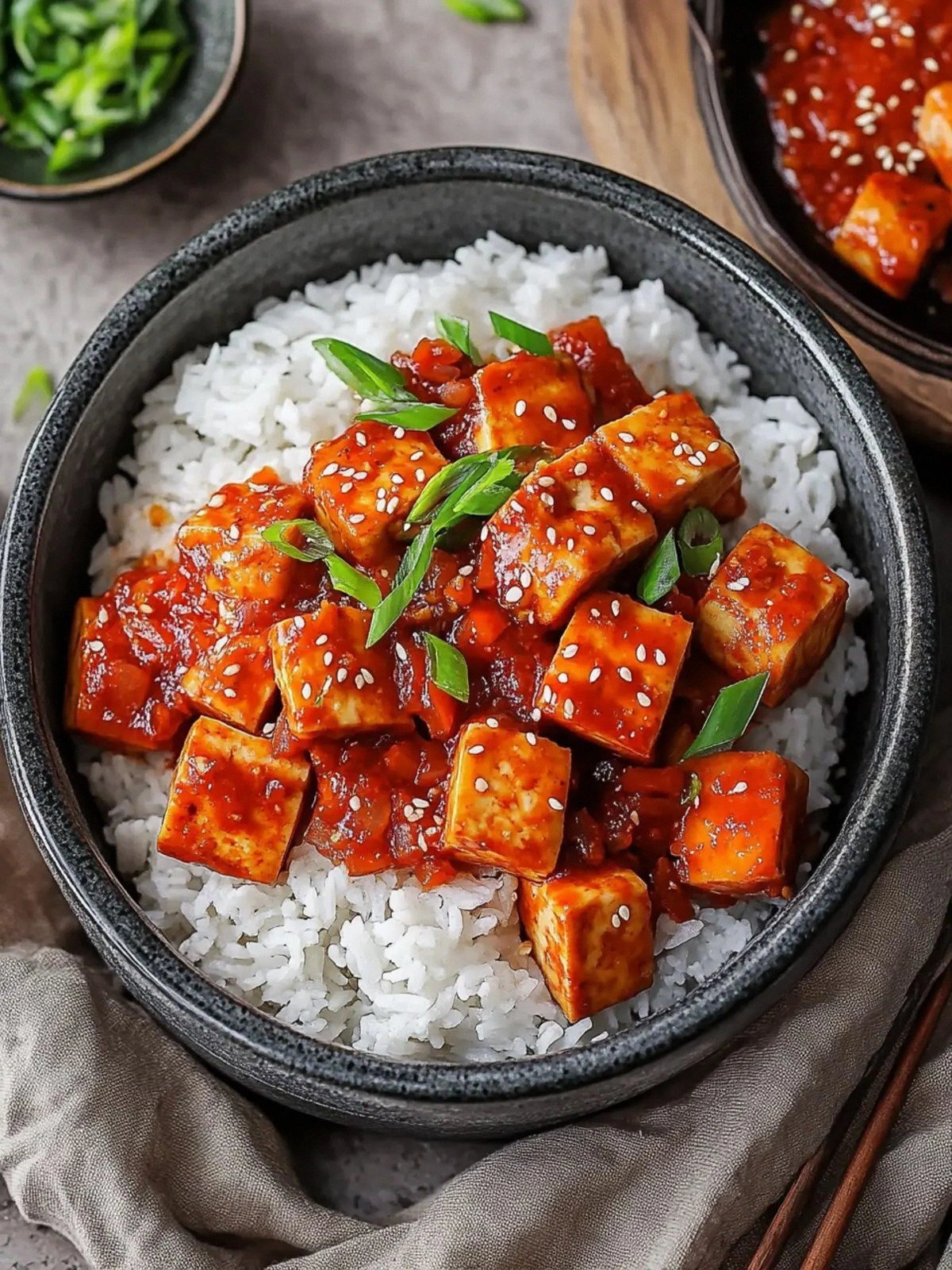
Picture the first bite: a burst of sweet heat that wraps the tofu like a velvet cloak, the tomatoes popping with bright acidity, and a subtle smokiness that lingers on the tongue. The tofu, crisp on the edges, gives way to a tender center that practically melts in your mouth. The aroma is a heady mix of toasted sesame seeds and garlic that makes you want to inhale the entire dish. The texture is a delightful contrast—crisp, chewy, and silky all at once. And the sound? That satisfying sizzle when the tofu hits the pan is the soundtrack to culinary triumph.
What sets this version apart from the countless other gochujang tofu recipes out there is the balance of heat and sweetness, the use of fresh cherry tomatoes that add a natural juiciness, and the subtle crunch from toasted sesame seeds that punctuates every bite. I dare you to taste this and not go back for seconds. The sauce coats the tofu like a glossy coat of liquid gold, and the tomatoes burst with a flavor that feels like a summer picnic. The technique of searing the tofu first until it develops a caramelized crust is what gives it that satisfying bite that most recipes miss. It’s not just another spicy tofu; it’s a flavor explosion that makes your taste buds do a happy dance.
Most recipes get this completely wrong by over‑cooking the tofu or under‑seasoning the sauce. Here’s what actually works: a quick sear, a slow simmer, and a final splash of sesame oil that ties everything together. I’ll be honest — I ate half the batch before anyone else got to try it, and my friends were left begging for the recipe. The secret sauce? A balanced blend of gochujang, soy sauce, and brown sugar that creates a depth of flavor that’s hard to replicate. Picture yourself pulling this out of the pan, the whole kitchen smelling incredible, and your guests lining up for a taste.
If you've ever struggled with tofu that turns out soggy or sauce that feels thin, you're not alone — and I've got the fix. Stay with me here — this is worth it. Let me walk you through every single step — by the end, you'll wonder how you ever made it any other way.
What Makes This Version Stand Out
- Taste: The sauce marries the smoky heat of gochujang with the natural sweetness of cherry tomatoes, creating a layered flavor profile that lingers on the palate. The subtle umami from reduced‑sodium soy sauce balances the heat, making each bite approachable yet exciting. This combination is a game‑changer for those who love spicy but crave complexity.
- Texture: The tofu is seared to a golden crust before being bathed in sauce, giving it a satisfying crunch that contrasts with its soft interior. The cherry tomatoes burst with juiciness, adding a fresh pop that keeps the dish from feeling heavy. The sesame seeds provide a final crunch that elevates every forkful.
- Simplicity: Only ten ingredients, all pantry staples, and a straightforward method make this dish perfect for busy weeknights. No exotic spices or time‑consuming prep steps are required, yet the result feels restaurant‑quality. The recipe scales easily for larger groups without losing flavor.
- Uniqueness: By using cherry tomatoes instead of canned or fresh diced tomatoes, the dish gains a natural sweetness that balances the heat. The addition of toasted sesame seeds in the final garnish adds a nutty aroma that isn’t found in most gochujang tofu recipes.
- Crowd Reaction: Friends who are skeptical of spicy food often find this dish approachable because the heat is tempered by sweet and savory notes. It’s the perfect conversation starter at dinner parties, and people keep asking for the recipe afterward.
- Ingredient Quality: Using firm tofu ensures the best texture, while long‑grain white rice provides a neutral base that soaks up the sauce. The gochujang should be a reputable brand to guarantee depth of flavor, and the sesame seeds should be toasted just before serving to preserve their aroma.
- Cooking Method: The dual‑step cooking—first searing the tofu, then simmering with sauce—creates layers of flavor and ensures the tofu stays firm. This method is a proven technique in Korean cuisine that yields consistently great results.
- Make‑Ahead Potential: The sauce can be pre‑made and stored in the fridge for up to a week, and the tofu can be cooked ahead and reheated in minutes, making this dish perfect for meal prep.
Alright, let's break down exactly what goes into this masterpiece...
Inside the Ingredient List
The Flavor Base
Gochujang: This fermented Korean chili paste is the heart of the dish, providing depth, heat, and a subtle sweetness that balances the acidity of the tomatoes. It’s a pantry staple in Korean cooking, but if you’re new to it, start with a smaller amount and increase to taste. Skipping gochujang would leave the sauce thin and bland, lacking that signature umami punch.
Reduced‑Sodium Soy Sauce: It adds savory complexity without overpowering the dish with saltiness. A low‑sodium option keeps the dish from becoming too salty, especially when combined with the natural saltiness of the tofu. If you can’t find reduced‑sodium, regular soy sauce will work—just use a little less to compensate.
Light Brown Sugar: The sugar balances the heat from the gochujang and the acidity from the tomatoes, creating a harmonious flavor profile. If you prefer a sweeter dish, you can increase the sugar slightly. Conversely, reduce it if you’re watching your sugar intake; the tomatoes will still provide natural sweetness.
The Texture Crew
Firm Tofu: The tofu’s density holds up against the sauce and provides a satisfying bite. Firm tofu also absorbs flavors better than silken tofu, making it the ideal choice for this dish. If you’re a vegan, this tofu remains plant‑based, but the texture can be enhanced by pressing it first.
Vegetable Oil: This neutral oil allows the tofu to crisp up without adding competing flavors. Use a high‑smoke‑point oil like canola or peanut for the best sear. If you’re looking to keep the dish dairy‑free, avoid butter or any animal‑derived oils.
The Unexpected Star
Cherry Tomatoes: Fresh cherry tomatoes bring a burst of juiciness and a natural sweetness that cuts through the heat. They also add a pop of color, making the dish visually appealing. If you’re in a pinch, you can use canned cherry tomatoes, but fresh will deliver the best flavor.
Garlic: Two cloves of minced garlic add aromatic depth to the sauce. Garlic’s sharpness balances the sweetness and heat, creating a well‑rounded flavor. Don’t skip it—garlic is essential for that classic Korean aroma.
The Final Flourish
Green Onion: Chopped green onion adds a fresh, oniony note that brightens the dish. It also provides a nice contrast to the richness of the sauce. If you prefer a milder flavor, use only the white part of the green onion.
Toasted Sesame Seeds: These seeds contribute a nutty aroma and a subtle crunch. Toast them until golden brown to release their oils and enhance flavor. A sprinkle on top before serving adds a professional finish.
Everything's prepped? Good. Let's get into the real action...
The Method — Step by Step
- Start by draining the tofu block and patting it dry with paper towels. Cut the tofu into 1‑inch cubes, then place the cubes in a bowl of cold water and sprinkle with a pinch of salt. Let them soak for 10 minutes; this removes surface moisture and ensures a crisp finish. After soaking, lift the tofu, pat it dry again, and set it aside. This step is the secret to that coveted golden crust.
- Heat 2 tablespoons of vegetable oil in a large skillet over medium‑high heat. Once the oil shimmers, add the tofu cubes in a single layer, leaving space between each piece. Let them sear undisturbed for 3–4 minutes per side, turning only when the edges start to brown. The goal is a caramelized exterior that locks in moisture. When done, remove the tofu and set aside on a paper‑towel‑lined plate.
- In the same skillet, reduce the heat to medium and add the minced garlic. Sauté for 30 seconds until fragrant, being careful not to burn it. The garlic should release a sweet, aromatic scent that signals readiness. Then, stir in the gochujang, soy sauce, and light brown sugar, letting the mixture bubble for a minute to meld flavors.
- Add the cherry tomatoes to the skillet, stirring to coat them in the sauce. The tomatoes will start to soften and release their juices, thickening the sauce slightly. Let the mixture simmer for 5 minutes, allowing the flavors to marry and the tomatoes to break down into a vibrant, glossy base.
- Return the seared tofu to the skillet, gently tossing to coat each cube in the sauce. Cook for an additional 3 minutes, letting the tofu absorb the flavors while the sauce thickens to a glaze. The tofu should be steaming hot, and the sauce should be glossy and cling to each piece.
- Add the chopped green onion to the skillet and give everything a final toss. The green onion adds a fresh, bright note that cuts through the richness of the sauce. Stir until the green onion is just wilted, about 30 seconds. This step is crucial for that final burst of color and freshness.
- Transfer the dish to a serving bowl, then sprinkle with toasted sesame seeds. The toasted seeds add a nutty aroma and a satisfying crunch that elevates every bite. The dish should look glossy and inviting, with a bright pop of green from the onions.
- Serve immediately over a bed of fluffy long‑grain white rice, allowing the rice to soak up the remaining sauce. The rice acts as a neutral base that balances the spicy, sweet, and umami flavors. If you prefer a low‑carb option, try cauliflower rice or a side of sautéed greens instead.
- Enjoy while hot, and feel free to sprinkle extra sesame seeds or a splash of lime juice for an extra zing. Remember, the best experience comes when the dish is fresh and steaming. This is the moment of truth—taste the harmony of textures and flavors, and let the dish speak for itself.
That's it — you did it. But hold on, I've got a few more tricks that'll take this to another level...
Insider Tricks for Flawless Results
The Temperature Rule Nobody Follows
Heat the skillet to a steady medium‑high before adding oil. A pan that’s too hot will burn the garlic, while a pan that’s too cool will result in soggy tofu. Keep the temperature consistent by using a thermometer or simply test with a drop of water; if it sizzles, you’re good.
Why Your Nose Knows Best
The aroma of toasted sesame seeds is a clear indicator that they’re ready. If they smell nutty but still look pale, give them another minute. A burnt scent means they’re over‑cooked and will taste bitter.
The 5‑Minute Rest That Changes Everything
After removing the tofu from the skillet, let it rest on paper towels for 5 minutes. This allows excess oil to drain, preventing the tofu from becoming greasy. The rest period also lets the tofu firm up, giving it a satisfying bite.
The Secret of Sweetness
If you’re using canned cherry tomatoes, drain them well before adding to the sauce. The excess liquid can dilute the sauce and make it watery. Fresh tomatoes naturally have less water, so they’re the preferred choice for a thicker glaze.
The Final Finish
A splash of lime juice or a drizzle of sesame oil right before serving adds brightness and depth. The acidity from lime cuts through the richness, while sesame oil enhances the nutty flavor. Experiment with both to find your personal preference.
Creative Twists and Variations
This recipe is a playground. Here are some of my favorite ways to switch things up:
Spicy Peanut Twist
Swap the sesame seeds for a spoonful of creamy peanut butter in the sauce. The nutty flavor pairs beautifully with the gochujang, creating a Southeast Asian fusion. Add chopped peanuts on top for crunch.
Miso Marvel
Replace half the soy sauce with white miso paste for a richer umami profile. The miso adds depth and a subtle sweetness that complements the tomatoes. Stir the miso into the sauce until fully dissolved.
Veggie Power
Add sliced bell peppers or sliced zucchini to the skillet during step 4. The vegetables absorb the sauce and add a colorful crunch. This version is great for a veggie‑heavy dinner.
Coconut Cream Finale
Stir in a splash of coconut milk at the end for a silky, tropical finish. The coconut balances the heat and adds a subtle sweetness. Serve over jasmine rice for an extra aromatic experience.
Gluten‑Free Upgrade
Use tamari instead of regular soy sauce to keep the dish gluten‑free. The flavor is similar, but it won’t trigger gluten sensitivities. This tweak keeps the dish inclusive without sacrificing taste.
Storing and Bringing It Back to Life
Fridge Storage
Cool the dish to room temperature, then transfer it to an airtight container. Store in the fridge for up to 3 days. The sauce may thicken slightly; a quick stir before reheating restores its glossy sheen.
Freezer Friendly
Divide the dish into portioned containers and freeze for up to 2 weeks. When ready to eat, thaw overnight in the fridge. Reheat in a skillet over low heat, adding a splash of water to loosen the sauce.
Best Reheating Method
Reheat gently on the stove, stirring frequently to prevent sticking. Add a tiny splash of water or broth to steam the tofu back to its original moisture. Finish with a drizzle of sesame oil for that fresh, aromatic finish.