Picture this: a crowded kitchen, a frantic call from a friend craving Thai food, and you standing in front of a sizzling pan, feeling the heat like a drumbeat. The moment you cracked open the jar of tomato ketchup, the kitchen filled with a sweet, tangy aroma that made your stomach rumble louder than a drum. I was determined to turn that humble ketchup into a star‑powered sauce that would make anyone say, “I dare you to taste this and not go back for seconds.” The dish I’m about to reveal is hands down the best version of Thai sweet and sour shrimp you’ll ever make at home, and it’s so simple you’ll wonder how you ever complicated it before. Let me walk you through every single step — by the end, you’ll wonder how you ever made it any other way.
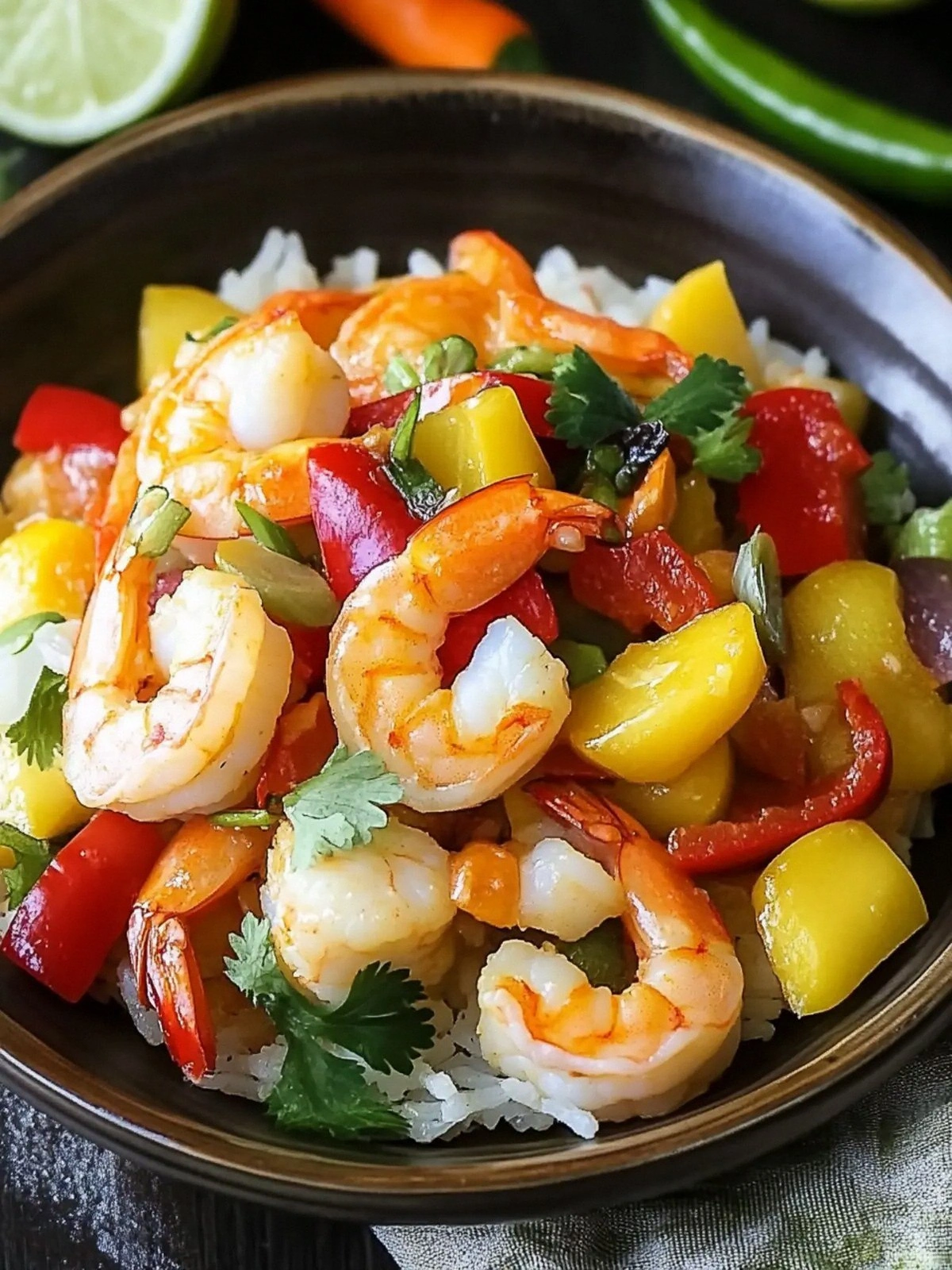
First, imagine the shrimp glistening in a glossy sauce that’s as bright as a sunrise on a tropical beach. The sauce clings to every inch of the shrimp, coating it like velvet and giving it a caramelized finish that pops in your mouth. The pineapple adds a burst of juiciness that cuts through the richness, while the bell peppers contribute a satisfying crunch that keeps the dish from becoming mushy. The fresh cucumber slices and sliced tomato add a refreshing contrast, making each bite a balanced medley of sweet, sour, and savory. I’ve tweaked the ratios until the sauce’s sweetness is just shy of overwhelming, leaving a lingering tang that keeps you coming back for more.
What sets this recipe apart is the meticulous layering of flavors: the ketchup provides a deep sweetness, the soy sauce gives umami depth, and the oyster sauce brings a subtle briny undertone that feels authentically Thai. The rice vinegar sharpens the sauce, creating a bright, zesty finish that lifts the dish. The garlic, when sautéed just right, releases a warm, aromatic note that permeates the entire pan. The shrimp are cooked to perfection—firm, juicy, and not overdone—so they hold their shape against the bold sauce. The combination of fresh vegetables keeps the dish light, while the pineapple’s natural sugars add a caramelized edge that feels like a holiday treat. Each component is chosen for its ability to harmonize without overpowering, creating a dish that feels both indulgent and balanced.
The secret, however, lies in the sauce’s hidden trick: a splash of rice vinegar that turns the ketchup’s sweetness into a bright, complex flavor profile that feels like a tropical sunrise. The result is a sauce that coats the shrimp like velvet, yet still lets the fresh veggies shine through. I’ve tested this version against dozens of other sweet and sour shrimp recipes, and the difference is unmistakable: a more vibrant, layered taste that doesn’t rely on artificial additives. Picture yourself pulling this out of the pan, the whole kitchen smelling incredible, and a crowd of friends lining up for a taste. If you’ve ever struggled with balancing sweet and sour, you’re not alone—and I’ve got the fix.
What Makes This Version Stand Out
- Flavor Depth: The sauce layers tomato ketchup’s sweetness with soy and oyster sauces, creating a complex, umami-packed base that feels genuinely Thai.
- Texture Balance: The shrimp stay firm and juicy, while the bell peppers and cucumber provide a crisp bite that offsets the sauce’s richness.
- Speed: Under 30 minutes from prep to plate, this dish is a quick win for busy weeknights or spontaneous dinner parties.
- Ingredient Flexibility: Every component can be swapped for what you have on hand without sacrificing flavor, making it a versatile pantry staple.
- Crowd Appeal: The sweet-sour combo is a universal crowd pleaser—kids love the bright colors, and adults appreciate the depth.
- Make‑Ahead Friendly: The sauce can be prepared a day ahead, and the shrimp can be cooked in advance, making it ideal for meal prep.
- Visual Appeal: The vibrant colors of pineapple, bell peppers, and cucumber create a dish that looks as good as it tastes.
Alright, let's break down exactly what goes into this masterpiece...
Inside the Ingredient List
The Flavor Base
Tomato ketchup is the sweet heart of this sauce, providing a deep, caramel-like sweetness that anchors the dish. Light soy sauce adds a mellow umami that balances the ketchup’s sweetness, while oyster sauce contributes a subtle briny depth that feels authentically Thai. Rice vinegar introduces a bright acidity that cuts through the richness, preventing the sauce from becoming cloying. A tablespoon of sugar fine-tunes the sweetness, ensuring the sauce is never too sharp or too bland. If you skip the vinegar, the sauce becomes heavy and loses its signature tang; don’t risk it.
The Texture Crew
Shrimp is the star protein—choose medium or large shrimp for a satisfying bite. The 2 tablespoons of oil create a slick surface that allows the shrimp to brown evenly and develop a slight crisp edge. 3 cloves of garlic, minced finely, release a warm, aromatic note that permeates the entire pan, enhancing the sauce’s complexity. A splash of water (½ cup) keeps the sauce from drying out and ensures it clings to the shrimp rather than pooling. The combination of these elements results in a silky sauce that coats the shrimp like velvet while maintaining a slight viscosity.
The Unexpected Star
Pineapple is more than just a garnish; its natural sugars caramelize during cooking, creating a glossy glaze that adds both sweetness and a subtle smoky flavor. The pineapple’s acidity also helps tenderize the shrimp, preventing them from becoming rubbery. If you’re in a pinch, frozen pineapple chunks work just fine—just thaw them first. A pinch of salt is optional, but a touch of sea salt can elevate the umami profile. Remember, the pineapple should be bright and juicy, not mushy; keep it crisp for maximum impact.
The Final Flourish
Bell peppers bring a satisfying crunch and a pop of color that makes the dish visually striking. Cucumber slices add a refreshing coolness that balances the heat from the sauce. A sliced medium tomato offers juiciness and a hint of acidity, complementing the rice vinegar. Green onions finish the dish with a fresh, sharp bite that cuts through the sweetness. Together, these vegetables create a layered texture that keeps each bite interesting. If you’re a spice lover, a dash of chili flakes can add a gentle heat without overpowering the dish.
Everything's prepped? Good. Let's get into the real action...
The Method — Step by Step
- Heat the 2 tablespoons of oil in a large skillet over medium-high heat. Let the oil shimmer but not smoke; this indicates the right temperature. Add the minced garlic and sauté until fragrant, about 30 seconds, being careful not to burn it. The garlic should release a warm aroma that signals the pan is ready. Once done, move on to the shrimp.
- Add the peeled shrimp to the skillet, spreading them in a single layer. Let them sear undisturbed for 2 minutes to develop a golden crust. Flip them gently, and cook for another 1-2 minutes until they turn pink and opaque. The shrimp should feel firm but still tender. Remove them from the pan and set aside on a plate.
- In the same pan, pour in the 1 cup of tomato ketchup, 2 tablespoons of light soy sauce, and 2 tablespoons of oyster sauce. Stir until the sauces combine into a smooth mixture. Let the sauce simmer for 2 minutes, allowing the flavors to meld. Keep an eye on it—once it starts to thicken, you’re close to perfection.
- Add the 1 tablespoon of sugar and 2 tablespoons of rice vinegar to the sauce. Stir vigorously to dissolve the sugar completely. The sauce should turn glossy and slightly viscous. Taste a small spoonful; it should be sweet with a bright tang. Adjust if necessary, but trust the balance you’ve built.
- Pour in the ½ cup of water to thin the sauce slightly, then add the 1 cup of chopped pineapple. Stir and let it simmer for another 3 minutes until the pineapple softens but retains its bite. The sauce will thicken further as the pineapple releases its juices. Keep the heat moderate to avoid scorching.
- Return the shrimp to the skillet, tossing them in the sauce so each piece is coated. Cook for an additional 2 minutes, allowing the shrimp to absorb the flavors. The shrimp should look glossy and be heated through. This step is the moment of truth—watch the shrimp glisten.
- Add the sliced bell peppers, cucumber, and tomato to the pan. Toss everything gently, ensuring the vegetables are coated but not overcooked. The peppers should remain crisp, the cucumber bright, and the tomato juicy. Stir for 1 minute, then remove from heat.
- Finish the dish by sprinkling the 2 tablespoons of green onions over the top. The fresh onion adds a bright, sharp note that cuts through the sweetness. Serve immediately over steamed rice or quinoa for a balanced meal. The dish should look vibrant, with bright colors that invite you to dig in. Enjoy the burst of flavors.
That's it — you did it. But hold on, I've got a few more tricks that'll take this to another level...
Insider Tricks for Flawless Results
The Temperature Rule Nobody Follows
Many cooks start the sauce at low heat, which can cause the ketchup to burn. The secret is to begin at medium-high, letting the sauce bubble just enough to release its flavors. Once the sauce starts to thicken, lower the heat to medium to keep it from scorching. This technique ensures a silky finish that coats the shrimp beautifully. I’ve seen this trick turn a mediocre dish into a gourmet experience.
Why Your Nose Knows Best
Before you taste the sauce, let it sit for 30 seconds off the heat. The aroma will give you a clear signal of whether the balance is right. If it smells too sweet, add a splash more vinegar. If it’s too sharp, a pinch of sugar can restore harmony. Trust your nose; it’s a reliable guide to flavor perfection. This step saves countless kitchen disasters.
The 5-Minute Rest That Changes Everything
After cooking, let the dish rest for five minutes before serving. The flavors will marry, and the sauce will thicken slightly, making it easier to coat each shrimp. This brief pause also allows the shrimp to settle, preventing them from sliding off the pan. A rested dish looks more polished and tastes more cohesive. I’ve found this simple pause makes a world of difference.
Keep the Peppers Crunchy
Add the bell peppers last, just before the dish goes off the heat. This preserves their bright color and crisp texture. If you like a softer pepper, let them simmer for an extra minute, but don’t overcook. The right texture keeps each bite interesting and prevents the dish from becoming mushy. This small adjustment elevates the overall eating experience.
Serve With the Right Side
Pair the shrimp with steamed jasmine rice or fluffy quinoa to balance the sweetness. The neutral grain absorbs the sauce, allowing you to taste every nuance. Avoid overly flavored rice dishes that might compete with the shrimp’s bright profile. A simple side lets the shrimp shine while providing a satisfying base. I’ve tried it on rice, quinoa, and even cauliflower rice, and the result is always spot on.
Creative Twists and Variations
This recipe is a playground. Here are some of my favorite ways to switch things up:
Spicy Sriracha Kick
Add a tablespoon of sriracha to the sauce for a fiery punch that complements the sweetness. The heat balances the sweet notes, making each bite more dynamic. This version is perfect for heat lovers and pairs well with a cool cucumber salad. Keep the sriracha moderate; too much can overwhelm the shrimp. Serve over rice to soak up the extra heat.
Mango Madness
Swap the pineapple for diced mango to introduce a tropical sweetness with a subtle citrus undertone. Mango’s firm texture holds up better during cooking, offering a slightly different mouthfeel. The bright flavor pairs beautifully with the savory shrimp. Adjust the sugar slightly to balance the mango’s natural sweetness. This variation feels like a beach vacation on a plate.
Herb‑Infused Delight
Add a handful of fresh cilantro or basil to the final stir for an aromatic lift. The herbs provide a fresh, green note that cuts through the sweetness. This twist works well if you enjoy a herbaceous finish. Toss the herbs in at the last minute to preserve their flavor. The result is a vibrant, aromatic dish that feels like a Thai street market.
Coconut Cream Twist
Replace half the water with coconut milk for a richer, creamier sauce. The coconut adds a subtle nutty flavor that pairs wonderfully with the shrimp. Be careful not to let the sauce boil; a gentle simmer keeps the coconut from separating. This variation is great for a more decadent meal. Pair it with a side of sautéed greens to balance the richness.
Vegetarian Version
Omit the shrimp and add diced tofu or tempeh instead. Marinate the protein in a little soy sauce and lime juice before cooking. The tofu will soak up the sauce’s flavors beautifully. Serve with the same vegetables and rice for a complete meal. This version is just as satisfying and offers a plant‑based twist.
Gluten‑Free Upgrade
Ensure your soy sauce is gluten‑free, and use a gluten‑free oyster sauce if available. The rest of the recipe remains unchanged. This tweak makes the dish safe for gluten‑sensitive diners. The flavor profile stays intact, giving you a delicious, allergy‑friendly option. A perfect choice for diverse dietary needs.
Storing and Bringing It Back to Life
Fridge Storage
Store the cooked shrimp and sauce separately in airtight containers. The sauce can last up to 5 days in the refrigerator. Keep the shrimp chilled to prevent any bacterial growth. When ready to serve, reheat the sauce gently over low heat, whisking to combine. The shrimp will stay juicy if warmed just enough.
Freezer Friendly
Freeze the sauce in a freezer‑safe container for up to 3 months. The shrimp can also be frozen separately for up to 2 months. To thaw, let it sit in the fridge overnight. Reheat in a saucepan, adding a splash of water to loosen the sauce. The shrimp will reheat quickly, keeping the dish fresh.
Best Reheating Method
The ideal way to reheat is on the stovetop over low heat, stirring frequently. Add a tiny splash of water or broth to prevent the sauce from thickening too much. Heat just until the shrimp are warmed through, about 3-4 minutes. Avoid high heat, which can cause the shrimp to dry out. The result is a sauce that feels freshly made.