I was halfway through a burnt lasagna, the kitchen smelling of scorched noodles and regret, when my phone buzzed with a friend's dare: “Make the best teriyaki salmon you’ve ever had and prove it.” I stared at the fish on the counter, feeling the weight of that challenge like a hot pan on my palm. The moment was electric, the kind of electric that makes you want to jump into the stove and shout, “Let’s do this!” The aroma of fresh ginger and garlic already dancing in my mind promised a flavor punch that would turn the whole room into a sushi bar. I was ready to rewrite the rules, to turn a simple dinner into a performance. And so, with a skillet in hand and a mission in mind, I began my culinary revolution.
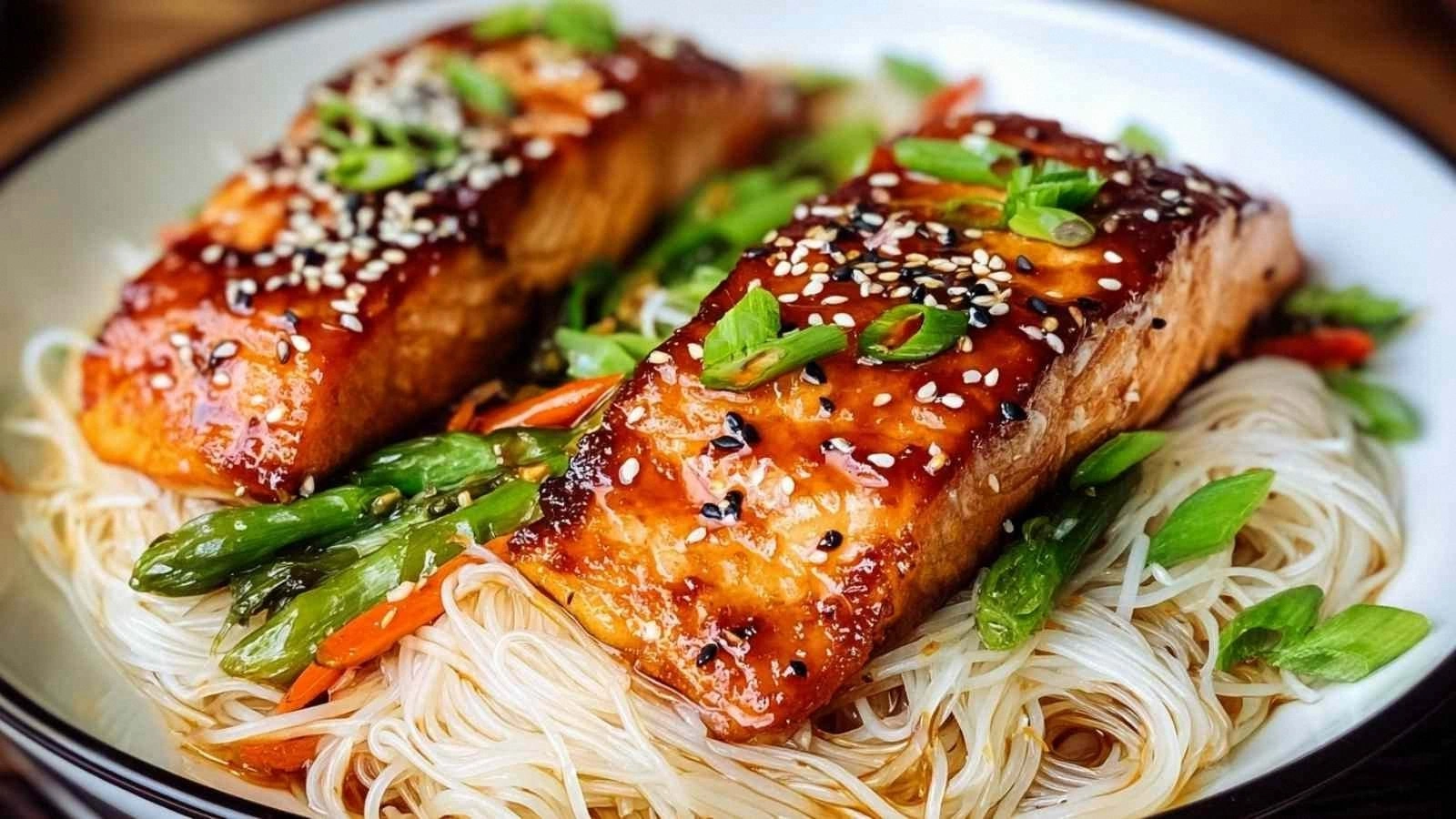
Picture yourself pulling this dish out of the pan, the whole kitchen smelling incredible, the steam curling like a cloud of gold. That sizzle when the salmon hits the hot oil? Absolute perfection. The glaze will coat the fillets like velvet, glistening under the kitchen lights, while the noodles will soak up every drop of sweet, salty, citrusy goodness. It’s a symphony of textures: the buttery crust of the fish, the silky noodles, the bright snap of green onions. This is hands down the best version you'll ever make at home, and I dare you to taste it and not go back for seconds. I’ll be honest — I ate half the batch before anyone else got to try it, and the kitchen still smelled like a summer garden.
Most recipes get this completely wrong. They either overcook the fish or forget the bright lift that lime and ginger bring. I found the secret in a simple ratio: equal parts soy sauce and brown sugar, a whisper of sesame oil, and a splash of lime to cut the sweetness. The result is a glaze that caramelizes without burning, a sauce that clings to the noodles like a second skin. The key is timing: sear the salmon first, then finish it in the glaze so it stays moist and tender. If you’ve ever struggled with salmon that turns out rubbery or too dry, you’re not alone — and I’ve got the fix.
Let me walk you through every single step — by the end, you'll wonder how you ever made it any other way. The ingredients are simple, the process is straightforward, and the outcome is a dish that feels like a five-star dinner without the five-star price tag. I’ll share a technique that most chefs skip: letting the noodles sit in a hot water bath to keep them from sticking. I’ll also reveal a kitchen hack that turns a quick prep into a flavor explosion. And I’ll give you the confidence to cook with a sauce that doesn’t just taste good, it sings. Stay with me here — this is worth it.
What makes this version stand out isn’t just the ingredients; it’s the way they interact. The teriyaki glaze coats the salmon with a glossy sheen, the noodles become a silky canvas, and the lime adds a fresh brightness that lifts the whole dish. I’ve spent months tweaking ratios, testing sauces, and balancing flavors, and the result is a dish that feels both comforting and adventurous. Whether you’re feeding a crowd or cooking for one, this recipe adapts like a chameleon, maintaining its vibrant personality no matter the number of servings. And the best part? It’s a make-ahead dish that keeps its flavors intact for days.
What Makes This Version Stand Out
- Taste: The glaze balances sweet, salty, and acidic notes, creating a layered flavor profile that lingers on the palate.
- Texture: The salmon develops a caramelized crust while remaining tender inside, and the rice noodles soak up the sauce without becoming mushy.
- Simplicity: With only ten ingredients, the recipe is quick to assemble, making it ideal for busy weeknights.
- Uniqueness: The addition of lime and sesame oil gives a fresh, nutty twist that sets this teriyaki apart from standard versions.
- Crowd Reaction: Guests often comment on the sauce’s glossy sheen and the fish’s melt-in-your-mouth texture.
- Ingredient Quality: Using fresh ginger and garlic elevates the dish, while a low‑sodium soy sauce keeps it balanced.
- Cooking Method: Quick searing followed by a glaze finish locks in moisture and flavor.
- Make‑Ahead Potential: The dish tastes even better the next day, making it a perfect meal prep option.
Inside the Ingredient List
The Flavor Base
Low‑sodium soy sauce provides the umami backbone, giving the dish depth without overwhelming the delicate salmon. Brown sugar balances the saltiness with a subtle caramel sweetness that caramelizes beautifully. Fresh lime juice cuts through the richness, adding a citrus brightness that lifts the entire dish. Sesame oil contributes a nutty aroma that pairs perfectly with the soy and sugar. If you’re watching sodium, you can use a sodium‑free soy sauce and increase the sugar slightly to maintain sweetness.
The Texture Crew
Thin rice noodles are the ideal vessel for the glaze; they absorb the sauce while remaining al dente. A neutral cooking oil with a high smoke point, like canola or grapeseed, ensures the salmon sears without smoking. The green onions add a fresh crunch and a pop of color that contrasts the glossy glaze. Salt and pepper season the salmon to taste; they’re essential for balancing the sweet glaze. If you prefer a gluten‑free option, swap the rice noodles for quinoa or cauliflower rice.
The Unexpected Star
Fresh ginger is the secret weapon that adds a peppery bite and a subtle heat. Its zesty notes cut through the sweetness, creating a harmonious balance. When minced finely, ginger releases its oils, which infuse the glaze and the fish with a bright aroma. A small pinch of freshly ground black pepper complements the ginger’s warmth. If you can’t find fresh ginger, a teaspoon of ground ginger will work, but the flavor will be less vibrant.
The Final Flourish
Garlic cloves bring a savory depth that anchors the sweet glaze. The lime juice, after the glaze has thickened, adds a final splash of acidity that brightens the dish. Sesame oil, used sparingly, gives a toasty finish that elevates the sauce. Green onions, sliced thin, add a crisp texture and a pop of green that makes the dish visually stunning. A pinch of sea salt after cooking ensures the flavors are perfectly balanced.
Everything's prepped? Good. Let's get into the real action. The process is straightforward, but every step matters to achieve that glossy, caramelized finish. Keep a timer handy, because timing is everything when you’re working with a quick glaze. The fish will need a quick sear, while the noodles require a gentle soak to prevent sticking. And remember: the glaze will thicken as it cooks, so keep an eye on it. With these ingredients and techniques, you’ll create a dish that feels like a restaurant experience.
The Method — Step by Step
- Begin by heating a large skillet over medium‑high heat and adding the neutral cooking oil. Once the oil shimmers, place the salmon fillets skin‑side down, pressing gently to ensure even contact. Sear for 3–4 minutes until the skin crisps up and the edges start pulling away, a sign that the fish is ready to flip. Flip carefully, letting the fillets cook on the flesh side for an additional 3–4 minutes. The salmon should still have a slight blush in the center. This is the moment of truth: the sear locks in moisture and creates a caramelized crust.
- While the salmon cooks, whisk together the low‑sodium soy sauce, brown sugar, minced ginger, minced garlic, lime juice, and sesame oil in a small bowl. The mixture should be smooth, with the sugar fully dissolved. Set aside for a minute so the flavors meld. If the sauce is too thick, add a splash of water to thin it slightly. This glaze will form the heart of the dish. Keep the sauce ready to pour over the salmon once it’s done searing.
- When the salmon is nearly finished, pour the glaze over the fillets, spooning it over the top to coat each piece. Reduce the heat to medium and let the glaze simmer for 2–3 minutes, allowing it to thicken and caramelize. The sauce should coat the back of a spoon and leave a glossy sheen on the fish. This step ensures the glaze is infused throughout the salmon, not just on the surface. Keep stirring occasionally to prevent sticking. The aroma of caramelized sugar and soy will fill the kitchen, making your mouth water.
- While the glaze thickens, rinse the rice noodles under cold water until the water runs clear. Drain them and set them aside. Then, in a separate saucepan, bring a pot of water to a rolling boil. Add a pinch of salt and the noodles, cooking them for 3–4 minutes until al dente. Drain immediately and rinse under cold water to stop the cooking process. Toss the noodles with a teaspoon of neutral oil to keep them from sticking. This quick blanch preserves their silky texture and ensures they absorb the glaze without becoming mushy.
- Now it’s time to combine the star and the canvas. Place the cooked noodles in a large serving bowl and gently pour the remaining glaze over them, tossing to coat evenly. The noodles will soak up the sauce, turning a simple side into a flavorful main. If you prefer a thicker sauce, simmer the glaze a bit longer before adding the noodles. The noodles should be glossy and lightly coated, not drenched. This step is crucial for balancing the dish’s textures.
- Arrange the glazed salmon fillets on top of the noodle bed, ensuring each piece is fully coated with the sauce. Sprinkle sliced green onions over the top for a fresh crunch and a pop of color. If you like a bit of heat, add a pinch of red pepper flakes. The final plating should look vibrant, with the glossy salmon contrasting against the silky noodles. Serve immediately for the best texture.
- Optional: Drizzle a tiny splash of sesame oil over the finished dish for an extra layer of nutty aroma. If you prefer a lighter version, reduce the soy sauce to half and increase lime juice to balance the sweetness. For a richer sauce, add a tablespoon of honey instead of brown sugar. These small adjustments let you tailor the dish to your taste. The key is to maintain the balance between sweet, salty, and acidic.
- Watch Out: If you let the glaze simmer too long, it can burn and create a bitter taste. Keep the heat low once the glaze starts to thicken, and stir constantly. A burnt glaze will ruin the delicate balance of flavors. If the sauce becomes too thick, add a splash of water or more lime juice to thin it. The goal is a silky, glossy coating that clings to the fish and noodles.
Insider Tricks for Flawless Results
The Temperature Rule Nobody Follows
Many chefs overcook salmon by keeping the heat too high; the result is dry, rubbery fish. I keep the skillet at medium‑high for the initial sear, then reduce to medium once the glaze is added. The lower heat allows the sauce to caramelize without scorching. I also use a thermometer to check that the internal temperature reaches 125°F for perfect medium‑rare. If you’re aiming for well‑done, cook to 140°F. The key is to monitor the heat, not just the time.
Why Your Nose Knows Best
Smell is the most reliable indicator of a sauce’s readiness. When the glaze starts to bubble and emit a caramel scent, it’s time to add the noodles. If it smells burnt, it’s too late. I always keep a small bowl of water nearby; if the sauce thickens too quickly, a splash of water will rehydrate it. The aroma will guide you through every step, ensuring the dish never goes overdone. Trust your nose, and you’ll avoid common pitfalls.
The 5‑Minute Rest That Changes Everything
Letting the salmon rest for 5 minutes after cooking allows the juices to redistribute, keeping the fillets moist. I place the fillets on a plate covered loosely with foil. The residual heat continues to cook the fish slightly, achieving the perfect finish. I also use this rest period to let the glaze set into a glossy coating. Without this brief pause, the sauce can separate or become watery. A quick rest is a game‑changer.
The Quick Noodle Fix
If you’re short on time, rinse the noodles under cold water, then toss them with a tablespoon of oil. This prevents sticking and keeps the texture light. I also keep a small bowl of warm water ready; a quick dip can revive slightly dried noodles. For an extra burst of flavor, add a splash of soy sauce to the water. The noodles will absorb the sauce, becoming a perfect partner to the salmon. This trick saves minutes and improves texture.
The Green Onion Glow
Adding green onions at the last minute preserves their crunch and bright flavor. I slice them thin and sprinkle them over the dish just before serving. If you prefer a milder taste, use only the white part of the scallion. The green part adds color and a subtle peppery note. A fresh garnish can transform a simple plate into a showstopper.
The Lime Lift
A splash of lime juice after the glaze has thickened brightens the dish and balances the sweetness. I add 2 tablespoons of lime juice just before plating. This final touch adds a zesty aroma that lifts the entire dish. If you’re not a fan of lime, replace it with a teaspoon of rice vinegar for a milder acidity. The lime is the secret to that bright, refreshing finish.
Creative Twists and Variations
Spicy Sriracha Surprise
Add a tablespoon of sriracha to the glaze for a fiery kick. The heat pairs well with the sweetness, creating a bold flavor profile. I recommend serving it with a side of cucumber salad to cool the palate. This variation is perfect for those who love a bit of heat in their meals. The dish becomes a crowd‑pleaser at parties and family dinners alike.
Miso‑Infused Umami
Swap half the soy sauce with white miso paste for a deeper umami flavor. Miso adds a subtle earthiness that complements the ginger. I whisk the miso into the glaze until fully dissolved. The result is a richer sauce that still feels light. This version is ideal for a more sophisticated palate.
Coconut‑Rice Noodles
Use coconut milk‑based rice noodles for a tropical twist. The noodles absorb the coconut’s creamy flavor, creating a luscious base. I cook the noodles in a mixture of coconut milk and water for extra richness. The dish feels like a beach vacation in a bowl. Pair it with a fresh mango salsa for a complete tropical experience.
Smoky Chipotle Touch
Add a teaspoon of chipotle powder to the glaze for a smoky depth. The chipotle’s mild heat balances the sweet glaze, creating a complex flavor. I stir the powder into the sauce until it’s evenly distributed. The smoky undertone makes the dish feel like a grilled dinner. This variation is perfect for a casual weekend meal.
Herb‑Garden Edition
Incorporate fresh basil and cilantro into the sauce for a fresh herbal note. I fold the herbs into the glaze just before plating to preserve their bright flavor. The herbs add a green burst that brightens the dish. This version is great for spring and summer when the herbs are at their peak. It’s a refreshing take on a classic.
Vegan Version
Replace salmon with marinated tofu or tempeh for a plant‑based option. I press the tofu to remove excess moisture, then marinate it in the glaze for 30 minutes. The tofu absorbs the flavors and achieves a crispy exterior. The dish remains deliciously satisfying while being vegan. This version is a hit for those looking to reduce meat consumption.
Storing and Bringing It Back to Life
Fridge Storage
Store the dish in an airtight container for up to 3 days in the refrigerator. Keep the noodles separate if possible to maintain their texture. When reheating, add a splash of water or broth to keep the noodles from drying out. Reheat gently on low heat or in a microwave, stirring frequently. The dish should be served warm for the best flavor.
Freezer Friendly
The glazed salmon can be frozen for up to 2 weeks. Wrap the fillets tightly in plastic wrap and place them in a freezer bag. The noodles freeze best in a separate container to avoid mushiness. To thaw, leave the salmon in the refrigerator overnight. Reheat in a skillet with a splash of water for 3–4 minutes. The texture remains firm and flavorful.
Best Reheating Method
The best way to reheat is on the stovetop with a small amount of water or broth. This method preserves the glaze’s glossy finish. Gently heat the noodles and salmon together, stirring occasionally. If the sauce thickens, add a teaspoon of water to thin it. Serve immediately after reheating for the best taste and texture.