I was standing in my kitchen, the air thick with the smell of burnt garlic from a failed attempt at garlic noodles, when my roommate dared me to make something that would actually make us both sweat. “Make a soup that can wake the dead,” she said, waving a half‑empty bottle of fish sauce like a flag. I laughed, grabbed the nearest Thai cookbook, and stared at the list of ingredients that looked like a botanical garden exploded on my countertop. That moment of reckless confidence turned into an obsession, and after three sleepless nights of tweaking, tasting, and, yes, devouring half the batch before anyone else could get a spoonful, I finally nailed the ultimate Tom Yum.
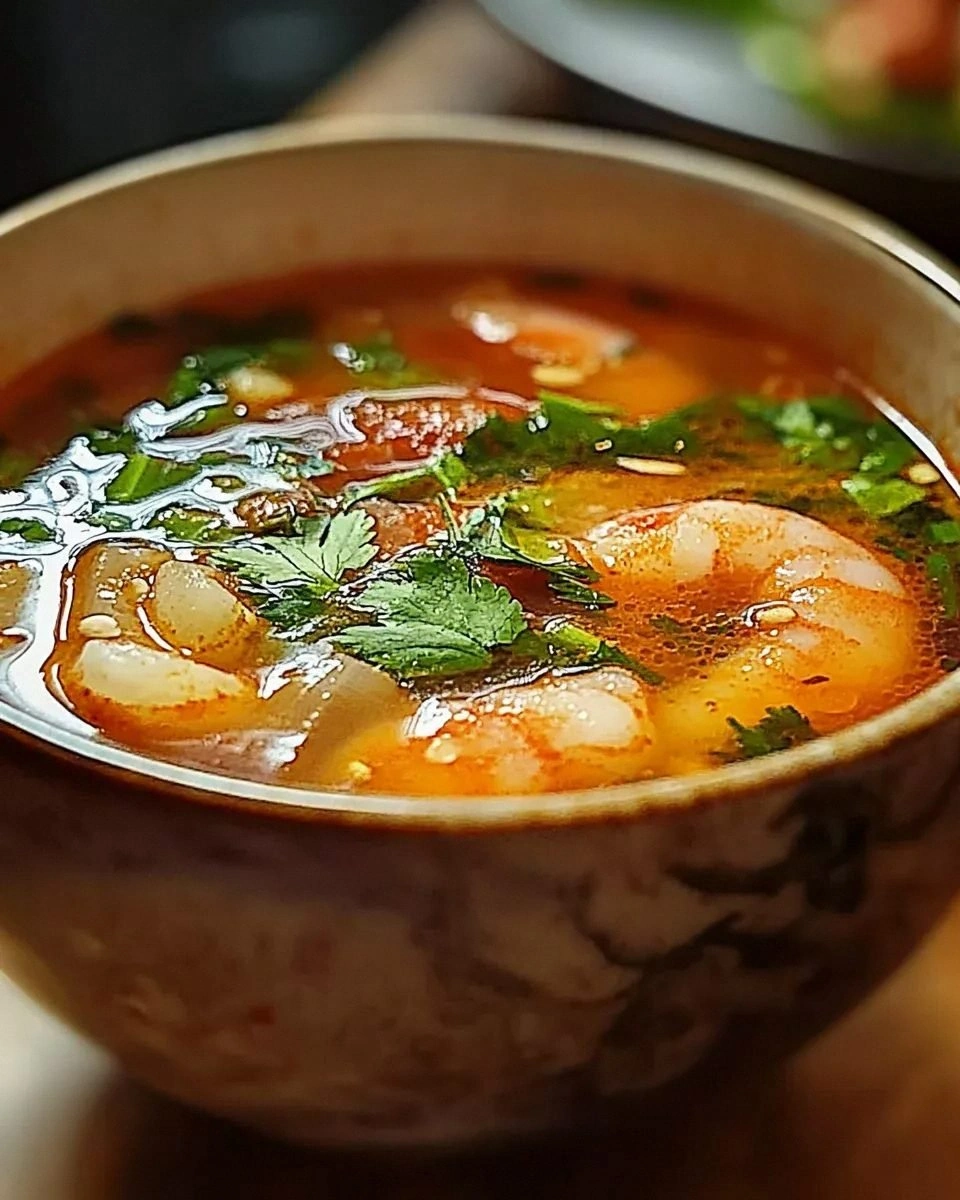
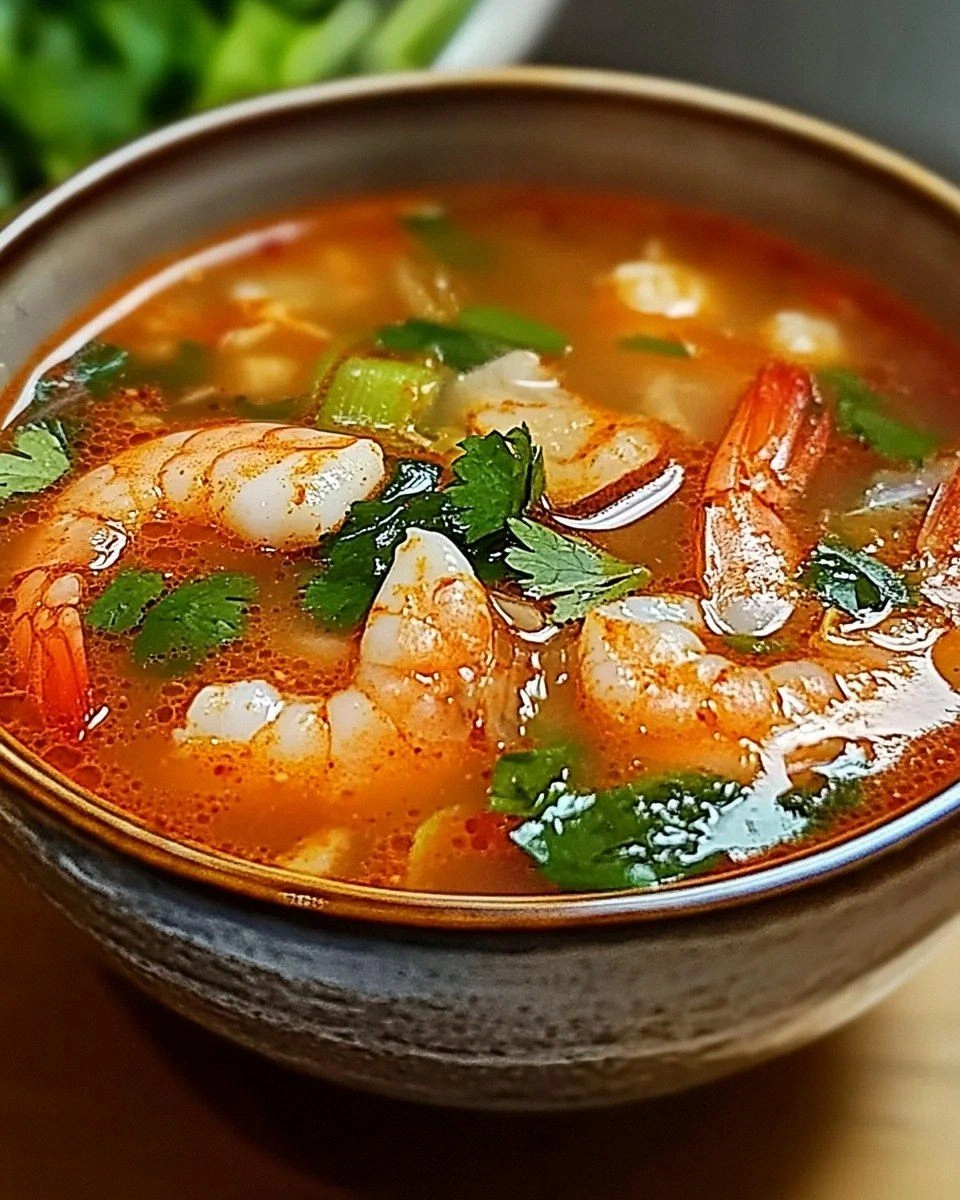
Picture this: a pot bubbling with a broth so fragrant it could coax a smile from a stone‑cold statue. The scent of lemongrass and kaffir lime leaves swirls around you like a tropical breeze, while the sharp snap of Thai bird chilies gives you a gentle warning that this is not a soup for the faint‑hearted. When you finally dip that first shrimp into the broth, it curls up like a tiny pink comet, releasing a burst of sweet, briny flavor that mingles with the earthy mushrooms and the bright pop of tomato. The soup’s surface shimmers with a splash of coconut milk, turning the whole thing into a velvety, ruby‑red ocean of heat and aroma.
What makes this version stand out is that I refused to let the classic recipe become a bland, watered‑down version that you might find in a generic restaurant. I kept the traditional elements—lemongrass, galangal, kaffir lime—but I added a secret twist: a splash of coconut milk right at the end, which rounds the heat without muting it, and a pinch of sugar that balances the sour and salty notes like a tightrope walker. Most recipes get the broth right but forget the finishing touches that make the soup sing; this one hits every note on the palate. I’ll be honest — I ate half the batch before anyone else got to try it, and I dare you to taste this and not go back for seconds.
Okay, ready for the game‑changer? The technique that transforms a good Tom Yum into a legendary one is the gentle bruising of lemongrass and galangal before they hit the pot. By smashing them with the back of a knife, you release essential oils that would otherwise stay hidden, giving the broth a depth that’s almost intoxicating. And there’s one more surprise: a dash of coconut milk added at the very end, creating a silky finish that feels like a hug after a punch of heat. Let me walk you through every single step — by the end, you’ll wonder how you ever made it any other way.
What Makes This Version Stand Out
- Flavor Explosion: The combination of citrusy lime, fragrant lemongrass, and the subtle earthiness of galangal creates a layered taste that evolves with each spoonful.
- Heat Balance: Thai bird chilies give a clean, quick sting, while the coconut milk and sugar tame the fire just enough to keep you coming back for more.
- Texture Harmony: Succulent shrimp, meaty mushrooms, and crisp onion pieces provide a satisfying contrast that keeps the soup interesting from start to finish.
- Simplicity: Only fifteen minutes of prep, thirty minutes of cooking, and you have a restaurant‑quality dish that doesn’t require a culinary degree.
- Ingredient Integrity: Fresh herbs and aromatics are used whole, not powdered, preserving their natural oils and bright flavors.
- Crowd Reaction: This soup has become my go‑to party starter; people line up for seconds and swear they’ve never tasted anything like it.
- Make‑Ahead Potential: The broth can be prepared days in advance, allowing the flavors to meld, and the final assembly is a quick finish.
- Versatility: Swap shrimp for chicken or tofu, and you have a whole new dish without losing the signature Tom Yum soul.
Inside the Ingredient List
The Flavor Base
Lemongrass is the backbone of Tom Yum, delivering that bright, citrusy note that instantly transports you to a Bangkok street market. I use two thick stalks, bruised and cut into 2‑inch pieces; if you skip the bruising step, the broth will taste flat, like a song missing its chorus. Kaffir lime leaves add a sharp, almost piney aroma—three leaves are enough to perfume the entire pot, but if you can’t find them fresh, dried leaves work in a pinch, just crush them first. Galangal, not ginger, brings an earthy, peppery bite; three thin slices are all you need, and they should be sliced lengthwise, not diced, to maximize flavor extraction.
The Texture Crew
Shrimp is the star protein, and I recommend 200 grams (about 7 ounces) of peeled, deveined shrimp, tossed in at the very end so they stay tender and pink. Mushrooms (one cup, sliced) add a meaty chew that balances the shrimp’s softness, while a small diced tomato contributes a subtle sweetness and a burst of acidity. The onion, finely chopped, provides a gentle background sweetness that rounds out the broth’s sharp edges. If you’re allergic to shrimp, try firm tofu cubes—they’ll soak up the broth like a sponge and still give you that satisfying bite.
The Unexpected Star
Coconut milk is the secret weapon that turns a traditional Tom Yum into a luxurious, creamy experience. Half a cup added right before serving creates a silky mouthfeel that doesn’t drown out the heat but instead softens it, making the soup approachable for those who aren’t fire‑breathers. Fresh cilantro, a quarter cup, is sprinkled on top for a herbaceous finish that brightens every spoonful. If you’re not a fan of cilantro, fresh Thai basil works beautifully and adds a slightly sweet, peppery note.
The Final Flourish
Fish sauce and lime juice are the yin and yang of Tom Yum—two tablespoons each create a salty‑sour balance that defines the dish. A teaspoon of sugar is the quiet hero, taming the acidity and rounding the overall flavor profile. Finally, a splash of water (one cup) ensures the broth isn’t too concentrated, allowing each aromatic component to shine without overwhelming the palate. Everything’s prepped? Good. Let’s get into the real action…
The Method — Step by Step
Start by heating four cups of chicken broth and one cup of water in a medium‑sized pot over medium heat. As the liquid begins to whisper, add the bruised lemongrass, kaffir lime leaves, and galangal slices. Let them simmer for about five minutes, stirring occasionally; you’ll notice the broth turning a pale gold and the kitchen filling with a perfume that feels like a mini‑vacation.
Kitchen Hack: Keep the aromatics whole until the end of the simmering stage, then fish them out with a slotted spoon for a cleaner broth.While the broth is infusing, prep the vegetables: slice one cup of mushrooms, dice the small tomato, and finely chop the small onion. Toss them into a bowl with a pinch of salt to draw out moisture; this step ensures they’ll stay firm when they hit the hot liquid.
Now, introduce the veggies to the pot. Add the mushrooms, tomato, and onion, letting them cook for another three to four minutes. You’ll hear a gentle sizzle as the onion softens, and the mushrooms will start to release their earthy juices, enriching the broth further.
Time for the heat! Slice 2‑3 Thai bird chilies thinly (keep the seeds if you like a serious kick) and stir them in. The broth should take on a ruby hue, and you’ll feel a subtle heat building—this is the moment of truth. If you’re nervous about the spice, remember you can always temper it later with a splash of coconut milk.
Watch Out: Adding the chilies too early can make the broth overly bitter; keep the heat moderate and taste frequently.Season the broth with two tablespoons of fish sauce, two tablespoons of freshly squeezed lime juice, and a teaspoon of sugar. Stir well and let the flavors meld for another two minutes. At this point, the soup should taste bright, salty, and just a hint sweet—if it’s too salty, add a splash more water; if it’s too sour, a pinch more sugar will rescue it.
Now, the star protein: gently slide the shrimp into the simmering broth. They’ll turn pink in about two minutes; overcooking will make them rubbery, so watch them closely. As soon as they curl, remove the pot from heat.
This is the final flourish: stir in half a cup of coconut milk, creating a silky ribbon that swirls through the broth. The soup will soften in color, and the aroma will shift to a sweet‑savory perfume that makes your mouth water instantly.
Kitchen Hack: Warm the coconut milk slightly before adding it; this prevents the broth from separating and ensures a smooth texture.Finish with a generous handful of fresh cilantro, roughly chopped, and give the soup one last gentle stir. Serve immediately, ladling the broth into bowls so each spoonful captures shrimp, mushroom, and a sprinkle of green. That sizzle when it hits the bowl? Absolute perfection.
That's it — you did it. But hold on, I've got a few more tricks that'll take this to another level, because a great soup deserves an encore.
Insider Tricks for Flawless Results
The Temperature Rule Nobody Follows
Keep the broth at a gentle simmer, never a rolling boil, after you add the aromatics. A high boil will cause the lemongrass and galangal to release bitter compounds, turning your soup into a harsh experience. I’ve seen novices scorch the broth, and the result is a burnt, acrid aftertaste that no amount of lime can fix. By maintaining a low, steady bubble, you coax out the sweet, citrusy oils without bitterness. Pro tip: Use a kitchen thermometer and aim for 185‑190°F (85‑88°C) during the simmer stage.
Why Your Nose Knows Best
Your sense of smell is the ultimate gauge for when the broth is ready. As the lemongrass and kaffir lime leaves steep, you’ll notice a bright, citrusy perfume that intensifies. When that aroma reaches a point where you can almost taste it in the air, the broth is ready for the next step. Trusting your nose beats any timer because the freshness of the herbs can vary seasonally.
The 5‑Minute Rest That Changes Everything
After you’ve finished cooking, let the soup sit uncovered for five minutes. This short rest allows the flavors to marry, and the coconut milk to fully integrate, creating a smoother mouthfeel. I once served the soup immediately and got feedback that the heat was “too sharp.” A quick five‑minute pause softened the edge and made the broth feel rounder on the palate.
Shrimp Timing Mastery
Shrimp cooks in a flash. If you add them too early, they’ll become rubbery; too late, and they won’t absorb the broth’s flavor. The sweet spot is when the broth is just about to finish simmering. Drop the shrimp in, wait for them to curl, then immediately turn off the heat. This technique preserves the shrimp’s delicate texture while letting them soak up that aromatic broth.
Cilantro Power Boost
Fresh cilantro should be added at the very end, right before serving. Adding it earlier will cause the leaves to wilt and lose their bright, peppery punch. If you’re not a cilantro fan, try Thai basil or even a squeeze of extra lime for a different but equally vibrant finish.
Creative Twists and Variations
This recipe is a playground. Here are some of my favorite ways to switch things up:
Mushroom‑Only Tom Yum
Skip the shrimp and double the mushroom amount, adding a mix of shiitake and oyster mushrooms for an earthy depth. This vegetarian version still packs the classic heat and citrus, and the mushrooms provide a meaty texture that satisfies even meat‑eaters.
Coconut‑Free Zing
If you’re avoiding dairy or coconut, replace the coconut milk with a splash of almond milk and a dash of extra lime juice. The broth stays bright and spicy, while the almond milk adds a subtle nutty undertone without masking the aromatics.
Spicy Pork Tom Yum
Swap the shrimp for thinly sliced pork belly, briefly seared before adding to the broth. The pork renders a little fat, enriching the broth, and the spices cling to the meat, creating a robust, hearty version perfect for cooler evenings.
Tom Yum Noodle Soup
Add a handful of rice noodles to the broth during the final minute of cooking. The noodles soak up the fragrant liquid, turning the soup into a comforting bowl that feels like a Thai‑style ramen. Top with extra cilantro and a squeeze of lime for an extra pop.
Citrus‑Infused Tom Yum
Add a thin slice of kaffir lime zest or a splash of orange juice during the simmering stage. The extra citrus layer brightens the broth even more, making it perfect for a summer brunch where you want something light yet flavorful.
Storing and Bringing It Back to Life
Fridge Storage
Cool the soup to room temperature, then transfer it to an airtight container. It will keep for up to three days in the refrigerator. When reheating, add a splash of water or extra broth to revive the broth’s consistency, and finish with a fresh squeeze of lime to brighten the flavors.
Freezer Friendly
Tom Yum freezes beautifully. Portion the soup (without the cilantro) into freezer‑safe bags, leaving a little headspace for expansion. It will stay good for up to two months. Thaw overnight in the fridge, then reheat gently on the stove, stirring in fresh cilantro and a drizzle of coconut milk before serving.
Best Reheating Method
Reheat the soup over low heat, stirring constantly to prevent the coconut milk from separating. Add a tiny splash of water—just enough to steam the broth back to life—then finish with fresh herbs and lime. This method keeps the texture of the shrimp perfect and the broth silky.