I was standing in my kitchen, staring at a mountain of leftover turkey and a sad, cold bowl of rice, when a daring friend shouted, “Make fried rice!” I laughed, tossed the turkey into the trash, and then thought, “What if I could rescue that turkey, turn it into something spectacular, and still have a dish that screams comfort?” That moment sparked the creation of the most addictive, quick turkey fried rice you’ll ever taste. I’m not exaggerating when I say this version will make you question every other fried‑rice recipe you’ve ever tried. The moment the oil hits the pan, you’ll hear a sizzle that feels like a tiny applause for your culinary bravery.
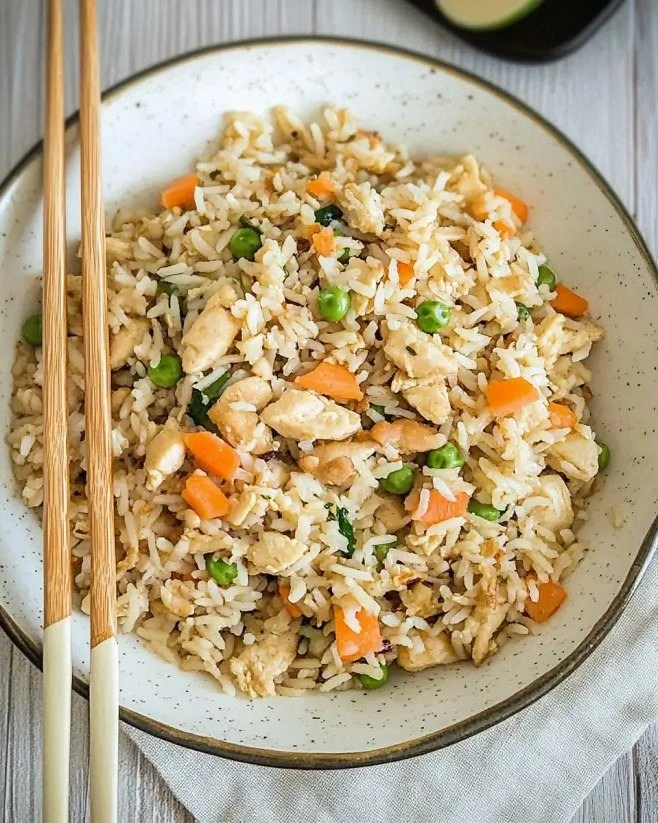
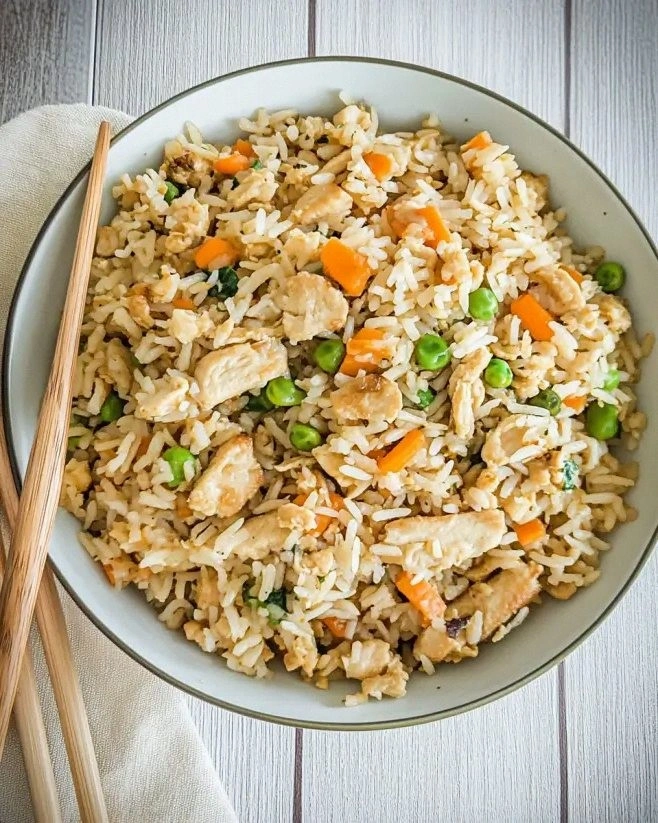
Picture this: the kitchen fills with the aroma of garlic and onions dancing together, the soy sauce shimmering like liquid amber, and the turkey pieces turning golden, crisp on the edges while staying juicy inside. You’ll hear the faint pop of the wok as the rice hits the hot surface, a sound that tells you you’re on the right track. The texture? Imagine each grain of rice coated in a glossy, savory glaze, each bite offering a crunchy‑soft contrast that’s as satisfying as biting into a perfectly toasted crostini. The flavor? A harmonious blend of umami, a whisper of sesame, and the comforting familiarity of turkey that feels like a hug from your favorite aunt.
Why does this version stand out? Most fried‑rice recipes either drown the protein in sauce or leave the rice dry and lifeless. I dared to balance the sauce just right, using a combo of soy and sesame oil that clings to the rice like velvet. I also added a secret technique: a quick blast of high heat that gives the turkey a caramelized crust, making every bite pop with flavor. And the best part? It’s built entirely from leftovers, so you’re not just cooking—you’re performing a culinary rescue mission.
I’m about to spill the beans on a trick that most home cooks overlook: the “dry‑rice” method. By spreading the leftover rice on a tray and letting it air‑dry for ten minutes, you prevent clumping and achieve that coveted restaurant‑style texture. Trust me, once you try it, you’ll never go back. Let me walk you through every single step — by the end, you’ll wonder how you ever made it any other way.
What Makes This Version Stand Out
- Flavor Explosion: The duet of soy sauce and sesame oil creates a deep umami base that coats each grain like a silky shawl, while the garlic and green onions add bright, aromatic punch.
- Texture Triumph: By using day‑old rice and a quick high‑heat sear, the rice stays separate and slightly crispy, giving you that perfect “toasty edge” sensation.
- Simplicity at Its Core: All ingredients are pantry‑friendly, and the method requires only one wok or large skillet—no fancy equipment needed.
- Protein Perfection: Leftover turkey, when treated with a quick flash‑fry, develops a caramelized crust that locks in moisture and adds a satisfying chew.
- Crowd‑Pleaser Factor: This dish hits the sweet spot between comfort food and elevated flavor, making it a guaranteed hit at family gatherings or solo meals alike.
- Ingredient Quality: Using real turkey (not processed) and fresh green onions ensures a clean, bright flavor profile that artificial substitutes can’t match.
- Cooking Method Mastery: The “wet‑to‑dry” technique for rice and the staged addition of sauces prevent sogginess and guarantee a restaurant‑style finish.
- Make‑Ahead Magic: This recipe thrives on leftovers, turning yesterday’s turkey into today’s star dish, saving you time and reducing waste.
Inside the Ingredient List
The Flavor Base
Garlic and green onions are the aromatic backbone of this dish. The garlic, minced fine, releases a pungent aroma that instantly awakens the palate, while the green onions add a fresh, slightly sharp bite that cuts through the richness of the turkey. If you skip them, you’ll lose that layered depth that makes each forkful feel like a mini adventure. For a twist, try swapping half the green onions for shallots for a sweeter, milder note.
The Texture Crew
Day‑old cooked rice is essential; its reduced moisture means each grain can toast without turning mushy. The mixed vegetables—usually peas, carrots, and corn—add pops of color and a sweet crunch that balances the savory turkey. If you’re missing a specific veg, diced bell pepper or snap peas work beautifully. Skipping the vegetables would make the dish feel one‑dimensional, like a solo performance without a supporting cast.
The Unexpected Star
Sesame oil is the secret weapon. Just a tablespoon, added at the end, brings a nutty fragrance that lingers in the air like a warm, inviting perfume. It’s the difference between “good” and “hands down the best version you’ll ever make at home.” If you’re allergic or avoid sesame, try a drizzle of toasted walnut oil for a comparable depth.
The Final Flourish
A splash of soy sauce and a pinch of salt and pepper are the finishing touches that bring everything together. The soy sauce adds salty depth, while the pepper adds a subtle heat that tickles the tongue. If you prefer a lower‑sodium version, use low‑sodium soy sauce and adjust the salt accordingly. Remember, seasoning is a personal journey—taste as you go, and don’t be afraid to tweak.
Everything's prepped? Good. Let's get into the real action…
The Method — Step by Step
Heat a large wok or skillet over high heat until it just begins to smoke. Add the vegetable oil, swirling to coat the surface. When the oil shimmers, it’s ready— that sizzle when it hits the pan? Absolute perfection. Toss in the minced garlic and sliced green onions, stirring quickly for about 30 seconds until fragrant but not browned. This is the flavor foundation; if you overcook the garlic, it’ll turn bitter, so stay vigilant.
Push the aromatics to the side of the wok and add the cooked turkey, spreading it out in a single layer. Let it sit untouched for 1‑2 minutes; you’ll hear a faint crackle as the edges caramelize. Flip the turkey pieces, allowing the other side to brown. This quick sear creates a crispy crust that locks in juices—trust me, you’ll hear a satisfying pop that says “we’re doing it right.”
Kitchen Hack: If your turkey is in large chunks, quickly slice it thinly against the grain before adding to the pan for faster browning and more surface area.Once the turkey is nicely browned, stir in the mixed vegetables. Cook for another 2‑3 minutes, letting them soften but retain a bite. The vegetables should turn a bright, glossy hue—this visual cue tells you they’re perfectly cooked. If the pan looks dry, splash a splash of water to deglaze and keep the steam moving.
Now it’s time for the rice. Crumble the day‑old rice with your hands or a fork to break up any clumps, then add it to the wok. Spread it out, then let it sit for about 30 seconds without stirring; this allows the bottom layer to get that coveted toasted crunch. Afterward, toss everything together, ensuring each grain gets coated in the oil and mingles with the turkey and veggies.
Drizzle the soy sauce evenly over the rice, then pour the sesame oil around the edges of the wok. The soy sauce should hiss as it meets the hot surface, creating a glossy glaze that clings to each grain. Stir vigorously, making sure the sauce distributes evenly without making the rice soggy. This is the moment of truth—if the rice looks glossy and every bite is flavorful, you’ve nailed it.
Watch Out: Adding soy sauce too early can make the rice soggy; always add it after the rice has had a chance to toast.Create a well in the center of the wok and crack the two eggs into it. Let them sit for a few seconds, then scramble gently, mixing them into the rice as they cook. The eggs should turn fluffy and coat the rice in a silky texture. This step adds protein and richness, turning the dish from good to great. If the eggs start to stick, lower the heat slightly and keep the pan moving.
Season with salt and freshly cracked black pepper to taste. Remember, the soy sauce already brings saltiness, so taste first before adding more. A pinch of pepper adds a subtle heat that lifts the entire flavor profile. Give everything a final toss, making sure the seasoning is evenly distributed.
Turn off the heat and let the wok sit for a minute; this resting period allows the flavors to meld and the rice to finish crisping on the bottom. While you wait, admire the glossy, caramel‑brown specks of turkey and the vibrant colors of the vegetables. This pause is essential—don’t rush it, or you’ll lose the layered depth you’ve built.
Serve the turkey fried rice hot, garnished with extra sliced green onions for a fresh bite and a drizzle of extra sesame oil if you’re feeling indulgent. Picture yourself pulling this out of the wok, the whole kitchen smelling incredible, and the first bite delivering that perfect balance of salty, nutty, and savory. I dare you to taste this and not go back for seconds.
Kitchen Hack: Finish with a squeeze of fresh lime juice for a bright, acidic contrast that lifts the dish.
That's it — you did it. But hold on, I've got a few more tricks that'll take this to another level...
Insider Tricks for Flawless Results
The Temperature Rule Nobody Follows
High heat is your best friend when making fried rice. If the pan isn’t hot enough, the rice will steam rather than fry, resulting in soggy clumps. I always pre‑heat my wok for at least two minutes before adding oil. The moment the oil shimmers, you know the surface is ready. This rule guarantees that each grain gets that coveted toasted edge that shatters like thin ice under your fork.
Why Your Nose Knows Best
Your sense of smell is the ultimate timer. When the garlic turns golden and the soy sauce hisses, you’re at the perfect flavor peak. If you smell a faint burnt scent, you’ve overcooked. Trust that aromatic cue more than any clock—your nose will guide you to that perfect umami balance.
The 5‑Minute Rest That Changes Everything
After the final stir, let the fried rice sit off the heat for five minutes. This rest allows the steam to redistribute, making the rice fluffy on the inside while keeping the outer crust crisp. I once skipped this step and ended up with a dish that felt “wet” in the middle. A short pause is a tiny effort for a massive texture upgrade.
Egg Integration Mastery
When you add the eggs, create a well in the center of the wok and let them set for a few seconds before scrambling. This technique prevents the eggs from over‑cooking and ensures they coat the rice in silky ribbons rather than turning rubbery. It’s a subtle move that makes the difference between a dry scramble and a luxurious, creamy texture.
Seasoning in Layers
Instead of dumping all the soy sauce at once, add half early for caramelization, and the remaining half near the end for brightness. This layered seasoning builds depth, like building a song with a bass line first, then adding the melody. Skipping this step leaves the dish flat, missing that crescendo of flavor.
Creative Twists and Variations
This recipe is a playground. Here are some of my favorite ways to switch things up:
Spicy Sriracha Kick
Add a tablespoon of Sriracha and a dash of chili oil during the sauce step. The heat pairs beautifully with the turkey’s mild flavor, turning the dish into a bold, tongue‑tingling adventure. Great for anyone who loves a little fire.
Tropical Pineapple Fusion
Stir in half a cup of diced pineapple and a splash of fish sauce. The sweet‑savory contrast creates a Thai‑inspired profile that’s both refreshing and comforting. It’s perfect for summer evenings when you crave something bright.
Veggie‑Only Version
Swap the turkey for extra mixed vegetables or tofu cubes. Use the same technique, and you’ll have a vegetarian fried rice that’s just as hearty. The tofu absorbs the sauce, delivering a silky mouthfeel.
Herb‑Infused Delight
Add a handful of chopped cilantro and a squeeze of lime at the end. The fresh herbs lift the dish, giving it a Mexican‑style zing that pairs wonderfully with the sesame undertones.
Cheesy Comfort
Stir in a quarter cup of shredded cheddar just before serving. The cheese melts into the hot rice, adding a creamy richness that makes the dish feel indulgent—perfect for a cozy night in.
Storing and Bringing It Back to Life
Fridge Storage
Transfer the leftover fried rice to an airtight container and refrigerate within two hours of cooking. It will stay fresh for up to three days. When reheating, add a splash of water or broth and stir‑fry on medium heat to revive the original texture.
Freezer Friendly
Portion the rice into freezer‑safe bags, flattening them for even freezing. It can be stored for up to two months. To reheat, thaw overnight in the fridge, then stir‑fry with a little extra oil; the rice will come back almost as good as fresh.
Best Reheating Method
The secret to perfect reheating is a quick flash‑fry. Heat a skillet, add a teaspoon of oil, then the rice, and sprinkle a tablespoon of water. Cover for a minute to steam, then uncover and stir until the rice is hot and the edges crisp again. This method restores that original crunch without turning the rice mushy.